From Treatise on Etching — History & Facts
Who listens when art speaks of silence? In From Treatise on Etching, a contemplative stillness envelops the scene, where the act of creation intertwines with introspection, inviting the viewer into a dialogue with the unvoiced. Look to the center, where a figure hunches over a worktable, the tools of etching strewn about like whispers waiting to be shaped. Notice the delicate interplay of light and shadow, casting soft illumination on the textured paper, which hints at stories untold. The muted palette of earthy tones enhances the somber mood, suggesting the weight of thoughtfulness within the creative process.
This is not merely a depiction of an artist at work; it is a moment frozen in time, brimming with the invisible hum of inspiration. The viewer may sense the tension between solitude and creativity—a stark contrast between the figure's quiet focus and the potential that lies in the untouched canvas nearby. The slight furrow of the artist’s brow conveys the struggle of expression, while the empty space around him serves as a reminder of the isolation often felt in the pursuit of originality. Here, art becomes a reflection of both the individual and the broader human experience, a silent connection to the myriad emotions that accompany creation. Maxime Lalanne created this piece in 1866 during a time when printmaking was evolving, reflecting the growing appreciation for etching as a legitimate form of artistic expression.
At this point in his career, Lalanne was establishing a reputation for his meticulous craftsmanship and mastery of light and shadow, influenced by the academic traditions and the burgeoning realism movement in France. This painting encapsulates his dedication to the art form, exploring the intimate relationship between the artist and his work.
More Artworks by Maxime Lalanne
Browse all →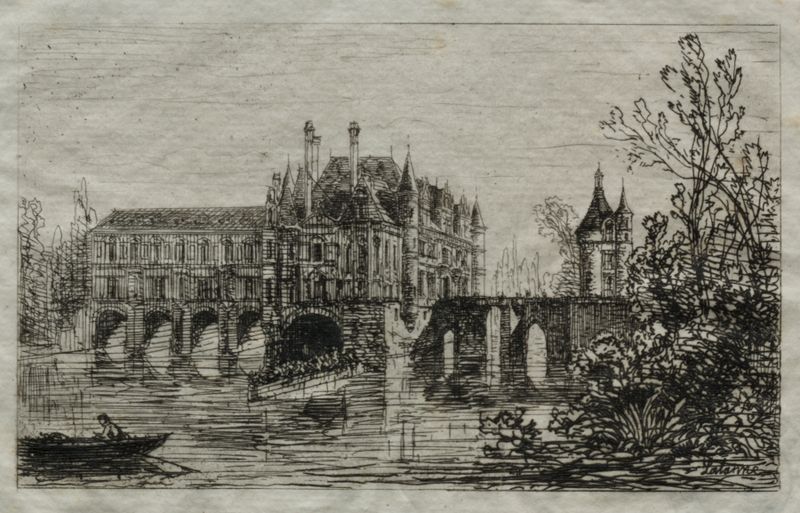
Château de Chenonceau
Maxime Lalanne
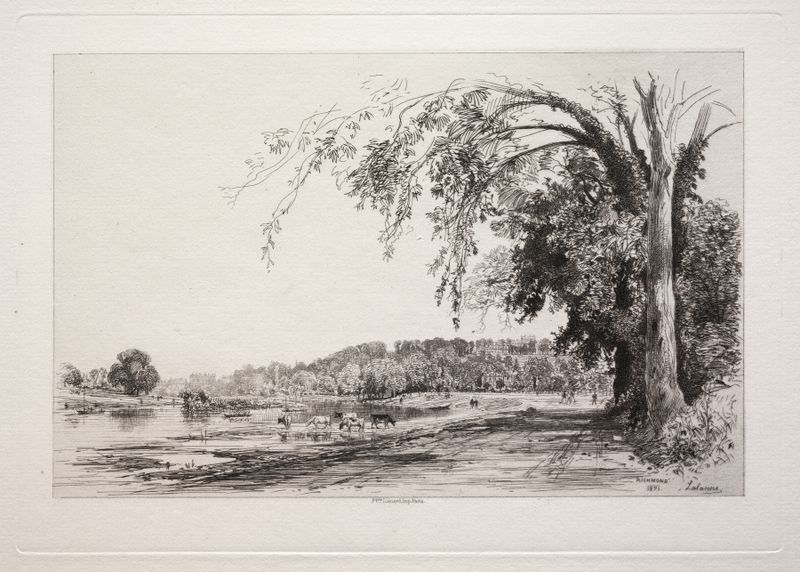
Richmond
Maxime Lalanne
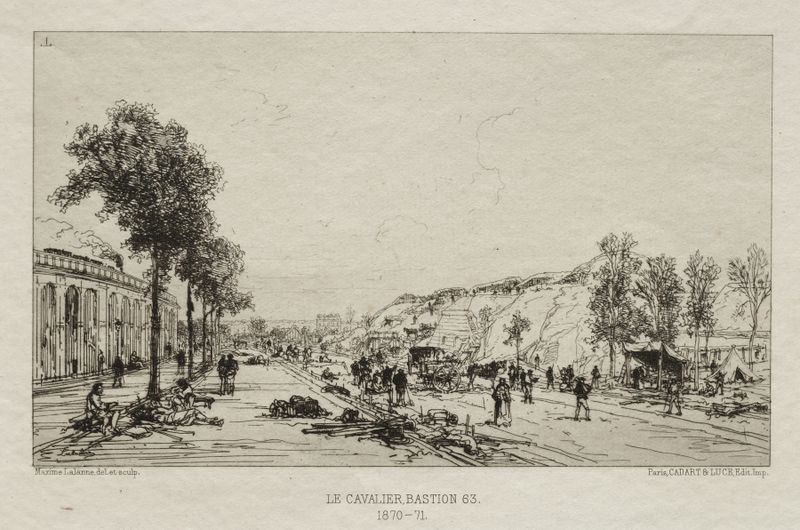
Souvenirs artistiques du Siège de Paris; Le Cavalie (Bastion 63)
Maxime Lalanne
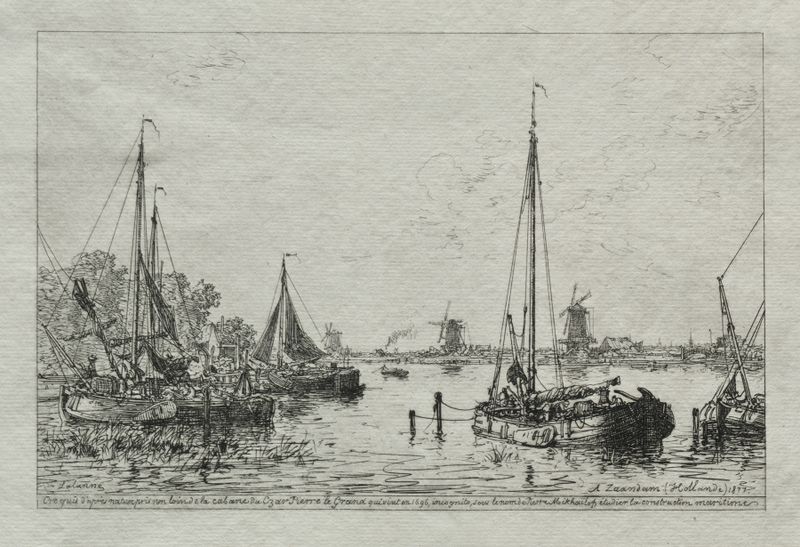
Sketch from Nature
Maxime Lalanne
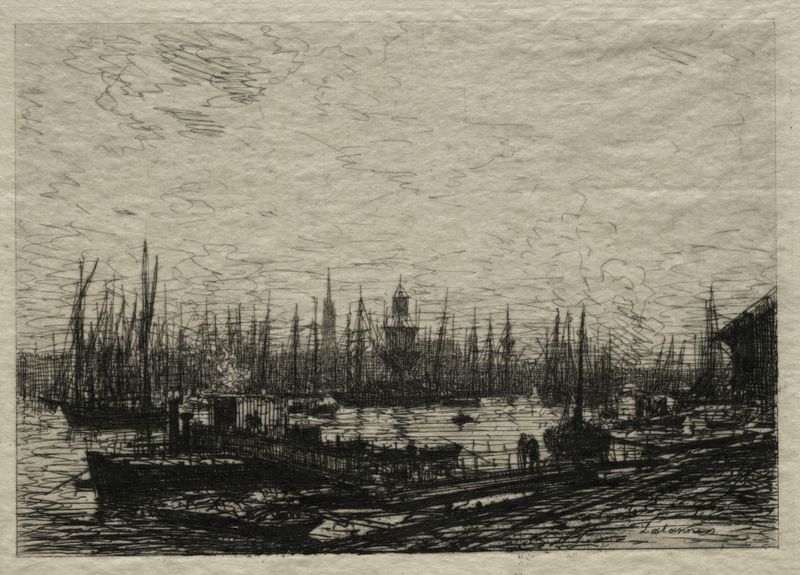
In the Bordeaux Harbor
Maxime Lalanne
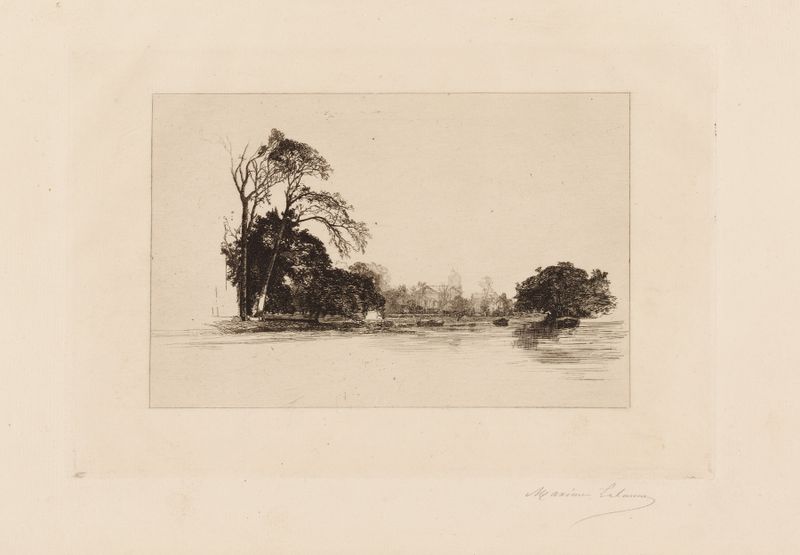
Bank of the Thames
Maxime Lalanne
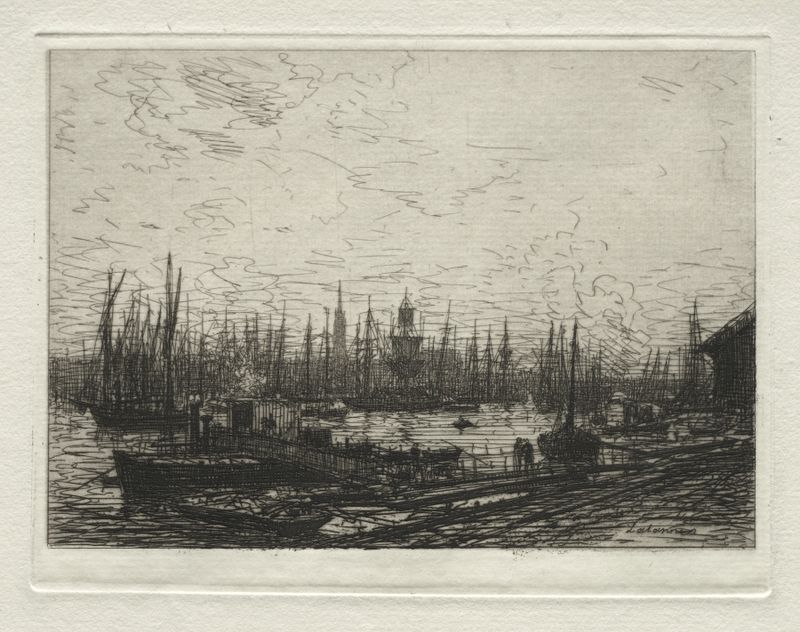
Port of Bordeaux
Maxime Lalanne
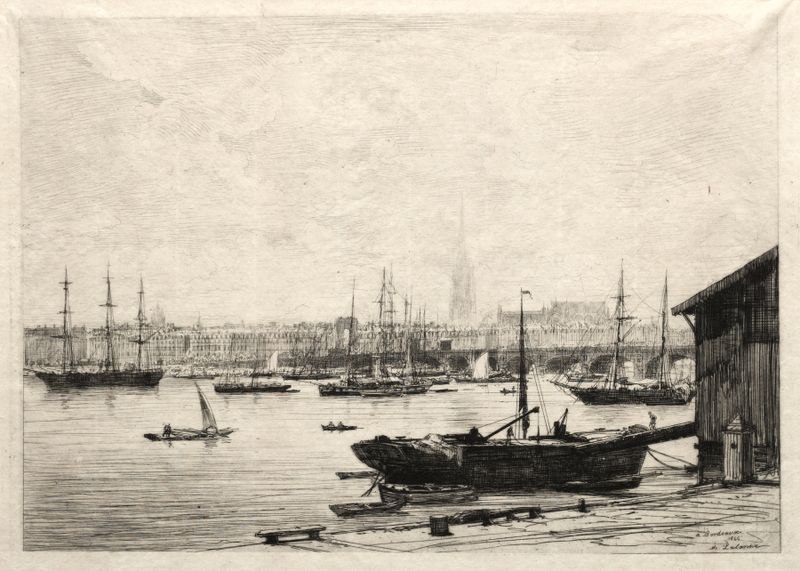
Bordeaux
Maxime Lalanne
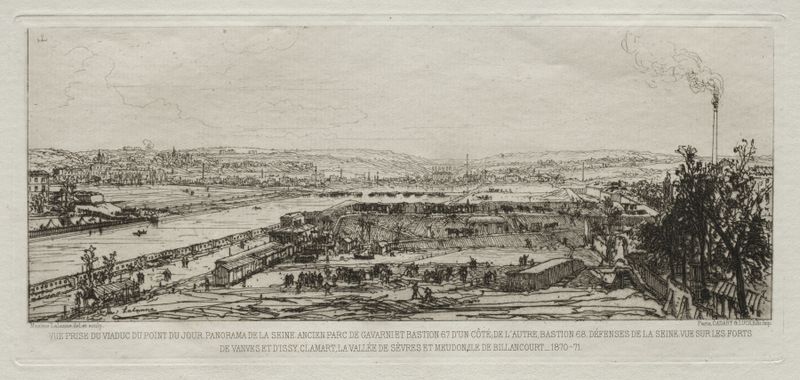
View from the Viaduct at the Pont-du-Jour, Panorama de la Seine
Maxime Lalanne
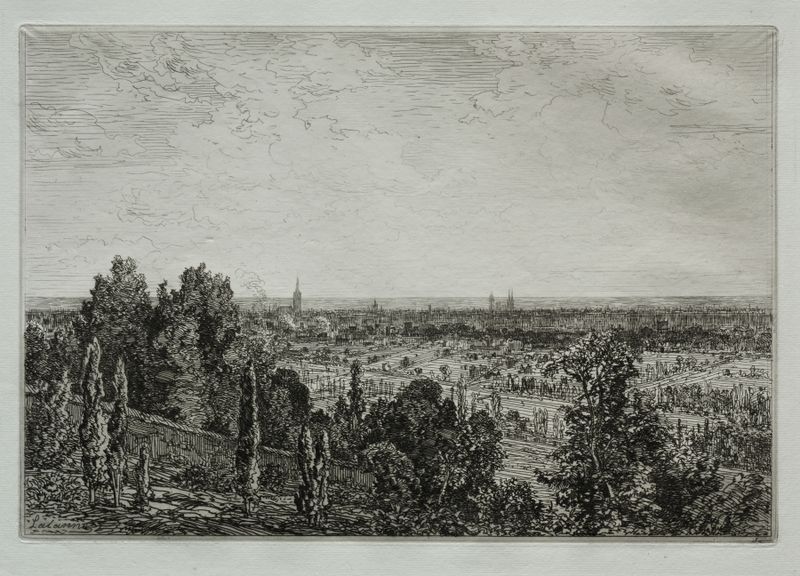
Bordeaux, View from the Coast of Cénon
Maxime Lalanne