
From Window at Cadland, September 24, 1824 — History & Facts
When did color learn to lie? The vibrant hues in From Window at Cadland evoke an unsettling tension, inviting both admiration and suspicion. One might wonder if the world outside that window is as inviting as it appears, or if something darker lurks beneath the surface of its brilliant shades. Look closely at the interplay of greens and blues in the foliage outside, where the brushstrokes dance with an ardent vibrancy. Notice how the light filters through the window, casting intricate shadows that play across the interior.
The composition draws the eye towards the bright sky, a stark contrast to the muted tones of the room, creating an almost palpable divide between the serenity of nature and the encroaching unease within the domestic space. Within the scene, a subtle tension arises between the lush beauty outside and the potential fear it evokes. The vibrant colors, while initially enticing, become a façade, hinting at a world that may not be as safe as it seems. The room, filled with delicate details, conveys a sense of confinement; it is a threshold that separates the viewer from the untamed wilderness lurking just beyond the glass.
This juxtaposition emphasizes the often contradictory relationship we hold with nature—its beauty can be as terrifying as it is breathtaking. In 1824, Anne Rushout painted From Window at Cadland during a period marked by personal struggle and societal change. Living in England, she faced both the challenges of being a woman in the male-dominated art world and the shifting cultural landscape of Romanticism. This era, characterized by a heightened focus on emotion and nature, clearly influenced her work, reflecting the duality of beauty and fear that permeated her life and the lives of those around her.
More Artworks by Anne Rushout
Browse all →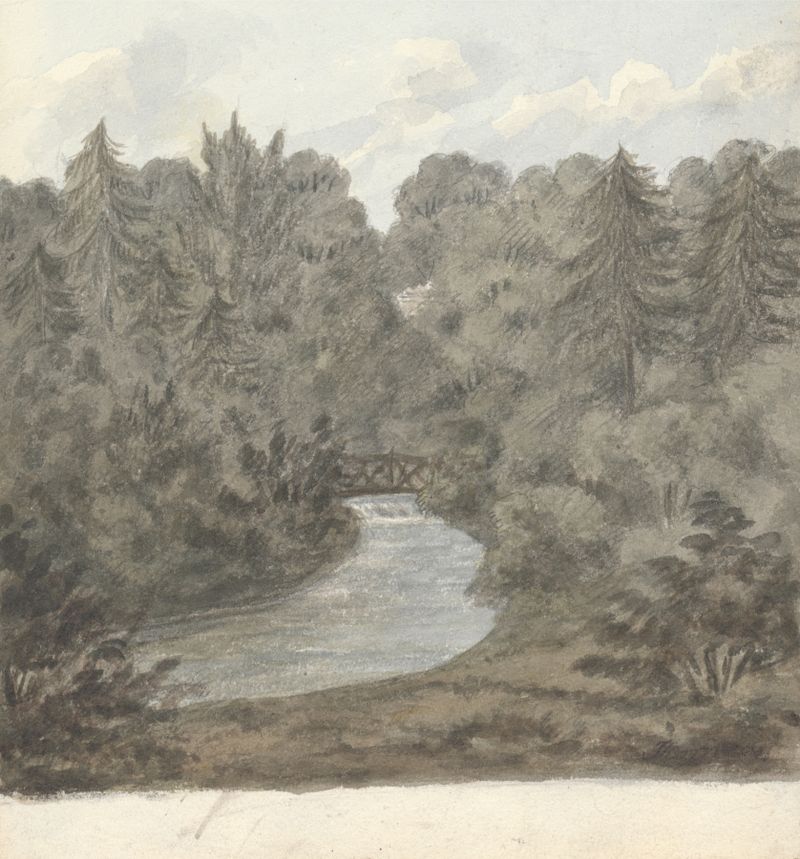
Thornery Pool, Sezincote
Anne Rushout
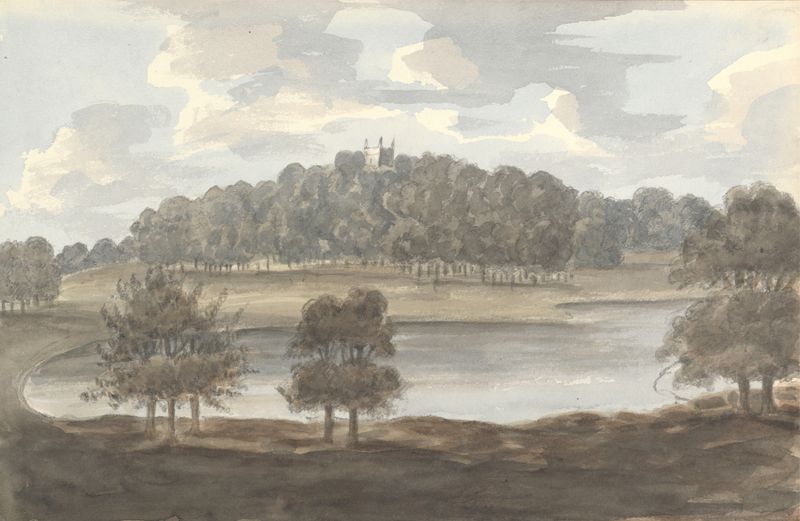
Holkham, August 1824
Anne Rushout

Grove Cottage, Wanstead May 18th, 1825
Anne Rushout
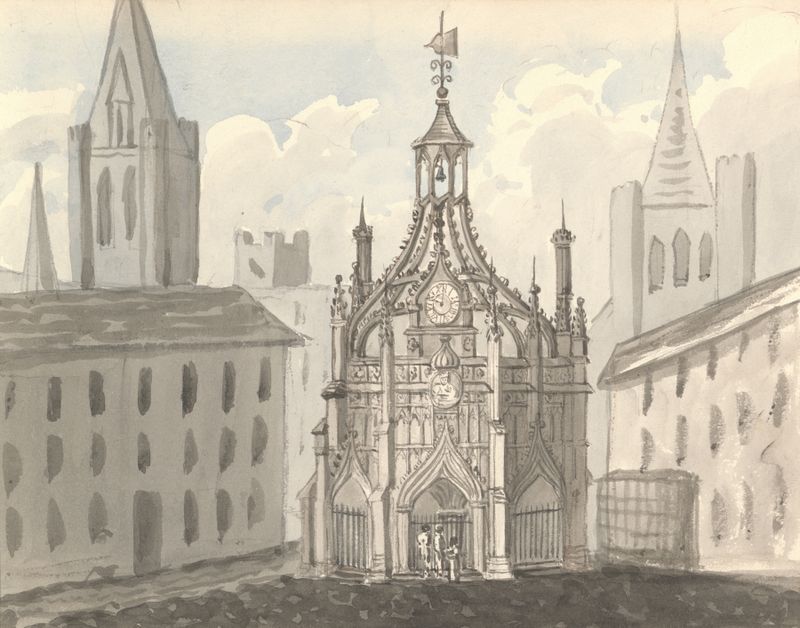
From Inn at Chichester, July 1828
Anne Rushout
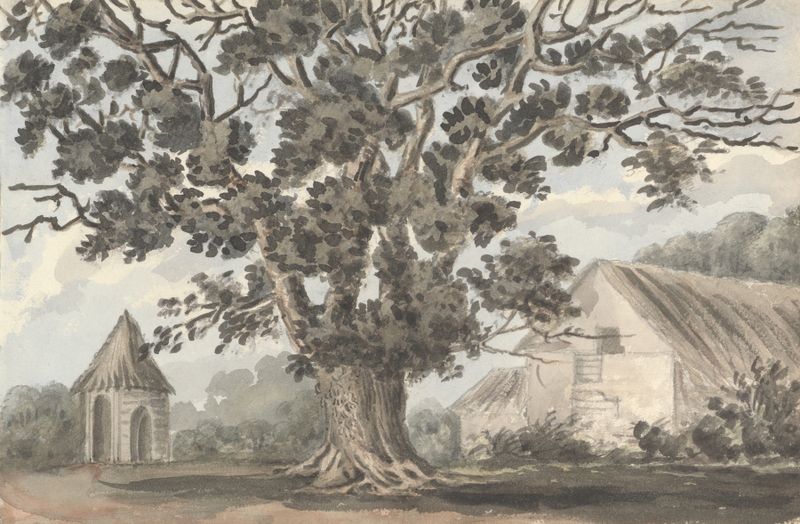
Queen Elizabeth’s Oak near Finborough Hall
Anne Rushout

Holkham, August 1824
Anne Rushout
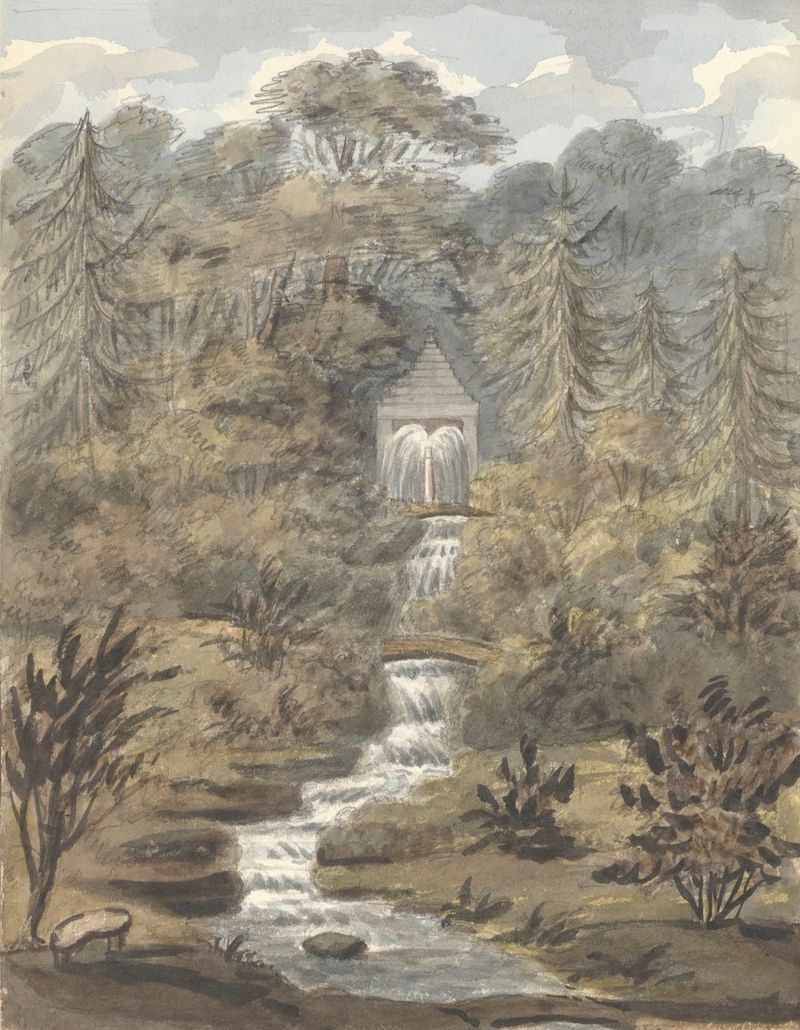
Temple and Falls, Sezincote
Anne Rushout

From Flower Garden, Wanstead Grove
Anne Rushout

From Window at Eastnor Castle, Gloucestershire Beacon, September 28, 1829
Anne Rushout

From Portico at Wanstead Grove, May 24, 1825
Anne Rushout





