
From Window at Daylesford, October 20, 1830 — History & Facts
Can beauty exist without sorrow? In From Window at Daylesford, October 20, 1830, the answer lies in the delicate interplay of light and shadow that envelops the scene. Look to the left of the canvas, where soft rays of sunlight spill through the window, illuminating the rich greens of the garden outside. The gentle strokes capture the lush foliage and blossoming flowers, inviting the viewer's gaze to wander into the vibrant world beyond. Notice how the ethereal quality of the light contrasts with the muted tones of the room, suggesting a sanctuary that holds both refuge and longing.
The composition draws you inward, creating a sense of intimacy while simultaneously hinting at the wonders just out of reach. Deeper exploration reveals the emotional tensions within the painting. The contrast between the bright garden and the dim interior speaks to the juxtaposition of hope and melancholy — a reminder of the beauty that exists beyond our current circumstances. The presence of a single vase of flowers on the table signifies both a connection to nature and the impermanence of life, while the open window frames the possibility of a brighter future.
Each detail whispers of faith, suggesting that even in moments of solitude, there is a world brimming with life and color waiting to be embraced. Anne Rushout painted this work in 1830, during a time when women artists were beginning to carve their place in the male-dominated world of art. Living in England, she engaged with the Romantic movement's emphasis on emotion and nature, reflecting her own experiences of beauty intertwined with personal and societal challenges. Her choice to depict this scene encapsulates the hope and quiet strength of the era, making her work a testament to women's resilience in the face of adversity.
More Artworks by Anne Rushout
Browse all →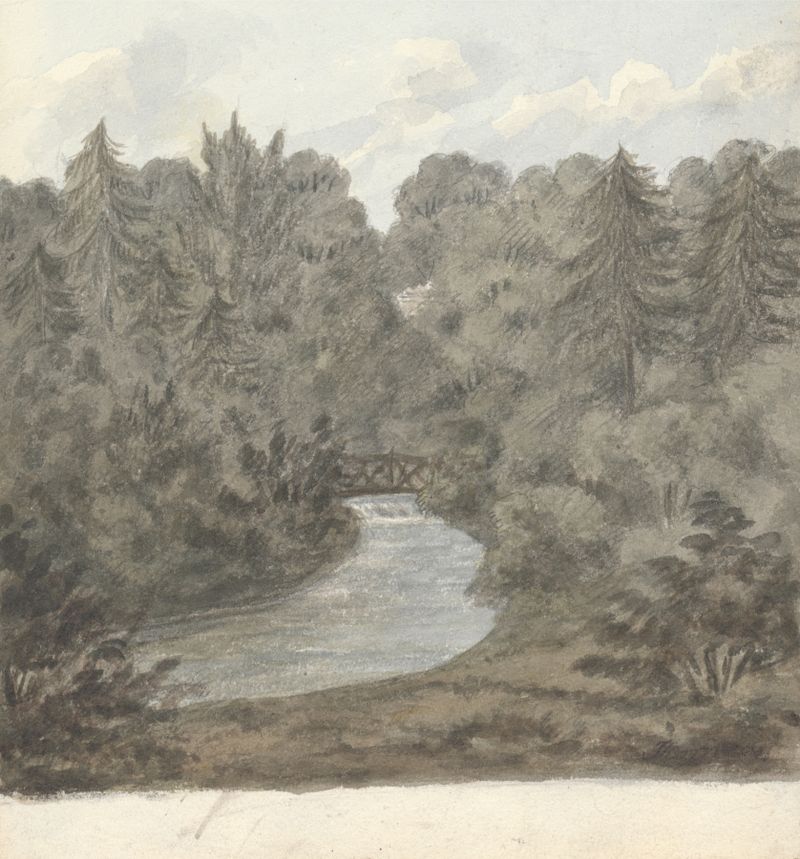
Thornery Pool, Sezincote
Anne Rushout
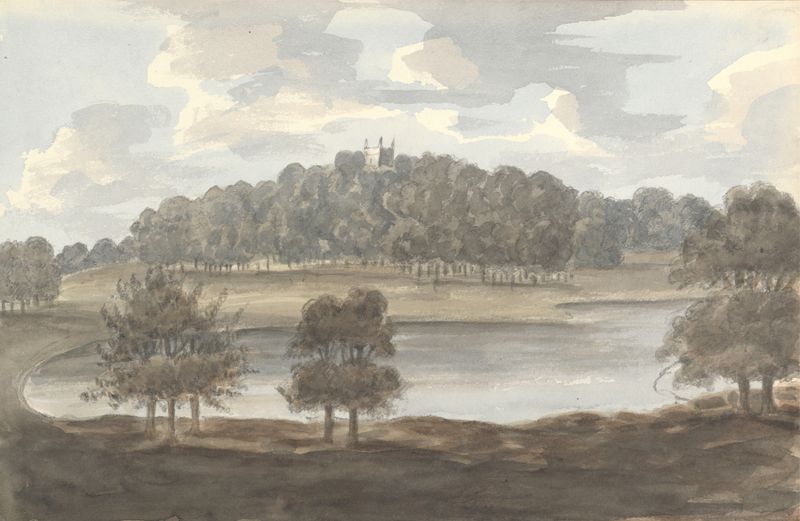
Holkham, August 1824
Anne Rushout

Grove Cottage, Wanstead May 18th, 1825
Anne Rushout
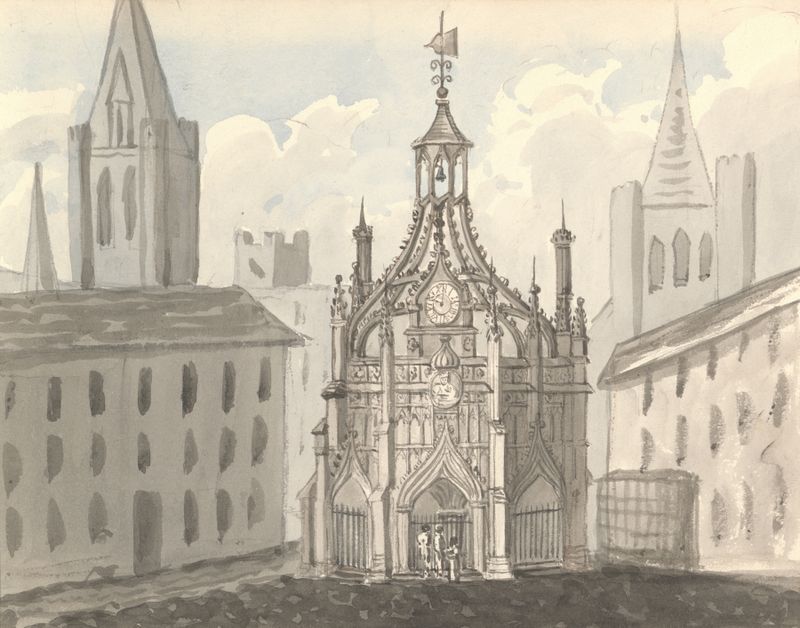
From Inn at Chichester, July 1828
Anne Rushout
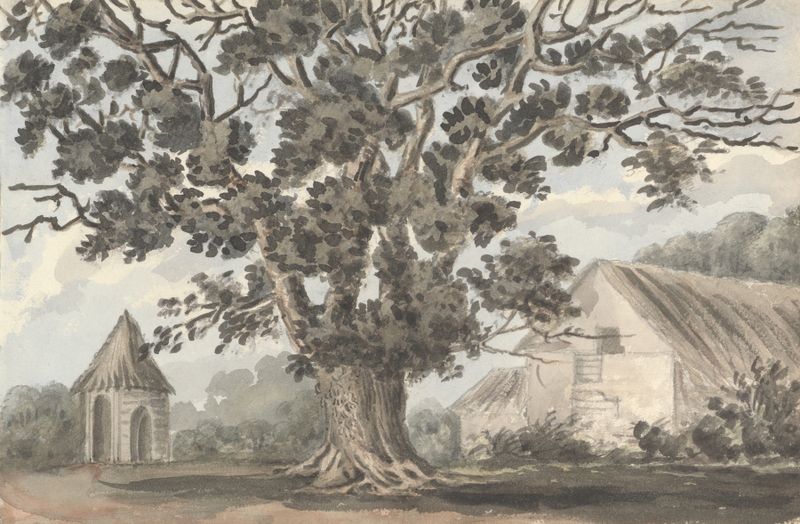
Queen Elizabeth’s Oak near Finborough Hall
Anne Rushout

Holkham, August 1824
Anne Rushout
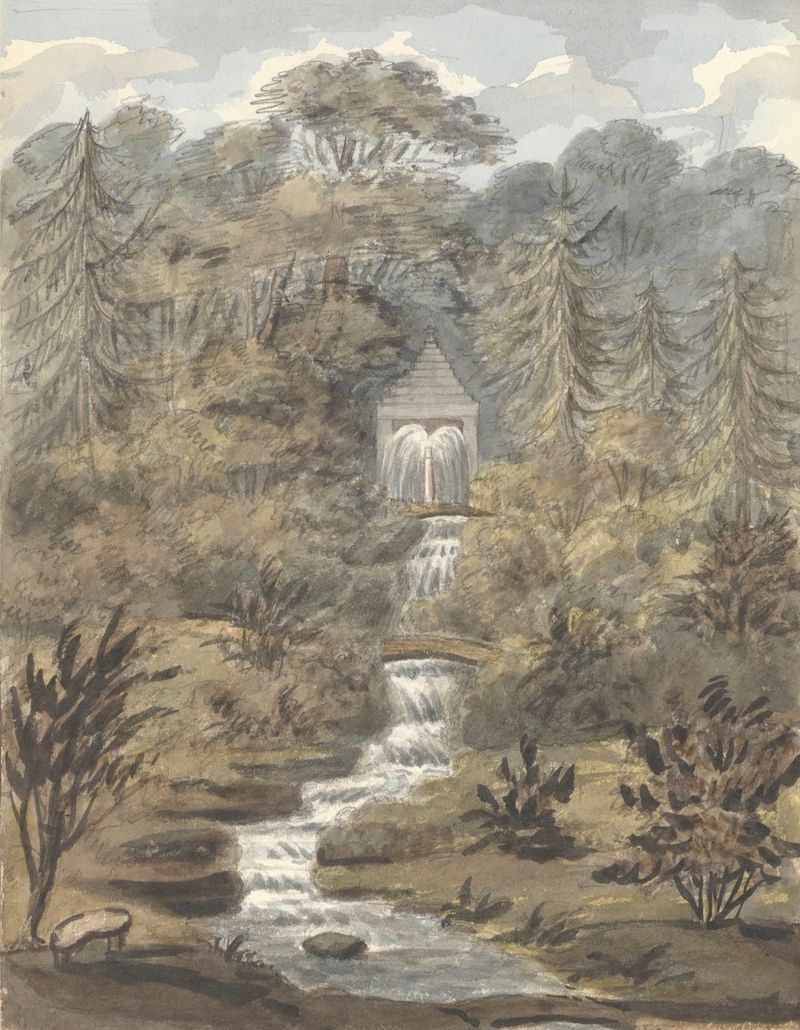
Temple and Falls, Sezincote
Anne Rushout

From Flower Garden, Wanstead Grove
Anne Rushout

From Window at Eastnor Castle, Gloucestershire Beacon, September 28, 1829
Anne Rushout

From Portico at Wanstead Grove, May 24, 1825
Anne Rushout





