
From Window at Garnestone — History & Facts
When did color learn to lie? Shadows dance across the canvas, twisting reality into an enigmatic narrative that teeters between truth and deception. Look to the left, where soft hues of green and ochre dominate the palette, creating a natural vista seen from a window. The light filters through the foliage, casting intricate patterns that animate the floorboards with gentle warmth. Notice how the artist employs delicate brushstrokes to evoke the play of light, allowing the viewer to almost feel the breeze rustling the leaves outside.
Each stroke seems to breathe life into the atmosphere, drawing the eye deeper into the scene. Yet beneath the surface beauty lies a tension between the serene landscape and the isolation suggested by that very window. The colors, vibrant yet restrained, suggest a longing for connection amidst solitude. The shadow cast across the sill acts as a metaphor for the unseen barriers we encounter in life—between the viewer and the world beyond, between the emotions we wear, and those we conceal.
These small details, a flicker of light or a flick of shadow, collectively whisper the complexities of existence. Anne Rushout painted this work between 1824 and 1832, during a time when the Romantic movement was taking hold in England. The tension between nature and human emotion was at the forefront of artistic exploration, as artists sought to capture not only the external world but also the inner workings of the heart. Amidst a burgeoning art community, Rushout's vision of intimate spaces and reflective moments made her an important voice in the exploration of everyday life.
More Artworks by Anne Rushout
Browse all →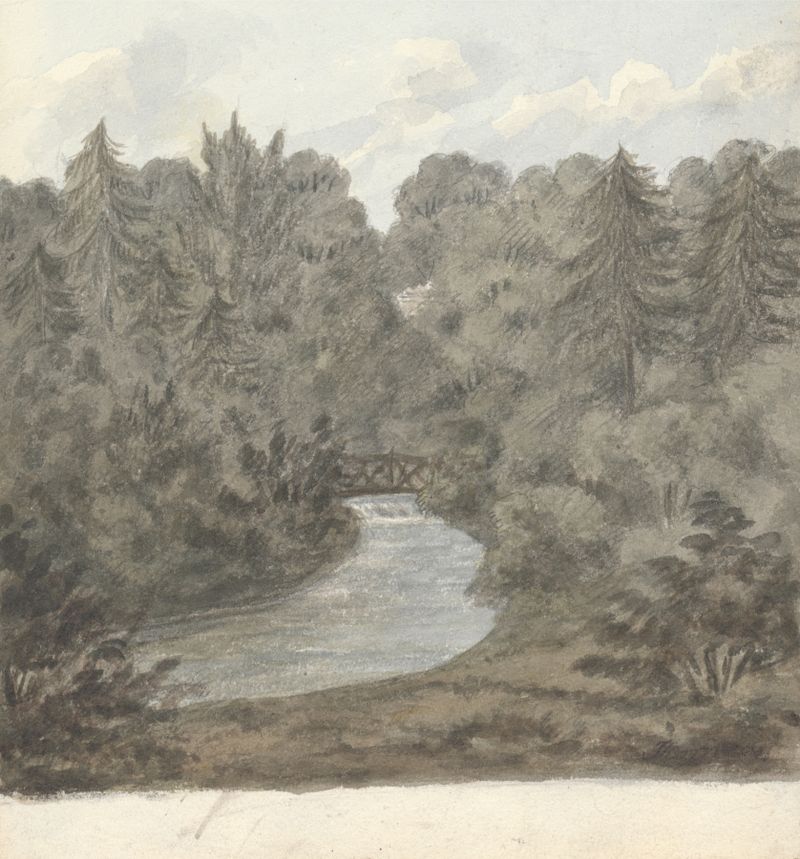
Thornery Pool, Sezincote
Anne Rushout
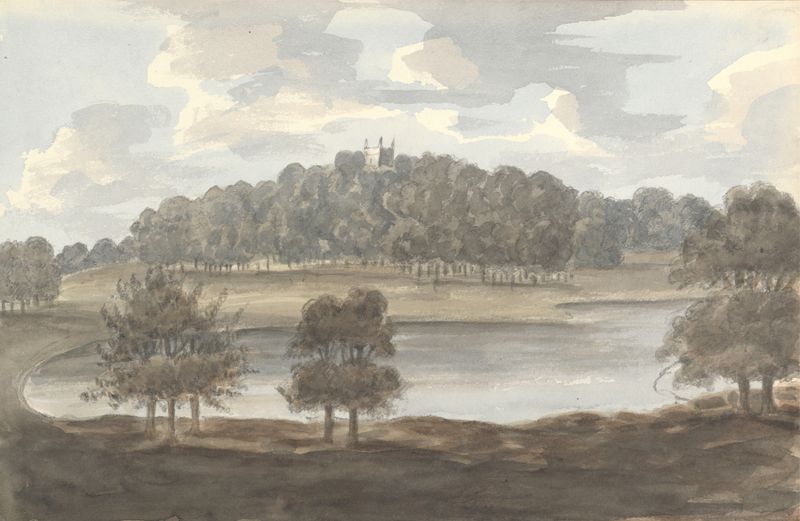
Holkham, August 1824
Anne Rushout

Grove Cottage, Wanstead May 18th, 1825
Anne Rushout
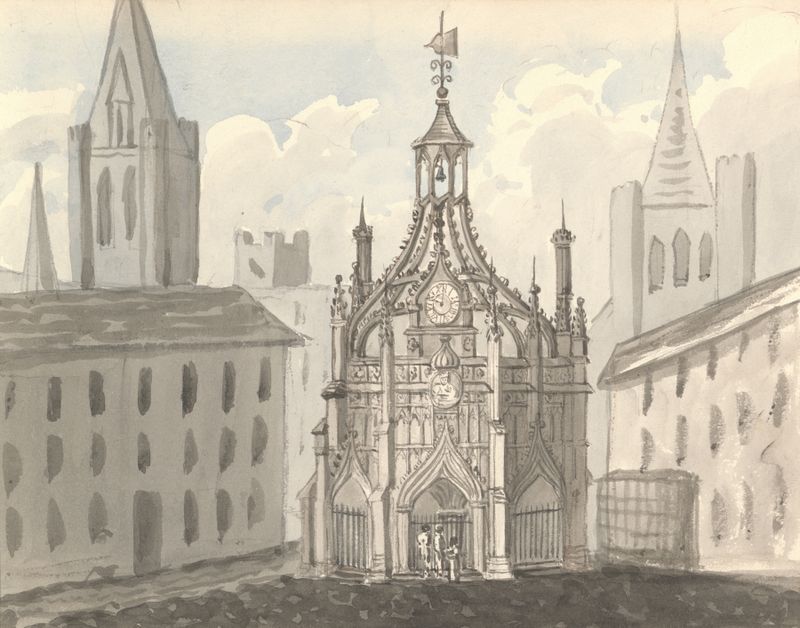
From Inn at Chichester, July 1828
Anne Rushout
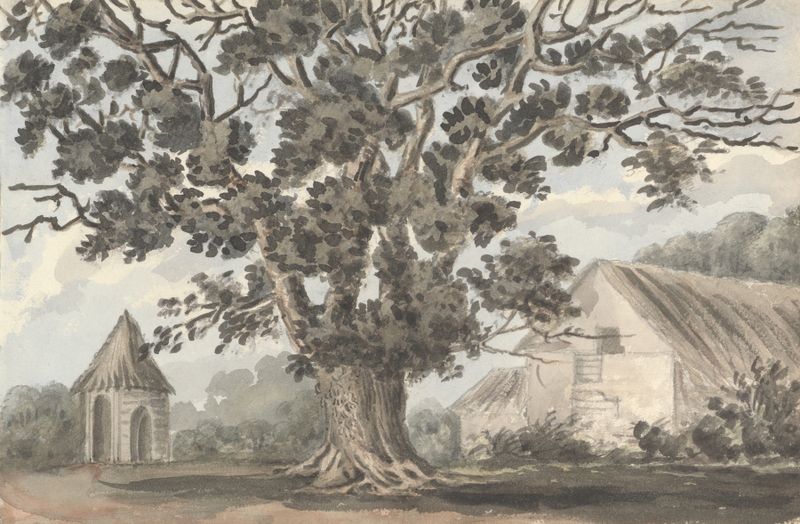
Queen Elizabeth’s Oak near Finborough Hall
Anne Rushout

Holkham, August 1824
Anne Rushout
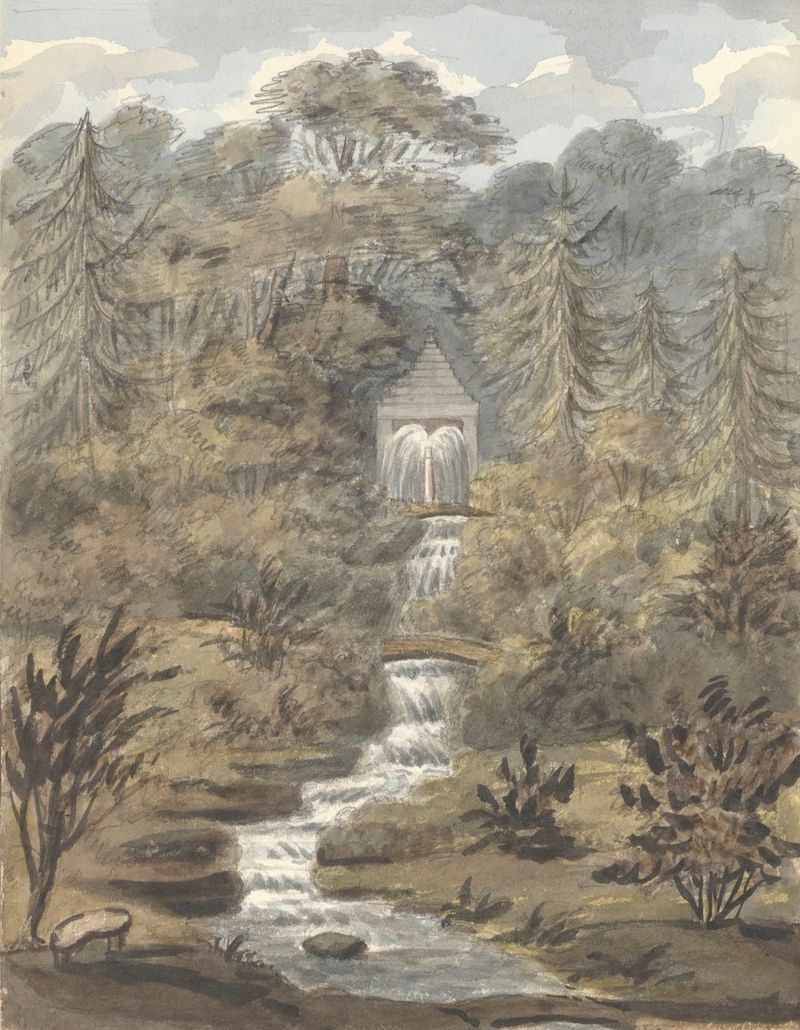
Temple and Falls, Sezincote
Anne Rushout

From Flower Garden, Wanstead Grove
Anne Rushout

From Window at Eastnor Castle, Gloucestershire Beacon, September 28, 1829
Anne Rushout

From Portico at Wanstead Grove, May 24, 1825
Anne Rushout





