
Front of the Joshua Hett Smith House at Haverstraw New York. — History & Facts
When did color learn to lie? In this painting, serenity transforms into an unspoken truth, beckoning viewers to ponder the quiet lives lived within its confines. Focus first on the house’s facade, where muted earth tones evoke a sense of calm. Notice how the gentle brushstrokes create texture, allowing the walls to breathe with history. The play of light across the surface invites you to trace the contours of the windows, their reflections hinting at untold stories just beyond the glass.
As you explore the idyllic surrounding landscape, the soft greens and browns harmonize, reinforcing a tranquil narrative that envelops the viewer. Delving deeper, this work contrasts the stillness of the structure with the implied motion of nature, subtly suggesting the passage of time and the resilience of place. The tall grass sways gently in the wind, while the house stands steadfast, a silent witness to the changing seasons. This juxtaposition encapsulates the emotional weight of nostalgia, where memories of home become intertwined with the landscape's ever-present evolution. William Henry Wallace painted this piece in 1890 in Haverstraw, New York.
During this period, he was deeply influenced by the American Impressionist movement, which sought to capture the essence of a scene rather than its precise details. As urbanization began to reshape the American landscape, works like this one served as a poignant reminder of the tranquility found in simpler settings, reflecting both personal and collective longing for serenity amidst change.
More Artworks by William Henry Wallace
Browse all →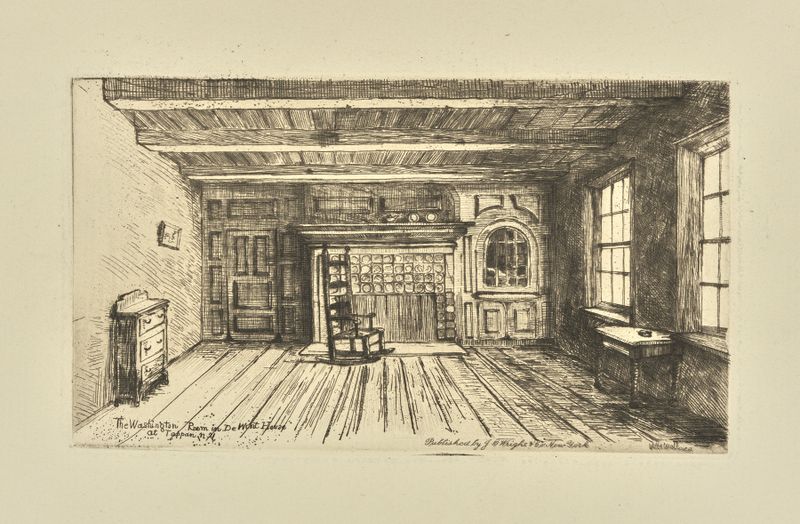
The Washington room in De Wint House at Tappan, N.Y.
William Henry Wallace

The Bevrley Robinson House Garrisons Hudson River.
William Henry Wallace
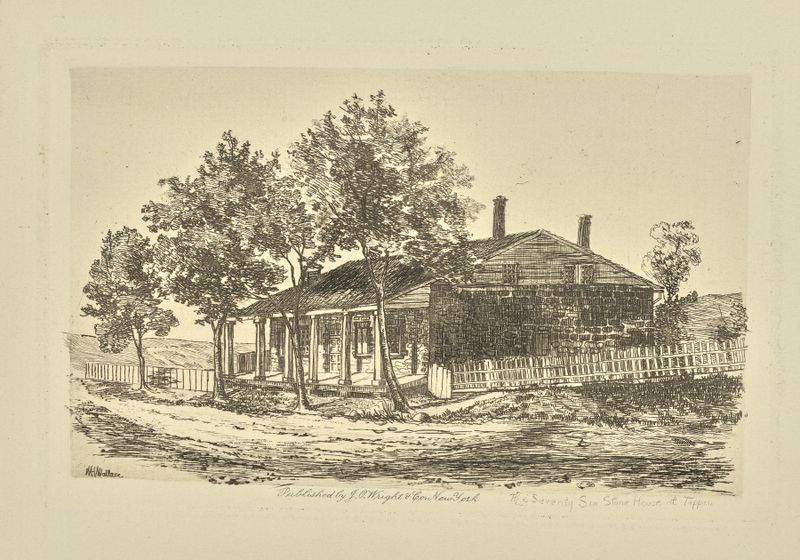
The Seventy Six Stone House at Tappan.
William Henry Wallace
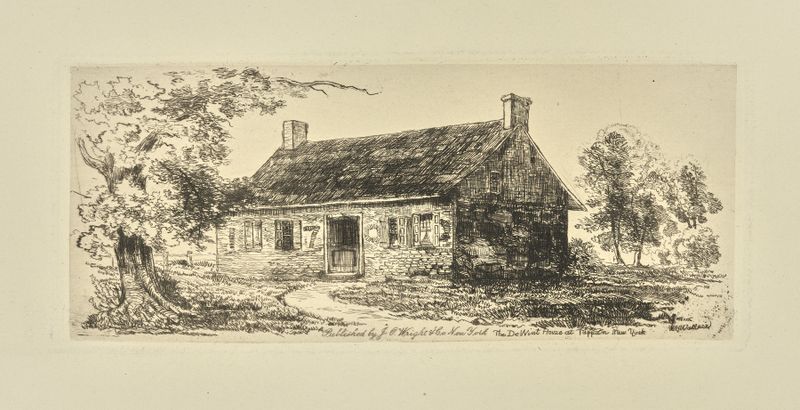
The De Wint House at Tappan, New York.
William Henry Wallace
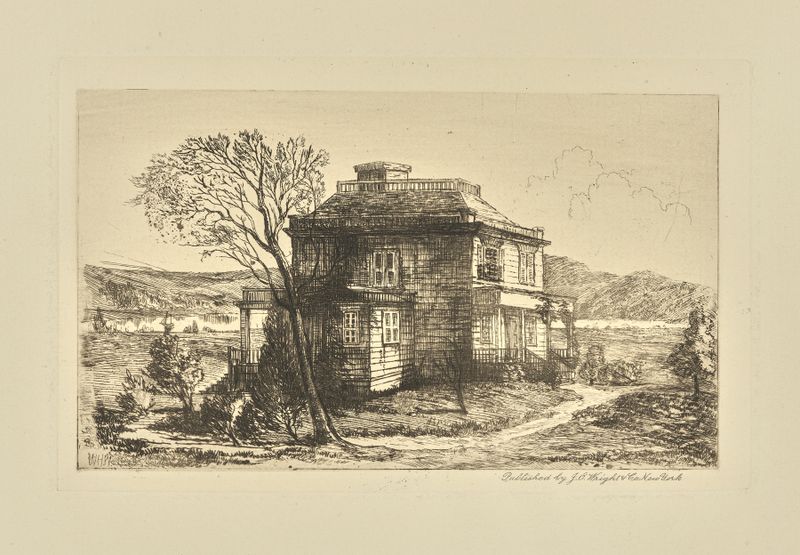
Side view of Joshua Hett Smith House at Haverstraw New York
William Henry Wallace
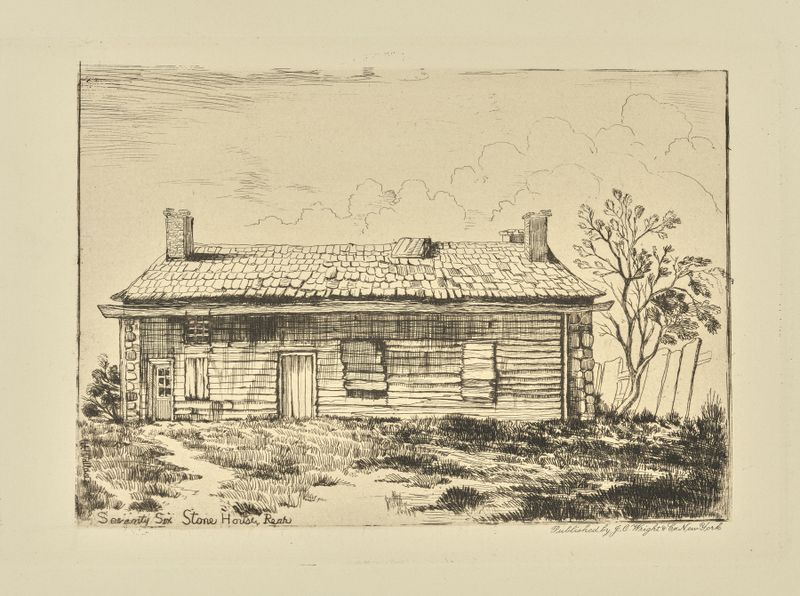
Seventy Six Stone House, rear.
William Henry Wallace
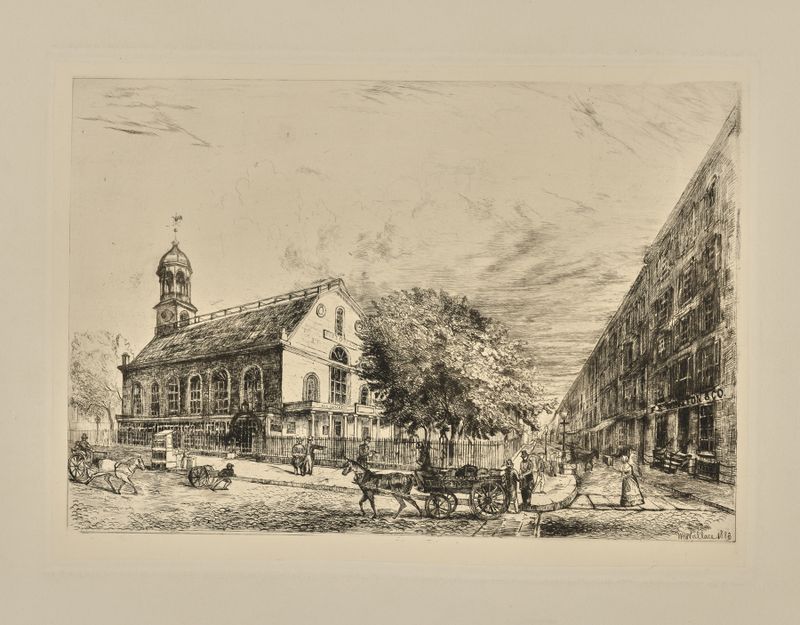
Old Post Office, New York.
William Henry Wallace
More Architecture Art
Browse all →
The statue of Liberty
Frédéric Auguste Bartholdi

View of Houses in Delft, Known as ‘The Little Street’
Johannes Vermeer

View of Houses in Delft, Known as ‘The Little Street’
Johannes Vermeer

The Cathedral in Rouen. The portal, Grey Weather
Claude Monet

The yellow house
Vincent van Gogh

The Church in Auvers-sur-Oise, View from the Chevet
Vincent van Gogh