The Washington room in De Wint House at Tappan, N.Y. — History & Facts
In a world often filled with chaos, serenity becomes a rare treasure, waiting to be uncovered. Look to the center of the canvas, where the soft light bathes the room, revealing a meticulously detailed interior. The gentle hues of the walls echo a sense of calm, while the delicate play of shadows creates a tranquil atmosphere. Notice the subtle variations in texture, from the smoothness of the wooden furniture to the soft drapery, inviting the viewer to step into this peaceful retreat. Yet, beneath the surface calm lies a profound narrative.
The arrangement of objects—a well-worn chair, a book left open—speaks to the passage of time and the quiet moments of reflection. The juxtaposition of light and shadow suggests an internal struggle, where the stillness of the room contrasts with the inevitable march of life outside its walls. Each detail, from the carefully placed artifacts to the muted palette, paints a story of solitude and contemplation. In 1890, when this work was completed, Wallace was immersed in the American art scene, grappling with the traditions of realism while seeking his own voice.
The period was marked by a growing interest in capturing everyday life and domestic spaces, reflecting a shift towards a more personal expression. This painting stands as a testament to his ability to distill the essence of tranquility amidst a rapidly changing world.
More Artworks by William Henry Wallace
Browse all →
The Bevrley Robinson House Garrisons Hudson River.
William Henry Wallace
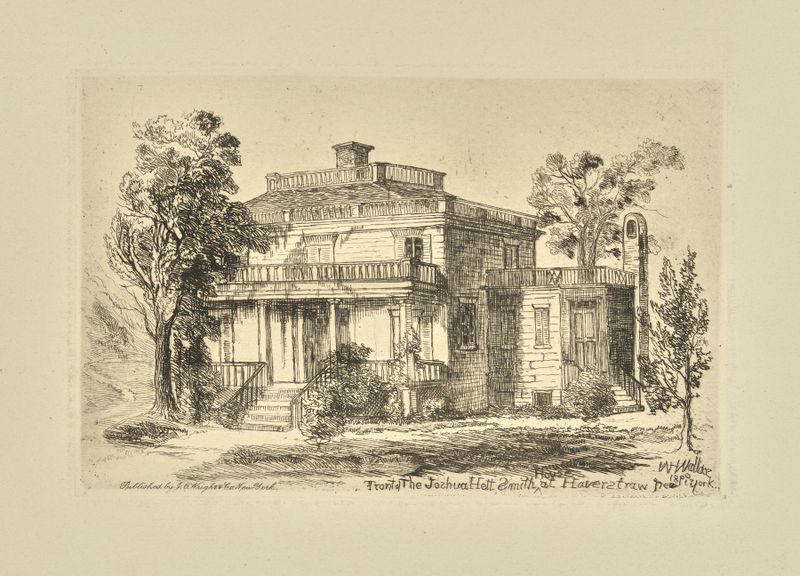
Front of the Joshua Hett Smith House at Haverstraw New York.
William Henry Wallace
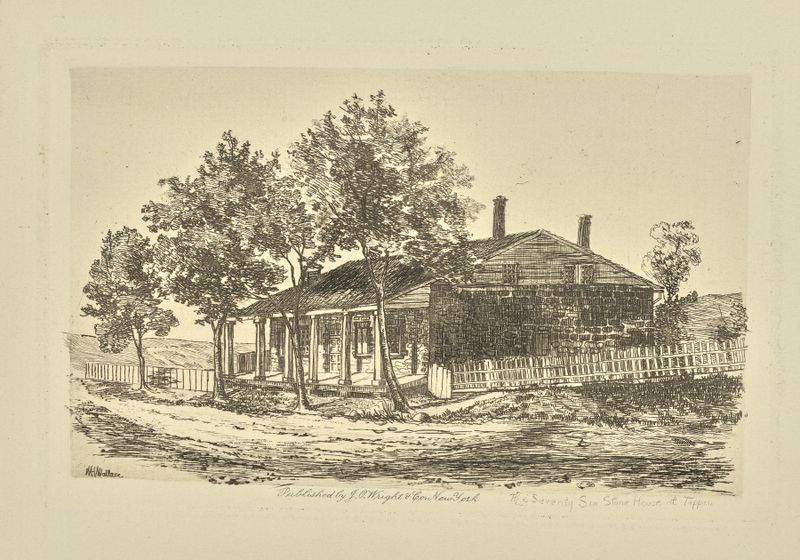
The Seventy Six Stone House at Tappan.
William Henry Wallace
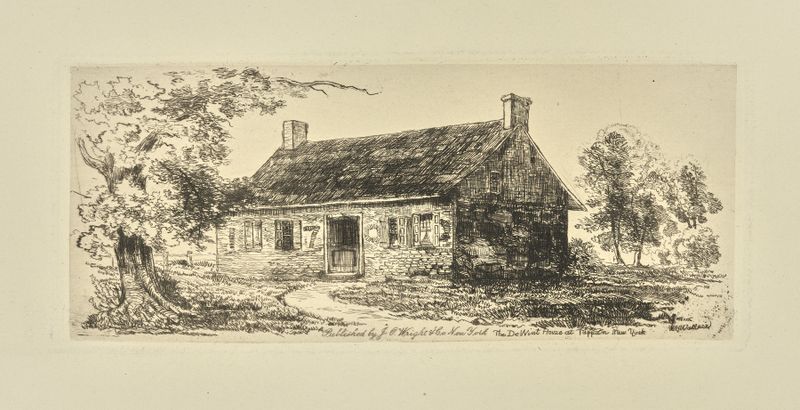
The De Wint House at Tappan, New York.
William Henry Wallace
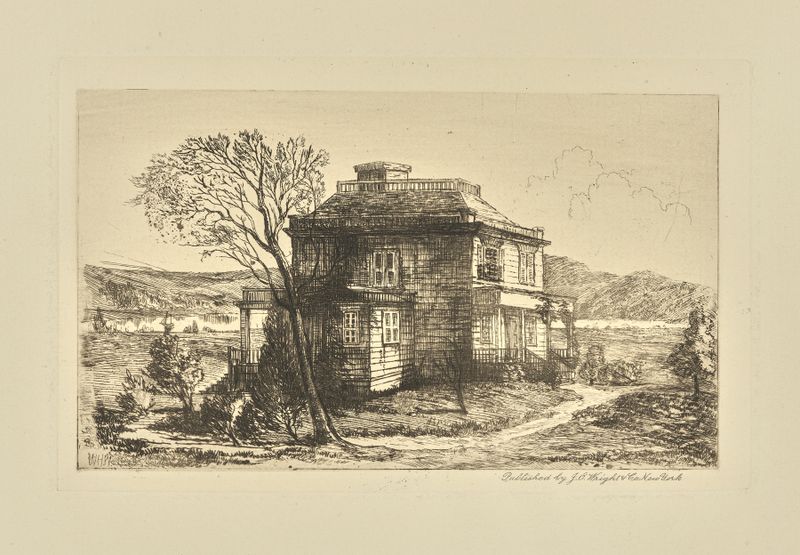
Side view of Joshua Hett Smith House at Haverstraw New York
William Henry Wallace
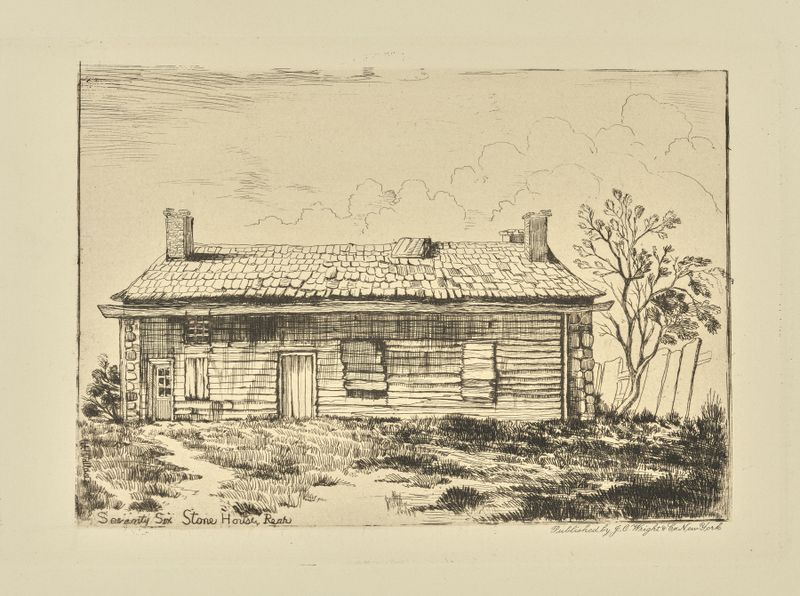
Seventy Six Stone House, rear.
William Henry Wallace
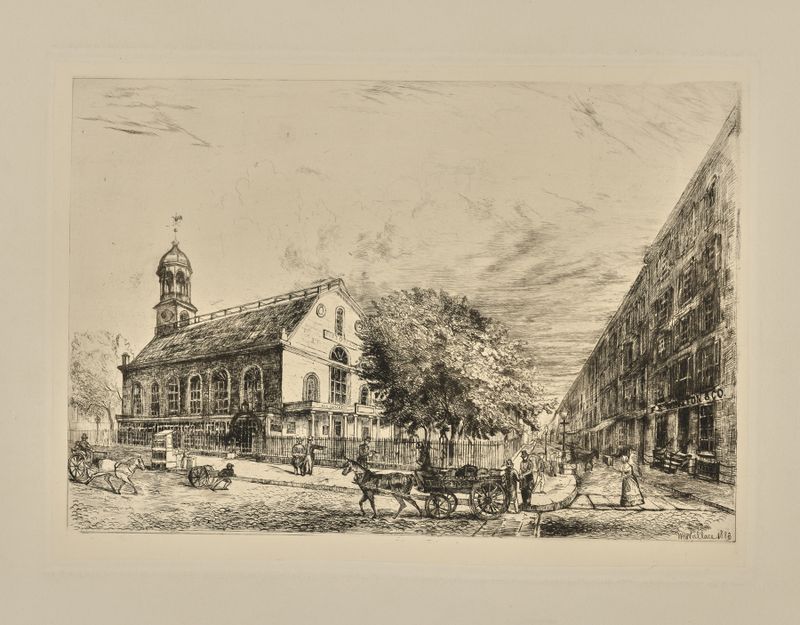
Old Post Office, New York.
William Henry Wallace