
The Seventy Six Stone House at Tappan. — History & Facts
Did the painter know this moment would outlive them? In The Seventy Six Stone House at Tappan, light dances across the facade of a historic structure, capturing both the passage of time and the embrace of nature. Look to the left at the sharp contrast between the rich, earthy tones of the stone and the soft greens of the surrounding foliage. Observe how the light gently illuminates the textures of the weather-worn walls, revealing layers of history embedded in each stone. The artist’s meticulous brushwork creates a palpable sense of place, inviting viewers to step closer and absorb the quiet dignity of the home. Yet, there’s a deeper resonance within the work.
The interplay of light and shadow seems to whisper of lives lived within those walls, evoking nostalgia for a past both personal and collective. The delicate play of sunlight filtering through trees suggests a fleeting beauty, highlighting the ephemeral nature of existence. This moment, so carefully preserved, contrasts the inevitable decay that looms over all structures, hinting at the transient connection between humans and their environment. William Henry Wallace painted this piece in 1890, at a time when the American art scene was becoming increasingly defined by a blend of realism and impressionism.
Living in Tappan, New York, Wallace was deeply influenced by his surroundings, capturing local landmarks with a fresh perspective. This period in art was marked by a burgeoning appreciation for the beauty of everyday life, reflecting broader societal changes and cultural narratives of the time.
More Artworks by William Henry Wallace
Browse all →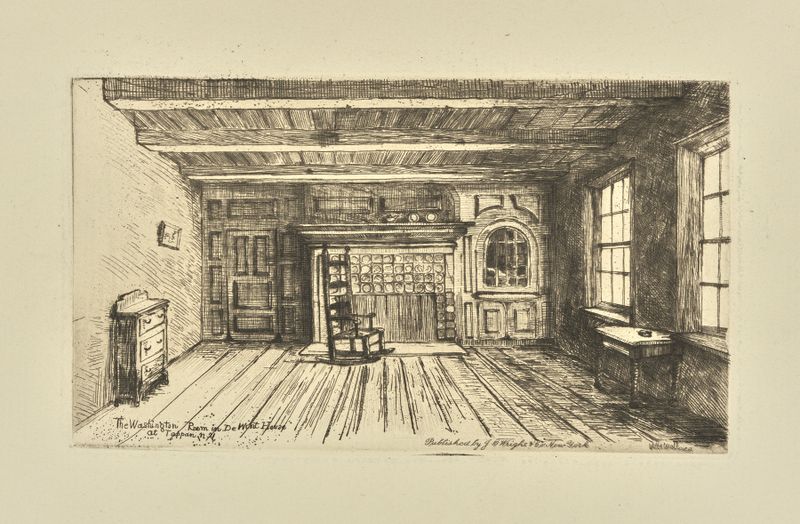
The Washington room in De Wint House at Tappan, N.Y.
William Henry Wallace

The Bevrley Robinson House Garrisons Hudson River.
William Henry Wallace
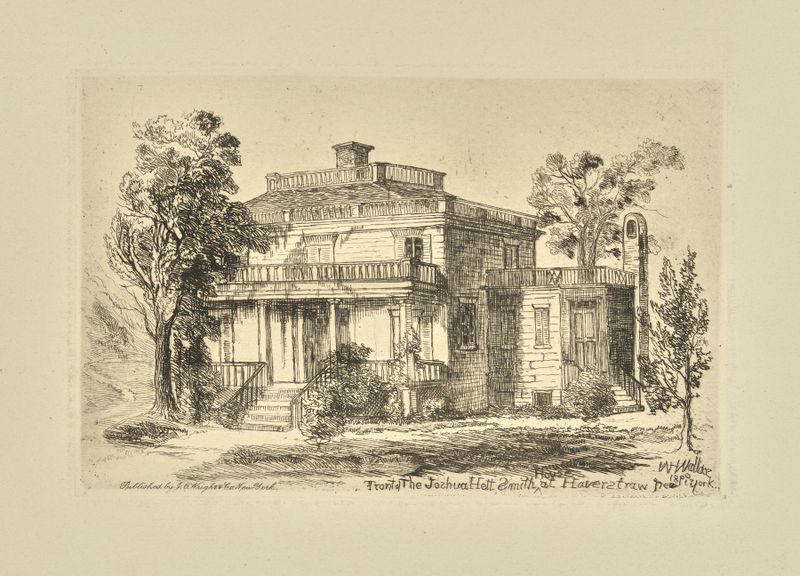
Front of the Joshua Hett Smith House at Haverstraw New York.
William Henry Wallace
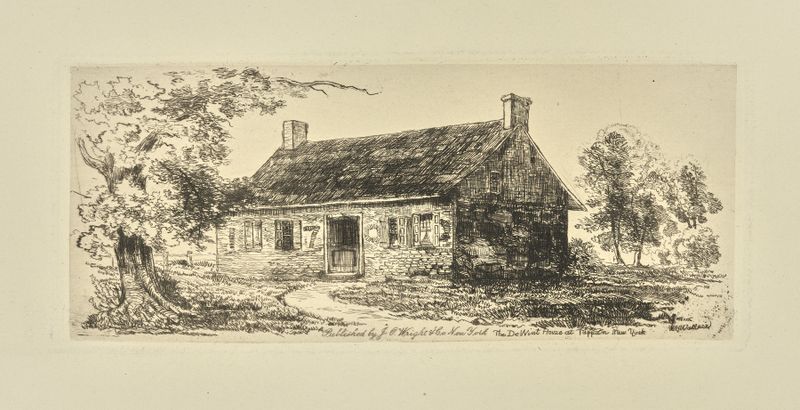
The De Wint House at Tappan, New York.
William Henry Wallace
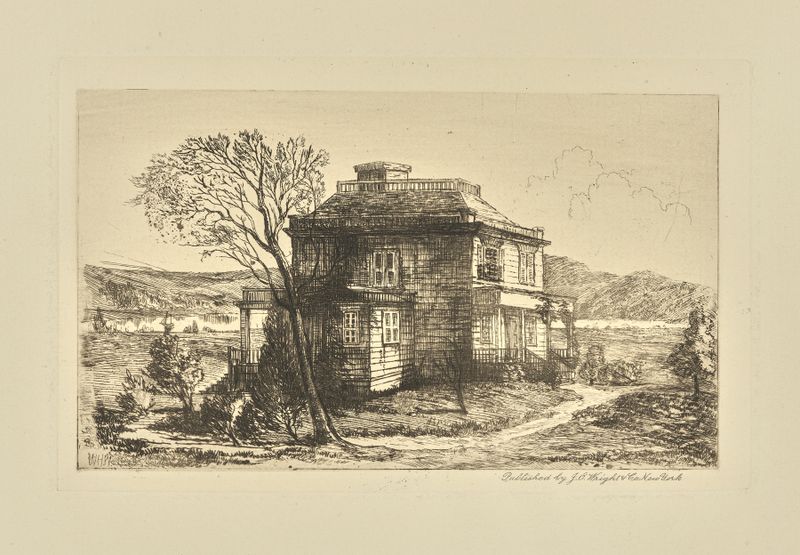
Side view of Joshua Hett Smith House at Haverstraw New York
William Henry Wallace
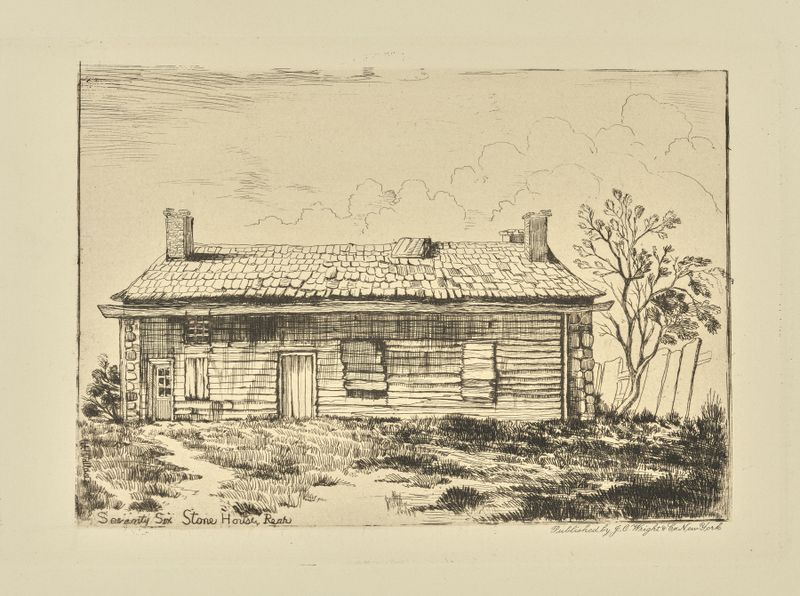
Seventy Six Stone House, rear.
William Henry Wallace
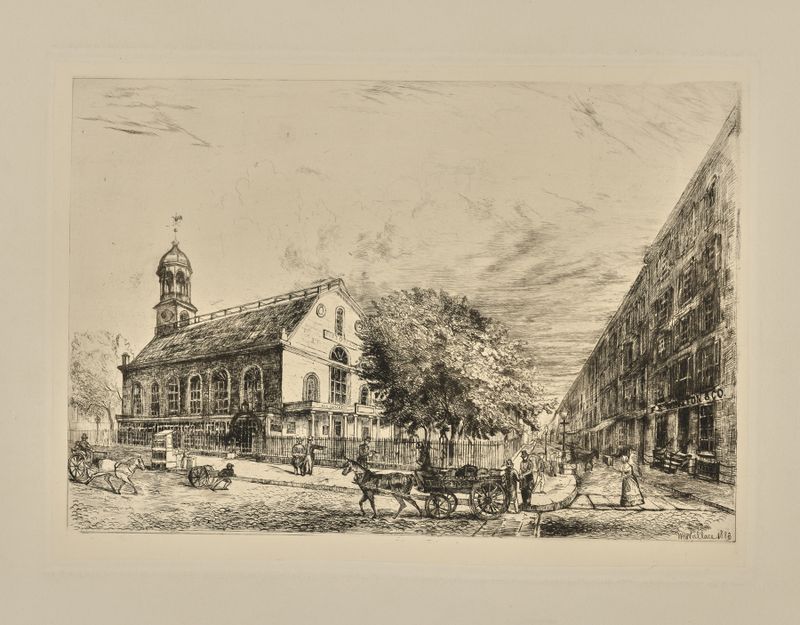
Old Post Office, New York.
William Henry Wallace
More Architecture Art
Browse all →
The statue of Liberty
Frédéric Auguste Bartholdi

View of Houses in Delft, Known as ‘The Little Street’
Johannes Vermeer

View of Houses in Delft, Known as ‘The Little Street’
Johannes Vermeer

The Cathedral in Rouen. The portal, Grey Weather
Claude Monet

The yellow house
Vincent van Gogh

The Church in Auvers-sur-Oise, View from the Chevet
Vincent van Gogh