
The De Wint House at Tappan, New York. — History & Facts
What secret hides in the quiet of the canvas? In the stillness of The De Wint House at Tappan, New York, an unspoken faith weaves through the shadows and light, inviting contemplation in every brushstroke. Look to the left at the sturdy, unadorned structure of the De Wint House, its weathered facade telling stories of resilience. The soft light bathes the scene in a golden hue, highlighting the gentle curve of the pathway leading to the front door. Notice how the trees, their branches reaching outward, frame the house, creating a protective embrace.
The muted greens and browns of the landscape evoke a sense of calm, while the soft contrast between sun and shade captures the essence of a tranquil afternoon. Beneath this serene exterior lies a rich tapestry of emotional tension. The isolation of the house speaks to the human experience of solitude, while the surrounding nature represents both shelter and the passage of time. Each element — the dappled light, the carefully rendered foliage — serves as a testament to the faith placed in the permanence of home against the inevitable changes of life.
This delicate balance between stability and transience resonates deeply, inviting viewers to reflect on their own connections to place. In 1890, while crafting this piece, the artist found himself in a transitional period, navigating both personal and professional challenges. Working in a post-Civil War America that was redefining its identity, he sought solace in the landscape and architecture of his surroundings. The era was marked by an increasing appreciation for American artistry, and this painting stands as a quiet yet powerful affirmation of home and heritage in a changing world.
More Artworks by William Henry Wallace
Browse all →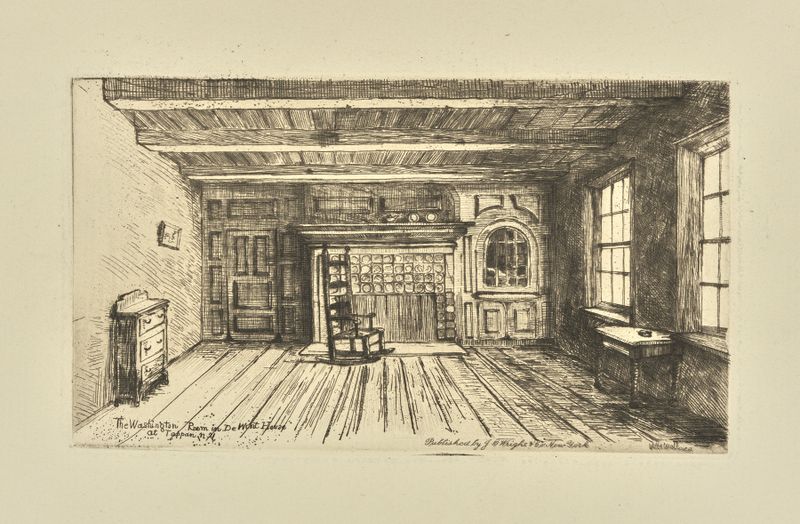
The Washington room in De Wint House at Tappan, N.Y.
William Henry Wallace

The Bevrley Robinson House Garrisons Hudson River.
William Henry Wallace
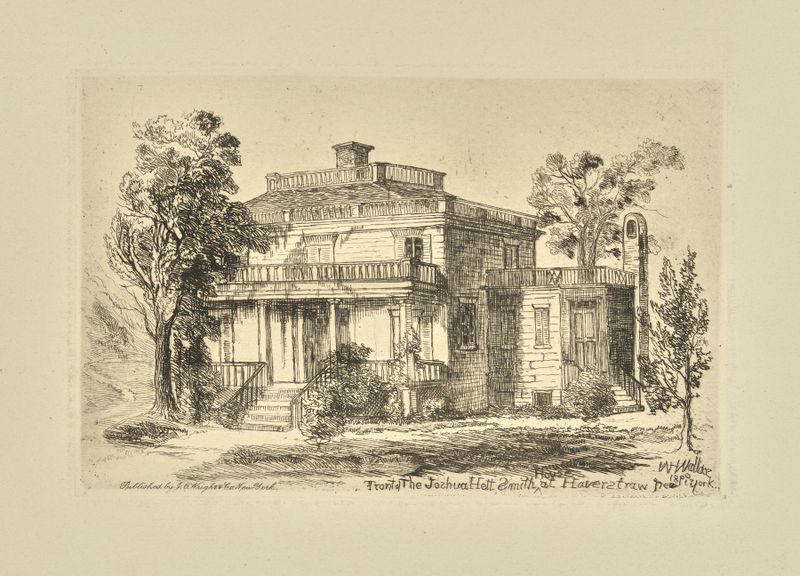
Front of the Joshua Hett Smith House at Haverstraw New York.
William Henry Wallace
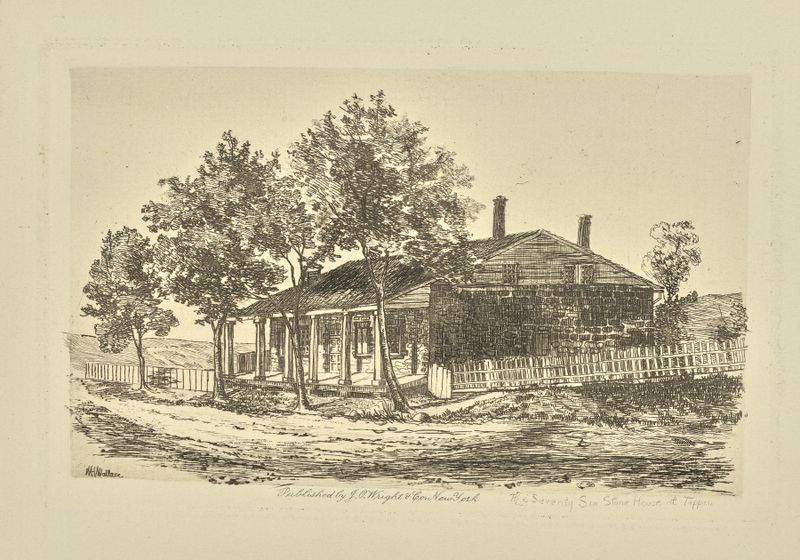
The Seventy Six Stone House at Tappan.
William Henry Wallace
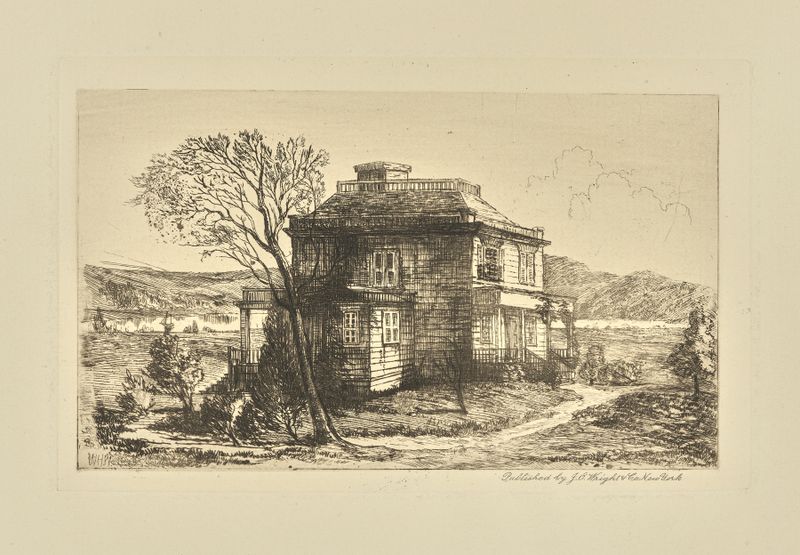
Side view of Joshua Hett Smith House at Haverstraw New York
William Henry Wallace
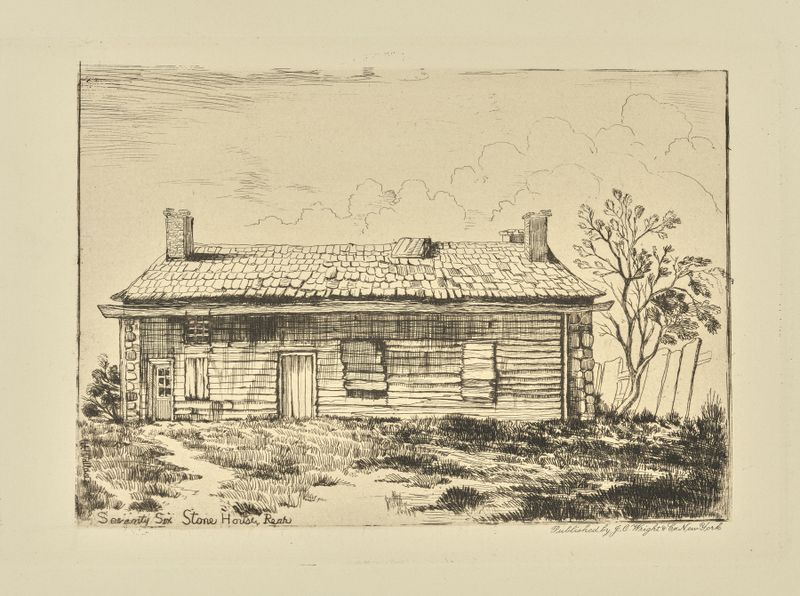
Seventy Six Stone House, rear.
William Henry Wallace
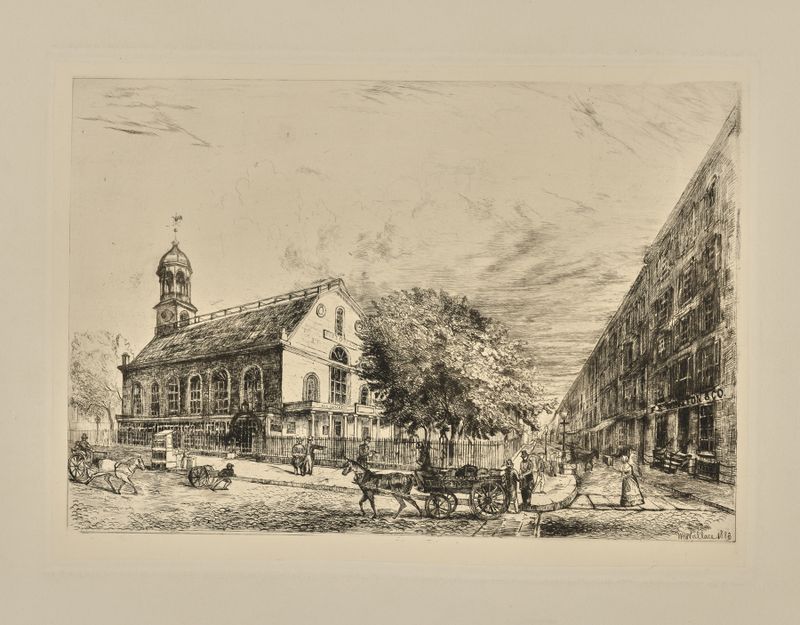
Old Post Office, New York.
William Henry Wallace
More Architecture Art
Browse all →
The statue of Liberty
Frédéric Auguste Bartholdi

View of Houses in Delft, Known as ‘The Little Street’
Johannes Vermeer

View of Houses in Delft, Known as ‘The Little Street’
Johannes Vermeer

The Cathedral in Rouen. The portal, Grey Weather
Claude Monet

The yellow house
Vincent van Gogh

The Church in Auvers-sur-Oise, View from the Chevet
Vincent van Gogh