Früchtestilleben — History & Facts
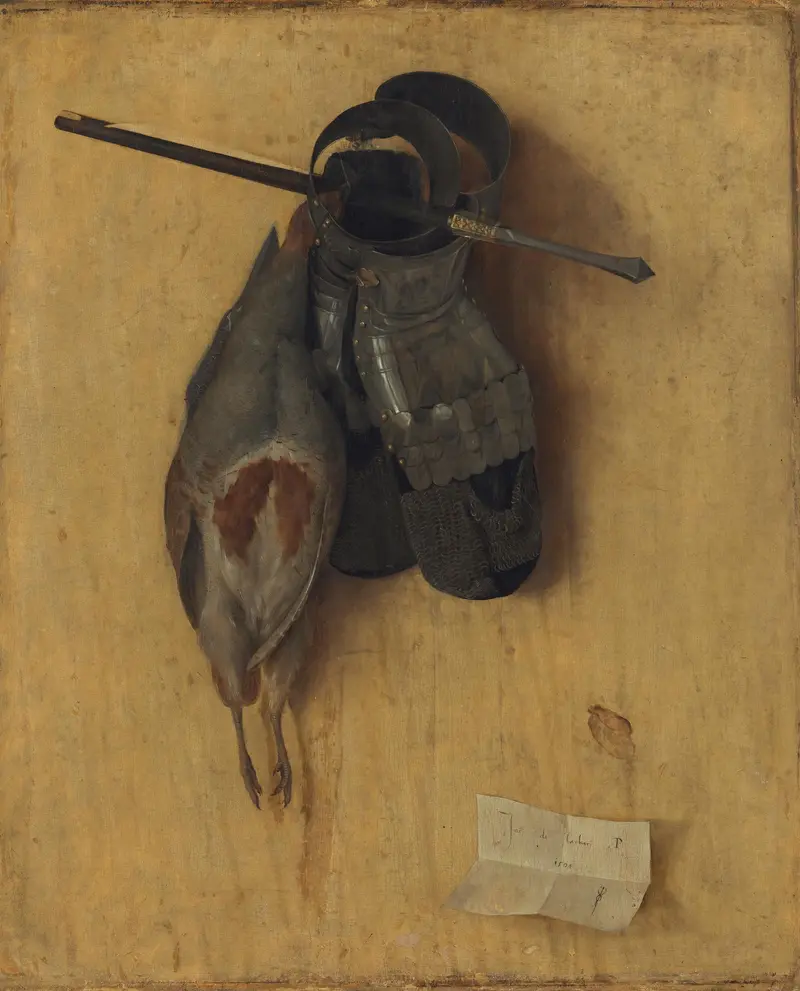
In Früchtestilleben, Max Slevogt presents a vibrant arrangement of fruits and flowers. The colors are rich and varied, with deep reds, bright yellows, and lush greens dominating the composition. The setting is simple yet elegant, allowing the viewer to focus on the details of the fruits and the textures of the petals.
The overall effect is one of abundance and freshness, capturing the essence of a bountiful harvest. The painting is executed in oil on canvas, showcasing Slevogt's skill in handling color and light. The brushwork is loose and expressive, typical of the Impressionism style, which allows for a sense of movement within the still life. The dimensions are approximately 80 x 100 cm, making it a substantial piece that draws the viewer in.
The contrast between the smooth surfaces of the fruits and the delicate petals of the flowers adds depth to the work. Max Slevogt was a prominent figure in the German Impressionist movement, known for his vibrant use of color and light. This particular work, created around 1900, reflects his interest in capturing the beauty of everyday objects. An interesting fact about Früchtestilleben is that it exemplifies Slevogt's ability to blend realism with impressionistic techniques, creating a unique visual experience.
His works are celebrated for their emotional resonance and technical prowess.
More Artworks by Max Slevogt

Fräulein Eva Steinbarth
Max Slevogt
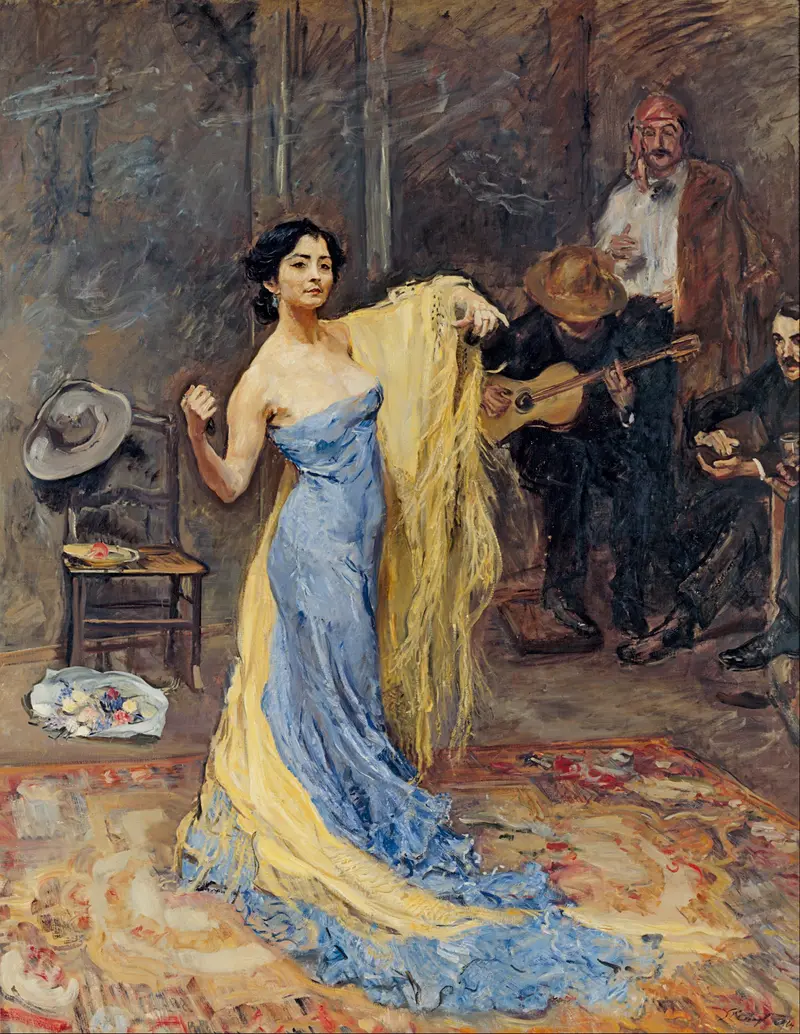
Portrait of the Dancer Marietta di Rigardo
Max Slevogt
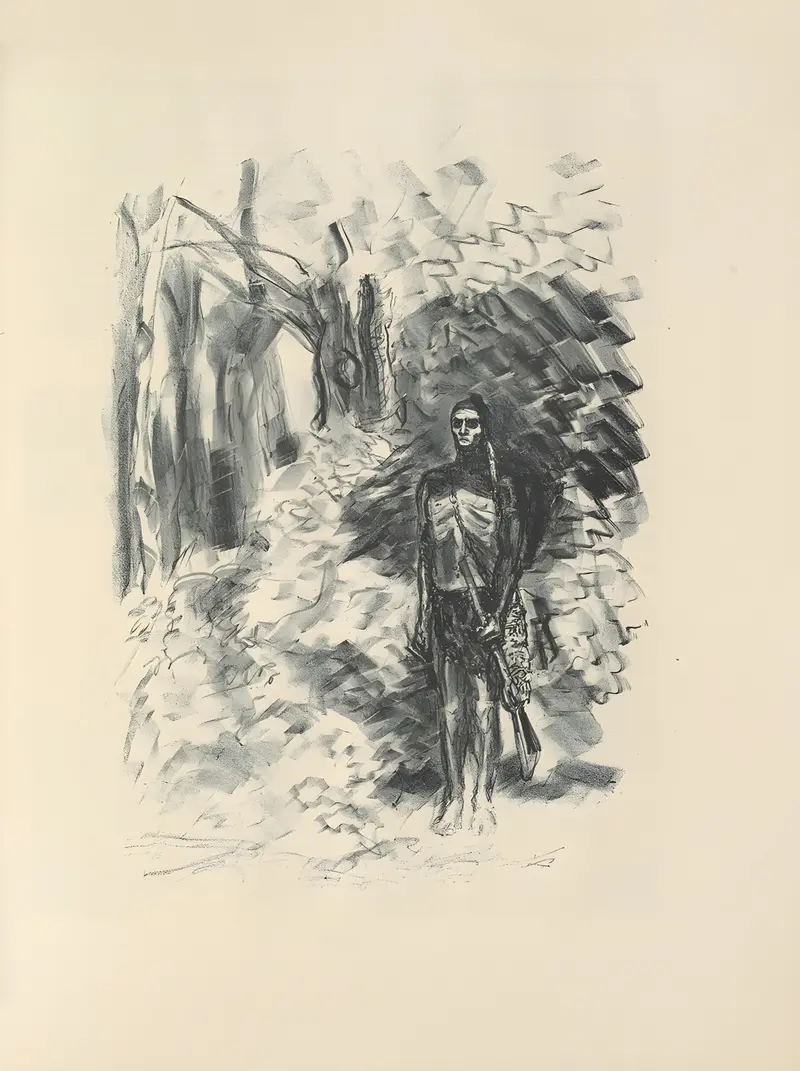
Lederstumpf-Erzählungen Pl.14
Max Slevogt

Lederstumpf-Erzählungen Pl.35
Max Slevogt
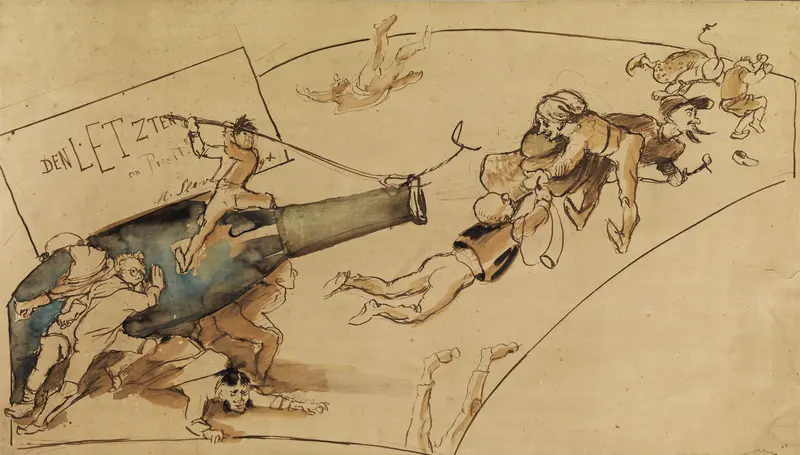
Den letzten ein Prosit
Max Slevogt
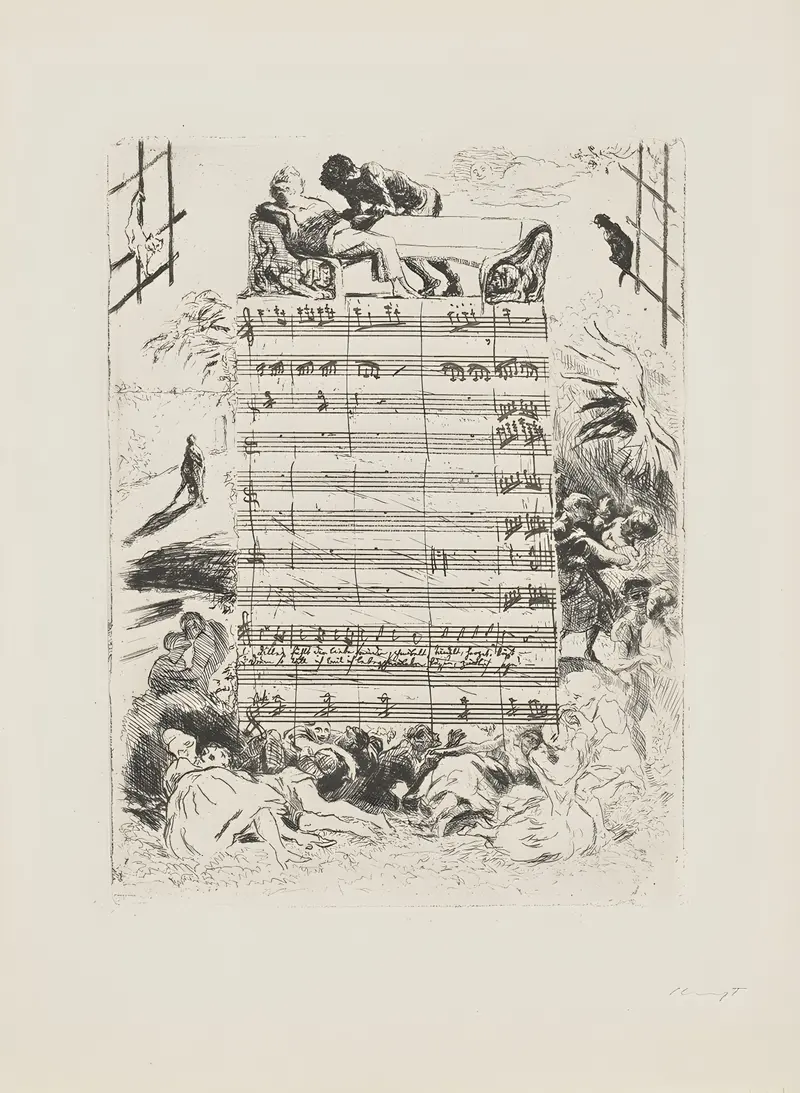
Alles fühlt der Liebe Freuden
Max Slevogt

Lederstumpf-Erzählungen Pl.48
Max Slevogt
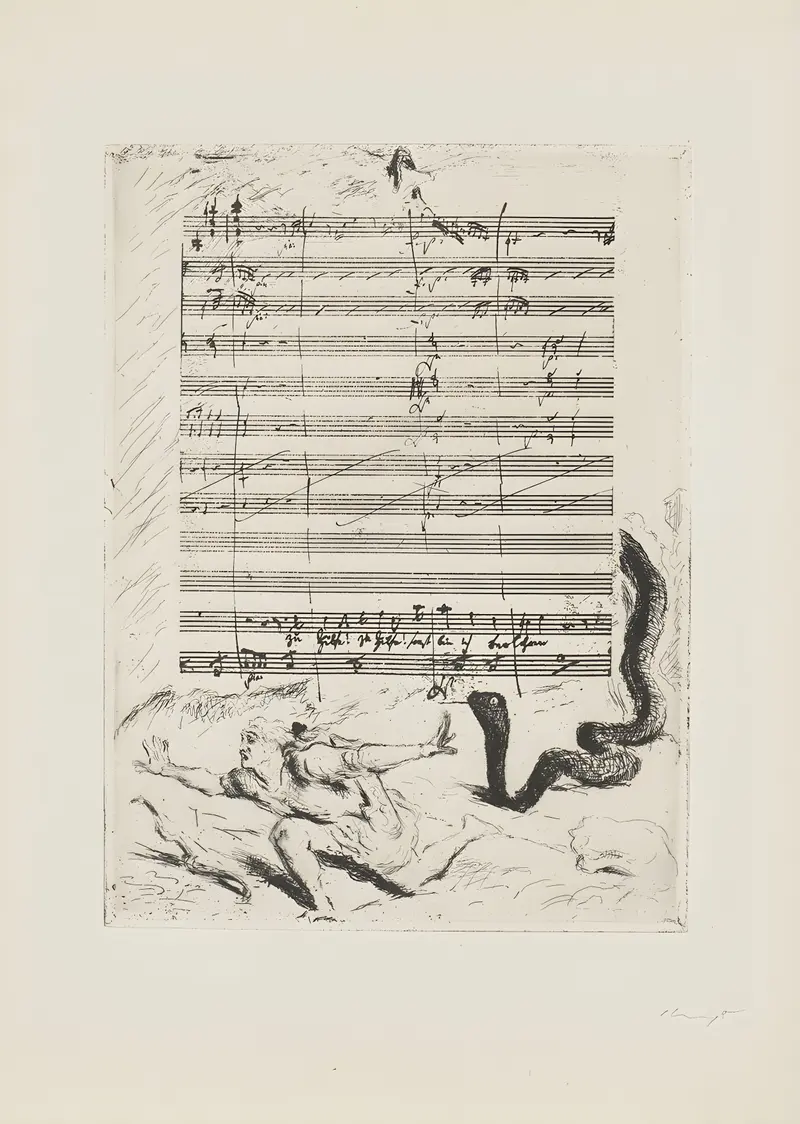
Zu Hülfe, zu Hülfe!
Max Slevogt
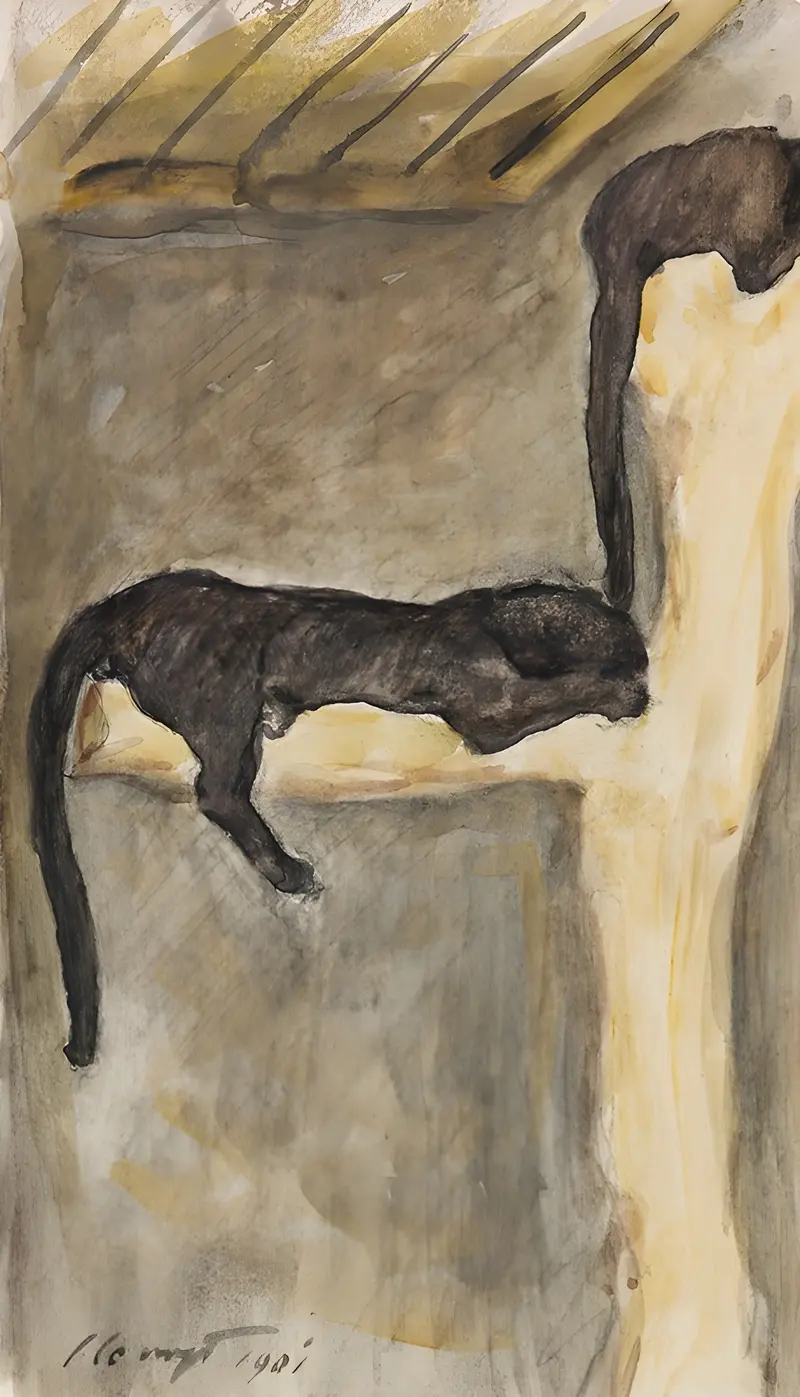
Pantherpaar im Frankfurter Zoo
Max Slevogt
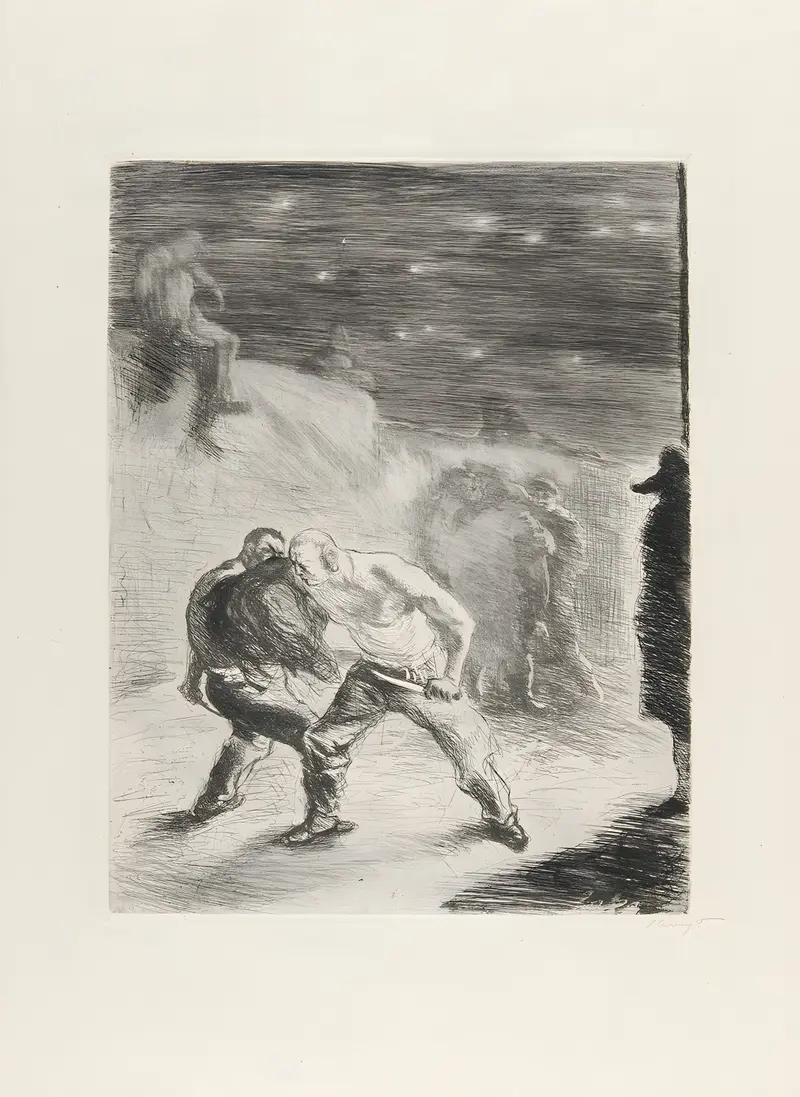
The Duel
Max Slevogt