
Den letzten ein Prosit — History & Facts
In Den letzten ein Prosit, Max Slevogt presents a lively gathering of figures, likely celebrating. The colors are vibrant, with warm tones dominating the scene. The figures are engaged in conversation and laughter, creating a sense of joy and camaraderie.
The setting suggests a festive atmosphere, possibly a tavern or outdoor celebration. The painting is executed in oil on canvas, showcasing Slevogt's skill in capturing light and movement. The brushwork is loose and expressive, typical of the Impressionist style. Viewers can observe the dynamic interplay of colors and the way they blend together to create a lively scene.
The composition draws the eye across the canvas, inviting viewers to join the celebration. Max Slevogt was a prominent figure in the German Impressionist movement, known for his vibrant depictions of social life. Den letzten ein Prosit reflects his interest in capturing the essence of human interaction. An interesting fact about this work is that it embodies the spirit of camaraderie and festivity, which was a common theme in Slevogt's oeuvre.
This painting exemplifies his ability to convey emotion through lively scenes.
More Artworks by Max Slevogt

Fräulein Eva Steinbarth
Max Slevogt
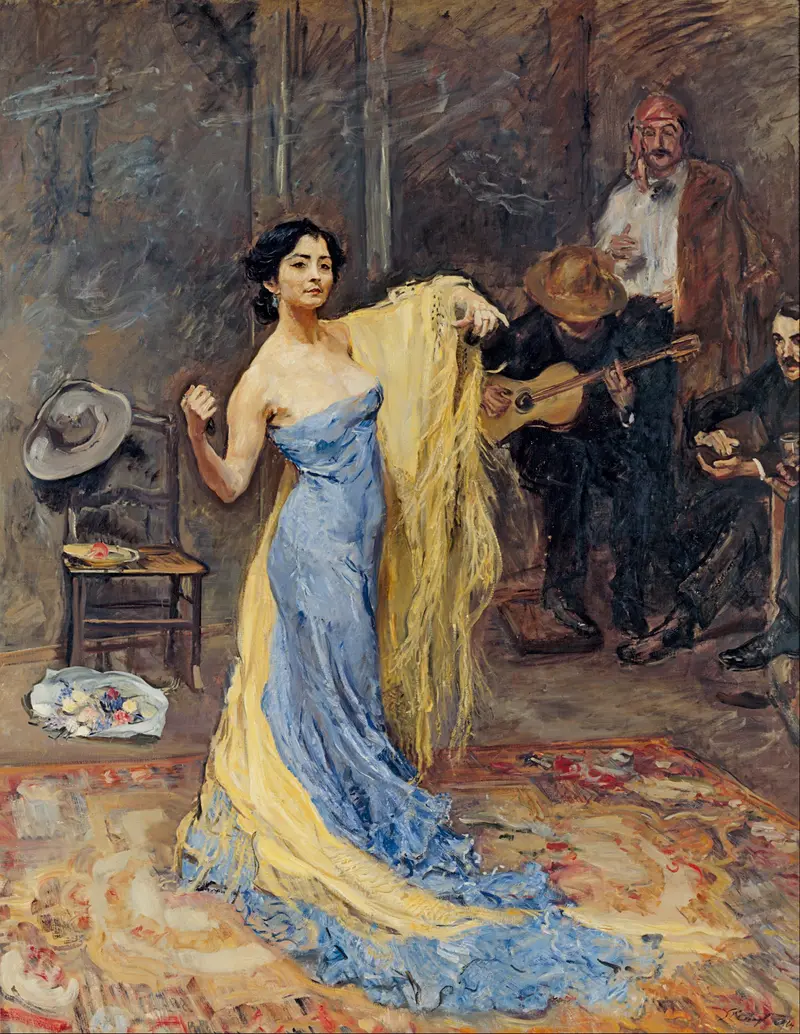
Portrait of the Dancer Marietta di Rigardo
Max Slevogt
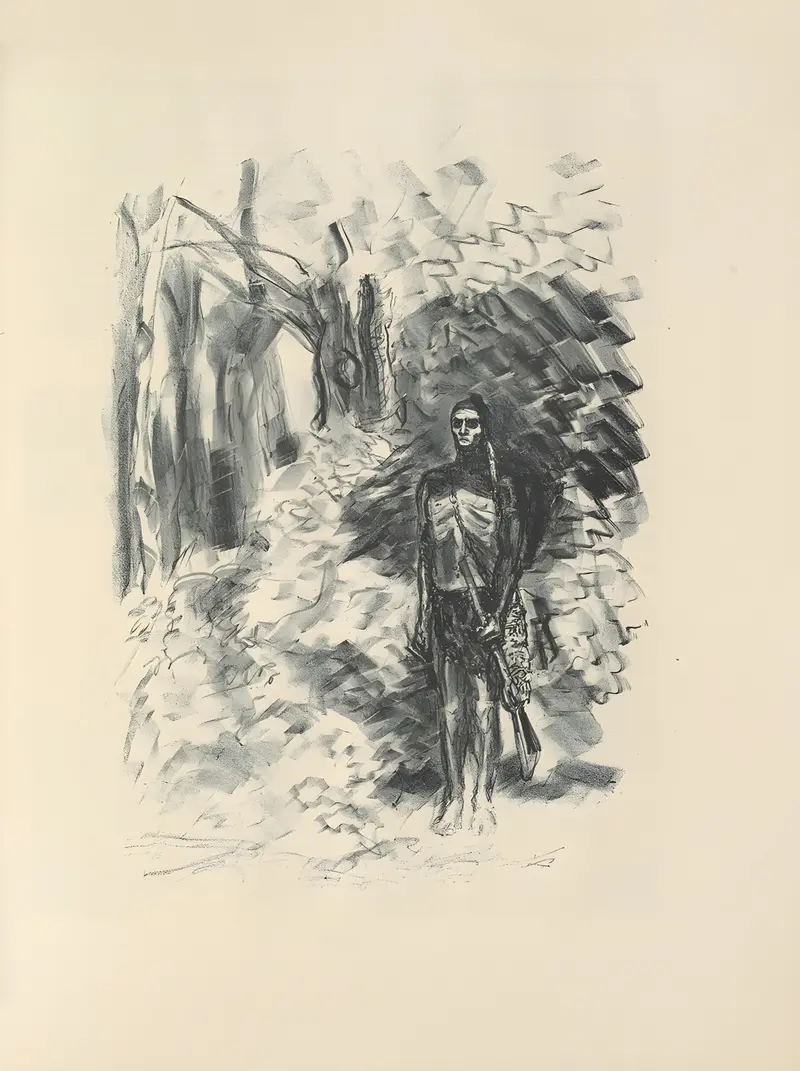
Lederstumpf-Erzählungen Pl.14
Max Slevogt

Lederstumpf-Erzählungen Pl.35
Max Slevogt
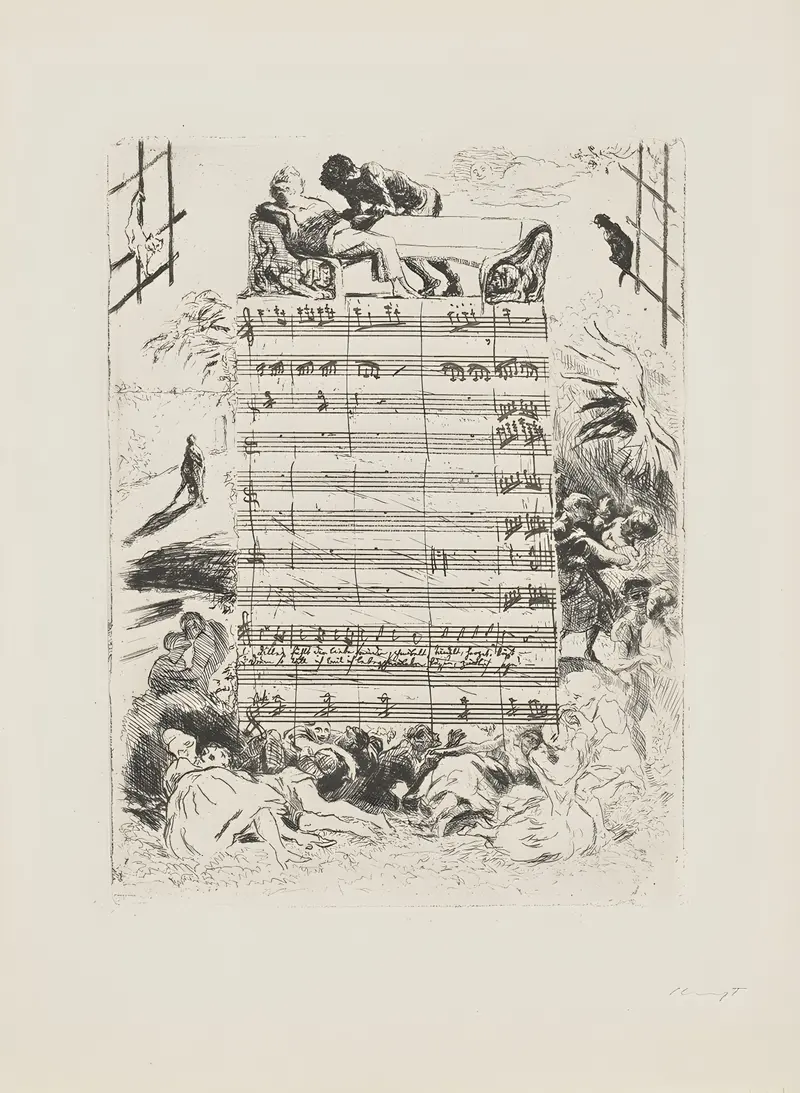
Alles fühlt der Liebe Freuden
Max Slevogt

Lederstumpf-Erzählungen Pl.48
Max Slevogt
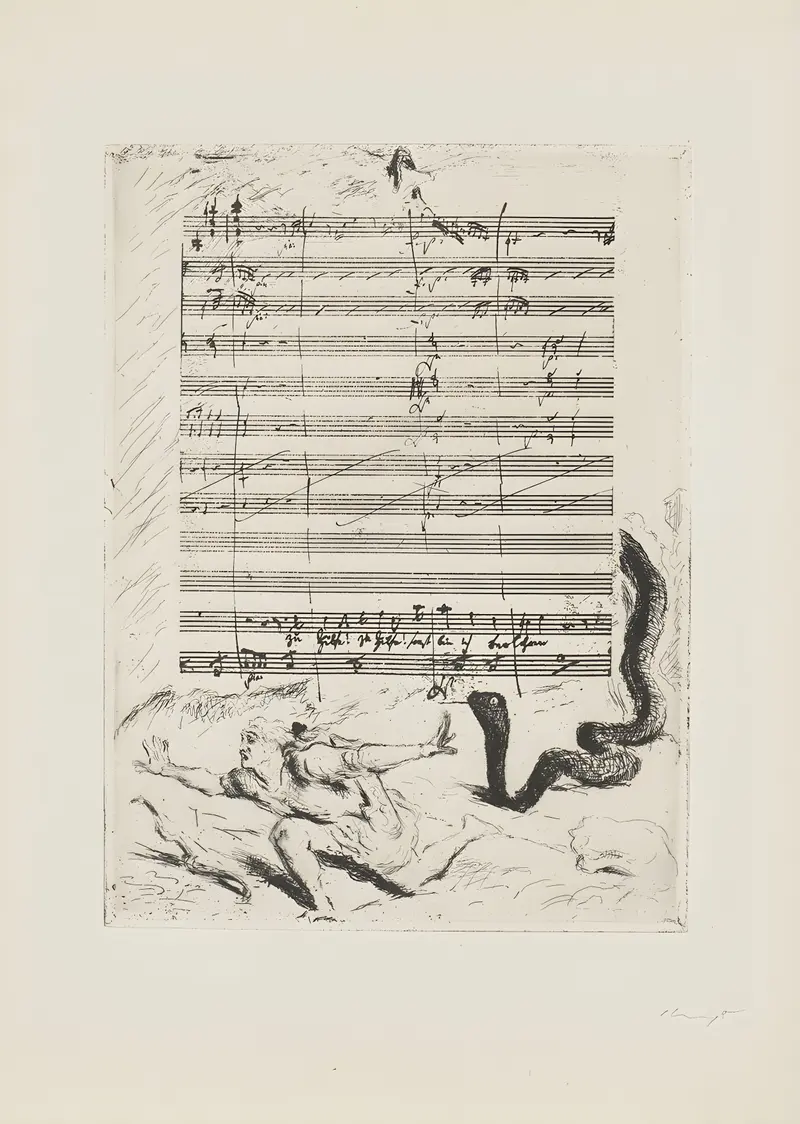
Zu Hülfe, zu Hülfe!
Max Slevogt
Pantherpaar im Frankfurter Zoo
Max Slevogt
The Duel
Max Slevogt
Hektors Flucht
Max Slevogt
More Genre Scene Art

Banquet of the Officers of the St George Civic Guard
Frans Hals

Rembrandt and Saskia in the Scene of the Prodigal Son
Rembrandt van Rijn

Bal du moulin de la Galette
Pierre-Auguste Renoir

Quadrille at the Moulin Rouge
Henri de Toulouse-Lautrec

A Burial at Ornans
Gustave Courbet

When Will You Marry?
Paul Gauguin