Fungi and Bats — History & Facts
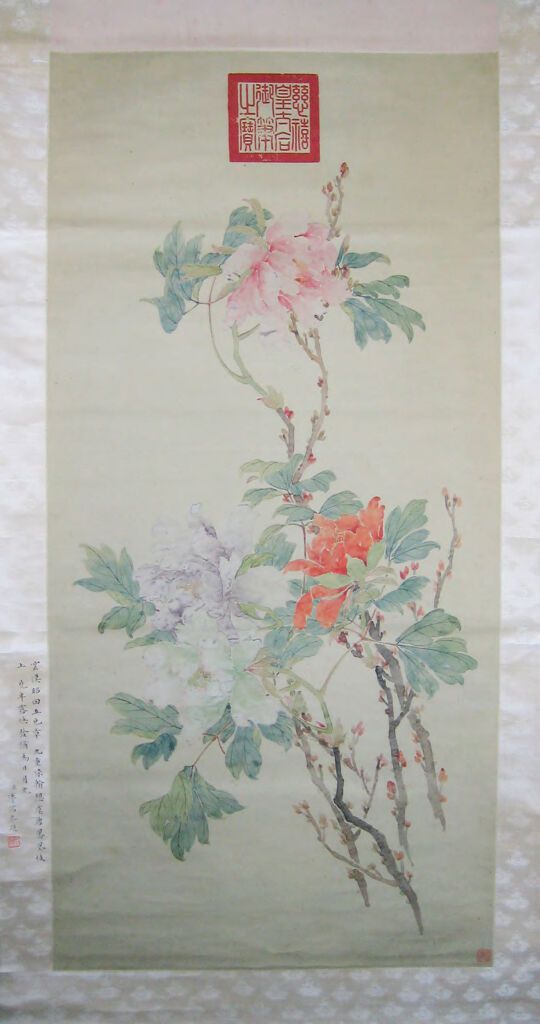
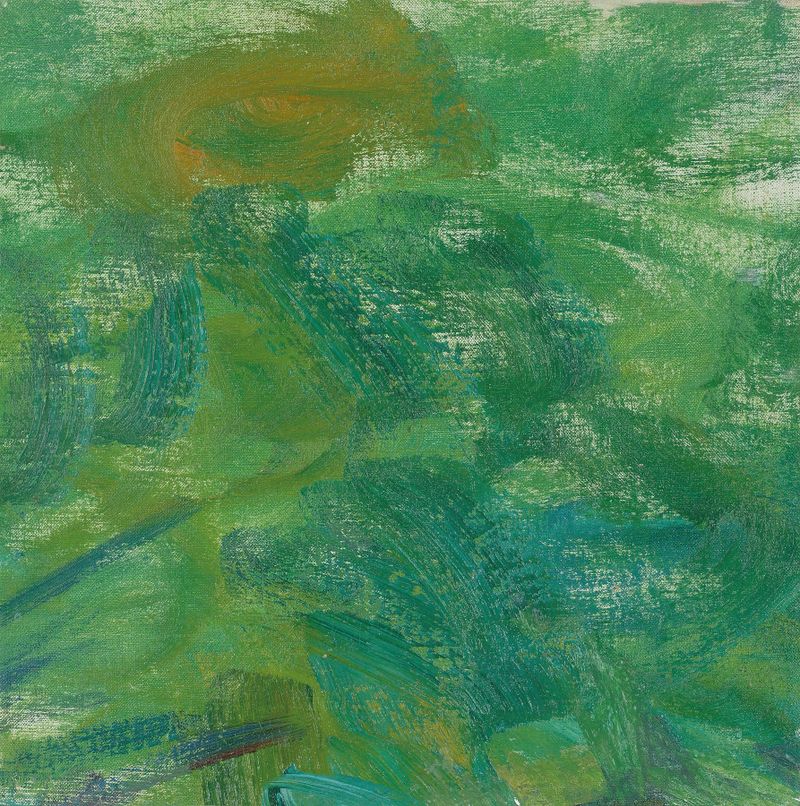
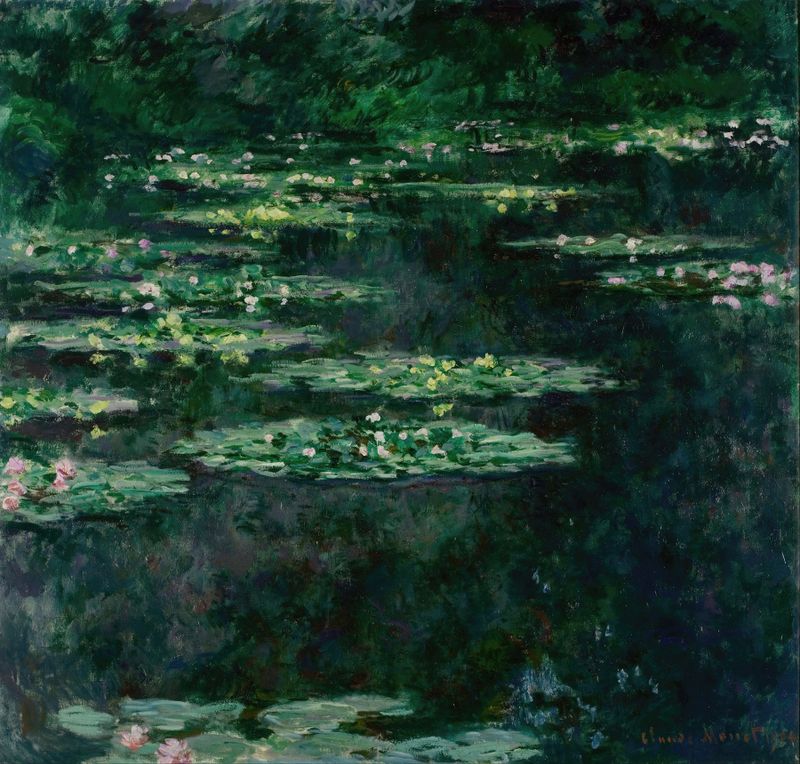
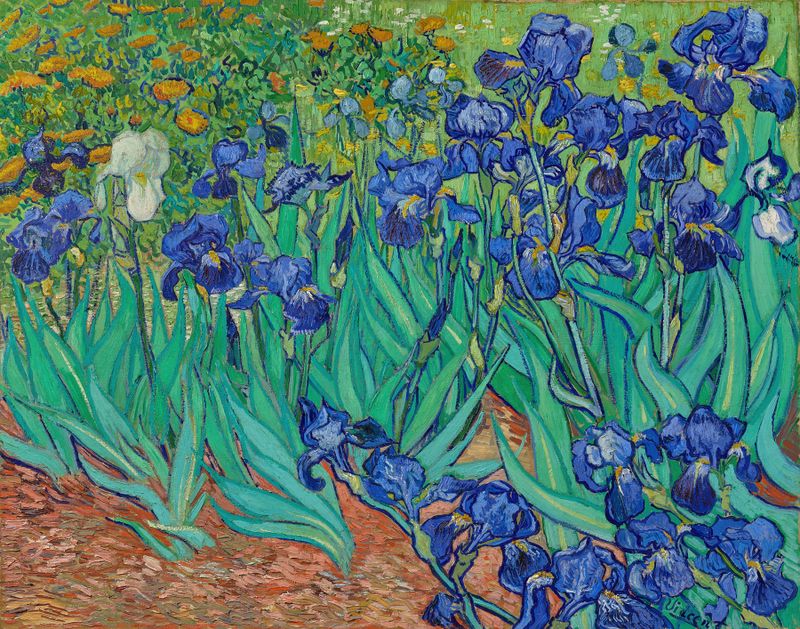
In a world laden with chaos, serenity emerges as a profound elegy. The delicate balance between vibrancy and tranquility invites us to explore deeper realms of emotion and understanding. Look to the center of the canvas, where a cluster of mushrooms unfurls, their soft hues of ochre and green inviting the eye. Notice how the gentle brushstrokes create a whisper of texture, contrasting with the dark silhouette of bats that linger at the edges.
The background, a muted wash of earthy tones, serves as a canvas for the intricate details that breathe life into the fungi, drawing attention to their organic forms. The interplay of light and shadow casts an ethereal glow on the mushrooms, suggesting a hidden world teeming with wonder. The juxtaposition of the vibrant fungi against the somber bats elicits a sense of duality—growth and decay, life and death. Each mushroom, with its unique shape, embodies resilience, while the bats evoke a more somber, nocturnal presence.
This tension reflects the artist’s inner landscape, harmonizing the vibrancy of nature with the subtle undercurrents of mortality. It is a reminder that beauty often coexists with darkness, and serenity can be found even in the most unlikely of places. In 1898, the artist created this piece during a tumultuous period of her life and China’s history. As the Empress Dowager, she was navigating the complexities of a changing nation, caught between tradition and the encroaching modern world.
This artwork encapsulates her unique vision, merging her personal struggle with the broader cultural shifts occurring in art and society at that time.