
Furta klasztoru w Wigrach — History & Facts
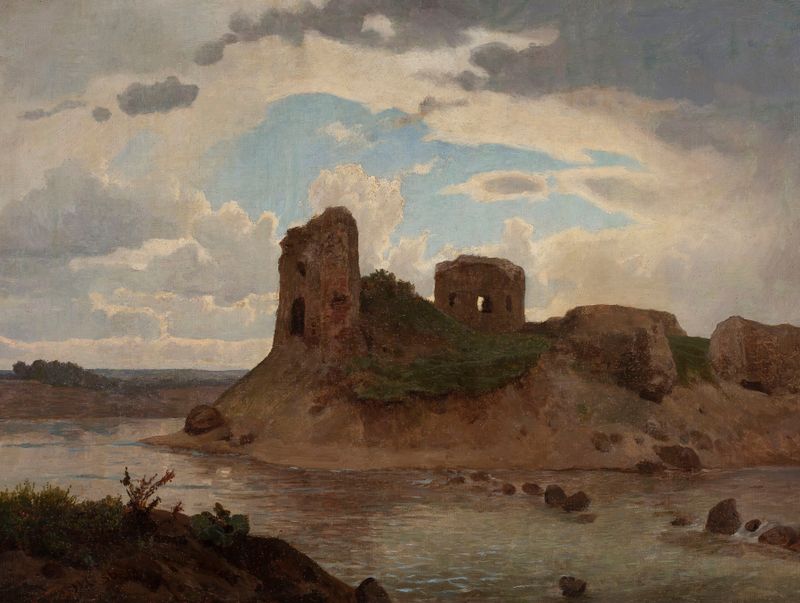
Is this a mirror — or a memory? The delicate interplay between past and present forms an intricate web in Furta klasztoru w Wigrach, where chaos breathes life into stillness. Focus on the archway to the left, its weathered stone contrasting sharply with the lush greenery beyond. The artist employs a palette dominated by earthy tones, inviting viewers to trace the texture of each stone while simultaneously feeling the life that pulses on the other side. The light filters through, casting gentle shadows that stretch across the threshold, suggesting both invitation and barrier.
The scene is a moment caught between worlds, where time feels suspended yet dynamism is palpable. Beneath the serene surface, hidden tensions emerge. The archway symbolizes a passage, suggesting a division between order and the chaotic wilderness beyond, hinting at the struggles of inner peace versus external turmoil. The tranquility of the monastery stands in stark contrast to the untamed nature, reflecting the duality of human experience.
Each layer of foliage is a whisper of stories untold, urging the viewer to confront the inevitable intertwining of chaos with the spiritual. In 1851, Gerson created this work during a period of personal exploration and amid a flourishing movement in Polish art. At that time, he was deeply engaged with themes of the natural world and the essence of serenity, seeking to capture the complexities of life through his brush. As Poland grappled with its identity, Gerson's art attempted to harmonize the chaos of existence with the quiet strength found in nature and spirituality.
More Artworks by Wojciech Gerson
Browse all →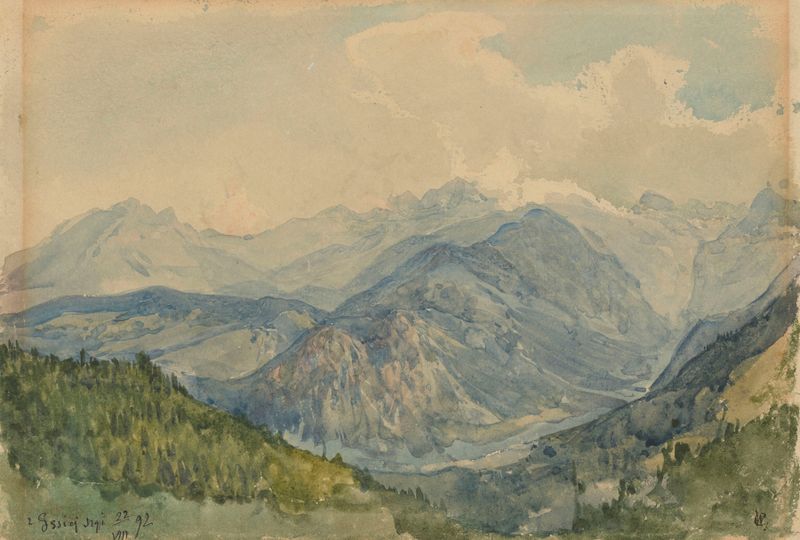
View from Gęsia Szyja Peak in the Tatra Mountains
Wojciech Gerson

View of Płock
Wojciech Gerson

Dom Długosza w Sandomierzu, tzw. Czerwona Kamienica
Wojciech Gerson
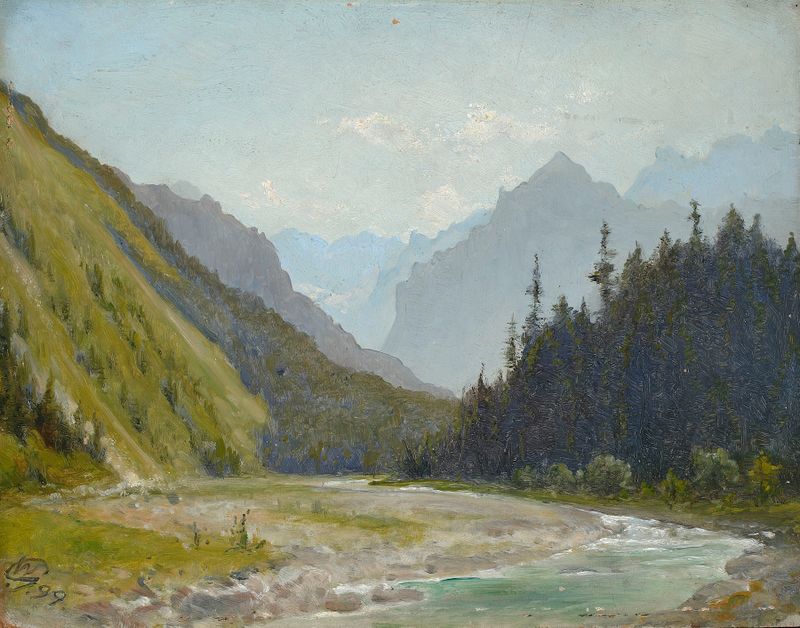
White Water Valley in the Tatra Mountains
Wojciech Gerson
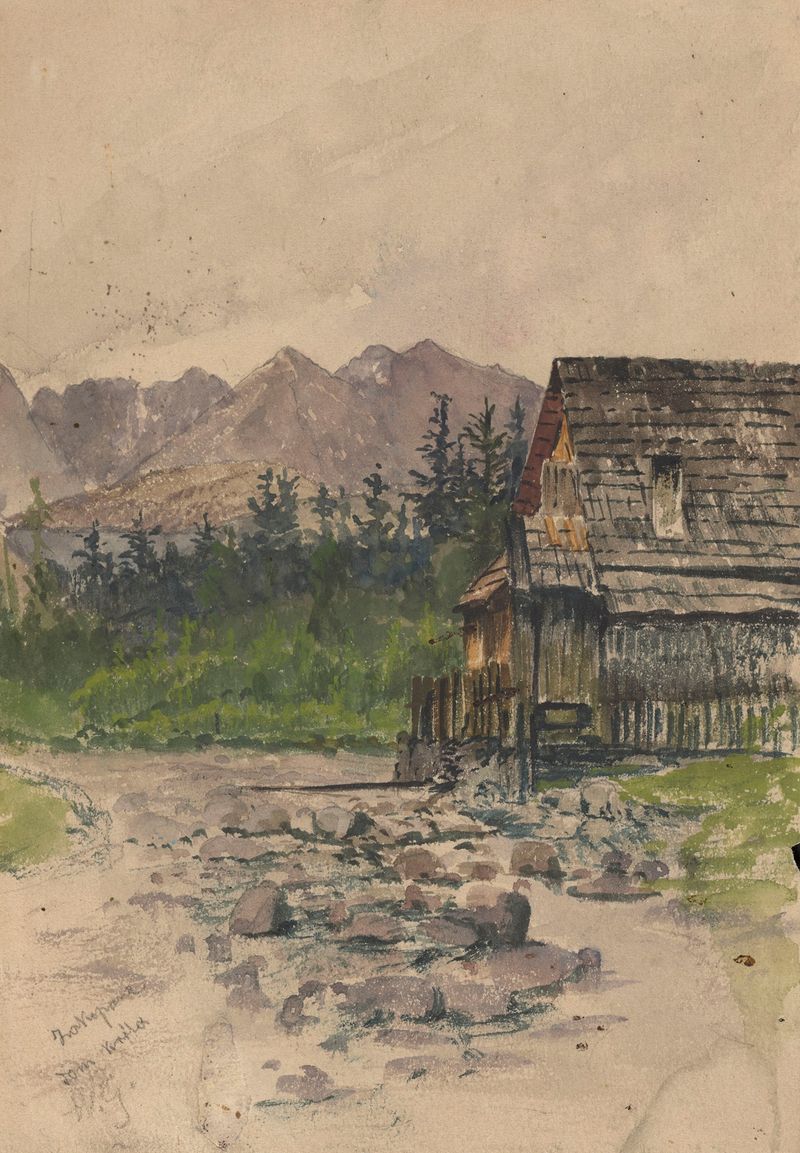
Landscape of the Tatra Mountains
Wojciech Gerson
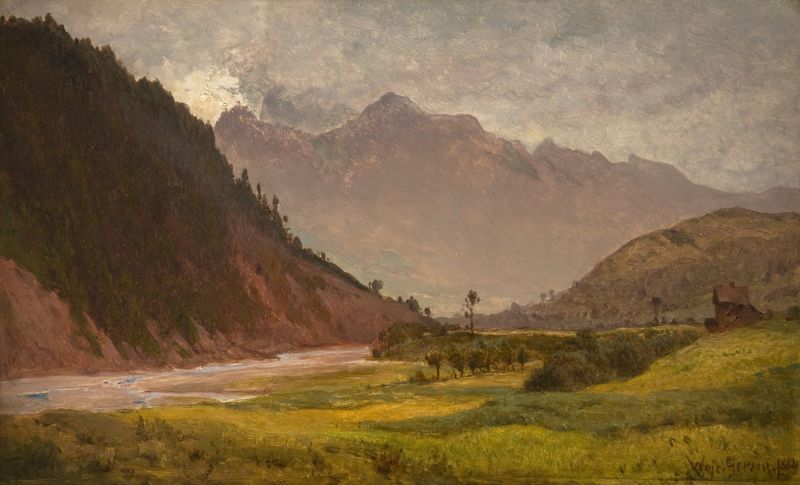
Fair Weather in the Pieniny Mountains
Wojciech Gerson

Rockslide in the White Water Valley in the Tatra Mountains
Wojciech Gerson

Graveyard in the mountains
Wojciech Gerson

Mountain Landscape
Wojciech Gerson
Ruins of the Bobrowniki castle by the Vistula River
Wojciech Gerson





