
Rockslide in the White Water Valley in the Tatra Mountains — History & Facts
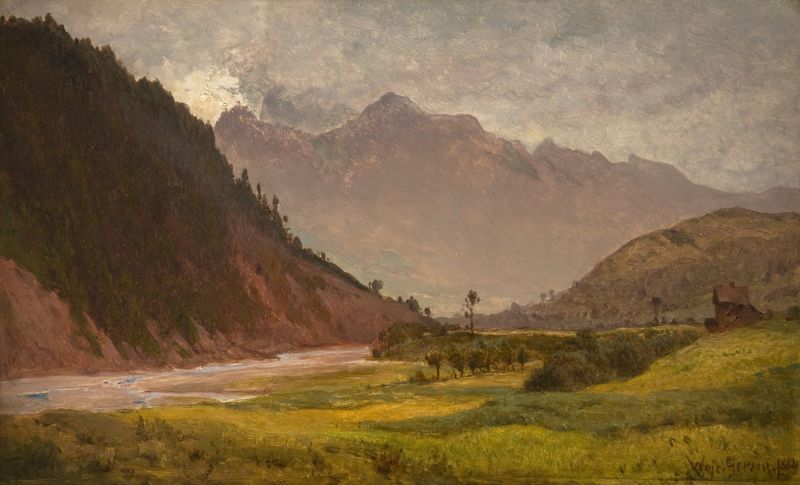
In the tapestry of time, moments of grandeur often cloak deeper truths. The landscape before us challenges our perception of nature’s beauty, intertwining the ephemeral and the eternal. Focus on the dramatic foreground where jagged rocks tumble down the mountain slope, their raw edges stark against the soft hues of the surrounding landscape. Look to the left, where a cascade of water mirrors the tumult above, a fluid contrast to the ruggedness.
Gerson employs a palette of earthy browns and muted greens, invoking both warmth and melancholy, while light filters through the clouds, illuminating the chaos with an ethereal glow. This juxtaposition draws the viewer's eye, reflecting the duality of beauty and destruction. Hidden within the expansive view lies the tension of nature’s relentless force—each rock, each splash of water, symbolizes the passage of time and the inevitability of change. The serene backdrop of distant peaks suggests permanence, yet the foreground vibrates with movement and energy, reminding us that nothing remains unchanged.
This paradox embodies life's transience, where moments of beauty can be tinged with the pain of loss. Wojciech Gerson painted this work in 1892 amidst a period marked by explorations in realism and a deepening appreciation for the natural world. At this time, he was deeply influenced by the Romantic ideals of nature and often sought to capture the sublime beauty of his Polish landscapes. The Tatra Mountains, a frequent subject of his works, served not only as a backdrop but also as a reflection of his internal struggles and the broader artistic currents of the late 19th century.
More Artworks by Wojciech Gerson
Browse all →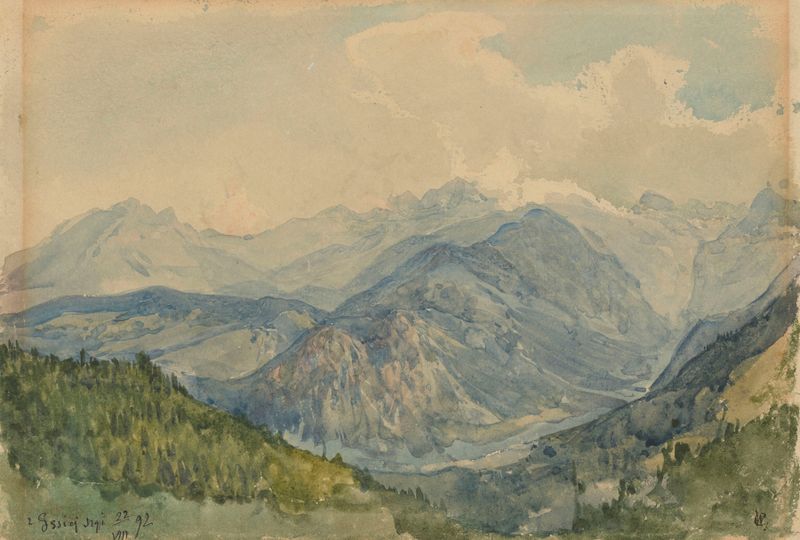
View from Gęsia Szyja Peak in the Tatra Mountains
Wojciech Gerson

View of Płock
Wojciech Gerson
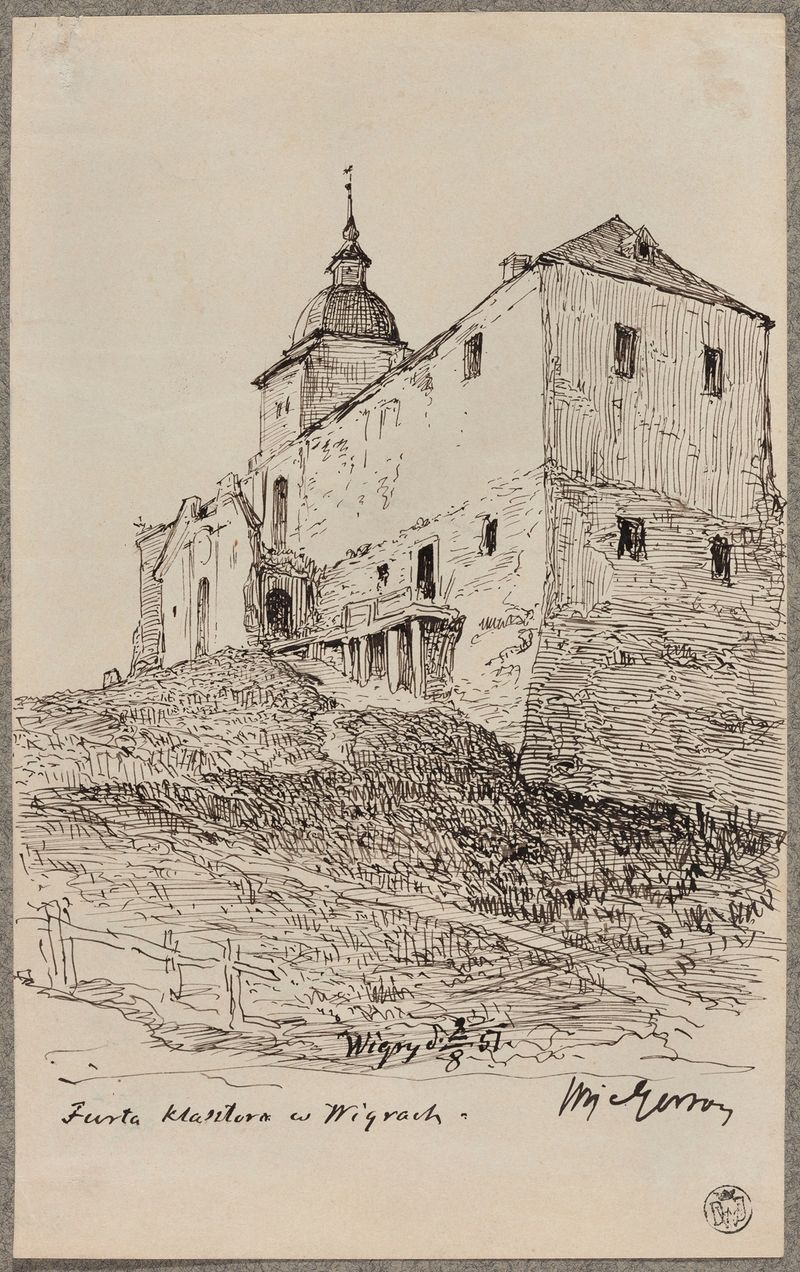
Furta klasztoru w Wigrach
Wojciech Gerson

Dom Długosza w Sandomierzu, tzw. Czerwona Kamienica
Wojciech Gerson
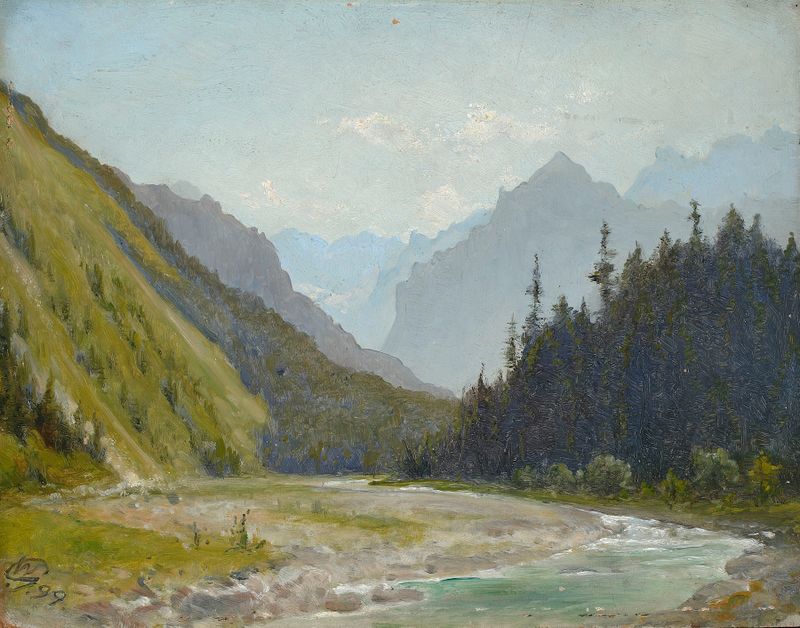
White Water Valley in the Tatra Mountains
Wojciech Gerson
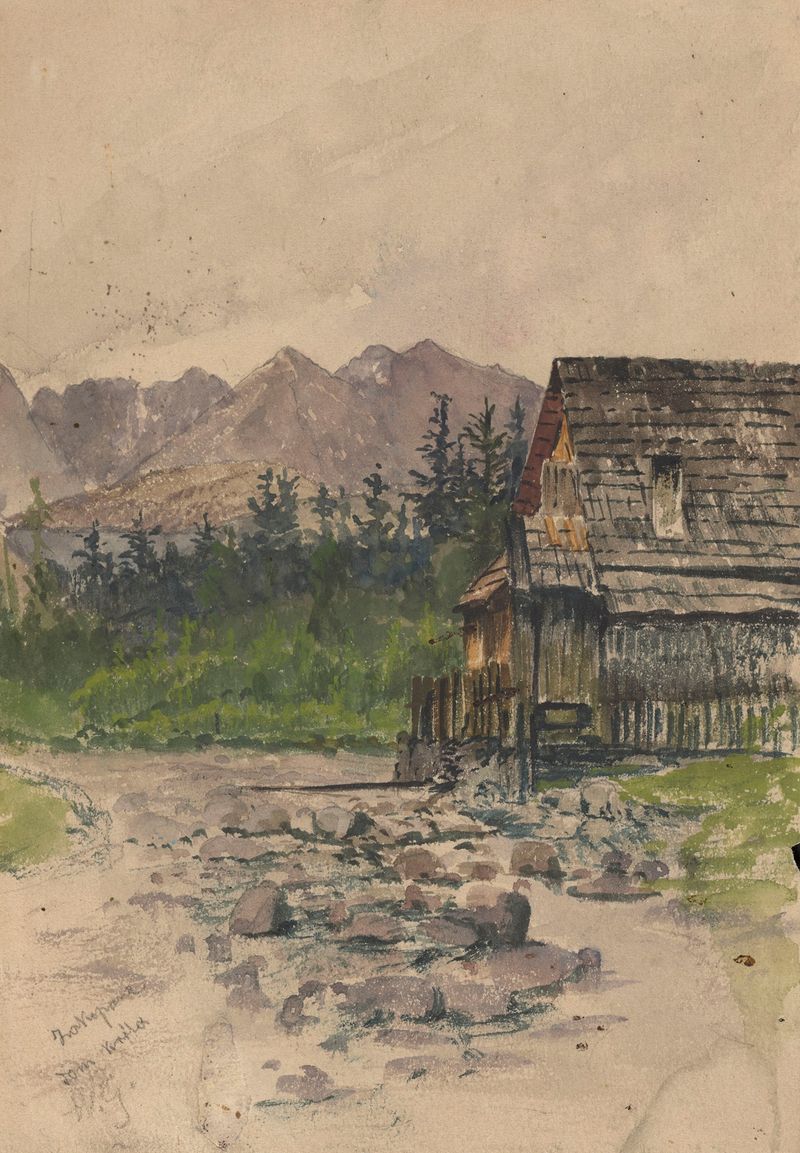
Landscape of the Tatra Mountains
Wojciech Gerson
Fair Weather in the Pieniny Mountains
Wojciech Gerson

Graveyard in the mountains
Wojciech Gerson

Mountain Landscape
Wojciech Gerson
Ruins of the Bobrowniki castle by the Vistula River
Wojciech Gerson





