
White Water Valley in the Tatra Mountains — History & Facts
Can beauty exist without sorrow? The delicate interplay between light and shadow in a forgotten valley suggests a memory tethered to both joy and melancholy. Look to the center where the river meanders, glistening as it captures the sun’s gentle caress. Notice how the soft hues of green and gold contrast with the deep, rugged browns of the Tatra Mountains that loom on either side. This composition, with its almost nostalgic palette, draws the eye into a tranquil embrace, inviting the viewer to wander through the winding path of the landscape. Yet, hidden within this idyllic scene lies a deeper tension.
The serene surface of the water reflects not only the beauty surrounding it but also the fleeting nature of moments past. The foreground, with its contrasting jagged rocks, symbolizes life’s inherent challenges, while the distant peaks evoke a sense of longing for a world untouched by time. Together, these elements speak to the bittersweet essence of memory, where joy and sorrow coexist in quiet harmony. Wojciech Gerson painted this piece in 1899, during a time when Poland was under partition and its cultural identity was in flux.
Living in Warsaw, he sought to capture the beauty of the Polish landscape, which served as a canvas for both national pride and personal reflection. At this juncture, his work played a significant role in the broader artistic movement that revered nature as a testament to resilience and hope amidst adversity.
More Artworks by Wojciech Gerson
Browse all →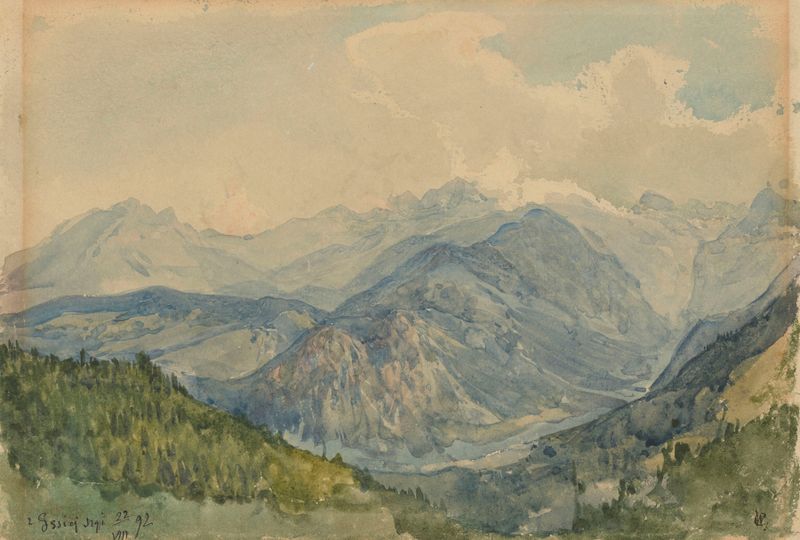
View from Gęsia Szyja Peak in the Tatra Mountains
Wojciech Gerson

View of Płock
Wojciech Gerson
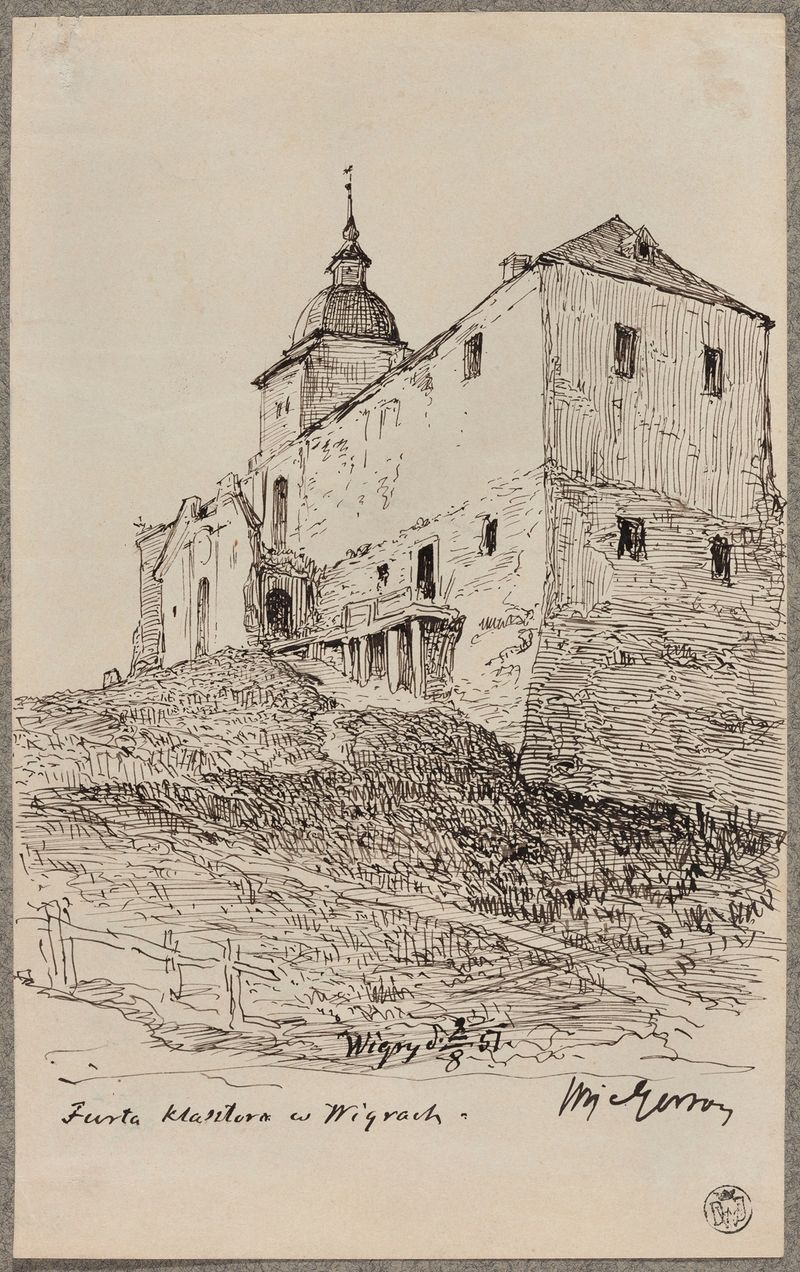
Furta klasztoru w Wigrach
Wojciech Gerson

Dom Długosza w Sandomierzu, tzw. Czerwona Kamienica
Wojciech Gerson
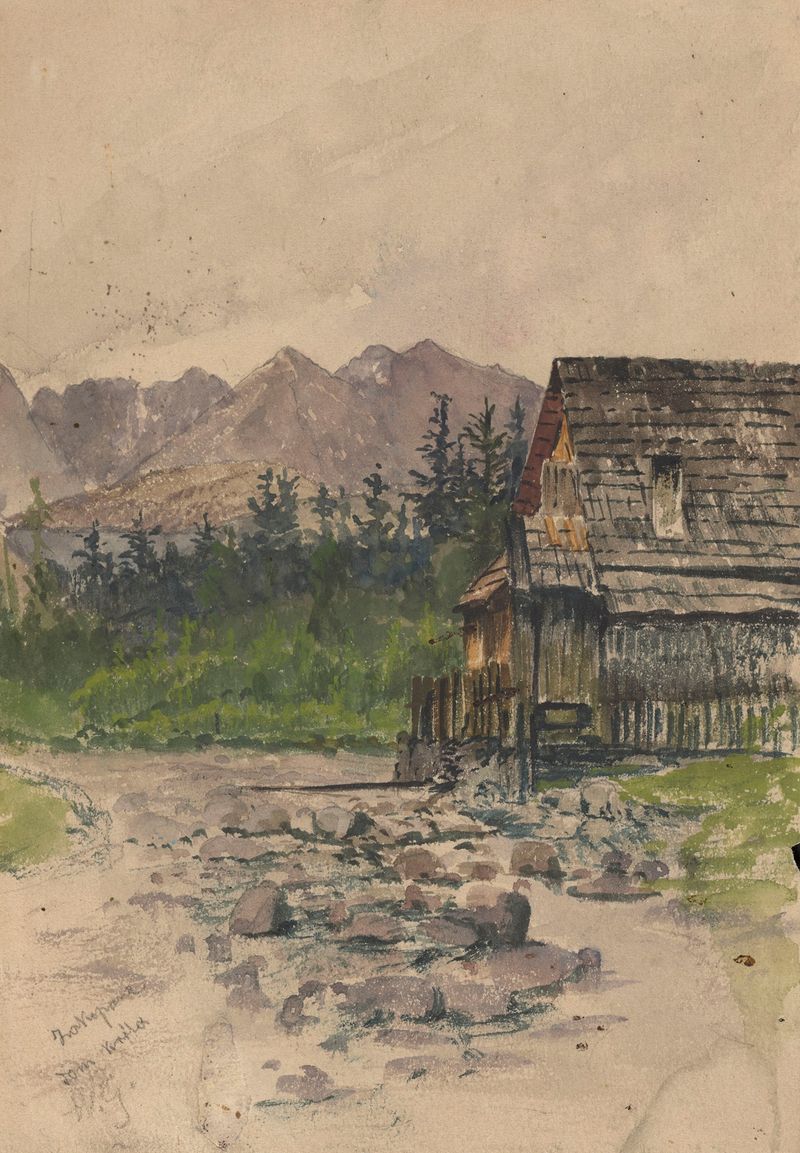
Landscape of the Tatra Mountains
Wojciech Gerson
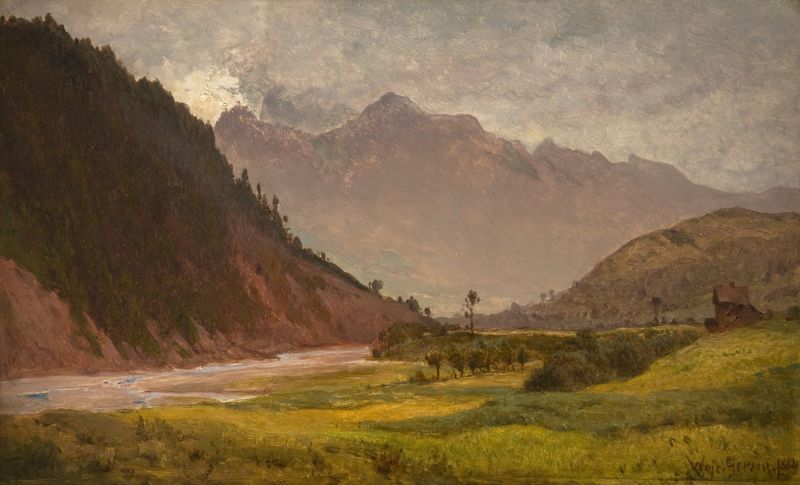
Fair Weather in the Pieniny Mountains
Wojciech Gerson

Rockslide in the White Water Valley in the Tatra Mountains
Wojciech Gerson

Graveyard in the mountains
Wojciech Gerson

Mountain Landscape
Wojciech Gerson
Ruins of the Bobrowniki castle by the Vistula River
Wojciech Gerson





