
Graveyard in the mountains — History & Facts
Who listens when art speaks of silence? In the stillness of a graveyard nestled among mountains, beauty finds its voice, weaving together the echoes of the past with the whispers of nature's grandeur. Focus on the delicate interplay of shadow and light as it dances across the weathered gravestones, each one telling a story of lives once lived. Notice how the muted colors—soft grays and earthy browns—mimic the rocky landscape, creating a harmony that blurs the line between mortality and the timelessness of nature. The careful composition leads your eye along the undulating path, inviting you to ponder the history that unfolds in this serene setting. Hidden within the somber atmosphere are contrasts that evoke deep emotional tensions.
The lush, vibrant landscape surrounding the graveyard stands in stark opposition to the stillness of the headstones, suggesting the relentless passage of time and the cycle of life and death. Each grave, marked by its individual design, holds a unique narrative, yet collectively they symbolize the shared human experience of loss, memory, and reverence. Wojciech Gerson painted Graveyard in the Mountains in 1894 while residing in Poland, a time when he was deeply influenced by the Romantic movement that celebrated nature and human emotion. The late 19th century was marked by a growing interest in national identity and historical reflection, which impacted Gerson's work as he sought to capture the essence of Polish landscapes and their significance.
This painting reflects not only his personal vision but also the broader cultural sentiments of his era.
More Artworks by Wojciech Gerson
Browse all →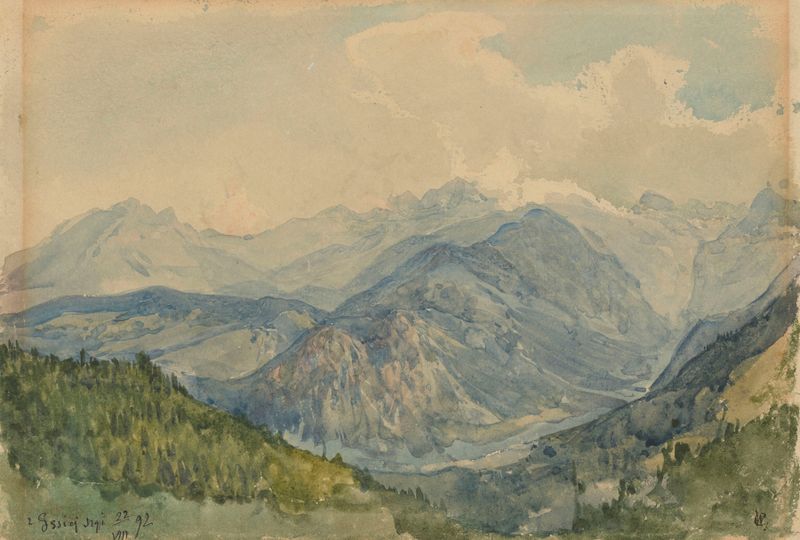
View from Gęsia Szyja Peak in the Tatra Mountains
Wojciech Gerson

View of Płock
Wojciech Gerson
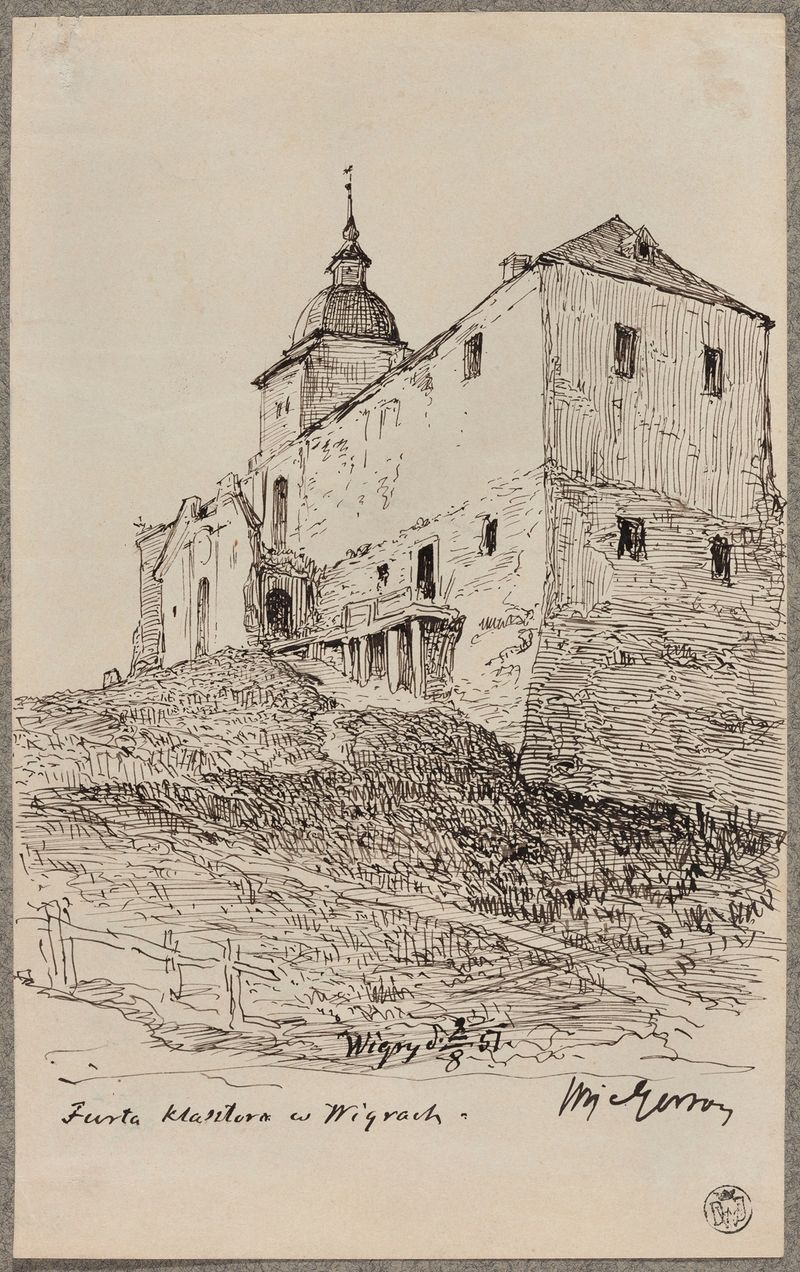
Furta klasztoru w Wigrach
Wojciech Gerson

Dom Długosza w Sandomierzu, tzw. Czerwona Kamienica
Wojciech Gerson
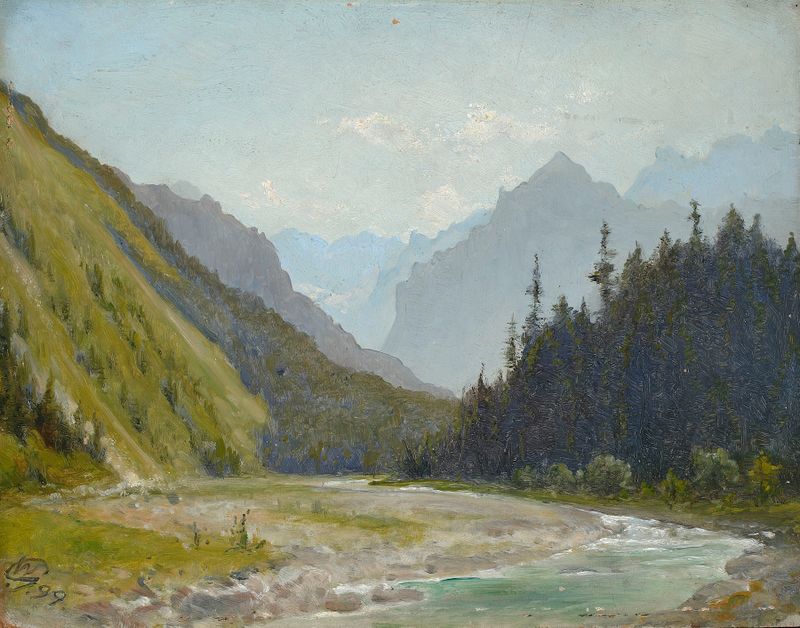
White Water Valley in the Tatra Mountains
Wojciech Gerson
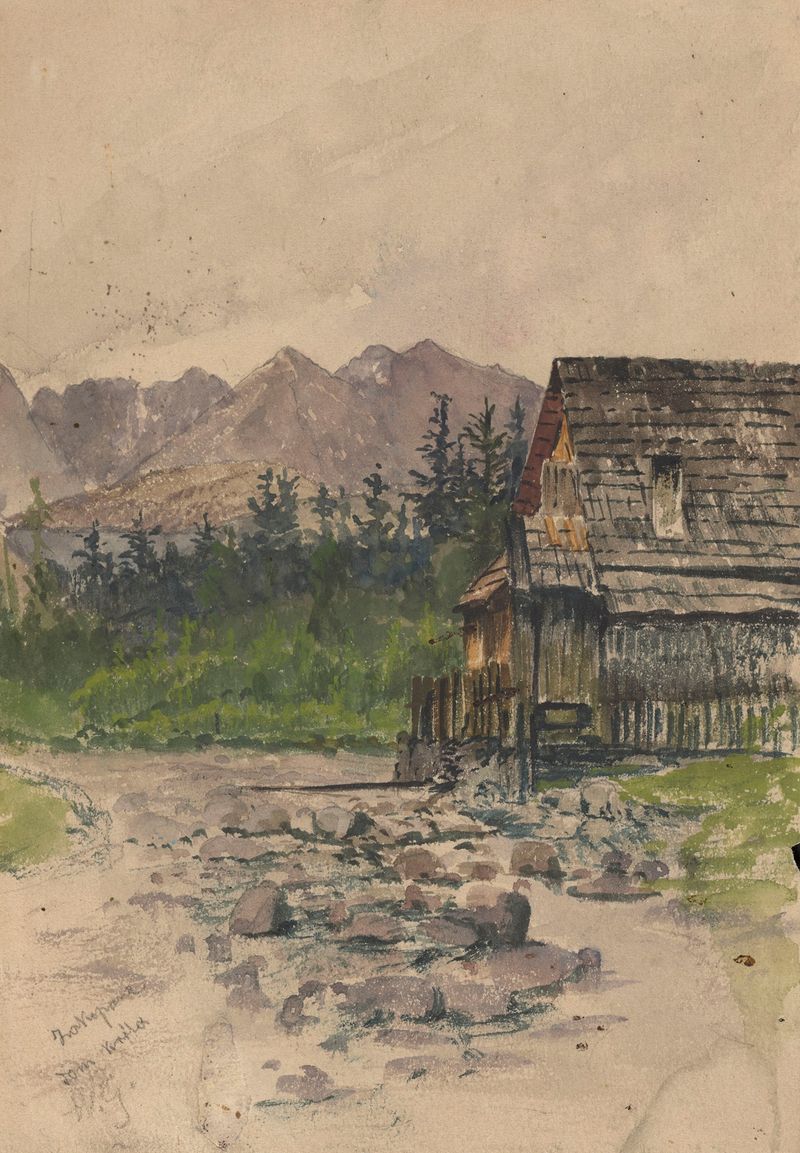
Landscape of the Tatra Mountains
Wojciech Gerson
Fair Weather in the Pieniny Mountains
Wojciech Gerson

Rockslide in the White Water Valley in the Tatra Mountains
Wojciech Gerson

Mountain Landscape
Wojciech Gerson
Ruins of the Bobrowniki castle by the Vistula River
Wojciech Gerson





