
Ganges after sunset. From the journey to India — History & Facts
In the quiet expanse of Ganges after sunset, the viewer is invited to experience a moment that transcends both time and place. The scene speaks to the enduring power of memory, evoking the sacredness of a landscape where the mundane becomes extraordinary. Look closely at the tranquil surface of the Ganges, where soft ripples are kissed by the fading light. The palette warms as the sun sinks, blending oranges, pinks, and purples that dance across the water's surface.
Notice how the horizon glows, casting long shadows that stretch over the banks, while the silhouettes of distant figures become mere whispers against the sky. This delicate balance between light and shadow lures the observer deeper into the mesmerizing twilight. In this painting, contrasts abound—between the ephemeral beauty of dusk and the eternal flow of the river, between human presence and the vastness of nature. Each brushstroke captures an emotion, bridging the physical and the ethereal.
The gentle murmur of water invites contemplation, evoking a sense of peace alongside a deep yearning. The work resonates with themes of spirituality and reflection, as the Ganges becomes a conduit for both personal and collective memory. In 1907, Jan Ciągliński painted Ganges after sunset during a time of exploration and cultural exchange, as Western artists were increasingly drawn to the East. He had recently returned from India, where the vibrant colors and rich traditions of the subcontinent left a profound impact on his art.
This period saw him grappling with a blend of impressionism and personal expression, culminating in a work that reflects both the beauty and complexity of a moment suspended in time.
More Artworks by Jan Ciągliński
Browse all →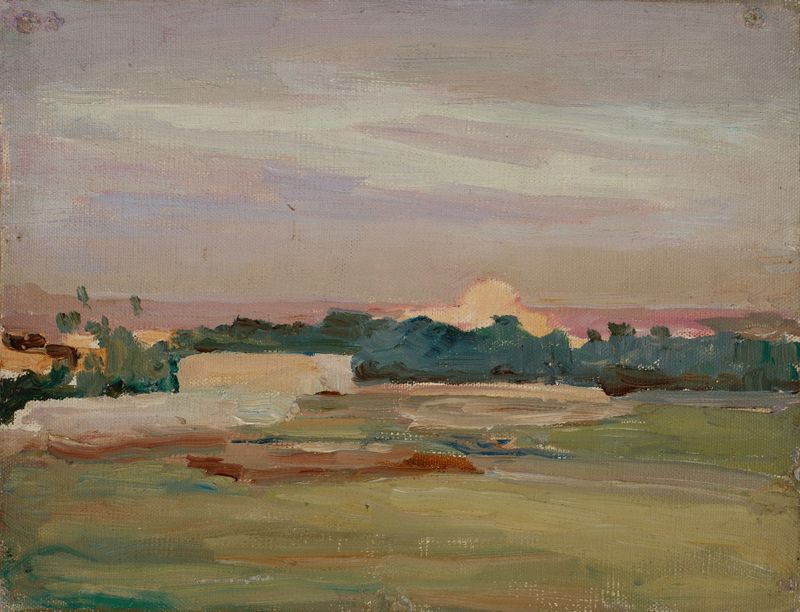
The Sirocco
Jan Ciągliński
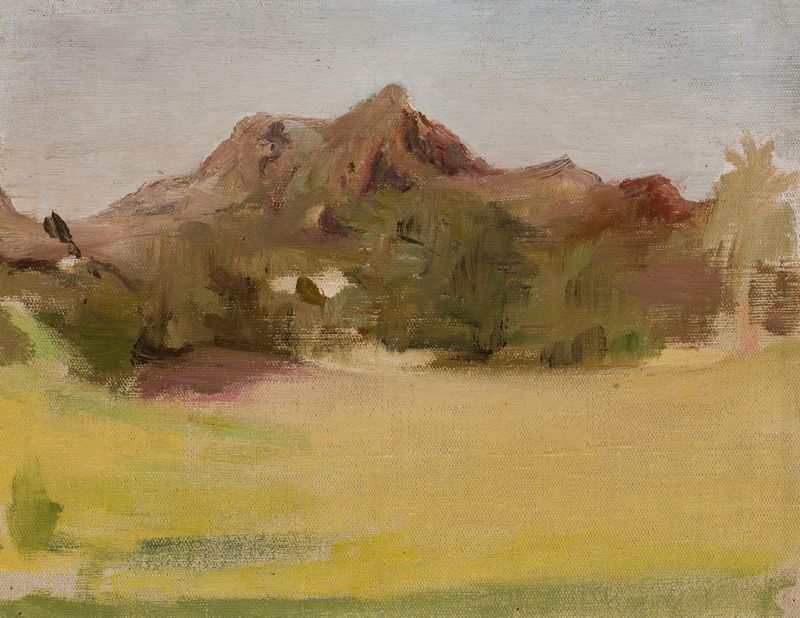
Mountain landscape. From the journey to India
Jan Ciągliński
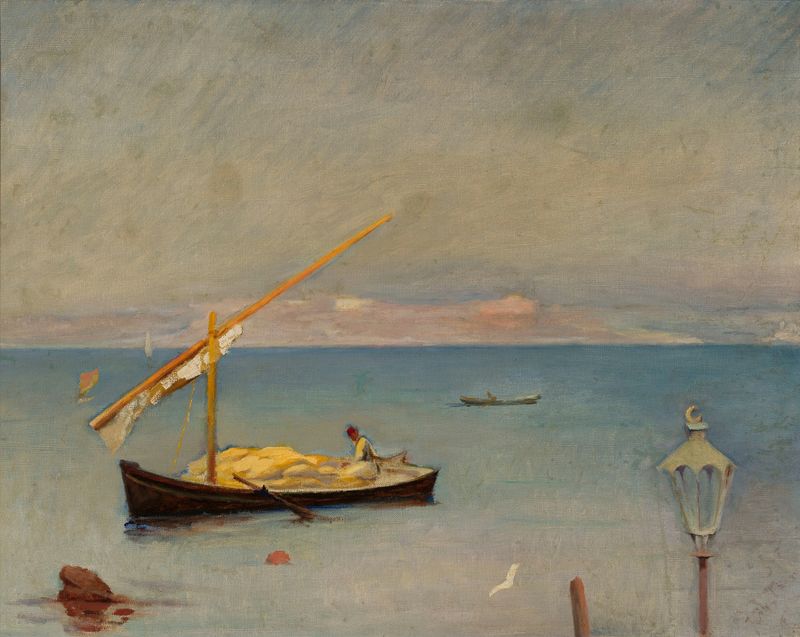
At Bosporus
Jan Ciągliński
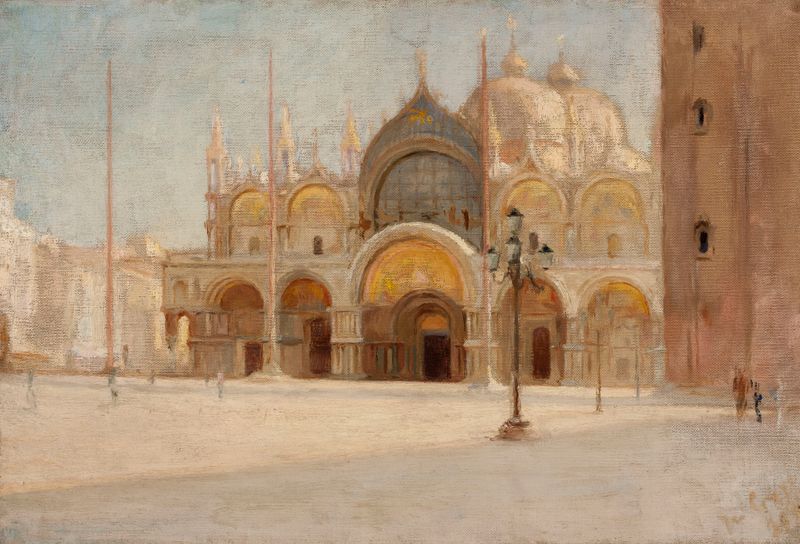
St Mark’s Square in Venice
Jan Ciągliński
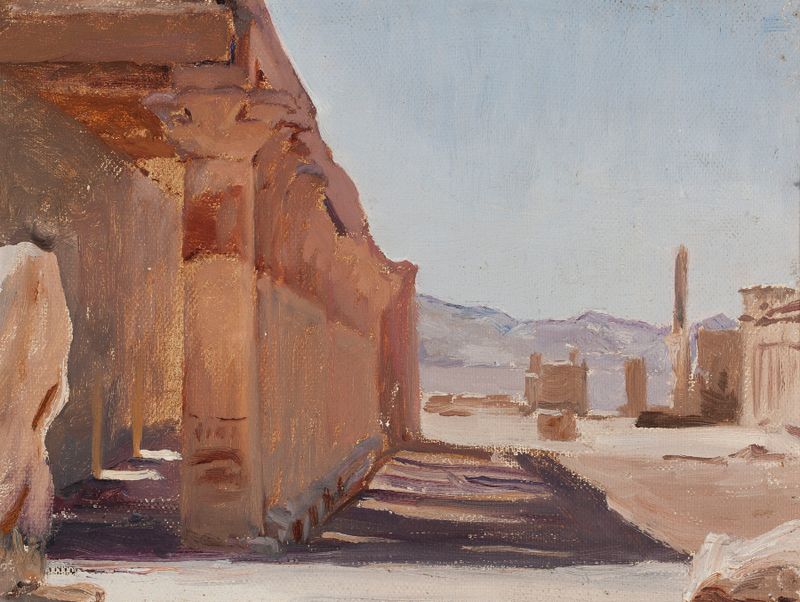
Temple. From the journey to Egypt
Jan Ciągliński
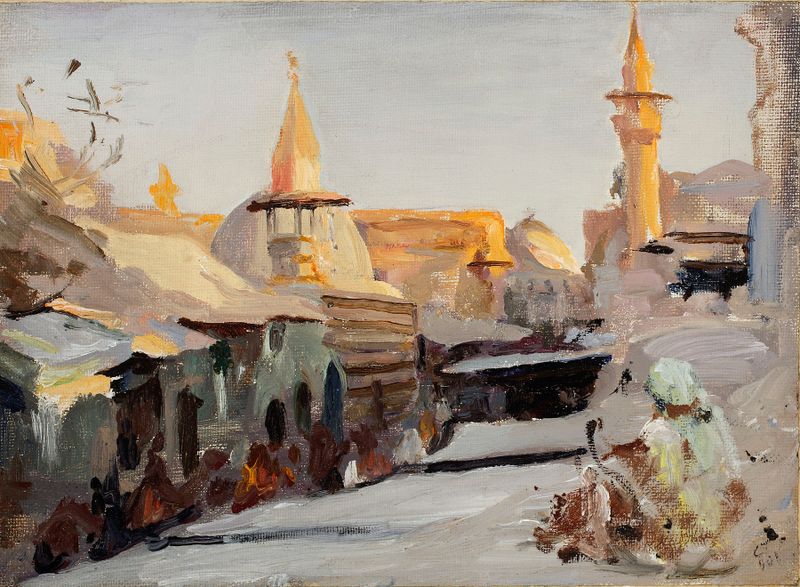
Street in Damascus. From the journey to Palestine
Jan Ciągliński
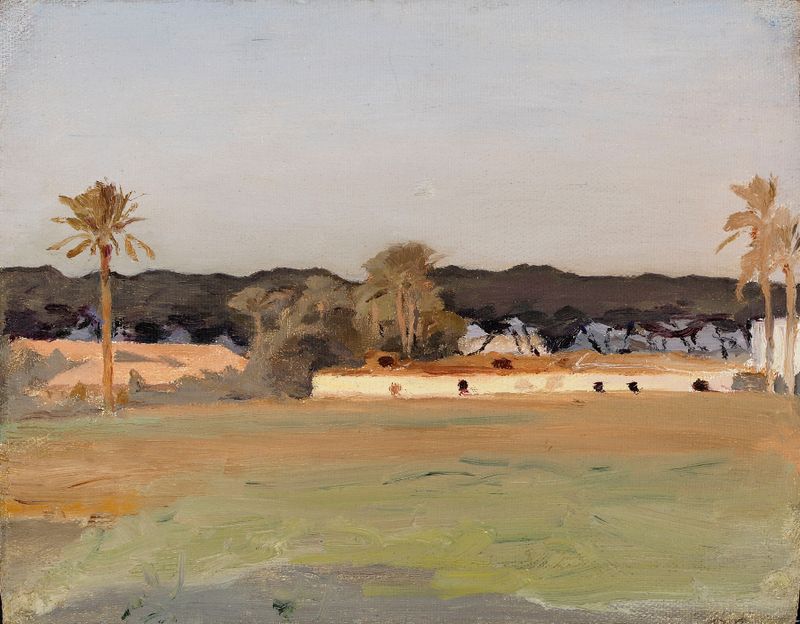
Evening. From the journey to Egypt
Jan Ciągliński
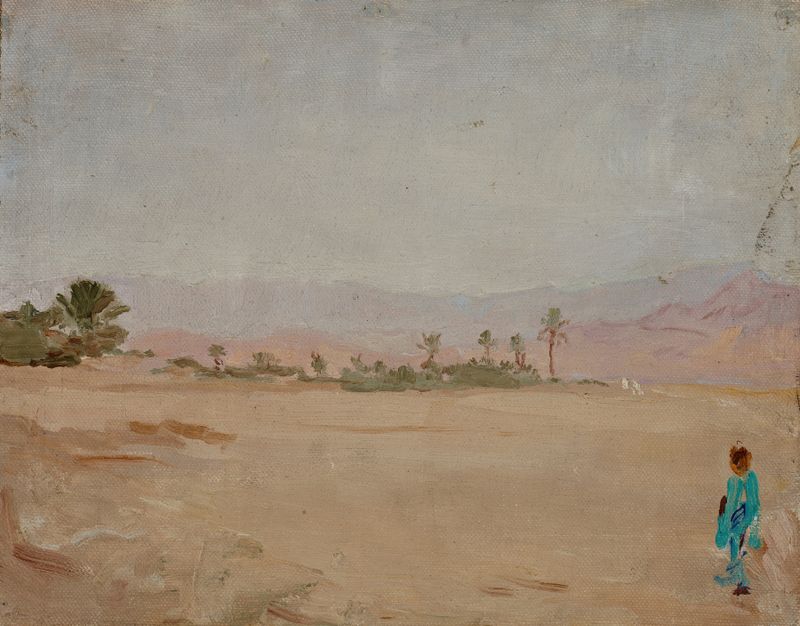
Sahara (Desert)
Jan Ciągliński
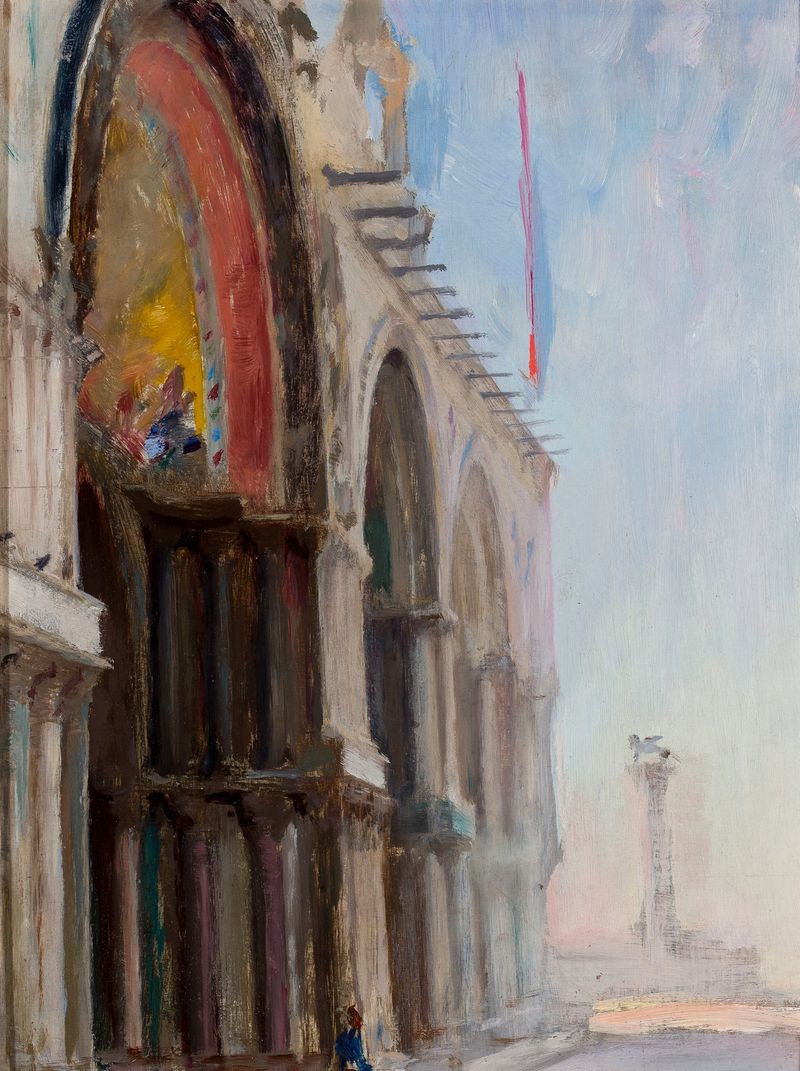
Venice – San Marco. From the journey to Italy
Jan Ciągliński
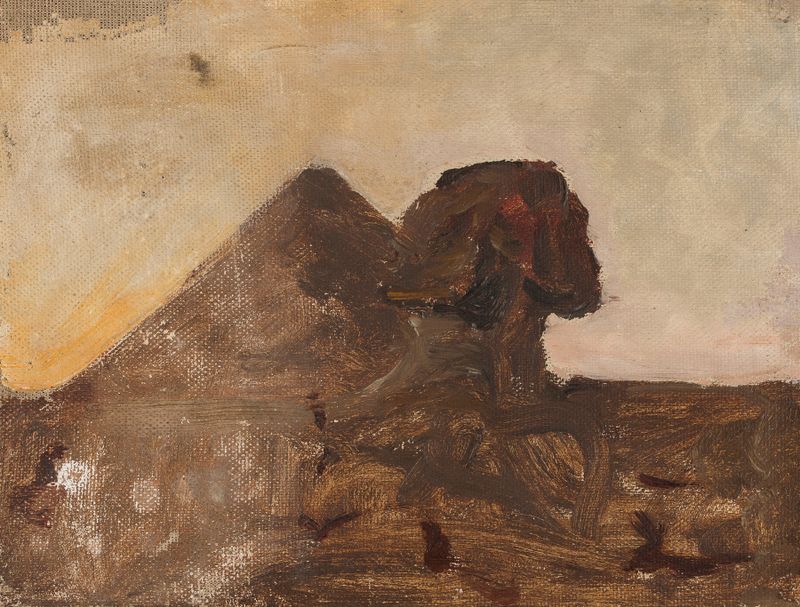
Evening in the desert – Sphinx and pyramid. From the journey to Egypt
Jan Ciągliński





