Discover insights about this artwork
Gardanne — History & Facts
In Gardanne, Paul Cézanne presents a vibrant landscape filled with earthy tones. The painting features rolling hills and a sky that shifts from blue to soft white. The use of greens and browns creates a sense of depth and texture.
This rural scene invites viewers to immerse themselves in the natural beauty of the French countryside. Cézanne's technique in Gardanne showcases his distinctive brushwork and color palette. The painting is executed in oil on canvas, allowing for rich layers of color. The dimensions are approximately 65 x 81 cm, making it a medium-sized work.
The composition emphasizes the harmony between the land and sky, a hallmark of Cézanne's landscapes. Gardanne was painted during a pivotal time in Cézanne's career, as he moved towards a more abstract representation of nature. This work reflects his deep connection to the Provençal landscape, where he spent much of his life. An interesting fact about this painting is that it captures the essence of a specific location near Aix-en-Provence, which was significant to Cézanne.
His innovative approach influenced many modern artists who followed.
More Artworks by Paul Cézanne
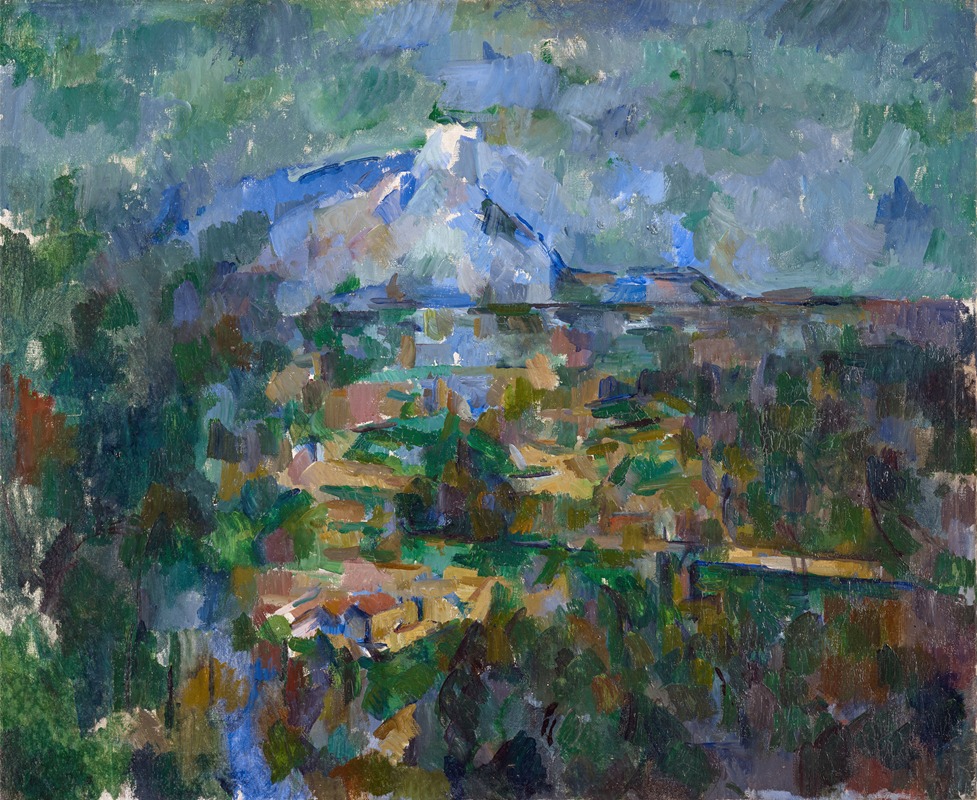
The Mont Sainte-Victoire Seen From Les Lauves
Paul Cézanne
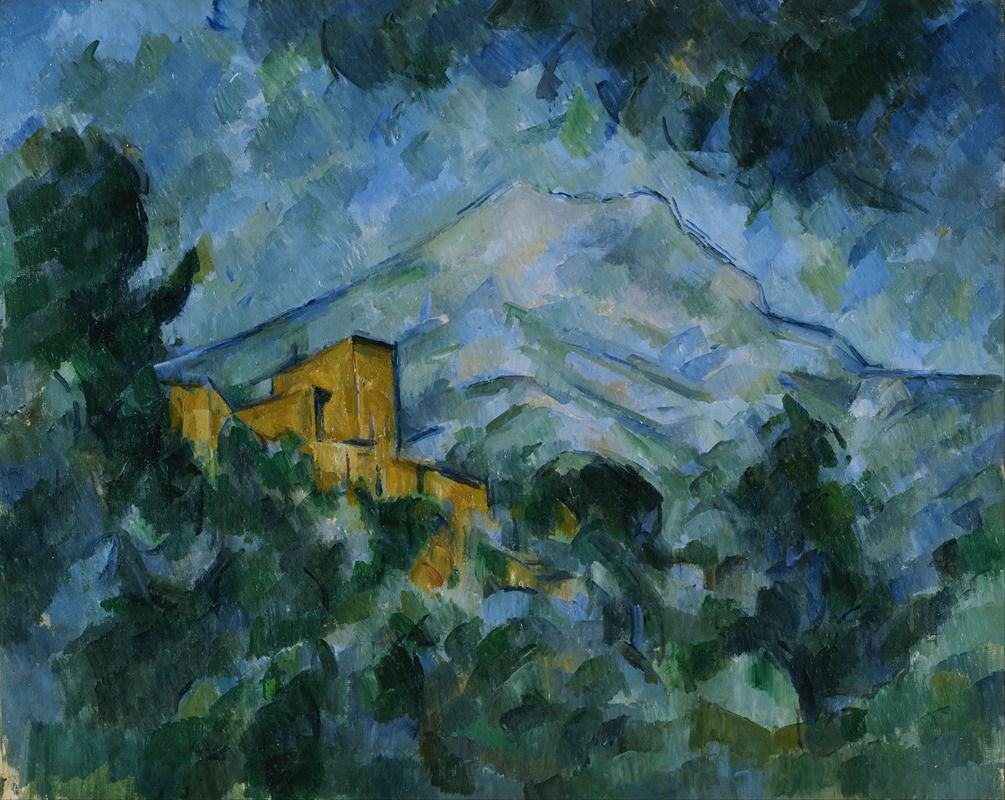
Mont Sainte-Victoire and Château Noir
Paul Cézanne
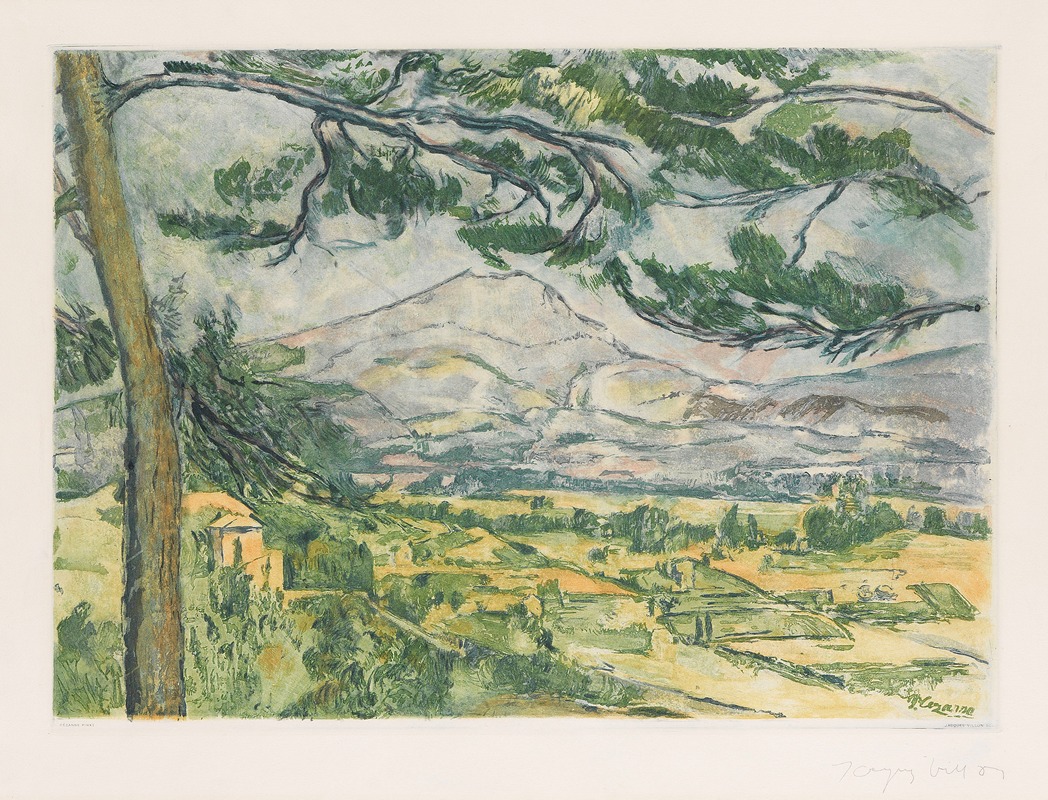
La Montagne Sainte-Victoire
Paul Cézanne
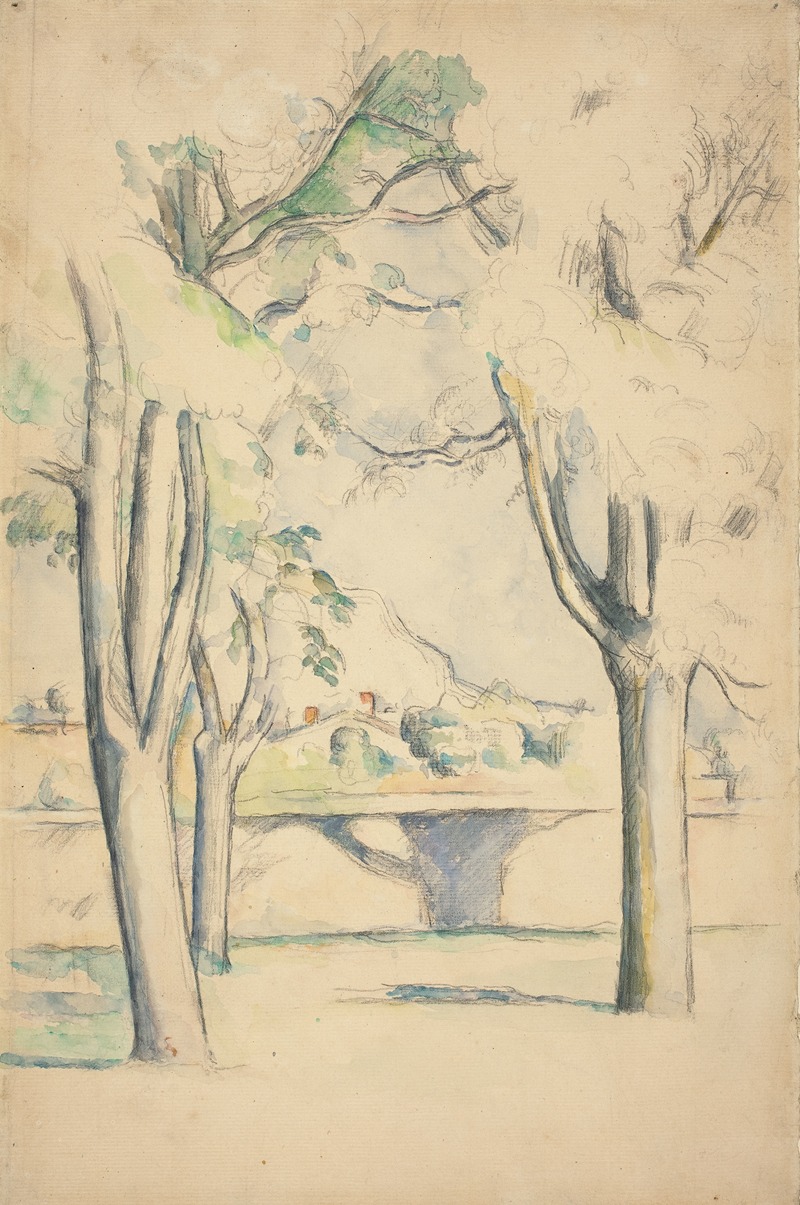
Mont Sainte-Victoire Seen beyond the Wall of the Jas de Bouffan
Paul Cézanne
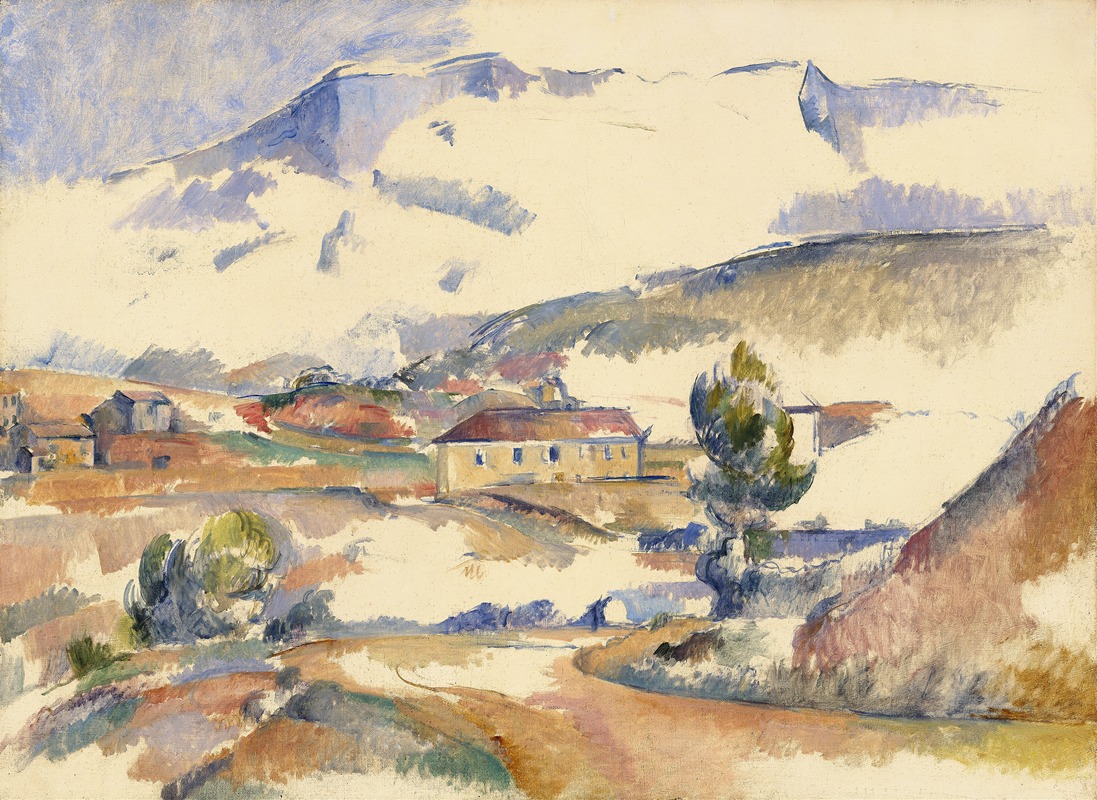
Montagne Sainte-Victoire,from near Gardanne
Paul Cézanne
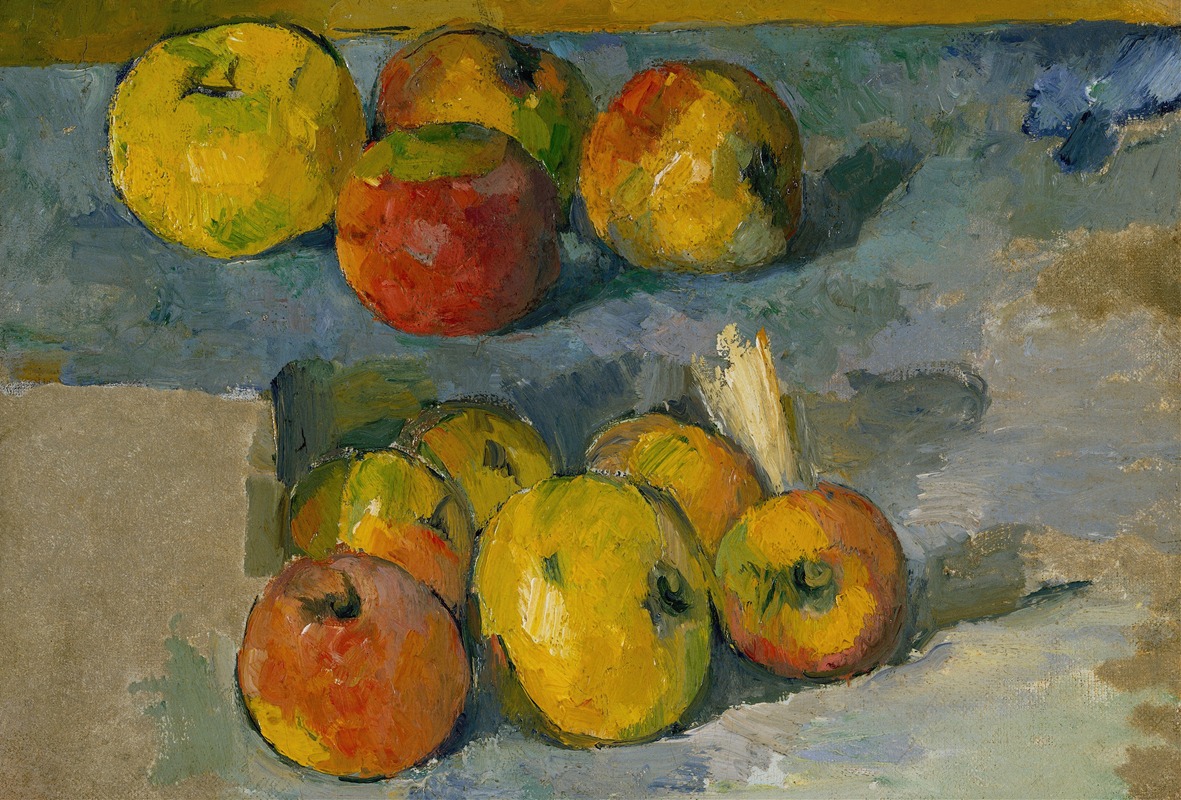
Apples
Paul Cézanne
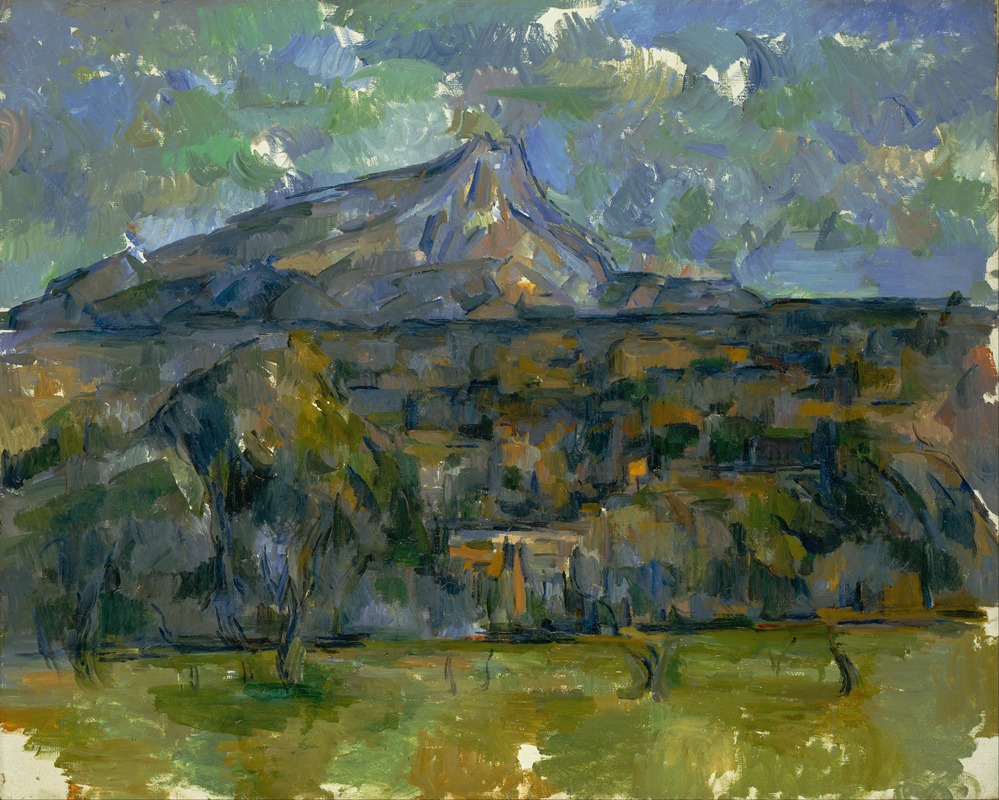
Mont Sainte-Victoire
Paul Cézanne
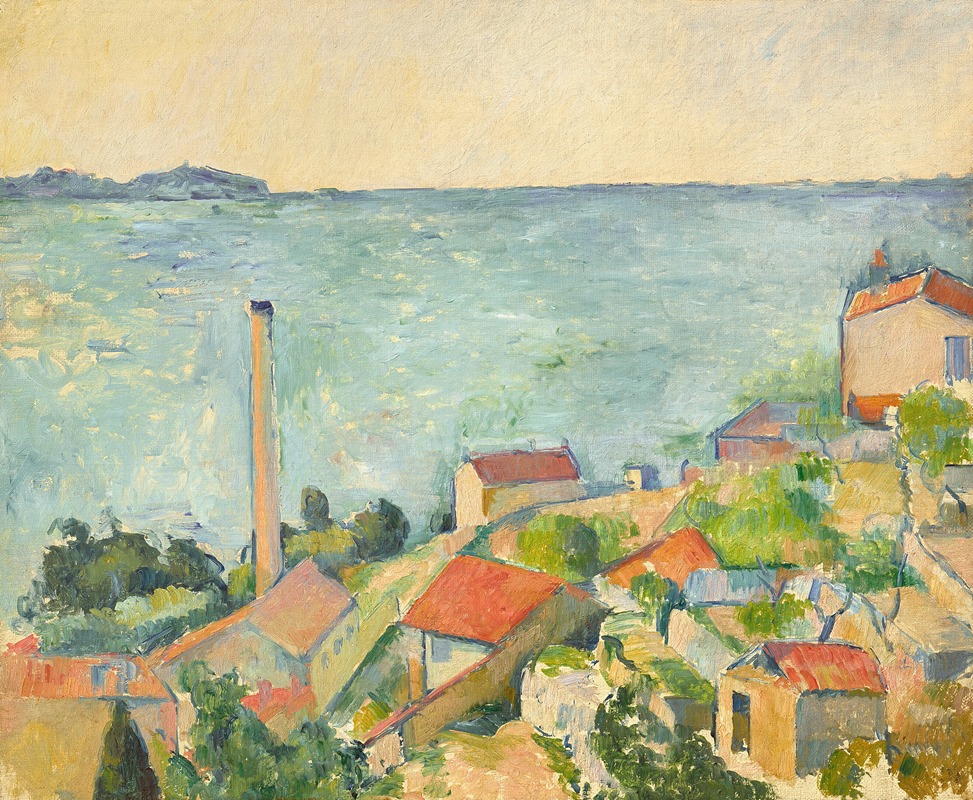
La mer à l’Estaque
Paul Cézanne
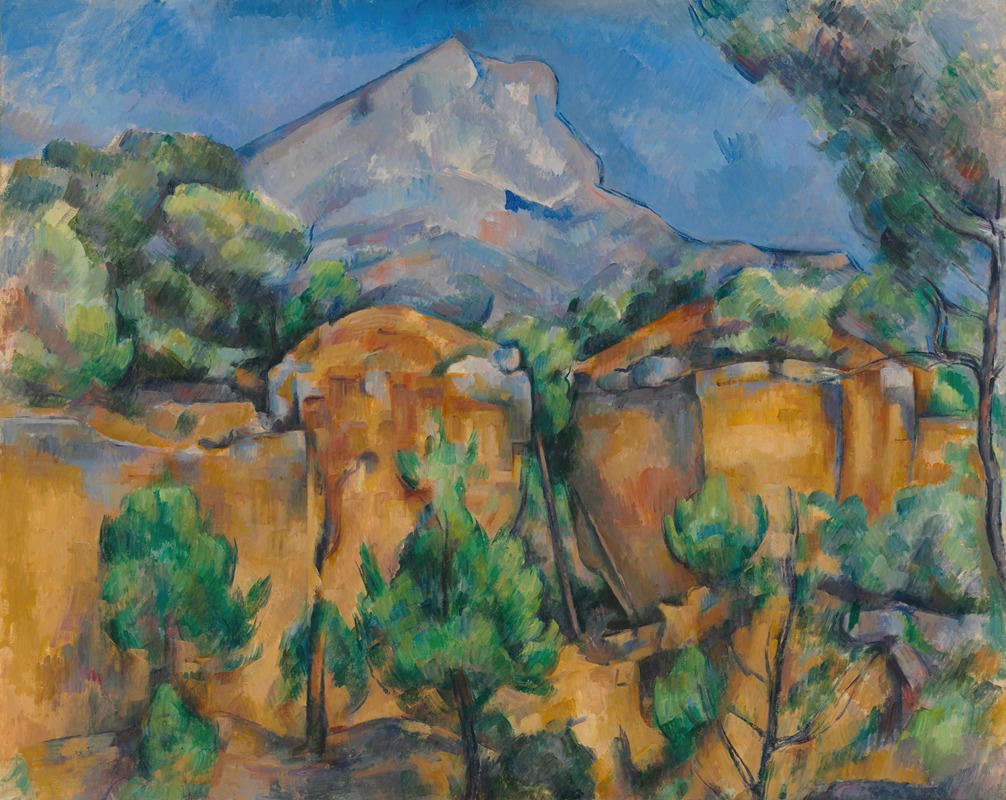
La Montagne Sainte-Victoire vue de la carrière Bibémus
Paul Cézanne
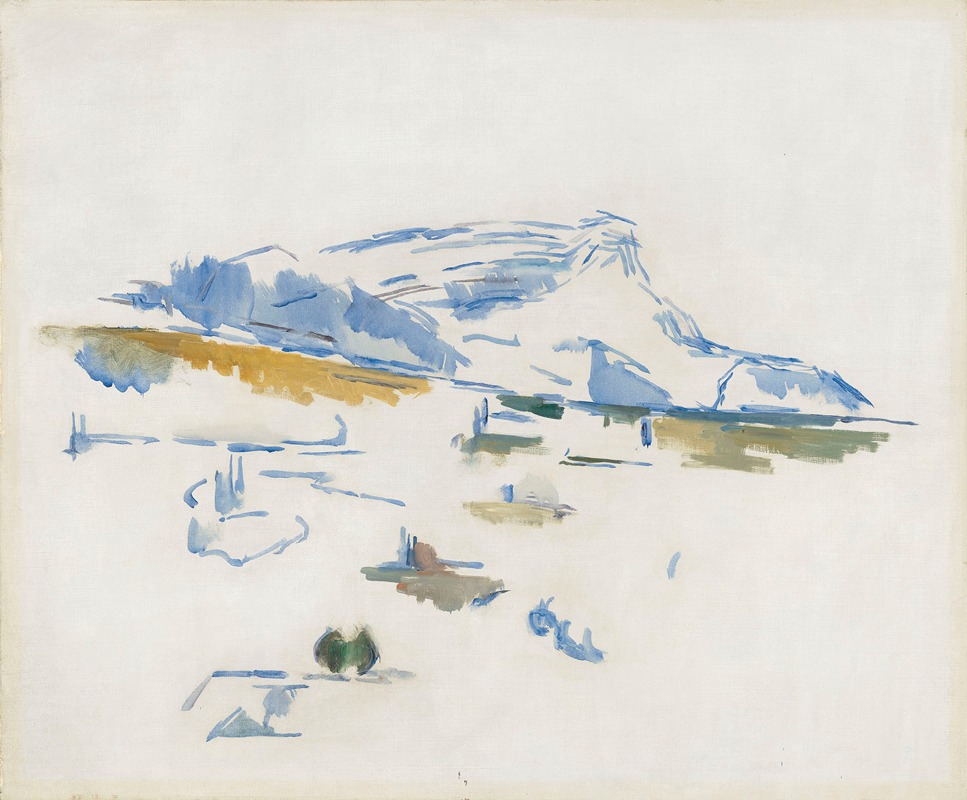
La Montagne Sainte-Victoire vue des Lauves
Paul Cézanne