
Garden Landscape, August 6, 1827 — History & Facts
In a sun-drenched garden, blossoms sway gently in the warm breeze, their colors vibrant against a cerulean sky. A lone figure, cloaked in soft fabric, kneels among the flora, seemingly lost in the embrace of nature. The air is thick with the scent of blooming flowers, and the silence is punctuated only by the delicate rustle of leaves, inviting a sense of serenity and contemplation. Look to the right at the lush greenery, where verdant leaves intermingle with the vivid petals of poppies and dahlias.
The brushstrokes create a harmonious rhythm, each stroke capturing the essence of life and growth. Notice how the golden light filters through the foliage, casting a warm glow on the figure, suggesting a connection between humanity and the earth. The composition draws the viewer's eye toward the figure, establishing a poignant relationship with the surrounding beauty. In this tranquil moment, hidden meanings abound; the figure's posture hints at a deep reverence for nature and its creations.
Juxtaposed against the exuberance of the garden, there is a subtle tension between solitude and abundance, prompting reflections on creation and the cycles of life. The vibrant colors evoke feelings of joy and renewal, while the figure’s quiet presence speaks to a longing for connection, not just with nature, but with the act of creation itself. In 1827, Anne Rushout painted Garden Landscape during a time when Romanticism was shaping the art world, emphasizing emotion and nature. She worked in England, where the burgeoning interest in landscape painting was coinciding with the industrial revolution.
This juxtaposition influenced her artistic choices, as she sought to capture the beauty of the natural world amidst rapid urban change, celebrating creation at a time of transformation.
More Artworks by Anne Rushout
Browse all →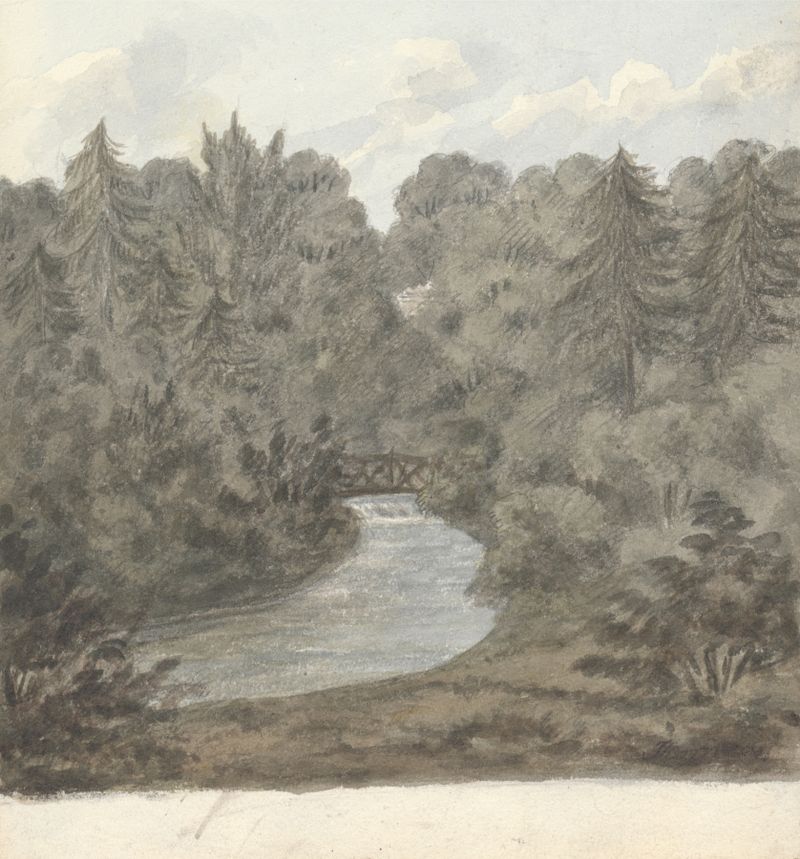
Thornery Pool, Sezincote
Anne Rushout
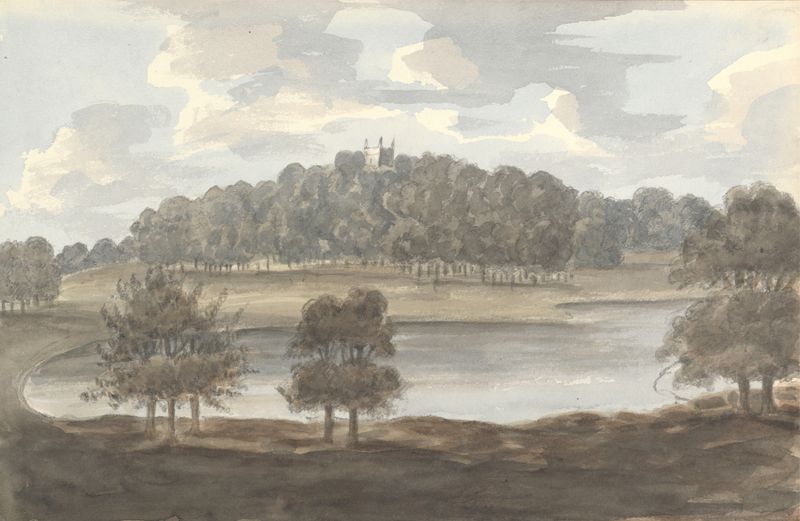
Holkham, August 1824
Anne Rushout

Grove Cottage, Wanstead May 18th, 1825
Anne Rushout
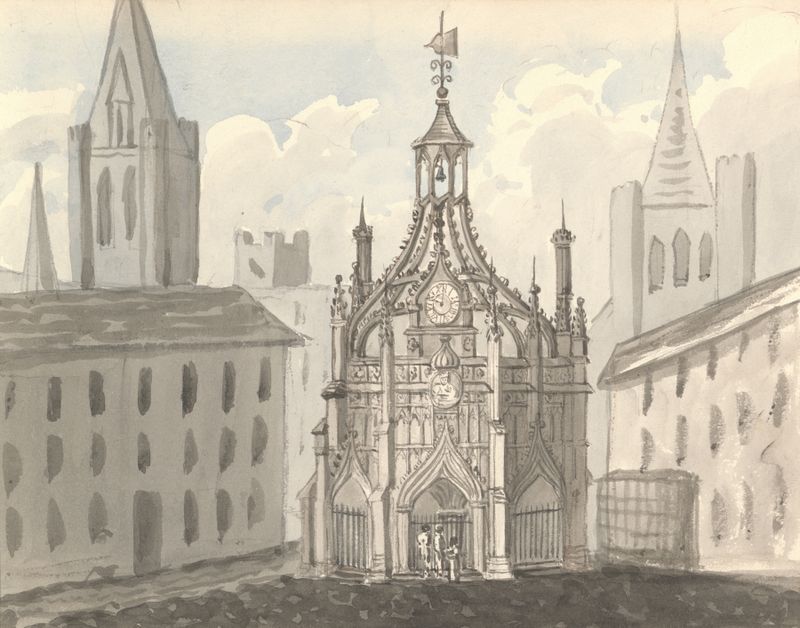
From Inn at Chichester, July 1828
Anne Rushout
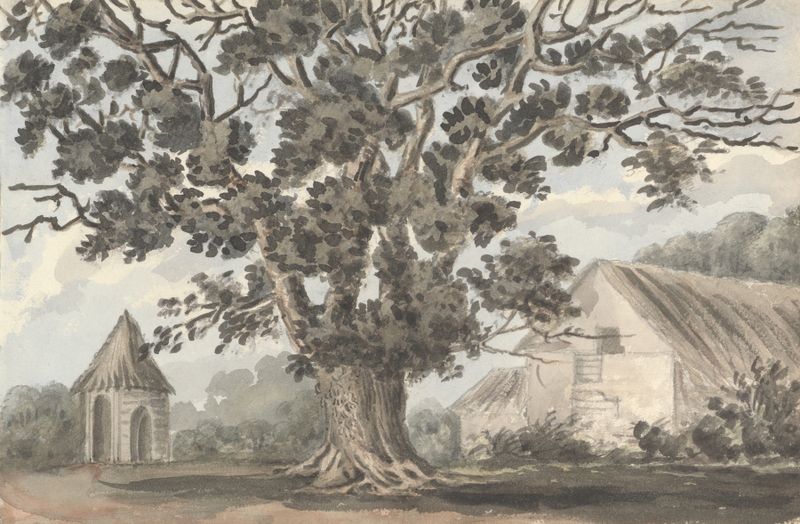
Queen Elizabeth’s Oak near Finborough Hall
Anne Rushout

Holkham, August 1824
Anne Rushout
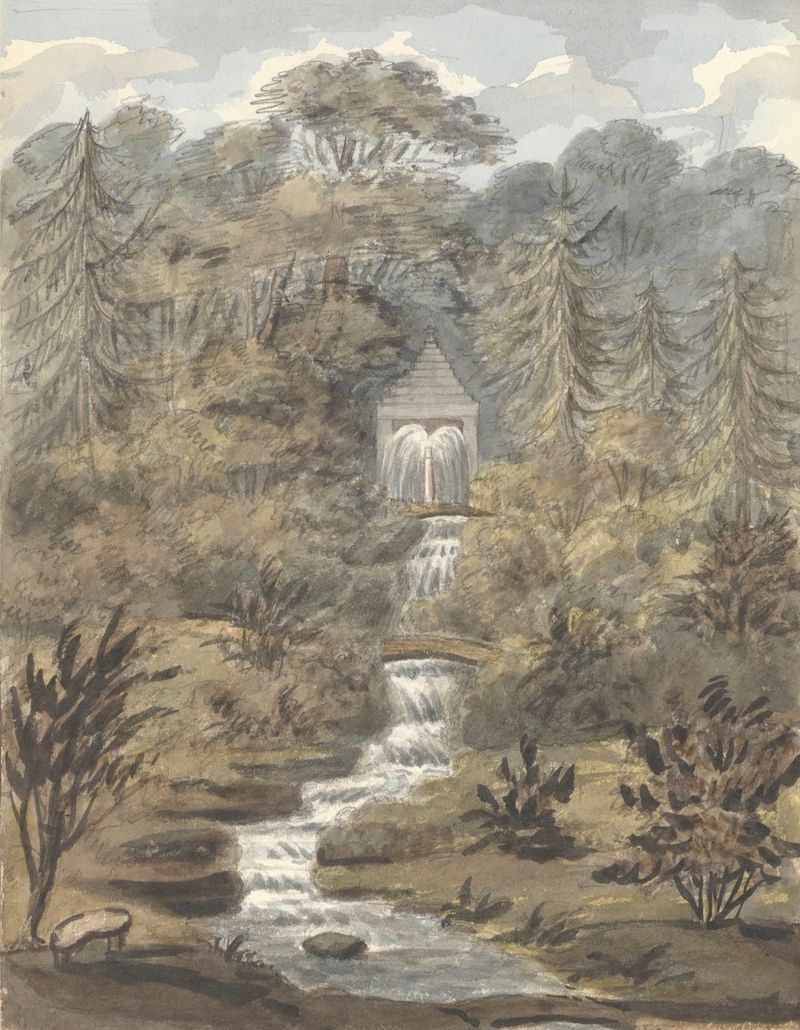
Temple and Falls, Sezincote
Anne Rushout

From Flower Garden, Wanstead Grove
Anne Rushout

From Window at Eastnor Castle, Gloucestershire Beacon, September 28, 1829
Anne Rushout

From Portico at Wanstead Grove, May 24, 1825
Anne Rushout





