
Garden Temple, Wanstead Grove — History & Facts
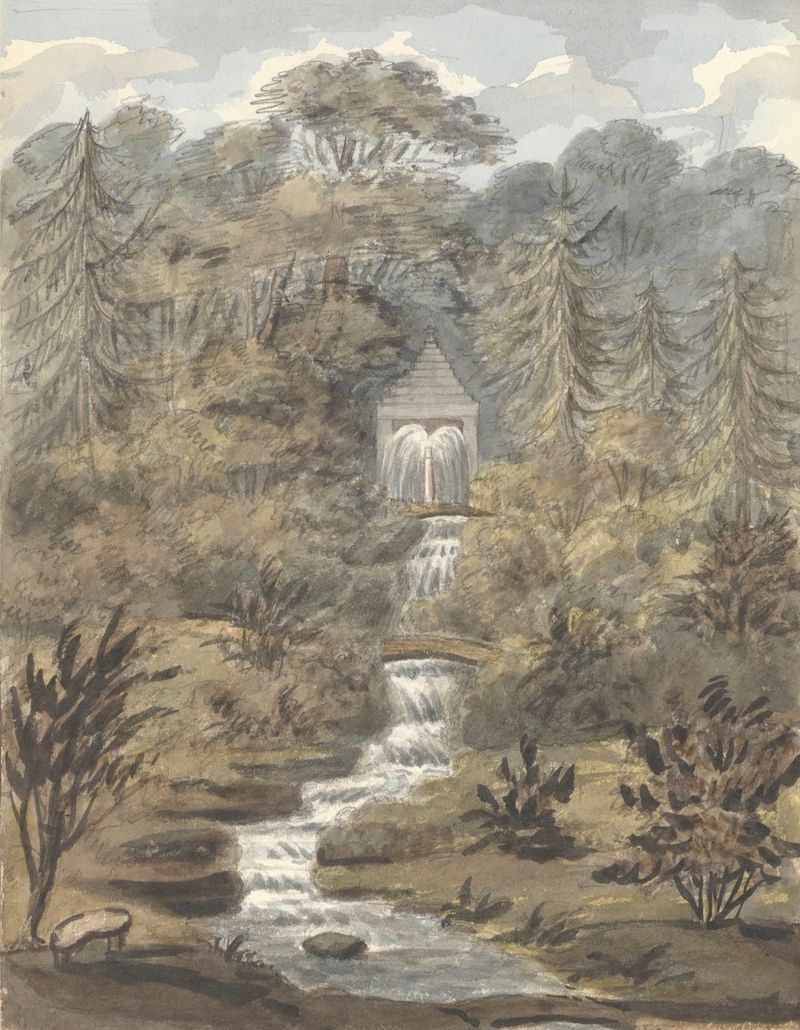
The air is still, heavy with the scent of blooming jasmine as the sun dips low, casting a warm, golden glow over the garden temple. A figure stands hunched at the edge of the pond, fingertips barely brushing the glassy surface, where ripples distort the reflection of a once-vibrant world. Nearby, blossoms sway gently, whispering secrets of fleeting beauty and loss to the rustling leaves.
It is a moment suspended in time, where silence speaks volumes amid the encroaching shadows. Look to the left at the delicate architecture of the temple, its classical columns standing resolute against a backdrop of lush greenery. Notice how the artist captures light filtering through the canopy, illuminating patches of earth and enhancing the vibrant hues of the flora. The meticulous brushstrokes create a sense of depth, inviting the viewer to wander through the scene as if stepping into a memory.
Each petal and stone tells a story, inviting introspection and connection. Yet beneath this serene exterior lies a profound tension between the imagery of beauty and the specter of loss. The solitary figure, an emblem of quiet reflection, evokes the bittersweet nature of remembrance, suggesting a past filled with joy now tinged with melancholy. The interplay of light and shadow not only enhances the visual richness but also deepens the emotional weight of the scene, capturing the fragility of life and the inevitability of change. Anne Rushout painted this work between 1824 and 1832, in a period marked by the Romantic movement's embrace of nature and emotion.
At that time, she was grappling with personal and societal shifts, reflective of the broader cultural transitions occurring in England. The fading echoes of earlier artistic traditions collided with new thoughts on nature and sentiment, influencing her approach and the themes of loss and memory that permeate Garden Temple, Wanstead Grove.
More Artworks by Anne Rushout
Browse all →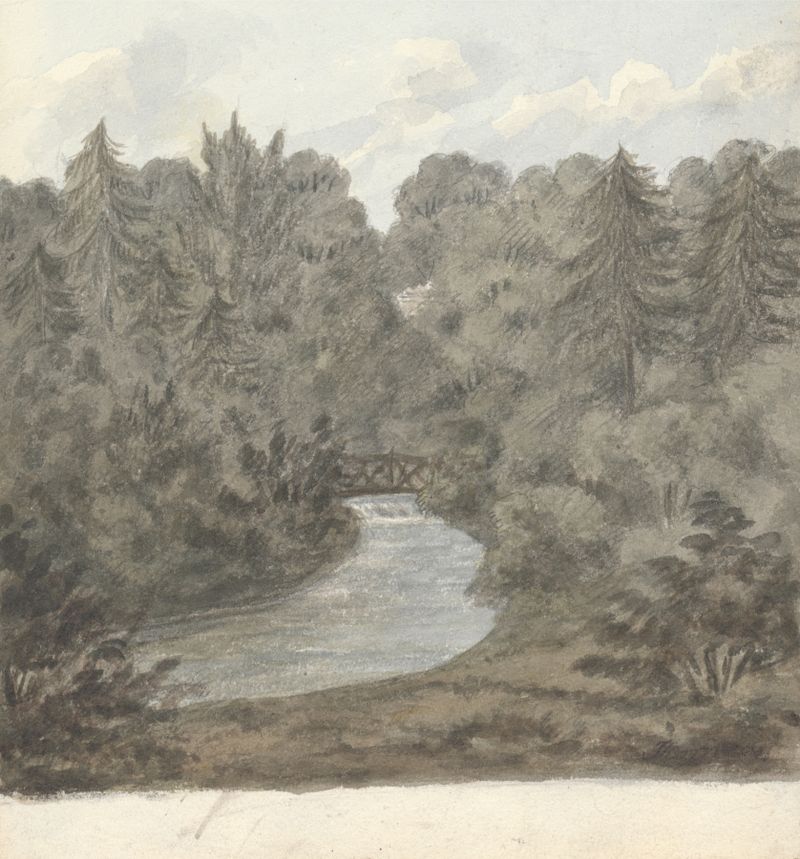
Thornery Pool, Sezincote
Anne Rushout
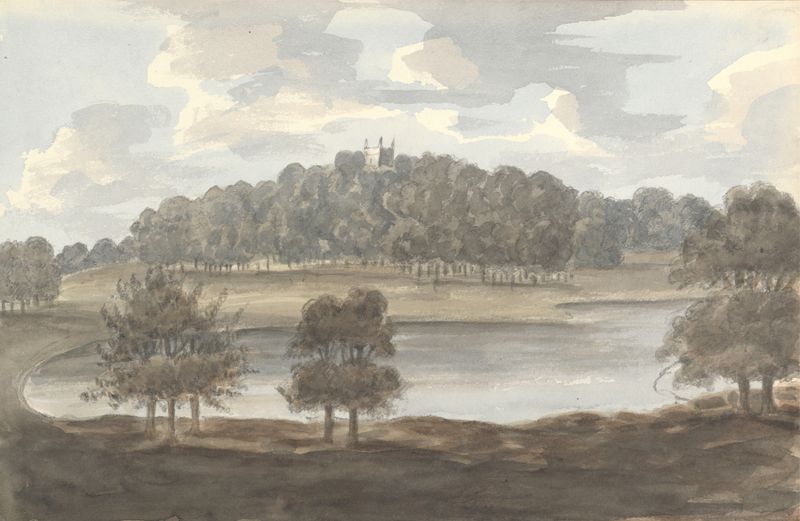
Holkham, August 1824
Anne Rushout

Grove Cottage, Wanstead May 18th, 1825
Anne Rushout
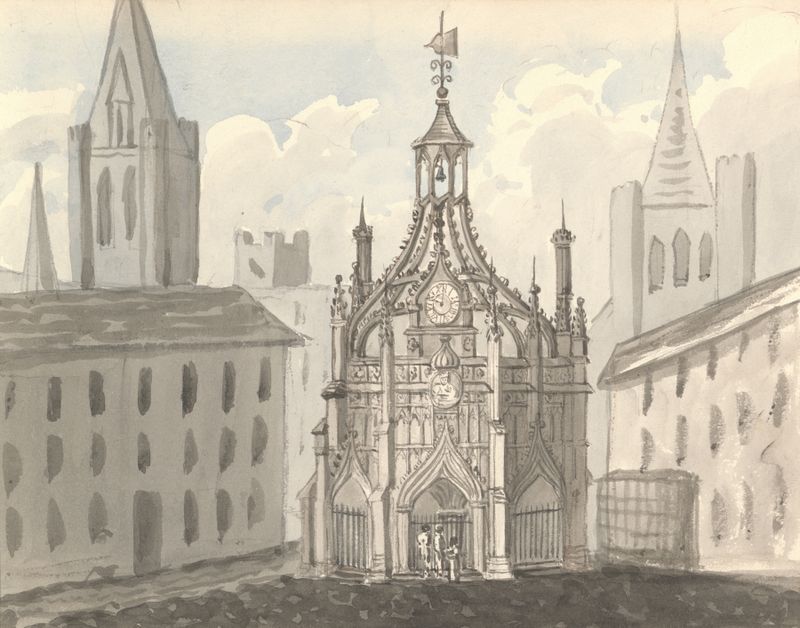
From Inn at Chichester, July 1828
Anne Rushout
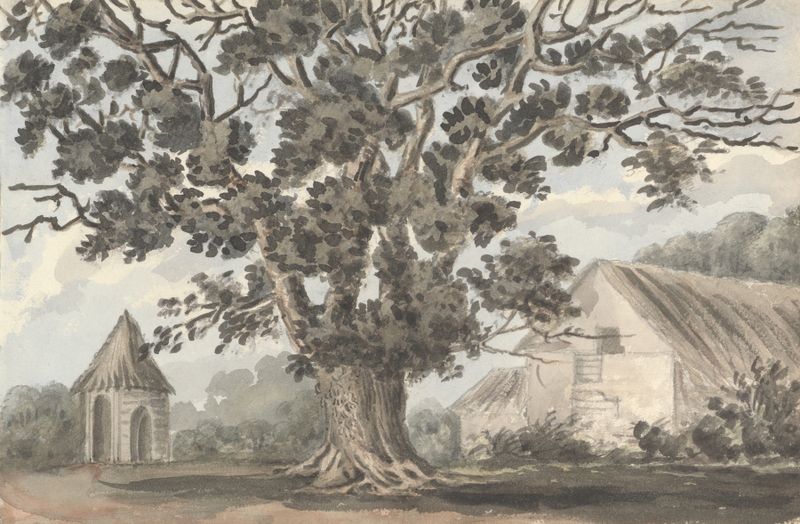
Queen Elizabeth’s Oak near Finborough Hall
Anne Rushout

Holkham, August 1824
Anne Rushout
Temple and Falls, Sezincote
Anne Rushout

From Flower Garden, Wanstead Grove
Anne Rushout

From Window at Eastnor Castle, Gloucestershire Beacon, September 28, 1829
Anne Rushout

From Portico at Wanstead Grove, May 24, 1825
Anne Rushout





