Garten in Travemünde — History & Facts
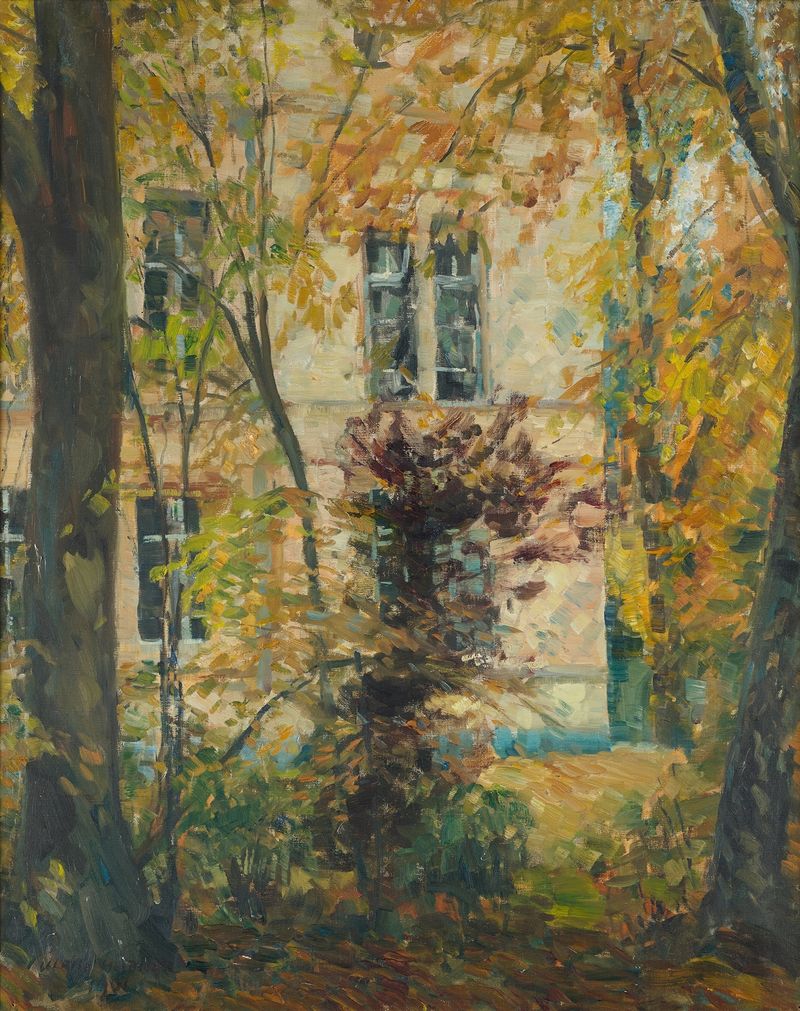
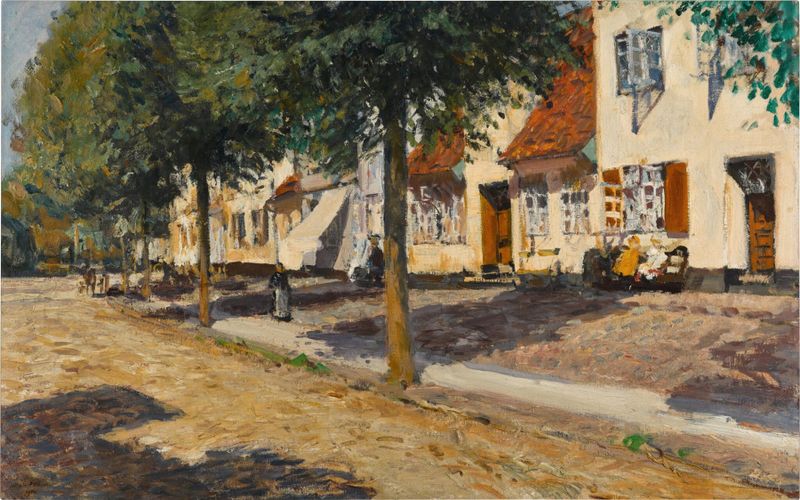
How does one navigate the tumult of emotion woven into the fabric of a garden? The interplay of light and shadow can reveal hidden betrayals nestled among the blooms. Look to the vibrant greens that dominate the canvas, inviting you into a lush embrace. Notice how the sunlight dapples through the leaves, casting intricate patterns upon the path. The juxtaposition of wild, untamed flora against a meticulously arranged design suggests an underlying tension, a whisper of discord in what appears to be a serene setting.
Each stroke pulses with life, yet hints at a deeper struggle beneath the surface. Within this garden, feelings of nostalgia clash with the reality of loss. The chaotic arrangement of flowers suggests a narrative of disarray and the inevitable passage of time, while the calmness of the garden’s structure speaks of longing and unresolved emotions. Look closer at the subtle hints of decay; some petals have begun to fade, reminding us of moments lost and relationships once cherished.
This duality invites the viewer to reflect on the nature of connections and the betrayals that can flourish in silence. Ulrich Hübner painted Garten in Travemünde in 1919, a time marked by the aftermath of World War I, as many artists grappled with themes of trauma and reconciliation. Living in Germany, Hübner sought solace and inspiration in nature, channeling his experiences into his work. This era of artistic exploration not only shaped his vision but also mirrored the societal upheaval around him, offering a lens through which to engage with complex emotions.