Alt-Travemünde — History & Facts
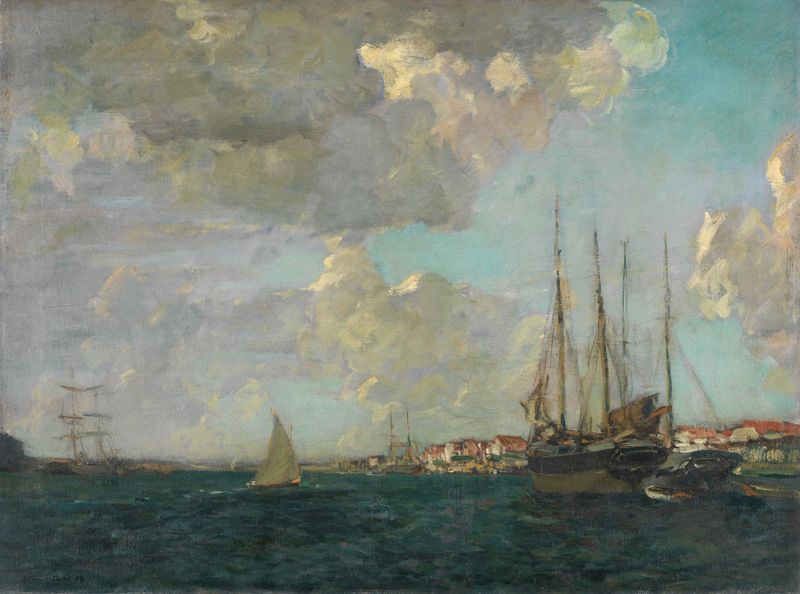
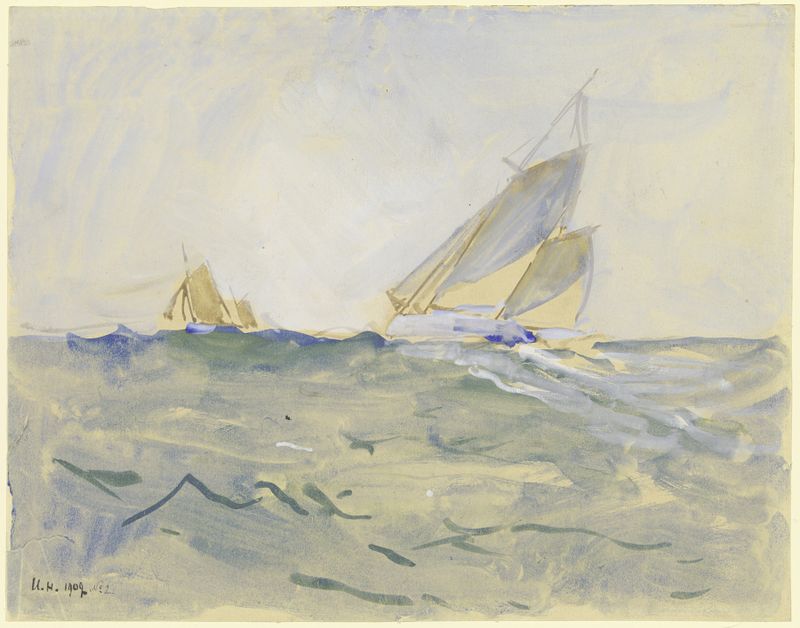
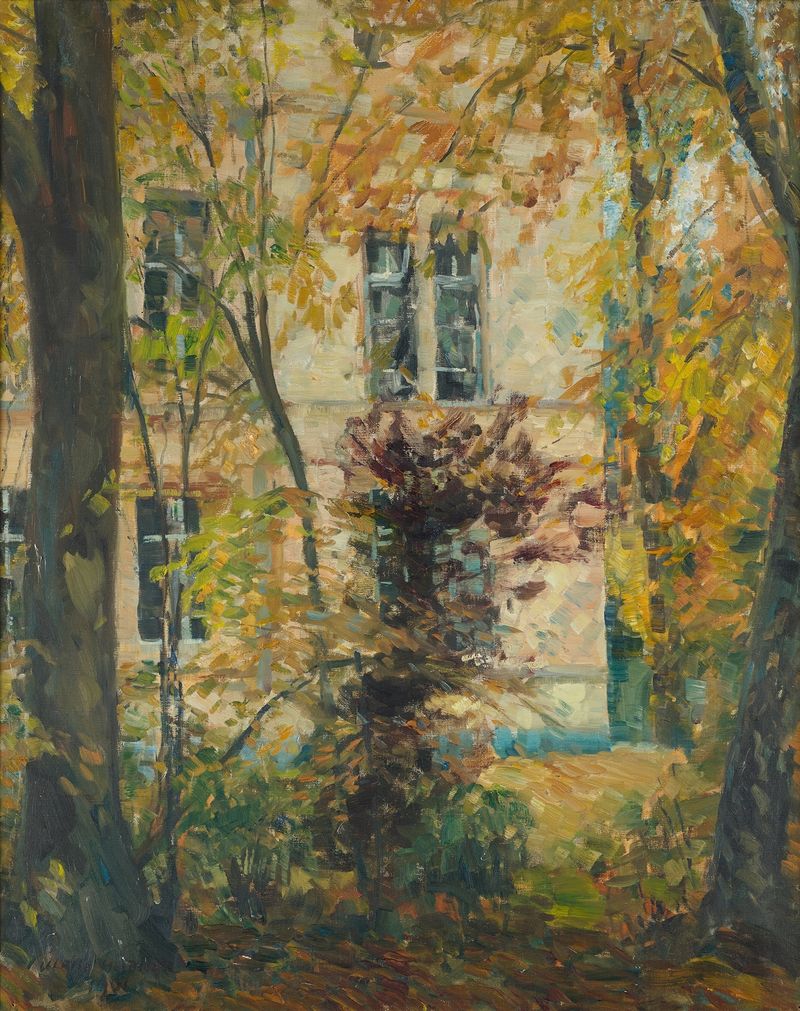
Could beauty survive in a century of chaos? In a world marred by conflict and rapid change, the essence of longing permeates the canvas, silently beckoning the viewer to embrace the fleeting wonders of existence. Look to the horizon, where the ocean meets a sky brushed with soft pastels; the gentle hues create a dreamlike quality that invites exploration. Notice how the delicate interplay of light reveals the subtle textures of the water, while the distant figures, mere silhouettes against the expansive backdrop, evoke a sense of both solitude and connection. The artist’s meticulous brushstrokes breathe life into the scene, capturing the restless motion of the waves and the tranquil beauty of an everyday moment. Within this work lies a poignant contrast between the serene landscape and the underlying tension of the time.
The bright horizons suggest possibility and hope, yet the muted tones carry an echo of uncertainty, as if hinting at the turmoil just beyond the canvas. Each brushstroke whispers of nostalgia, a yearning for moments that may seem lost but remain vividly alive in memory. The light dances across the surface, suggesting that beauty, while fragile, persists amidst the chaos of life. In 1906, during a period of artistic experimentation and societal upheaval, the creator found himself deeply influenced by the shifting tides of modernity.
Residing in Germany, he observed the burgeoning expressionist movement, which sought to convey emotional depth and individual experience. This painting, emerging from that context, encapsulates both the personal and collective yearnings of an era grappling with profound transformation.