Sommertag — History & Facts
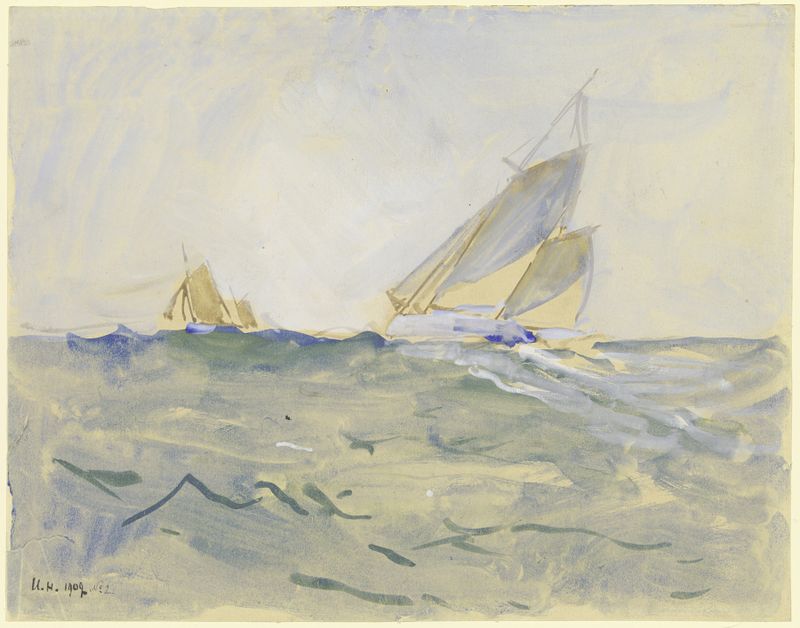
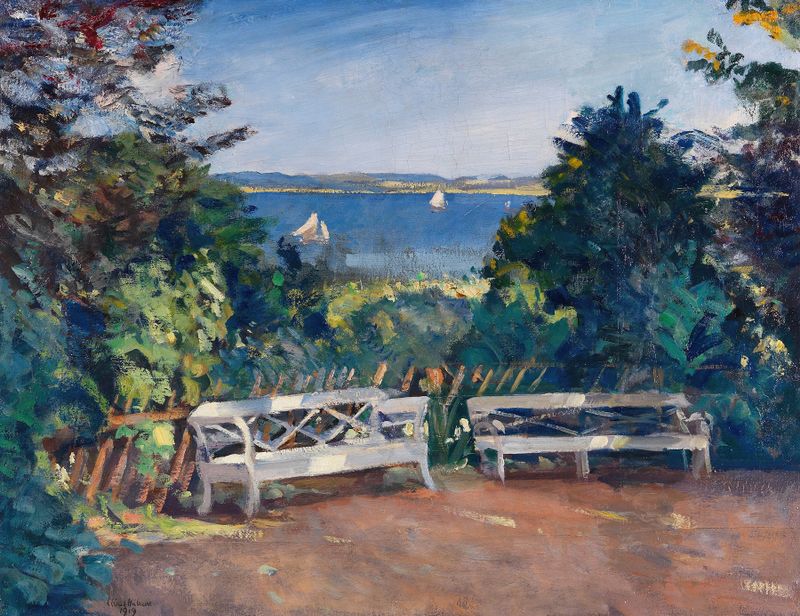
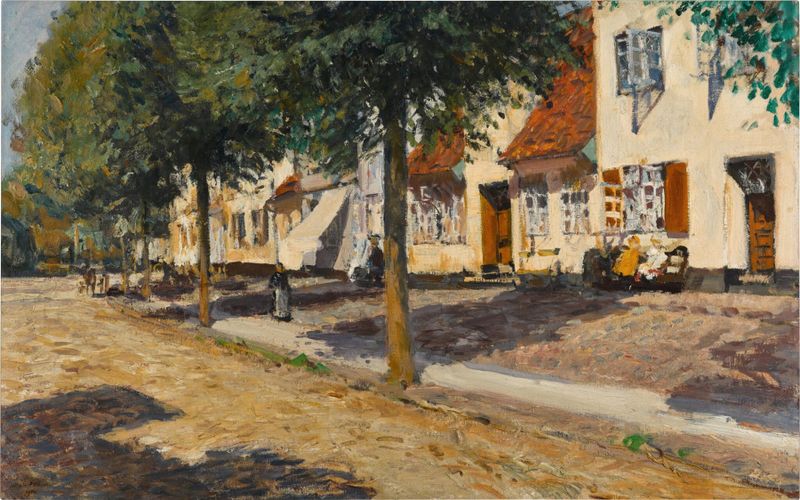
What if beauty was never meant to be finished? In Sommertag, the essence of summer breathes life into an unfinished narrative, inviting contemplation on the void that beauty sometimes occupies. Look to the center of the canvas, where a vibrant field of golden wheat unfurls under a cerulean sky. The brushstrokes are loose and expressive, conveying movement as if the light breeze dances through the blades. Notice how the dappled sunlight falls upon the wheat, creating a harmony of warm yellows and soft greens that pulse with life.
The horizon, however, remains distant and somewhat unresolved, leaving an impression of something just out of reach. Delving deeper, the painting contrasts the vivacity of the foreground with the stillness of the background. The seemingly endless field evokes feelings of abundance and joy, yet the vague outline of the horizon hints at an infinite expanse, reinforcing a sense of void. This dichotomy invites the viewer to ponder the relationship between fullness and emptiness, pleasure and longing—a visual metaphor for the transient nature of summer itself. Ulrich Hübner painted Sommertag in 1909 during a time of artistic exploration within Germany.
Emerging from the influence of Impressionism, he sought to capture the ephemeral beauty of nature, reflecting the broader artistic movements that embraced color and light. At this point in his life, Hübner was establishing his voice as a landscape painter, keenly aware of the shifting emotional undercurrents in both art and society.