
Gebirgsschlucht mit tosendem Wasserfall — History & Facts
What if beauty was never meant to be finished? In the depths of nature’s grandeur, a haunting sense of betrayal lingers, suggesting that even the most serene landscapes are fraught with unseen tensions. Focus on the vivid palette of earth tones that define the rugged mountain landscape. The artist deftly captures the tumultuous cascade of the waterfall, directing your gaze to the lower right corner where water crashes against the rocks, sending frothy sprays into the air. Notice how the interplay of light and shadow amplifies the drama of the scene, evoking a sense of motion and a reminder of the relentless passage of time.
The jagged peaks loom above, painted with jagged brushstrokes that mirror their unforgiving nature, while patches of green vegetation sway in contrast, whispering tales of resilience amid chaos. The juxtaposition of the serene greenery against the brutal force of the waterfall speaks volumes about life's dualities—beauty and violence, tranquility and turmoil. The viewer is drawn into this complex interplay, where the cascading water symbolizes the uncontrollable force of nature and the inevitability of change. In each rock and ripple, there’s a reminder of the fleeting nature of peace, hinting at the quiet betrayal of all that seems unyieldingly beautiful. In 1880, Edward Theodore Compton painted this work while living in Germany, a period marked by a growing interest in capturing the sublime beauty of nature.
This era saw the rise of Romanticism in art, where artists sought to explore deep emotional responses to landscapes. Compton shared this vision, immersing himself in the mountainous regions that inspired his explorations of light, form, and the raw beauty of the natural world.
More Artworks by Edward Theodore Compton
Browse all →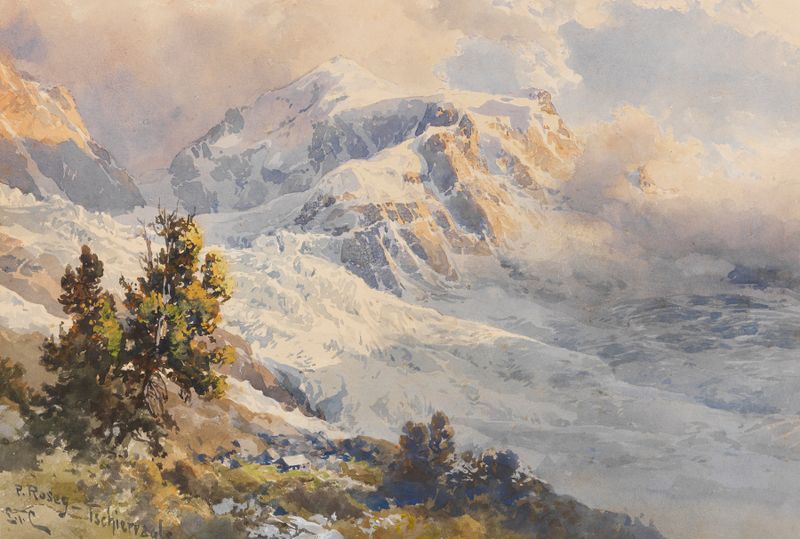
Piz Roseg – Tschiervagletscher
Edward Theodore Compton
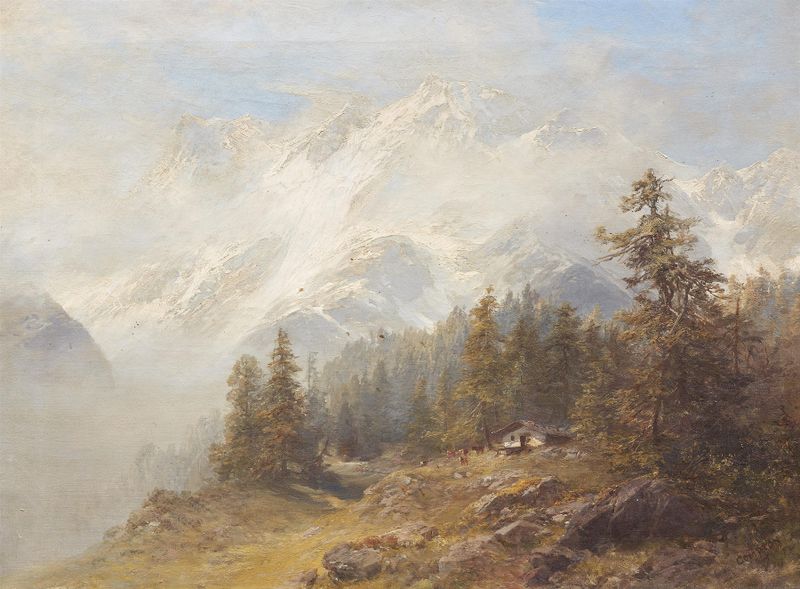
Alpenlandschaft vor schneebedecktem Massiv
Edward Theodore Compton
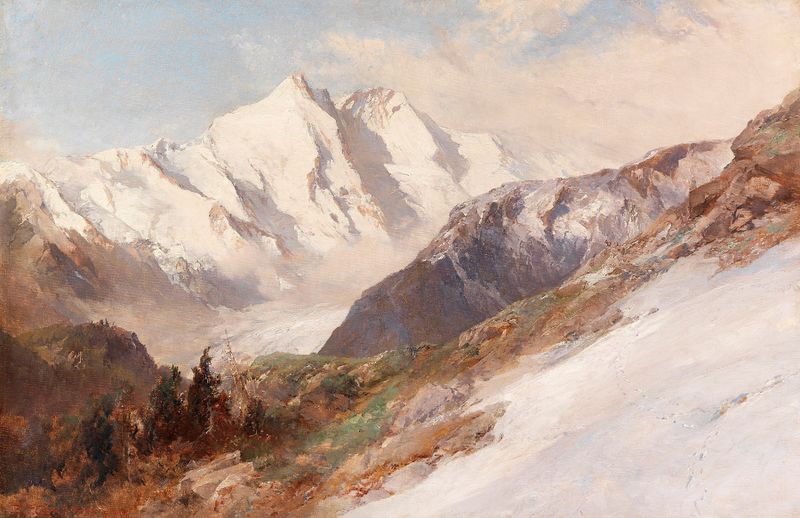
Blick auf die Nordseite des Großglockners
Edward Theodore Compton
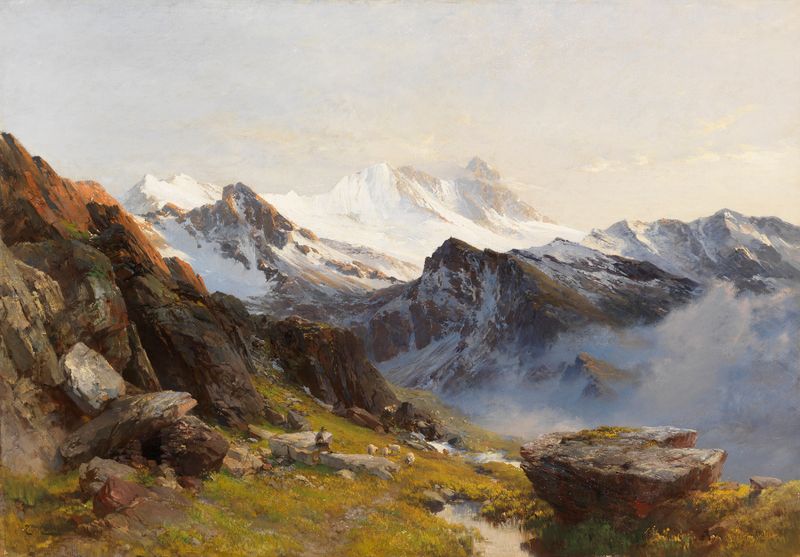
Großglockner von der Prager Hütte aus, früh
Edward Theodore Compton
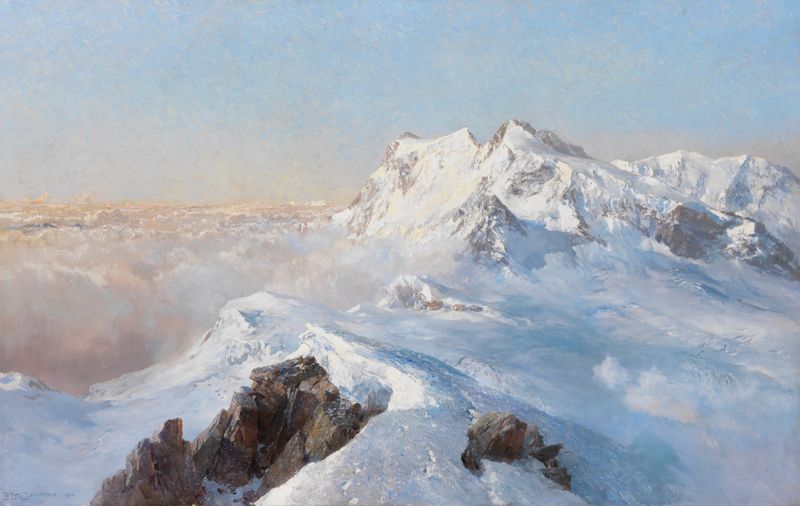
Über dem Nebelmeer (Monte Rosa vom Rimpfischhorn)
Edward Theodore Compton
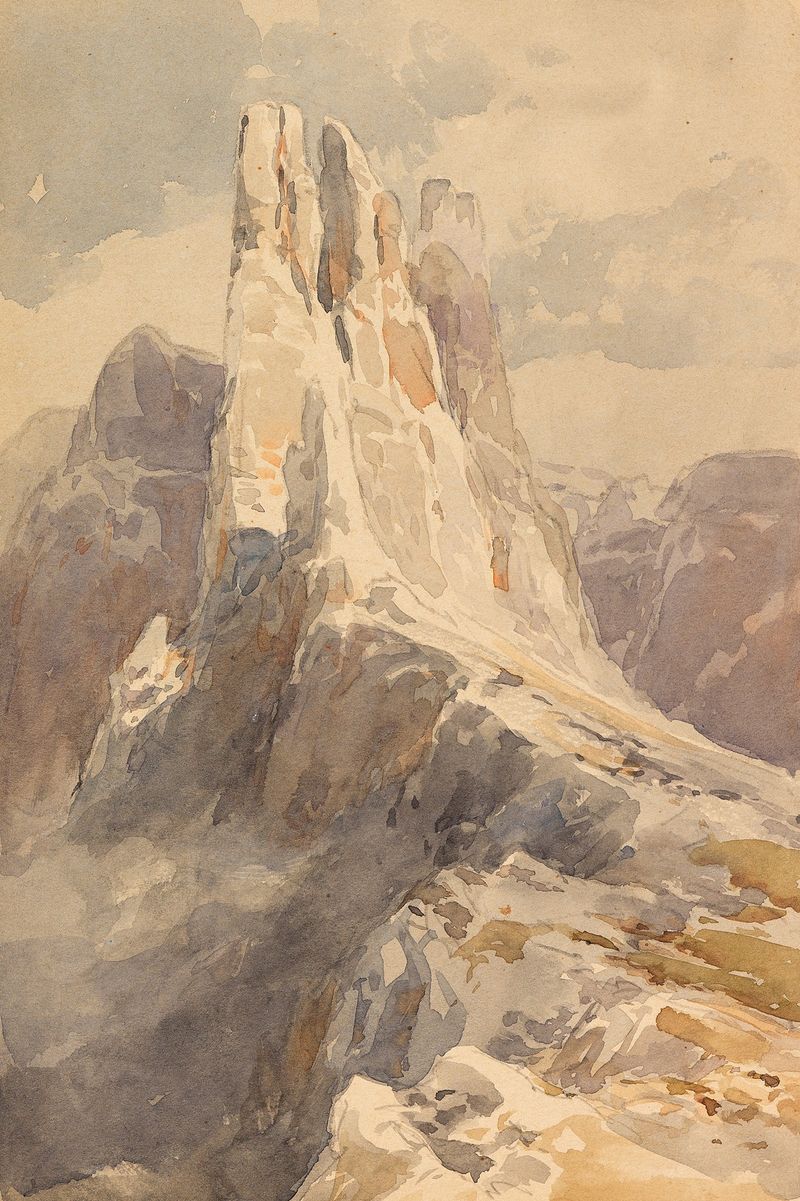
Blick auf die Vajolet-Türme in den Dolomiten
Edward Theodore Compton
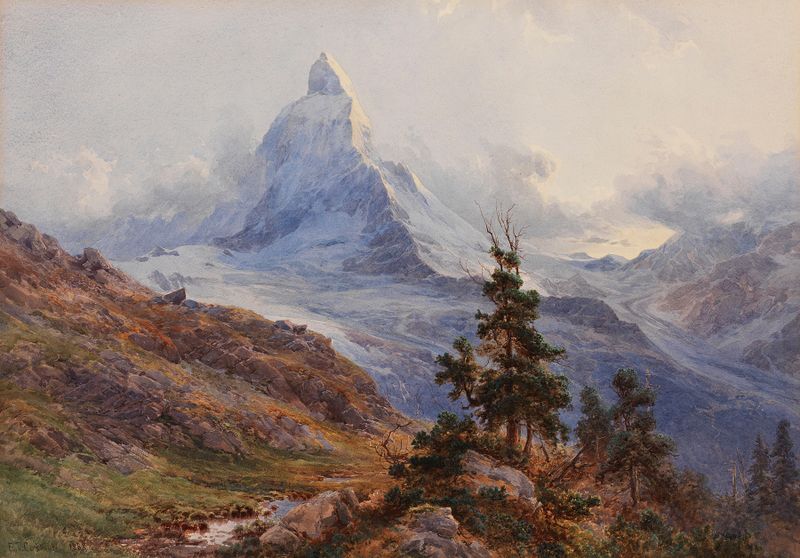
View of the Matterhorn
Edward Theodore Compton
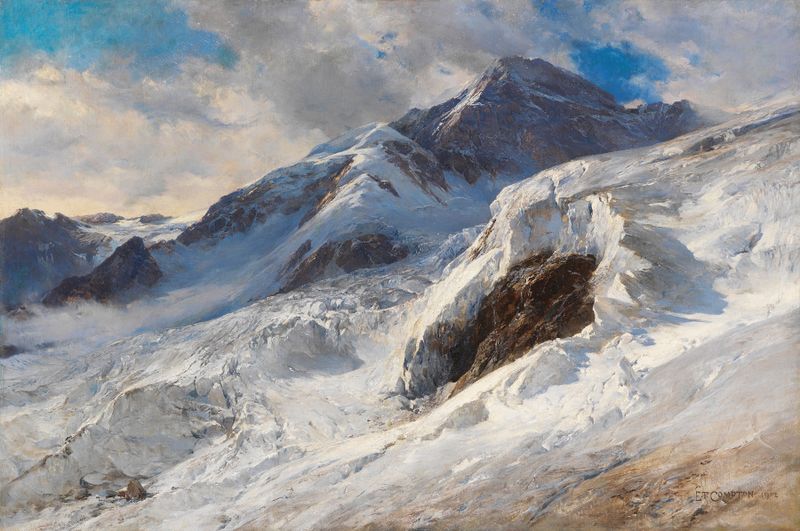
Lyskamm (Monte-Rosa)
Edward Theodore Compton
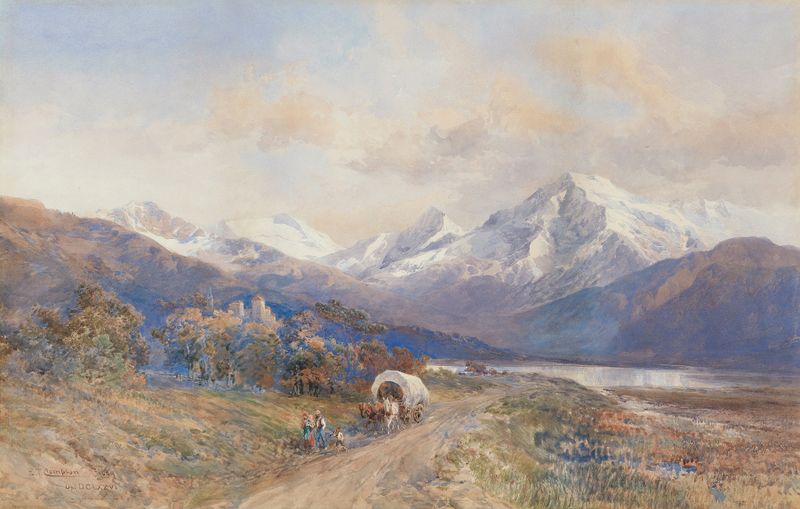
Blick auf den Ortler von St. Valentin
Edward Theodore Compton
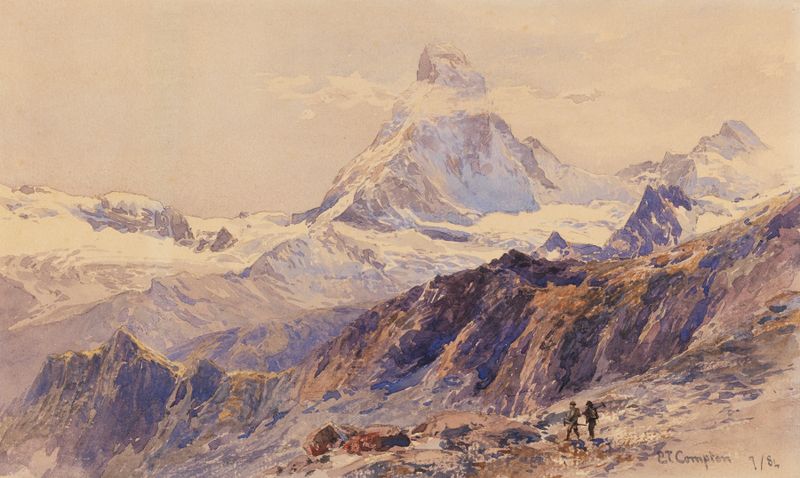
Das Matterhorn von der Triftkumme
Edward Theodore Compton





