
Gebirgstal mit Figurenstaffage — History & Facts
In times of revolution, the act of creation becomes an act of defiance, a way to immortalize fleeting moments of beauty and turmoil. Focus your gaze on the serene valley unfurling across the canvas, where the peaks loom majestically against a serene sky. Notice the gentle interplay of greens and blues that breathe life into the landscape, urging you to explore every crevice. Look closely at the figures nestled within the scene; their poised postures and muted colors hint at a narrative simmering beneath the tranquil surface, inviting a deeper engagement with the composition. Hidden within this seemingly peaceful vista lies the tension of societal change.
The distant mountains stand as silent witnesses to the struggles that ripple through the valley, while the figures—small yet significant—represent the everyday lives quietly affected by the winds of revolution. The light, subtly illuminating the foreground, creates a juxtaposition between the calm of nature and the unrest that simmers just out of sight, establishing an emotional dichotomy that resonates throughout the painting. Gustav Barbarini created Gebirgstal mit Figurenstaffage in 1868, during a period marked by upheaval in Europe following the revolutions of 1848. Living through a time of shifting political landscapes and artistic movements, Barbarini sought to capture not just the external beauty of his surroundings, but also the internal struggles faced by individuals.
His work reflects a longing to document the essence of humanity amidst the chaos, a testament to the complexities of life in times of change.
More Artworks by Gustav Barbarini
Browse all →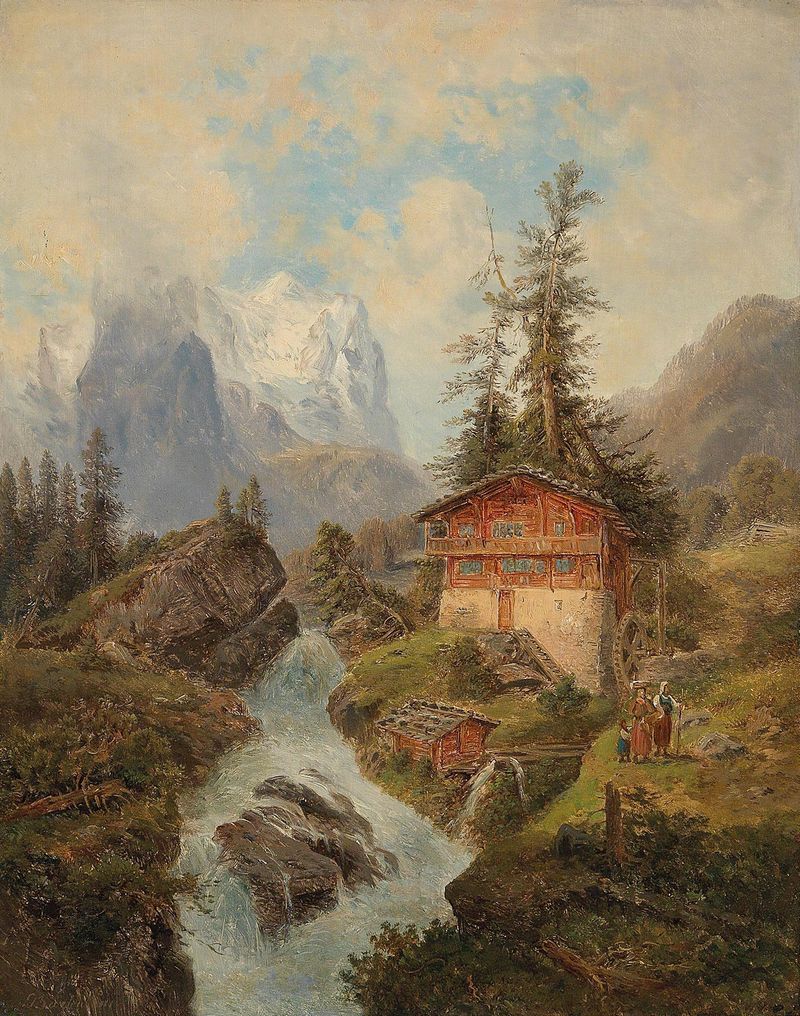
Das Wetterhorn
Gustav Barbarini
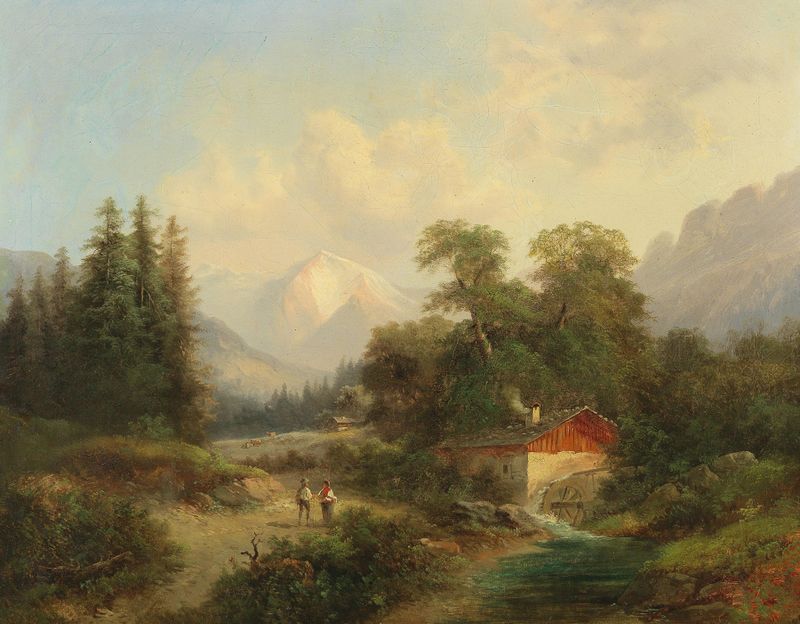
View of the Breite Riss, Puchberg in the Schneeberg Region
Gustav Barbarini
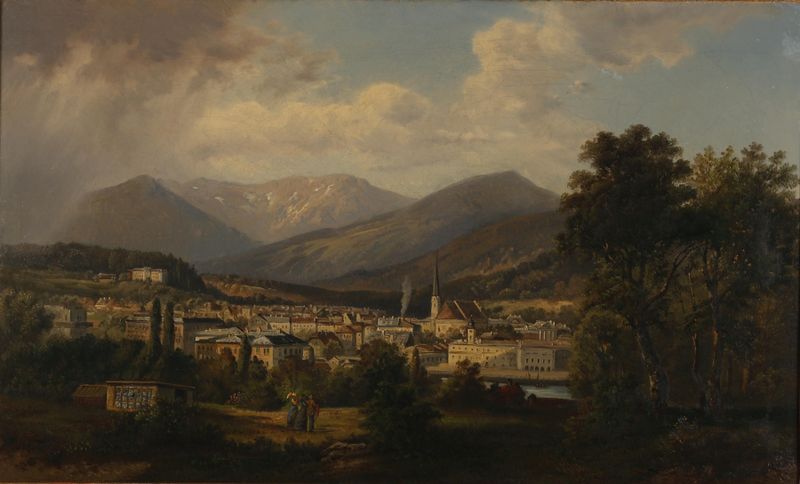
Blick auf Bad Ischl
Gustav Barbarini
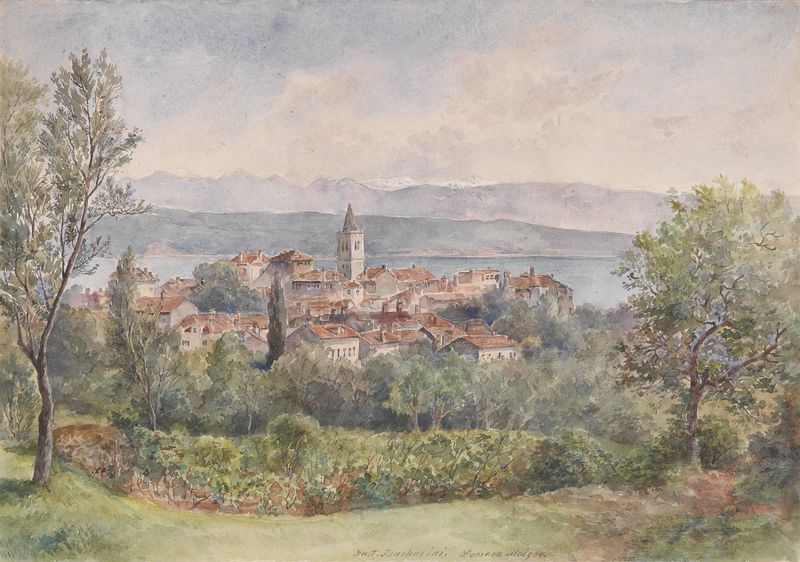
Blick auf Lovran
Gustav Barbarini
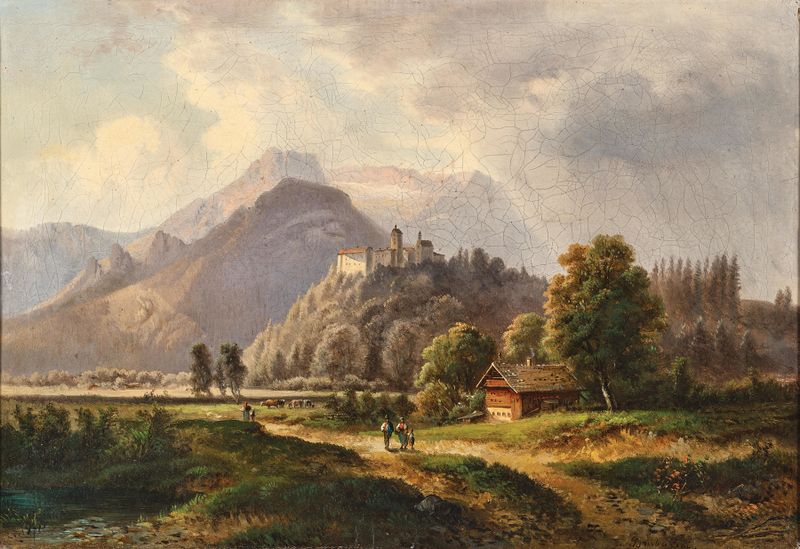
A View of the Glanegg Castle Ruins
Gustav Barbarini
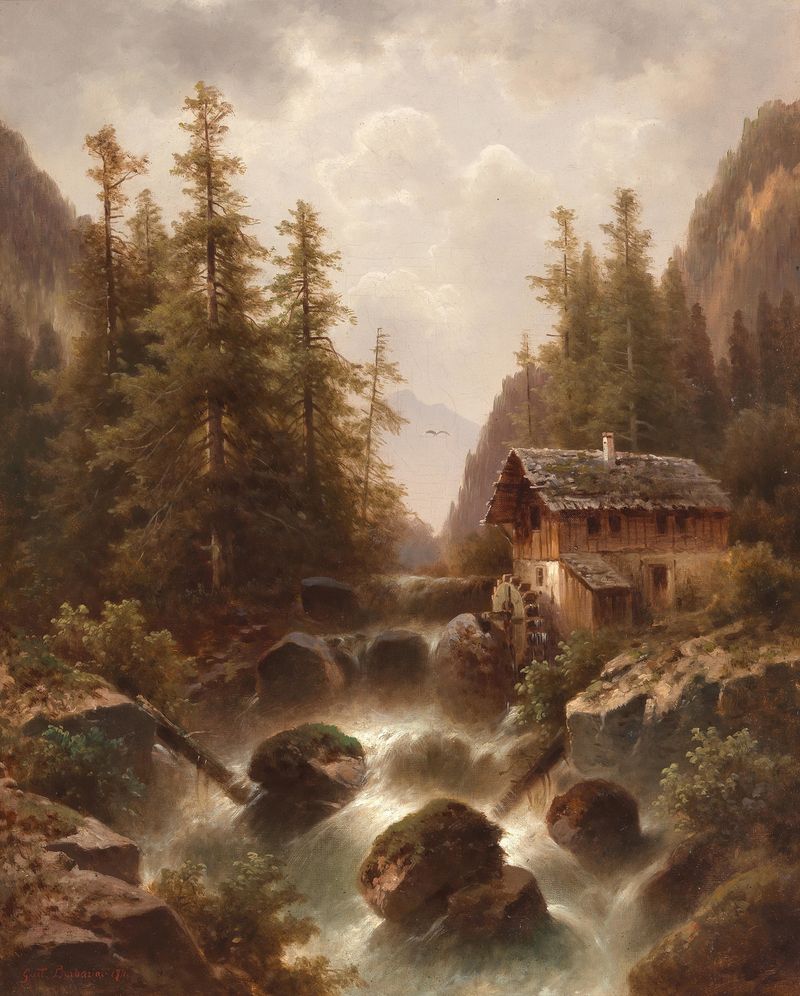
A Mill by a Mountain Torrent
Gustav Barbarini
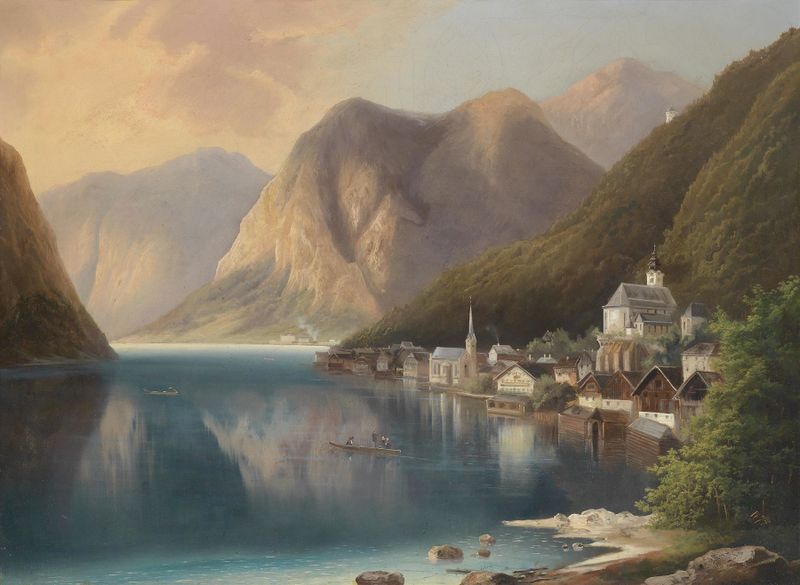
Blick auf Hallstatt
Gustav Barbarini
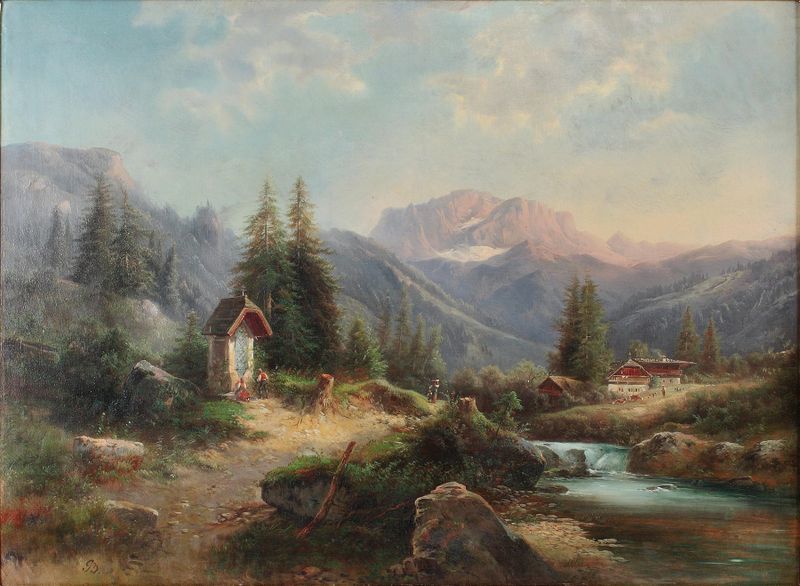
Bachlandschaft mit Figurenstaffage
Gustav Barbarini
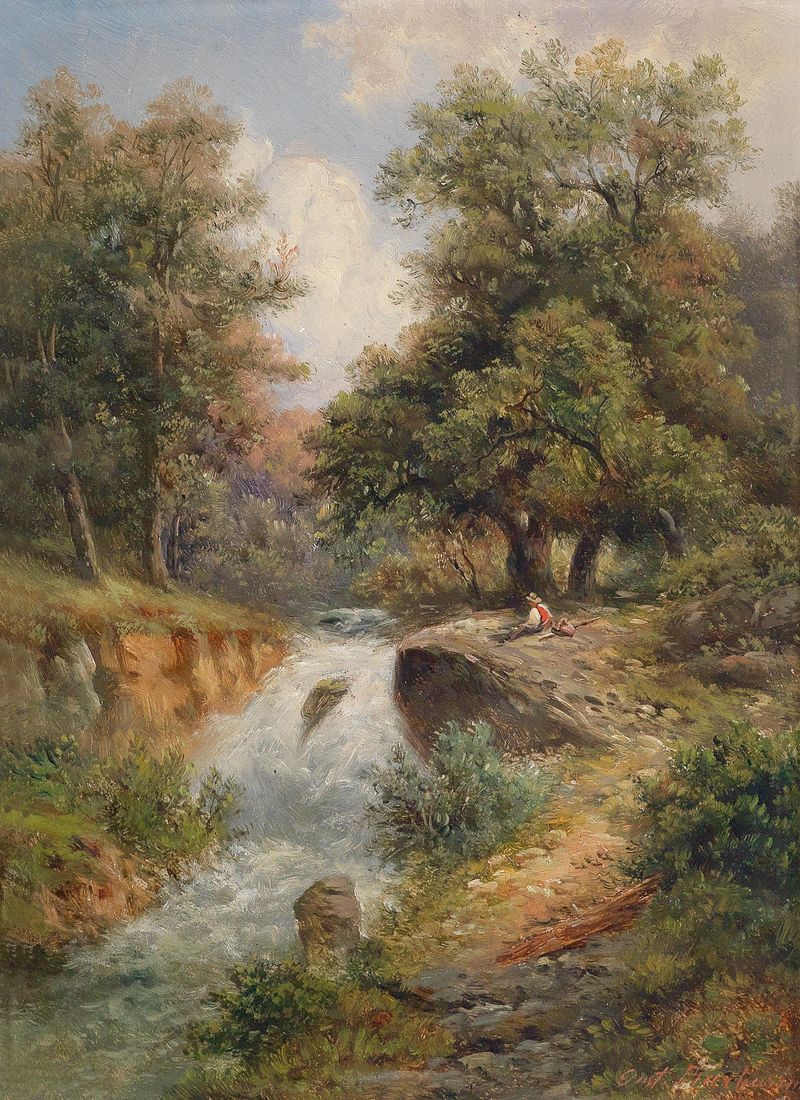
Wasserfall in Tirol in Windisch-Matrei
Gustav Barbarini
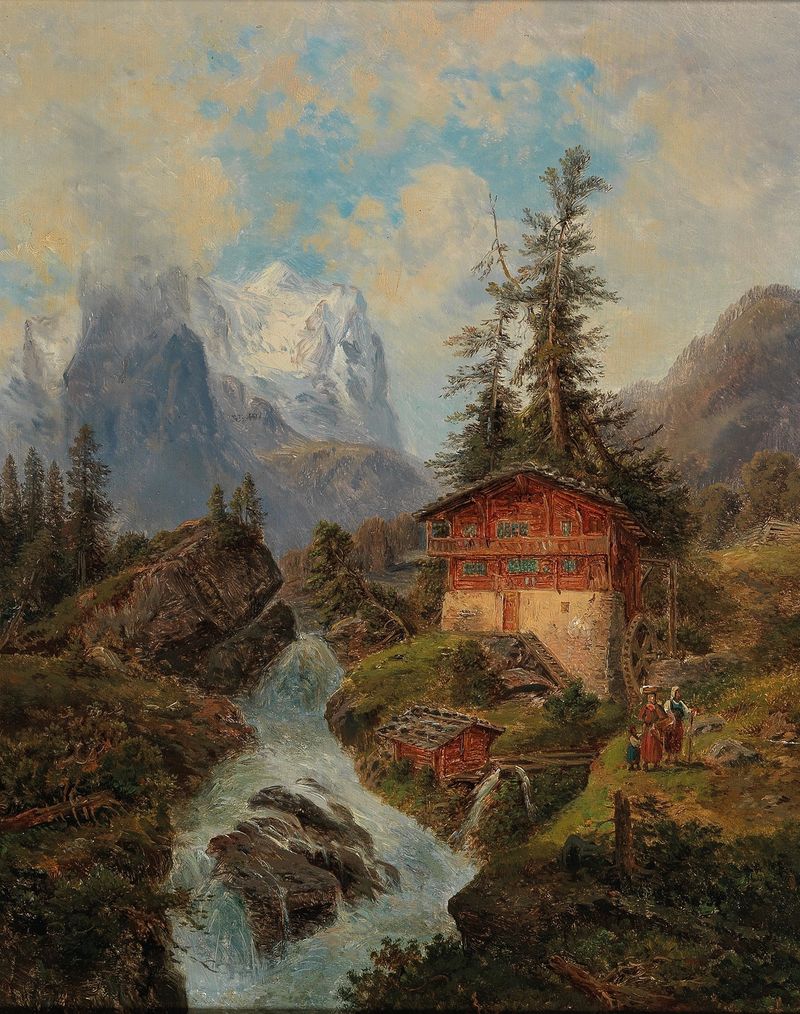
Das Wetterhorn in der Schweiz
Gustav Barbarini





