
Geese Herder — History & Facts
In Geese Herder, the artist crafts a quiet yet profound reflection on the cycle of life, revealing the delicate interplay between existence and mortality. Look to the center, where the herder stands resolutely, surrounded by a flock of geese. His posture exudes both confidence and weariness, encapsulating the weight of responsibility. The earth tones — rich browns and muted greens — ground the scene, while the soft brushwork suggests a fleeting moment, as if time itself is a whisper.
Notice the way light filters through the trees, casting dappled shadows on the ground, illuminating the geese with an ethereal glow, transforming a simple pastoral task into an almost sacred rite. Yet, as serene as this moment appears, a tension lies beneath the surface. The herder’s gaze is distant, reflecting an awareness of life's ephemeral nature. The geese, symbols of migration and change, echo themes of transience and the inevitability of loss.
This visual juxtaposition evokes a deeper contemplation of life’s rhythms — the joy of nurturing intertwined with the sorrow of letting go, a reminder that every beautiful moment is tinged with the sadness of its fleeting nature. Gustáv Mallý created Geese Herder in 1925 during a period marked by profound change in Europe, as the aftermath of World War I shaped artistic expressions. He was influenced by the simplicity of rural life, seeking to capture the essence of existence through the lens of everyday tasks. This painting reflects his desire to connect the mundane with the universal truths of life, solidifying his place in the art movements of the early 20th century.
More Artworks by Gustáv Mallý
Browse all →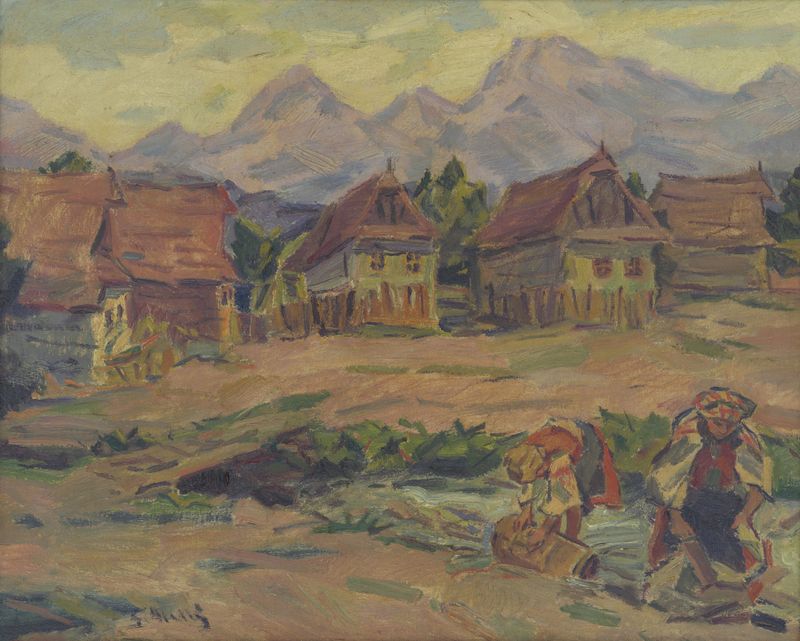
On a Brook below the Tatras
Gustáv Mallý
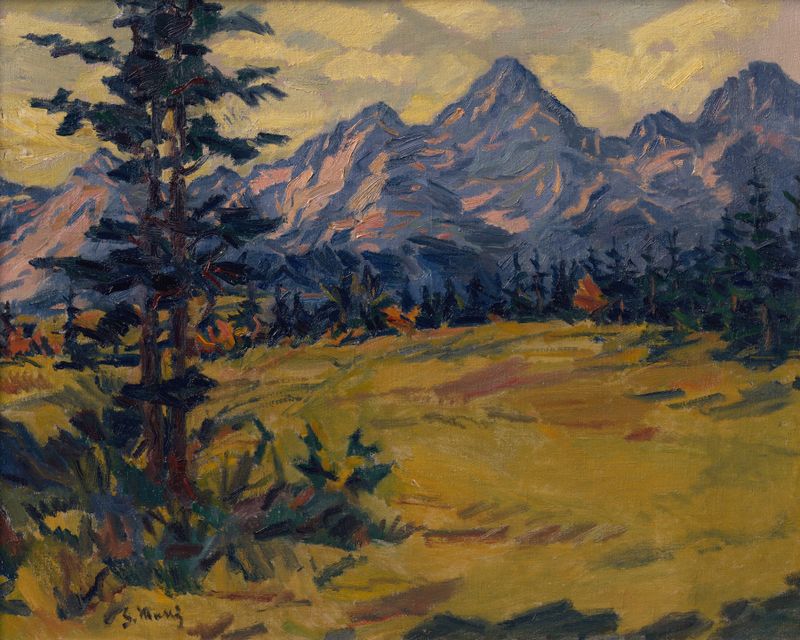
Tatras Landscape
Gustáv Mallý
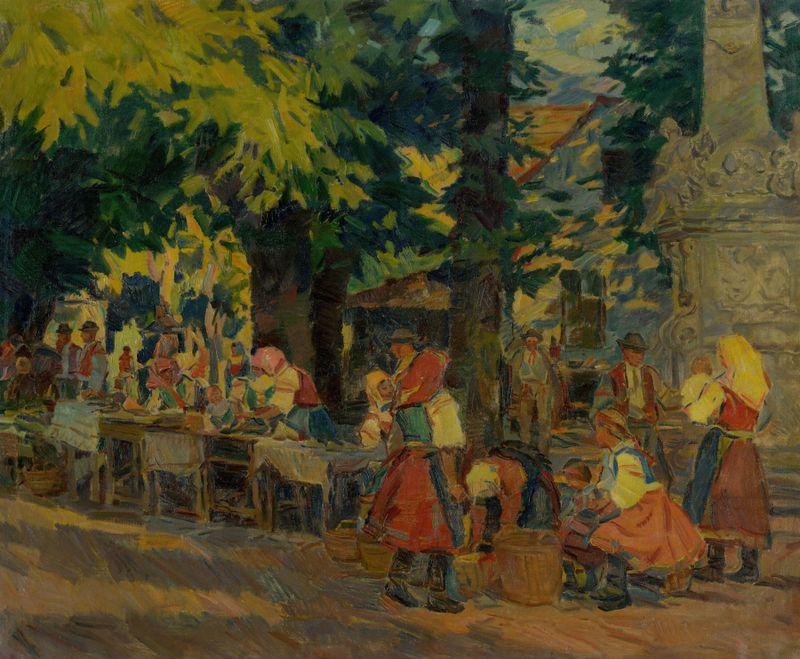
Fair in Marianka
Gustáv Mallý
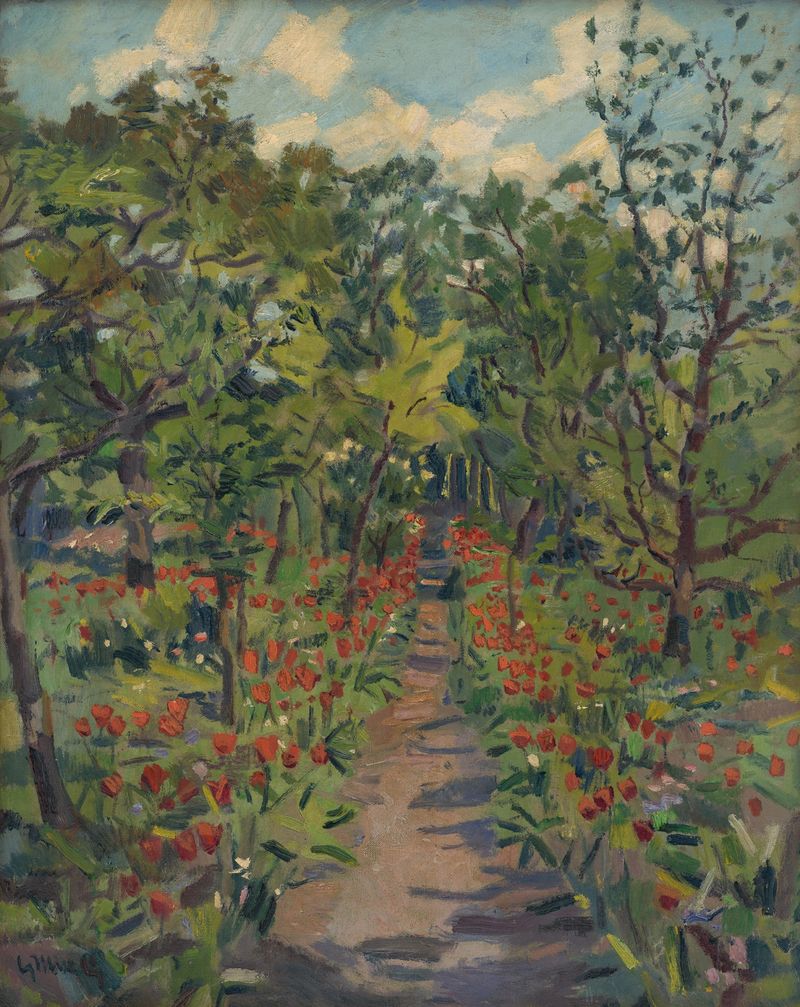
Walk in Petržalka Park
Gustáv Mallý

From the Tatras
Gustáv Mallý

Chief Shepherd with Sheep
Gustáv Mallý

Landscape from Petržalka
Gustáv Mallý
Motif from Ždiar
Gustáv Mallý
Landscape with a Fishpond
Gustáv Mallý
Summer
Gustáv Mallý





