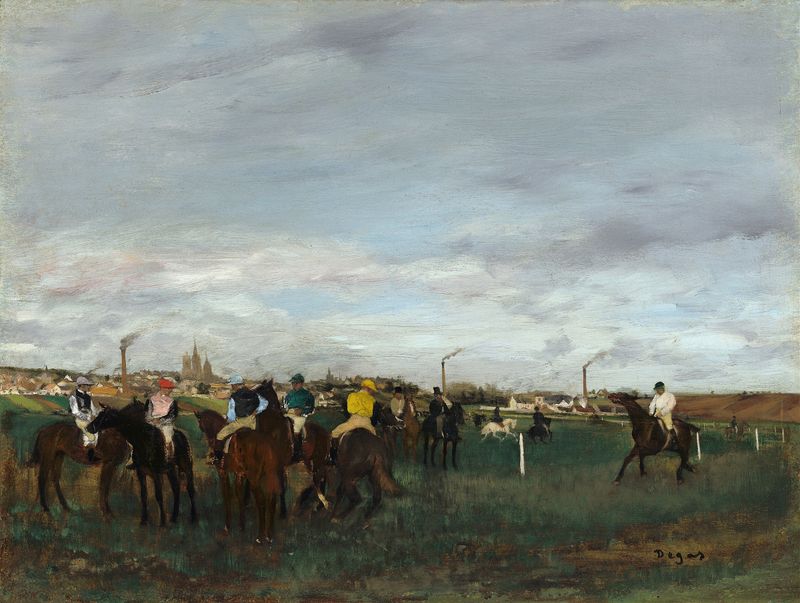
Geit met twee jongen — History & Facts
It is a poignant reflection on the transience of life, captured in the tender moment between a goat and her kids—an encounter that hints at both nurturing warmth and the inevitable passage of time. Look towards the center of the canvas, where the mother goat stands as a pillar of strength, her soft, white fur illuminated by gentle sunlight. This light, dappled and warm, glistens against the muted earth tones that surround her, creating an inviting yet contemplative atmosphere. Notice how the artist's careful brushstrokes lend texture to each animal, making their forms almost palpable, as if they could leap from the canvas.
The slightly blurred background evokes a pastoral tranquility, allowing the viewer to focus on the intimate family unit. Yet, as serene as this scene appears, a deeper tension lingers beneath the surface. The playful antics of the kids, frolicking in innocence, contrast sharply with the knowledge that life is fleeting. The mother's vigilant gaze hints at a protective instinct, reminding us of the fragility inherent in this moment.
This duality—the joy of youth against the shadow of mortality—invites contemplation about the cycles of life that bind us all. During the years 1648 to 1652, Berchem painted this work amidst a flourishing landscape of Dutch art, characterized by its celebration of nature and domesticity. He was deeply engaged in the art scene of Haarlem, influenced by his contemporaries while developing his own style. The tranquil rural scenes he produced during this period reflect a desire to capture not just beauty, but the underlying narratives of existence we all share.
More Artworks by Nicolaes Pietersz Berchem
Browse all →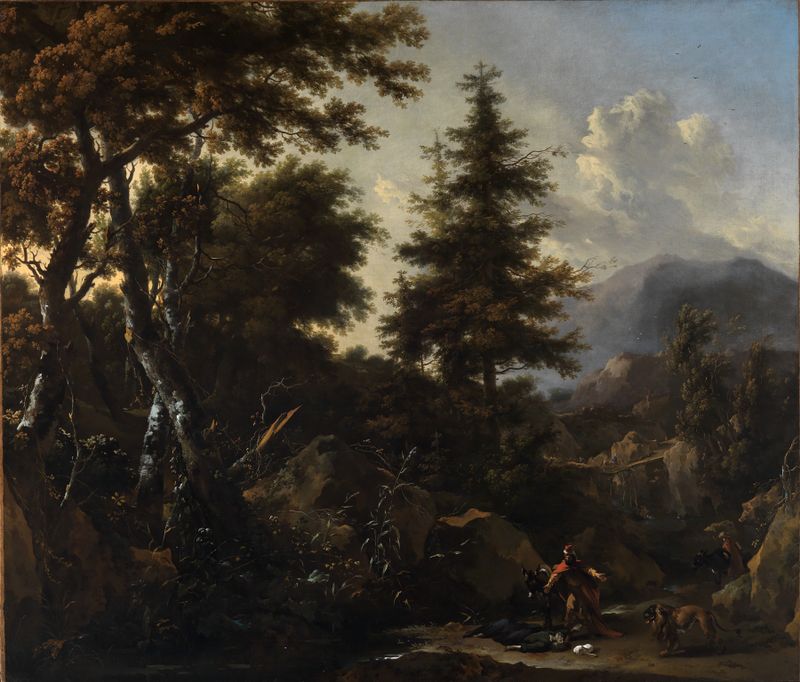
Schlucht im Bergwald mit alttestamentlicher Staffage
Nicolaes Pietersz Berchem
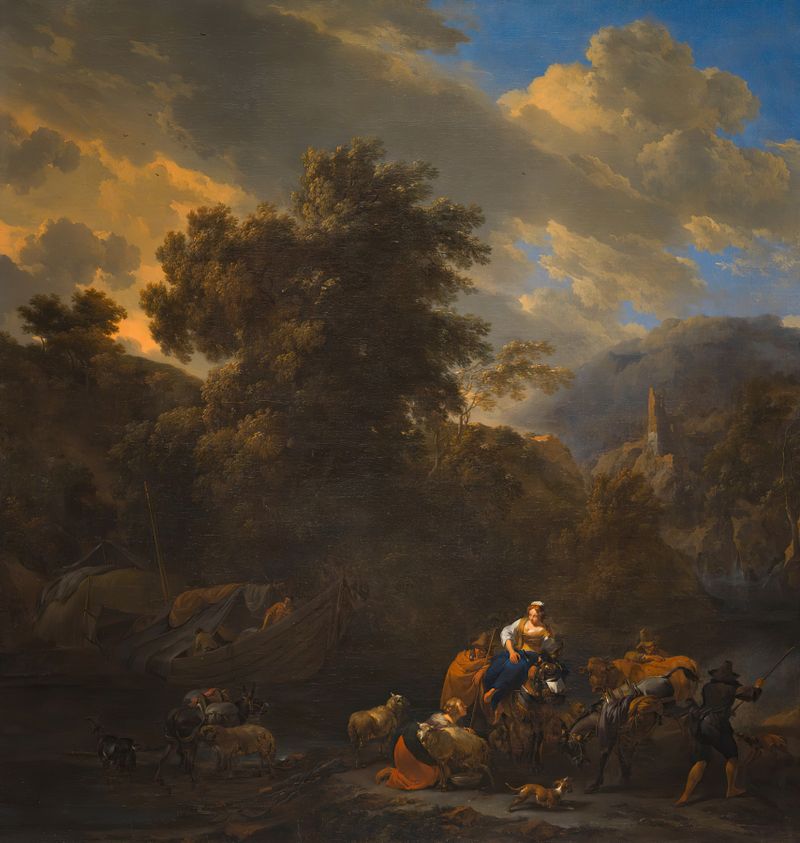
Italianate Landscape with Figures and Pack Animals on the Banks of a River
Nicolaes Pietersz Berchem
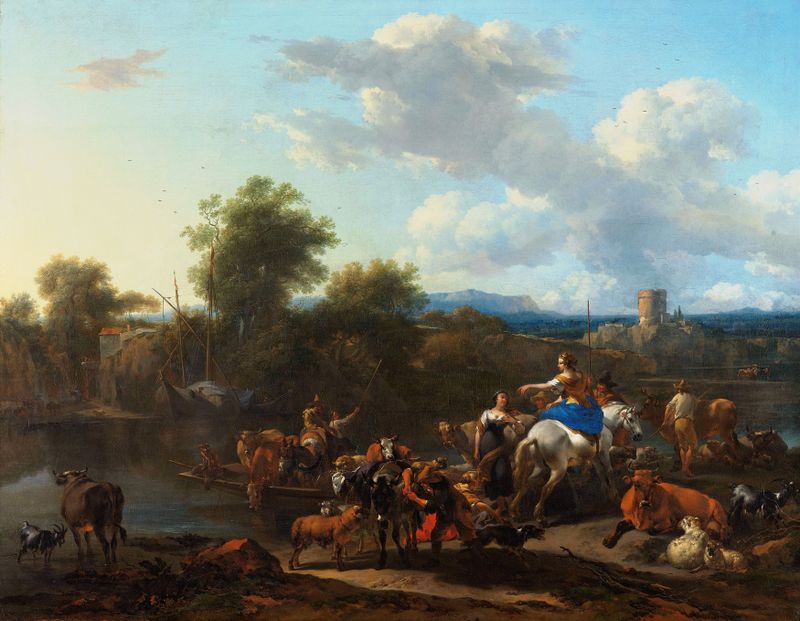
The Cattle Ferry
Nicolaes Pietersz Berchem
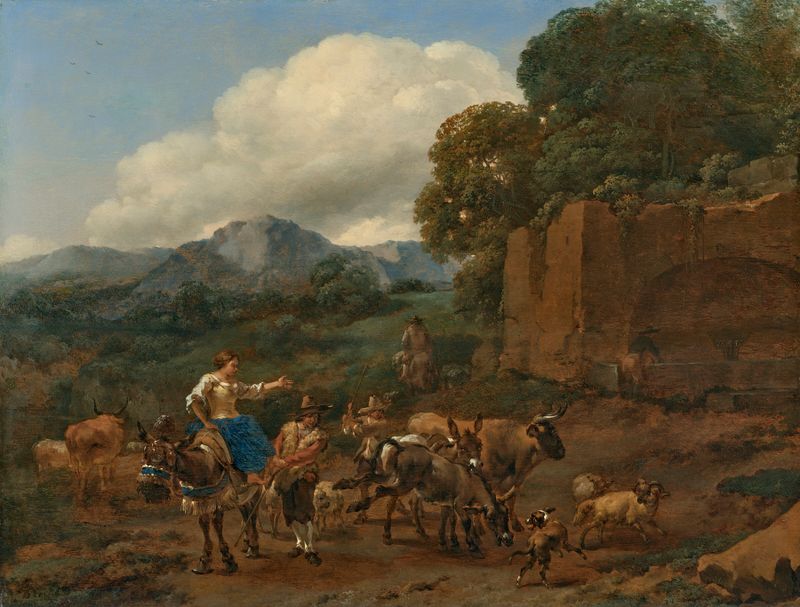
An Italianate landscape with a shepherdess on a mule and a shepherd, herding cattle, sheep, donkeys and dogs on a mountain track next to ruins
Nicolaes Pietersz Berchem
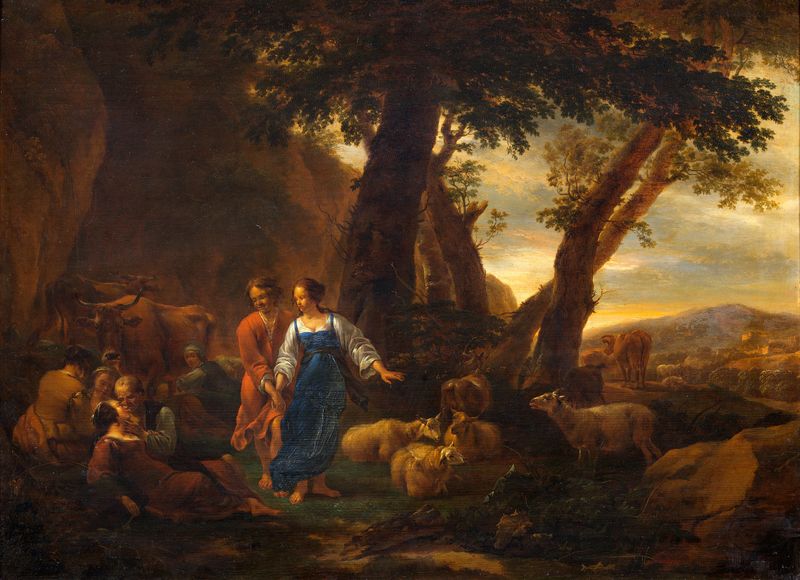
Landscape with Peasants and Cattle
Nicolaes Pietersz Berchem
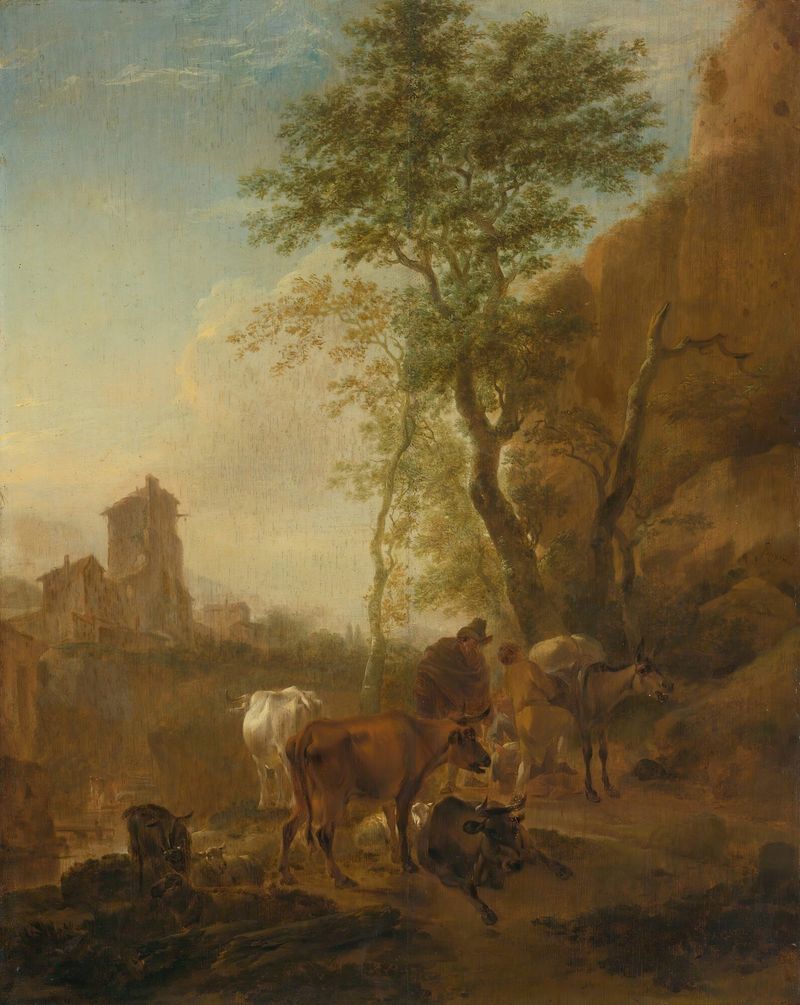
Italianate Landscape With Cows
Nicolaes Pietersz Berchem
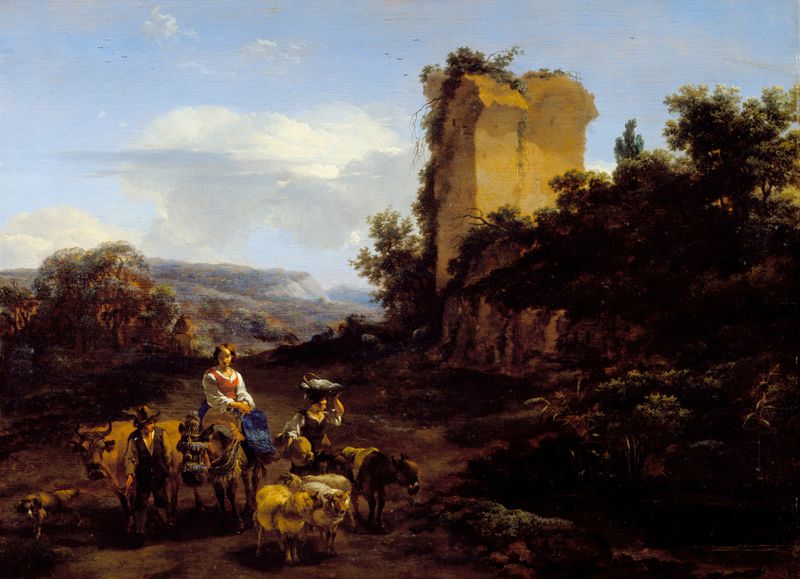
Landscape with Ruins and Travelers
Nicolaes Pietersz Berchem
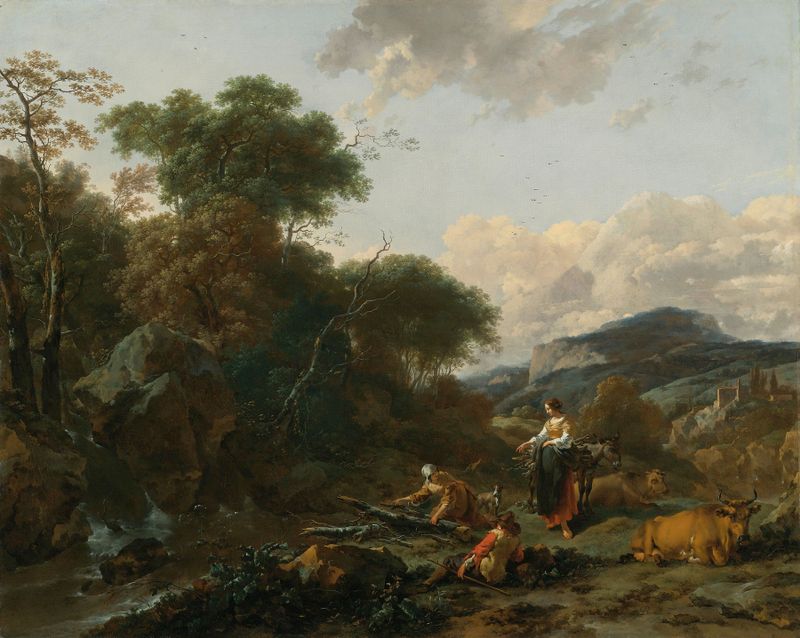
A Landscape With Figures
Nicolaes Pietersz Berchem
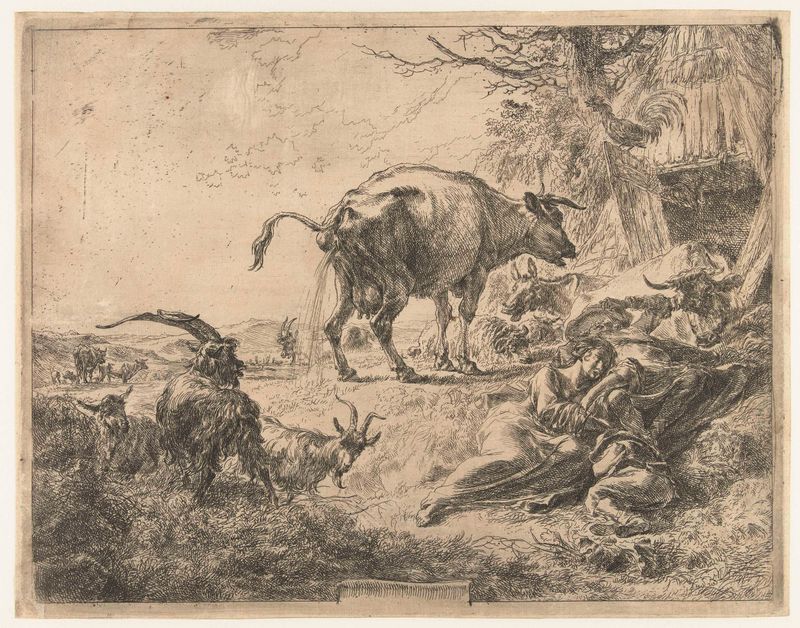
Slapende herdersfamilie en rustend vee
Nicolaes Pietersz Berchem
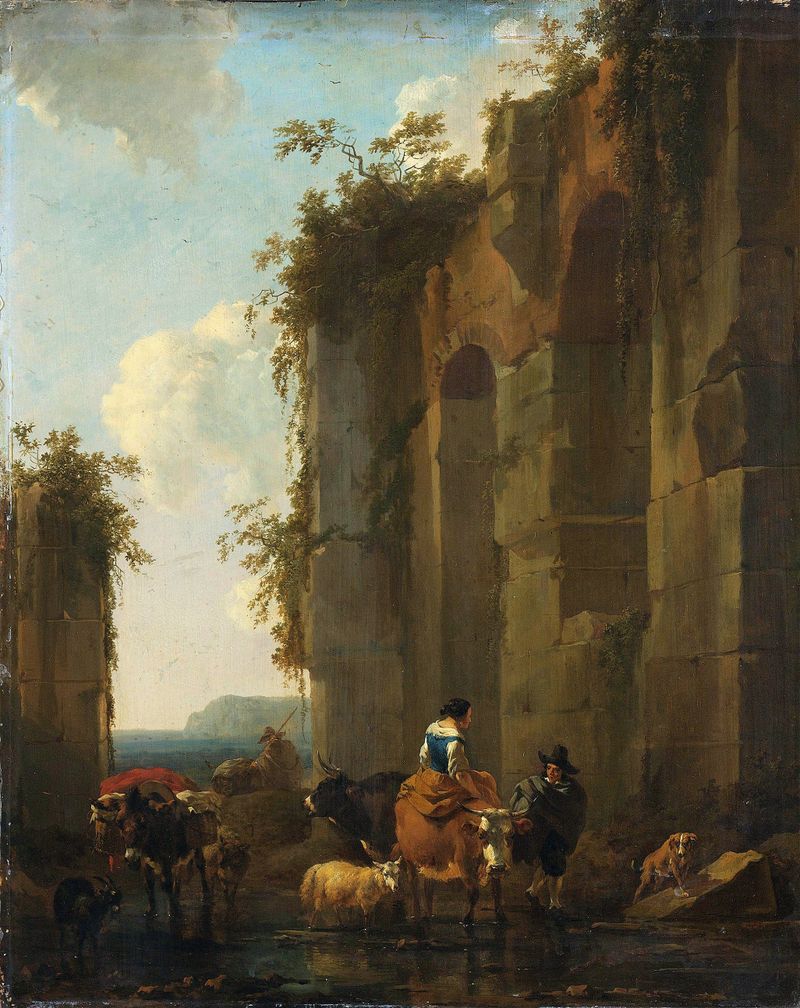
Ruins in Italy
Nicolaes Pietersz Berchem