
Gerechtigheid van Trajanus — History & Facts
In Hans Sebald Beham's Gerechtigheid van Trajanus, this revelation unveils itself through the interplay of justice and the human condition, encapsulating a moment of profound moral inquiry. Begin by gazing at the central figure of Emperor Trajan, poised in regal attire, a symbol of law and order. Notice how the rich, deep colors of his garments contrast with the somber expressions of those surrounding him. The composition draws your eye to the intricate details of the scene—the ornate drapery, the gleam of gold, and the expressions carved by emotion that populate the canvas, emphasizing the weight of judgment.
Each brushstroke reveals Beham’s meticulous craftsmanship, creating a palpable tension in the air. Yet beneath the surface beauty lies a complexity that begs exploration. The gathering represents the multifaceted nature of justice—noble intentions marred by the stark reality of human frailty. The figures, both hopeful and despairing, reveal the dichotomy of righteousness and suffering.
It raises questions about the costs of justice: Who benefits? Who bears the burden? The aura of reverence surrounding Trajan is juxtaposed with the tormented faces of the accused, whispering of the fragility of virtue in a flawed world. In 1537, Beham created this work in Nuremberg, a center of Renaissance thought and artistic innovation. During this period, Europe was grappling with the Reformation and shifting ideals surrounding authority and morality. Beham was part of a movement that sought to reconcile classical themes with contemporary issues, and Gerechtigheid van Trajanus stands as a testament to this artistic endeavor, reflecting his deep engagement with the moral dilemmas of his time.
More Artworks by Hans Sebald Beham
Browse all →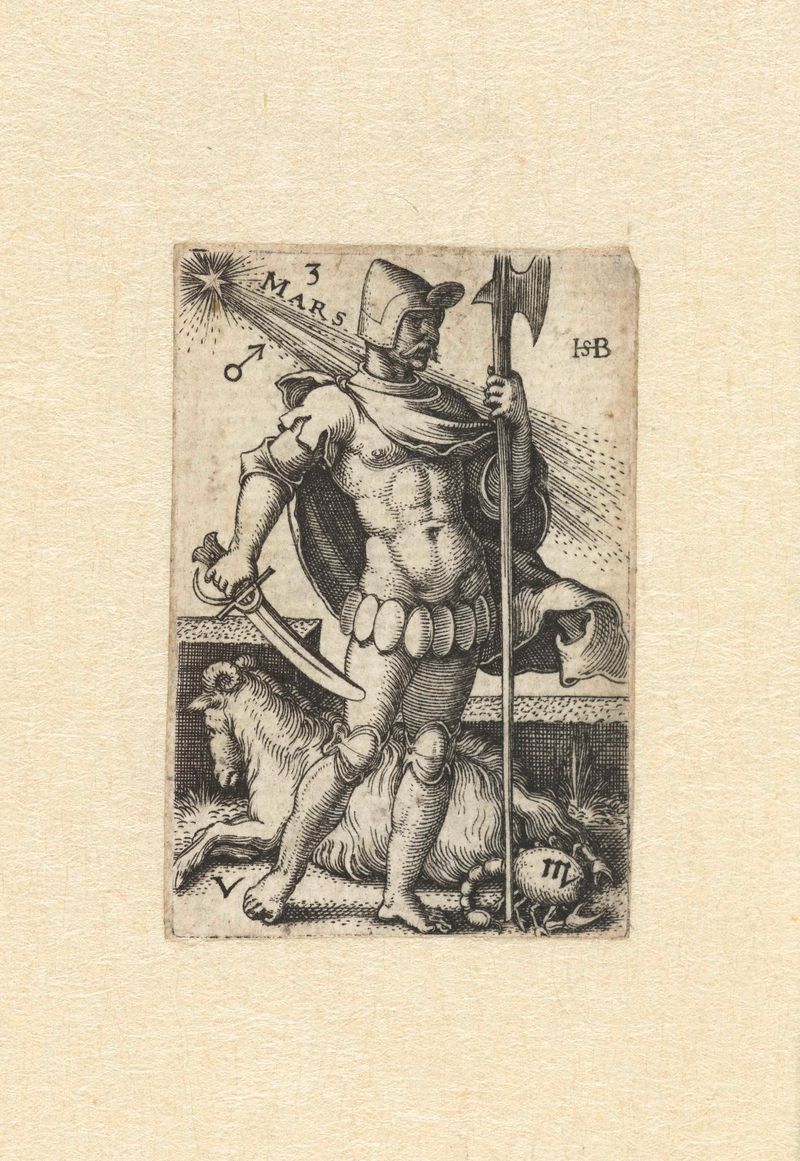
Mars met sterrenbeelden Ram en Schorpioen
Hans Sebald Beham

Achilles in gevecht met Hector
Hans Sebald Beham
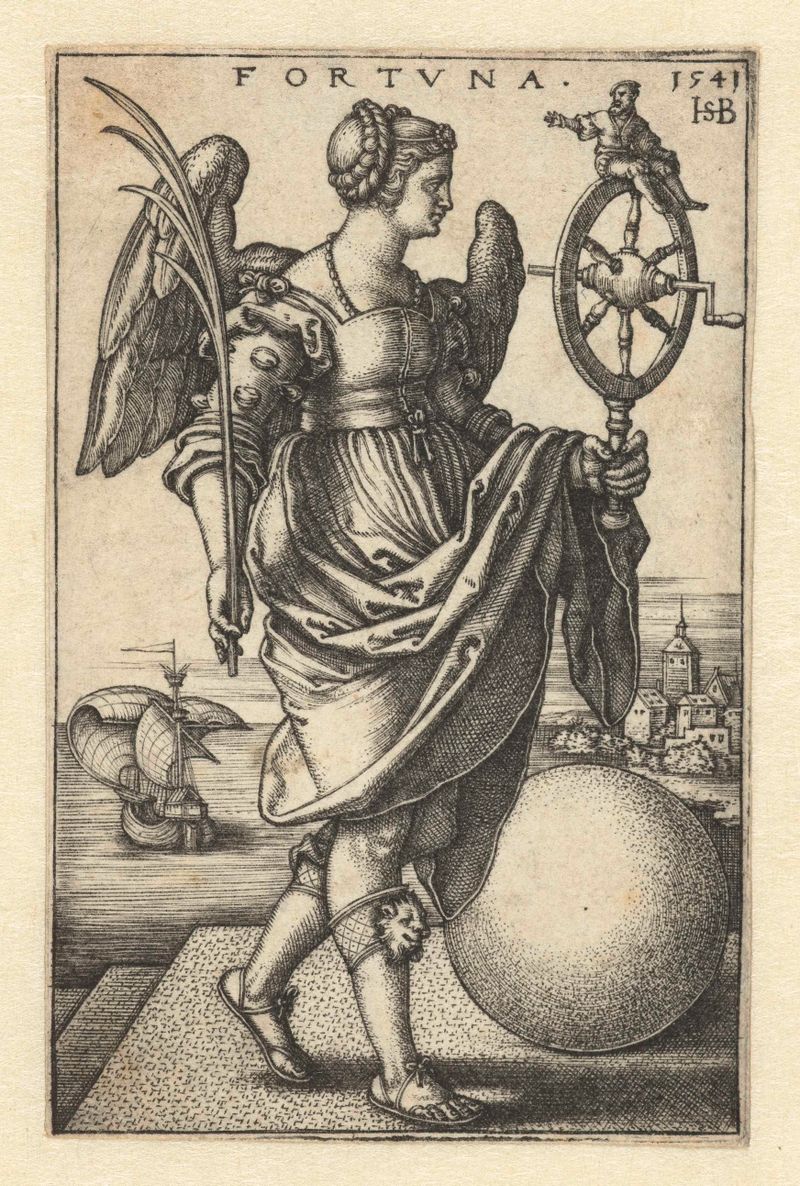
Fortuna
Hans Sebald Beham

Hercules worstelt met Antaeus
Hans Sebald Beham

Twee muzikanten met schalmey en doedelzak
Hans Sebald Beham

Voorzichtigheid (Prudentia)
Hans Sebald Beham

Hercules in gevecht met de Trojanen
Hans Sebald Beham
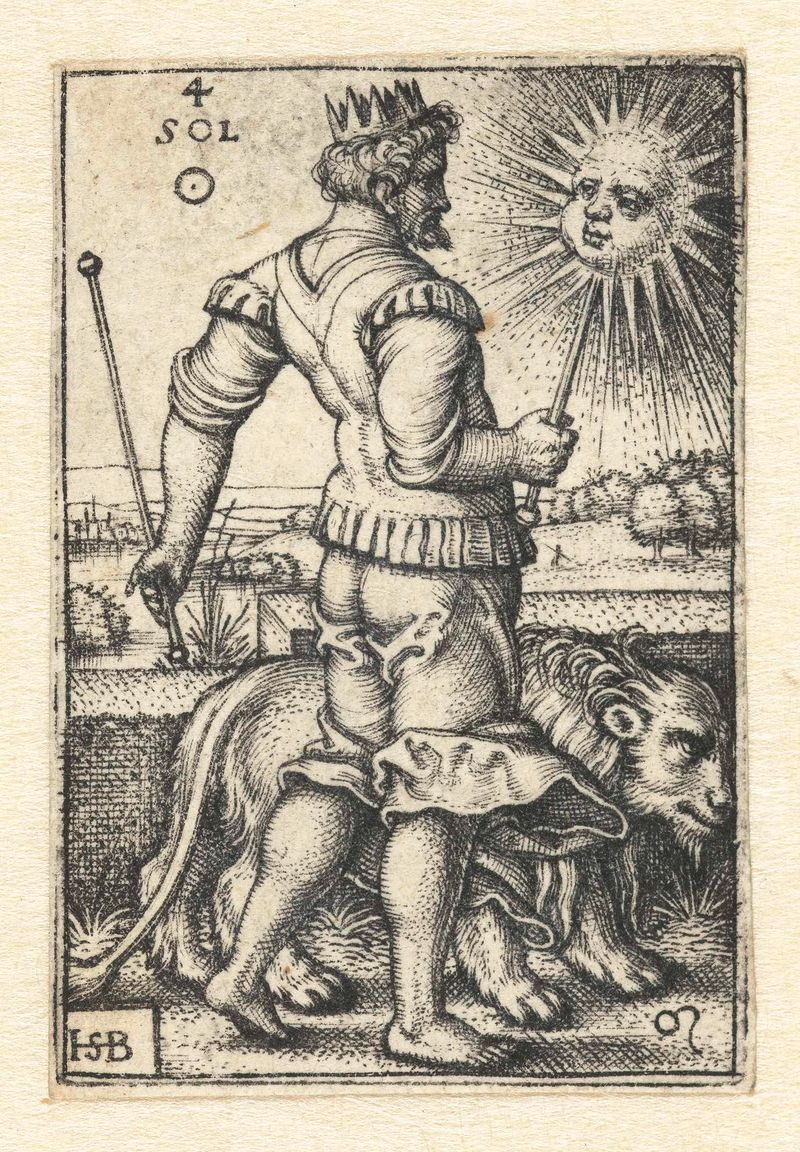
Apollo (Sol) met sterrenbeeld Leeuw
Hans Sebald Beham
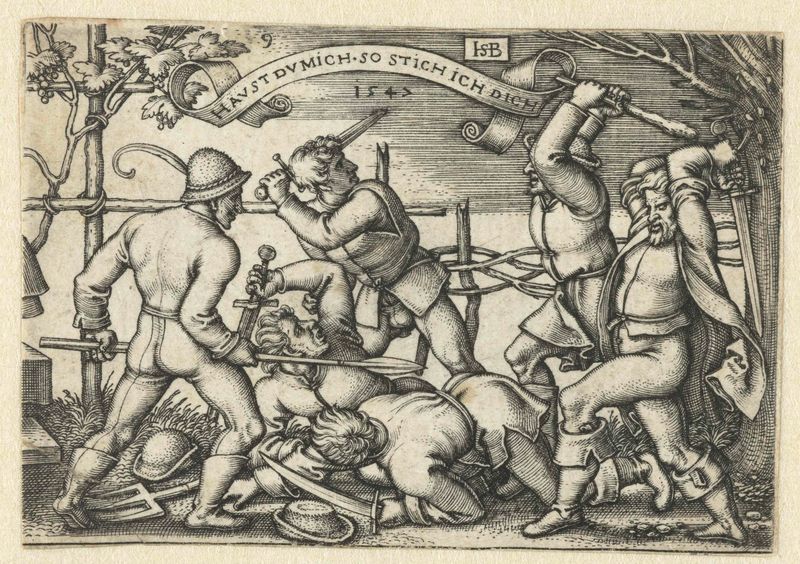
Vechtende boeren met zwaarden
Hans Sebald Beham
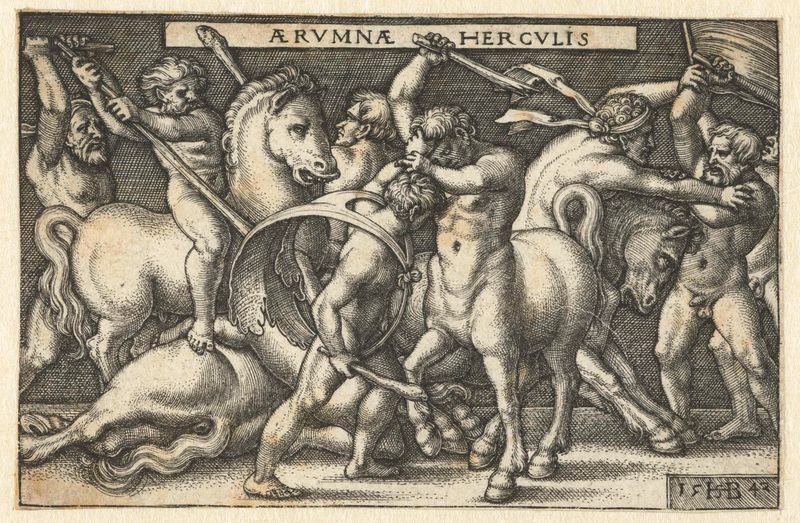
Hercules in gevecht met centaurs
Hans Sebald Beham
More Historical Art
Browse all →
The Night Watch Militia Company of District II under the Command of Captain Frans Banninck Cocq
Rembrandt van Rijn

Lincoln Memorial
Henry Bacon

The Third of May 1808
Francisco de Goya

Isaac and Rebecca, Known as ‘The Jewish Bride’
Rembrandt van Rijn

The Charge of the Mamelukes (1814)
Francisco de Goya

De vier ruiters van de apocalyps
Albrecht Dürer