
Geseling, Doornenkroning, Christus aan het volk getoond (Ecce homo), Pilatus wast zijn handen in onschuld — History & Facts
When did color learn to lie? In the realm of art, obsession often dances with truth, cloaked in hues that both reveal and deceive. Focus first on the central figure: Christ, adorned in a crown of thorns, his expression an unsettling blend of serenity and sorrow. Dürer’s meticulous brushwork allows light to caress the contours of Christ’s face while casting a shadow that seems to deepen his suffering. The exquisite detail of the fabrics and the vivid colors draw your eye across the composition, while the stark contrast of Pilate’s figure—aloof and distanced—invites reflection on moral culpability. Delve deeper into the subtext; the textured surface of the painting tells of power and vulnerability.
The act of Pilate washing his hands speaks volumes, a gesture of denial steeped in a chilling quietude. Dürer captures the tension between the weight of authority and the innocence of the condemned, each character a reflection of the inner conflict faced when confronted with injustice. Notice how the crowd’s gaze, though blurred, conveys a palpable obsession with violence and spectacle, urging the viewer to question their own moral stance as bystanders in this narrative. Created in 1509, during a time of significant upheaval in Europe, the artist grappled with the burgeoning influence of humanism against the backdrop of religious turmoil.
Living in Nuremberg, Dürer was deeply engaged with the philosophical currents of his time, seeking to marry the spiritual and the corporeal through his art. This piece, rooted in historical context, reflects not only personal obsession but also a collective grappling with faith and power, resonating through the ages.
More Artworks by Albrecht Dürer
Browse all →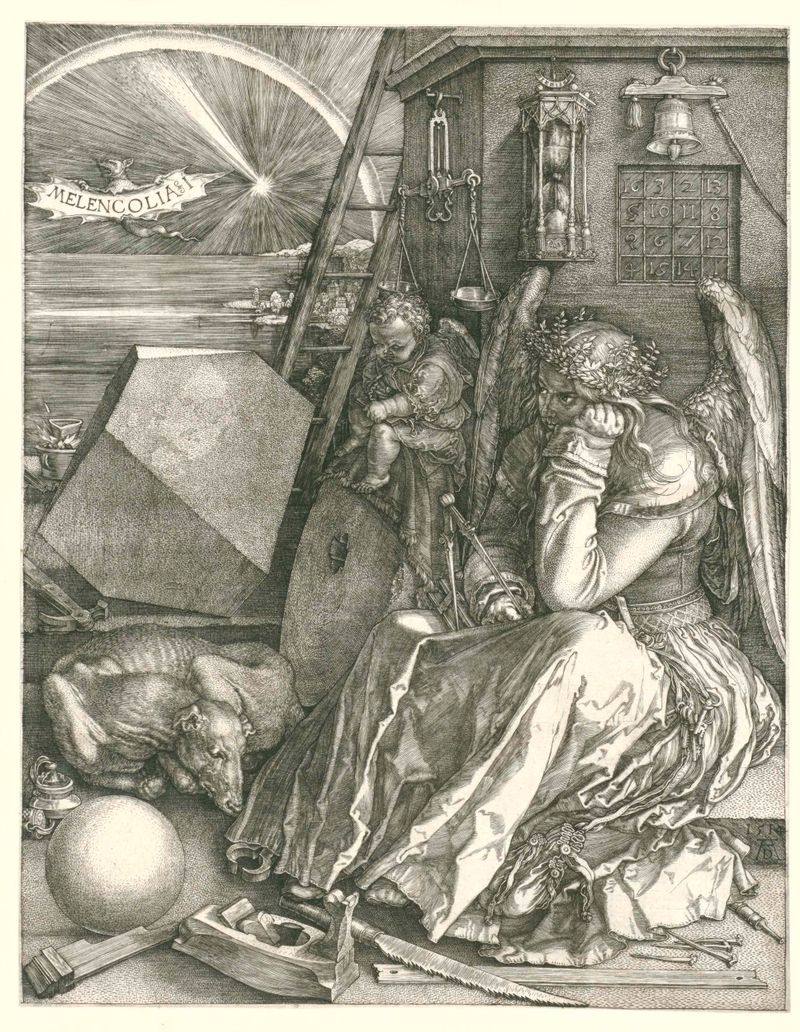
Melancholia
Albrecht Dürer
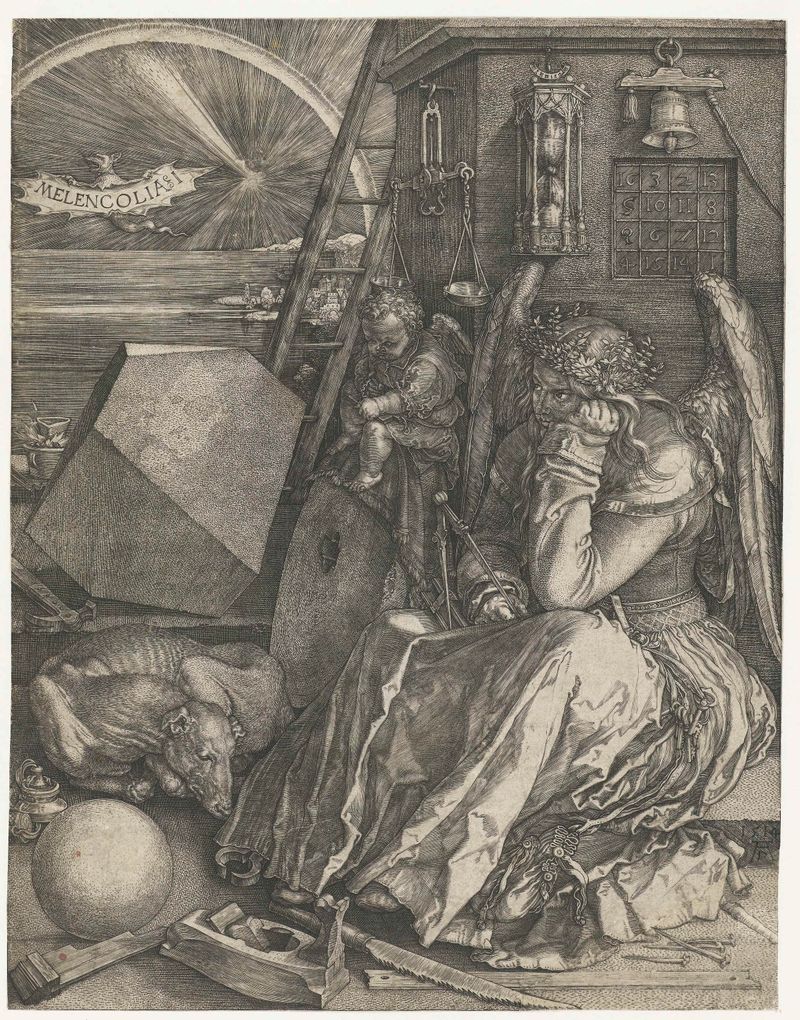
Melancholie
Albrecht Dürer
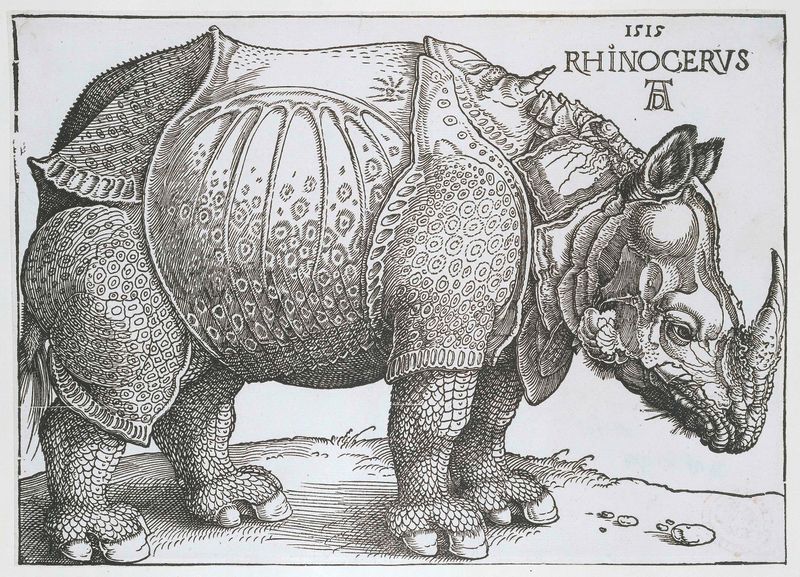
Neushoorn
Albrecht Dürer
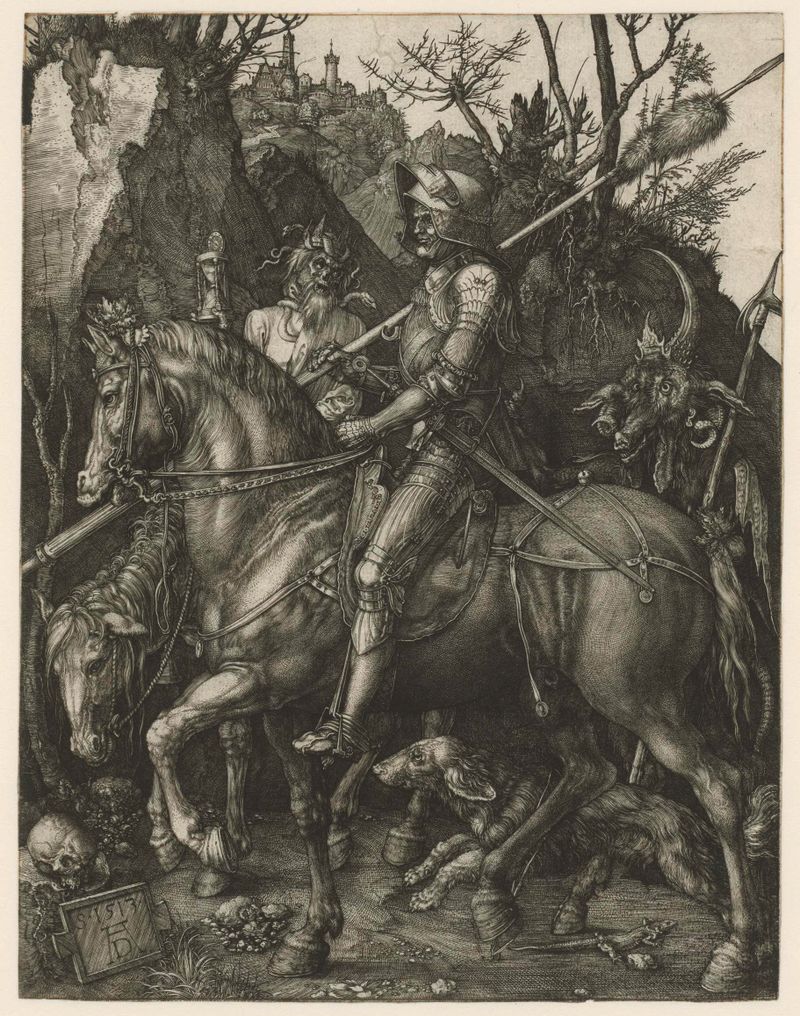
Knight, Death, and the Devil
Albrecht Dürer

De vier ruiters van de apocalyps
Albrecht Dürer

De vier ruiters van de apocalyps
Albrecht Dürer
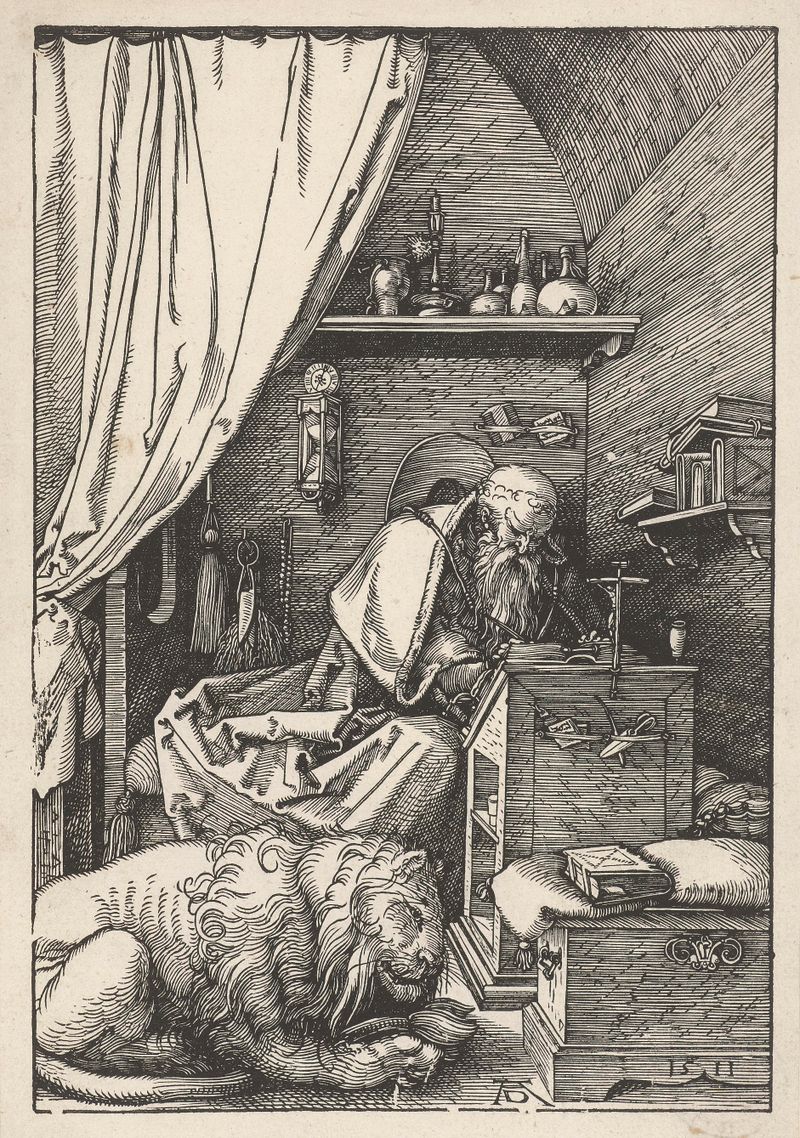
De Heilige Hiëronymus in zijn studeervertrek
Albrecht Dürer
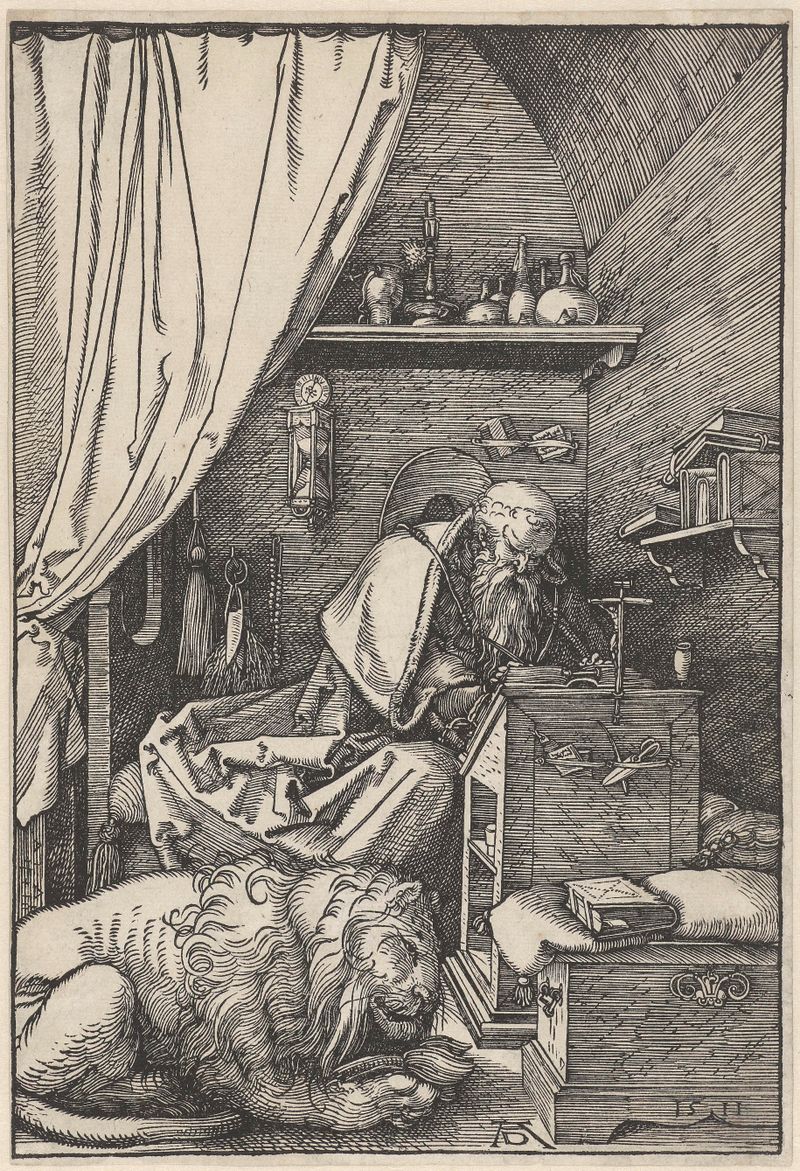
De Heilige Hiëronymus in zijn studeervertrek
Albrecht Dürer
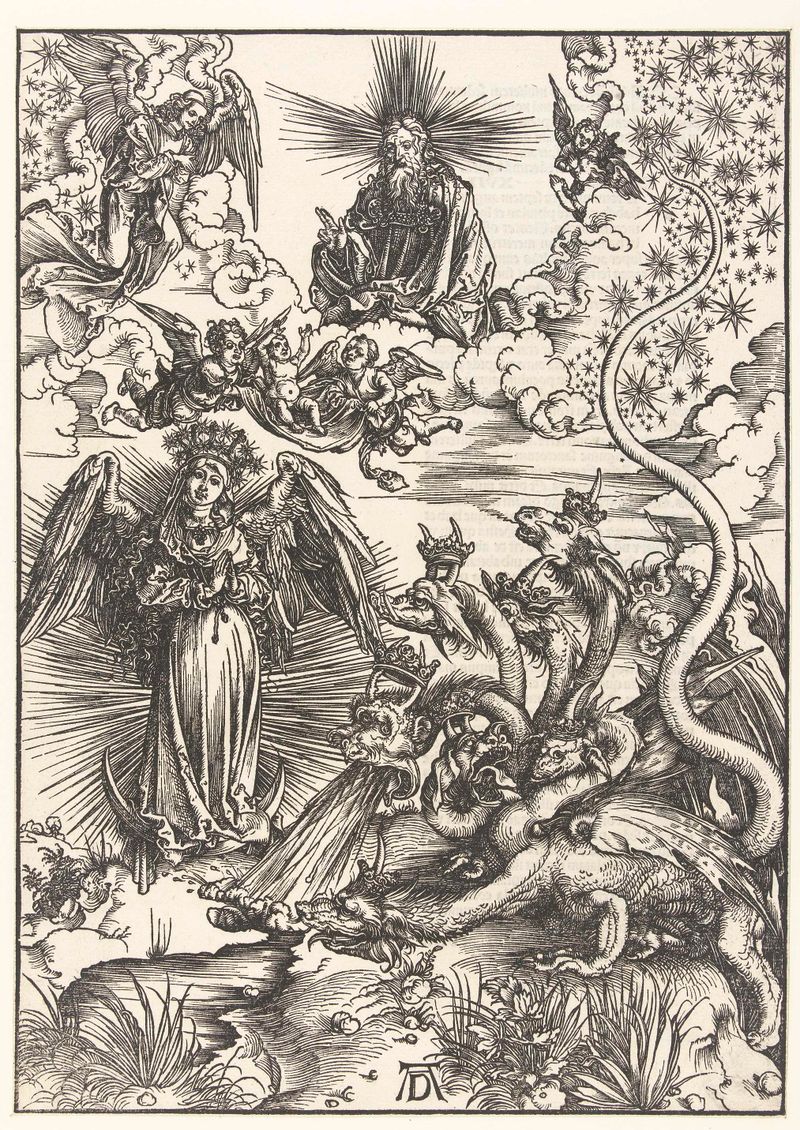
De apocalyptische vrouw en de zevenkoppige draak
Albrecht Dürer
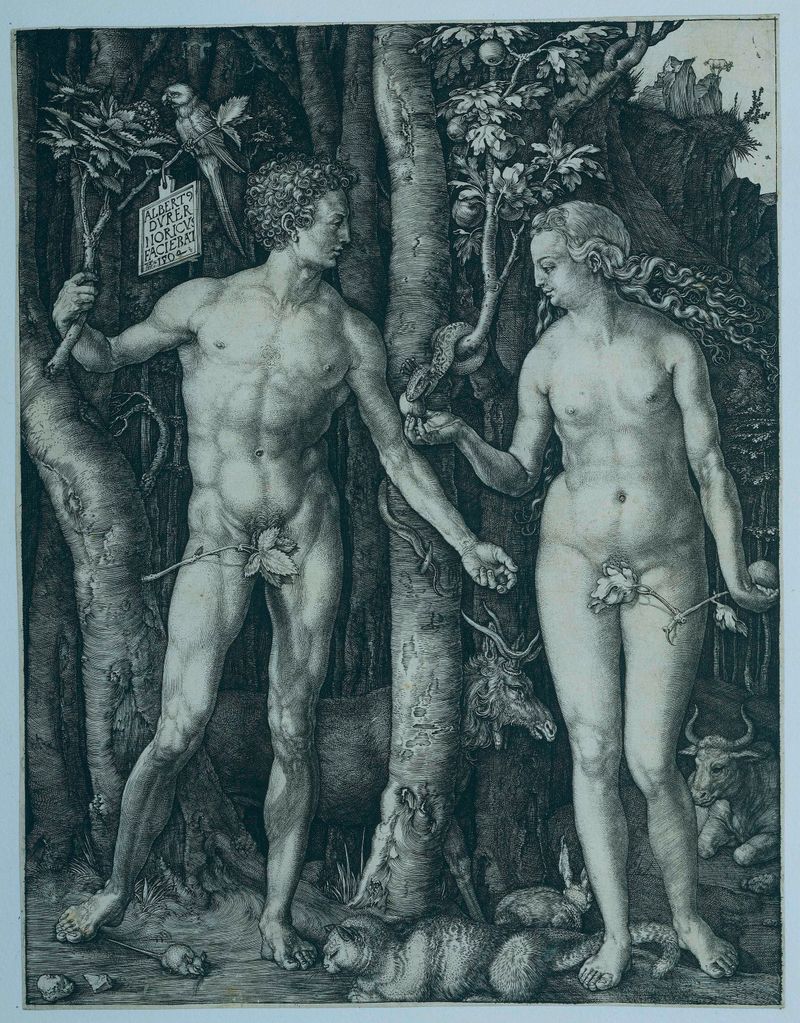
Adam en Eva
Albrecht Dürer
More Religious Art
Browse all →
The Return of the Prodigal Son
Rembrandt van Rijn

The Garden of Earthly Delights
El Bosco

Count Orgaz’ funeral
El Greco

The Hundred Guilder Print: the central piece with Christ preaching, the plate arched
Rembrandt van Rijn

The Descent from the Cross
Rogier van der Weyden

The return of the prodigal son
Rembrandt van Rijn