
Geseling van Christus — History & Facts
When did color learn to lie? The interplay of light and shadow in Geseling van Christus challenges perception, inviting viewers to confront the dichotomy of truth and illusion as time unfolds. Look to the central figure, where Christ stands bound, his expression a complex tapestry of suffering and meekness. Notice how Dürer meticulously employs chiaroscuro to emphasize the contours of Christ’s face, bathing it in a divine glow while shadows whisper of impending torment. The surrounding figures, harshly etched in black, create a stark contrast that draws your focus, their agitated gestures and expressions adding layers of tension to the narrative. Delve deeper into the symbolism: the rope binding Christ not only signifies physical restraint but also evokes the larger themes of sacrifice and humanity's struggle with faith.
The expressions of the tormentors range from zealous fervor to doubt, revealing the multifaceted nature of belief and the moral complexity entwined in this biblical moment. Each figure's gaze directs the viewer’s attention, creating a compelling dialogue between victim and oppressor, hope and despair, a reflection on time's relentless march toward salvation. Dürer painted this work in 1509, during his time in Nuremberg, a period marked by a flourishing of Northern Renaissance art. It was an era when artists were beginning to grapple with profound theological and existential questions, influenced by the burgeoning Reformation.
This painting stands as a testament to Dürer’s mastery in merging technical precision with deep emotional resonance, showcasing his role as a pivotal figure in the evolution of visual storytelling.
More Artworks by Albrecht Dürer
Browse all →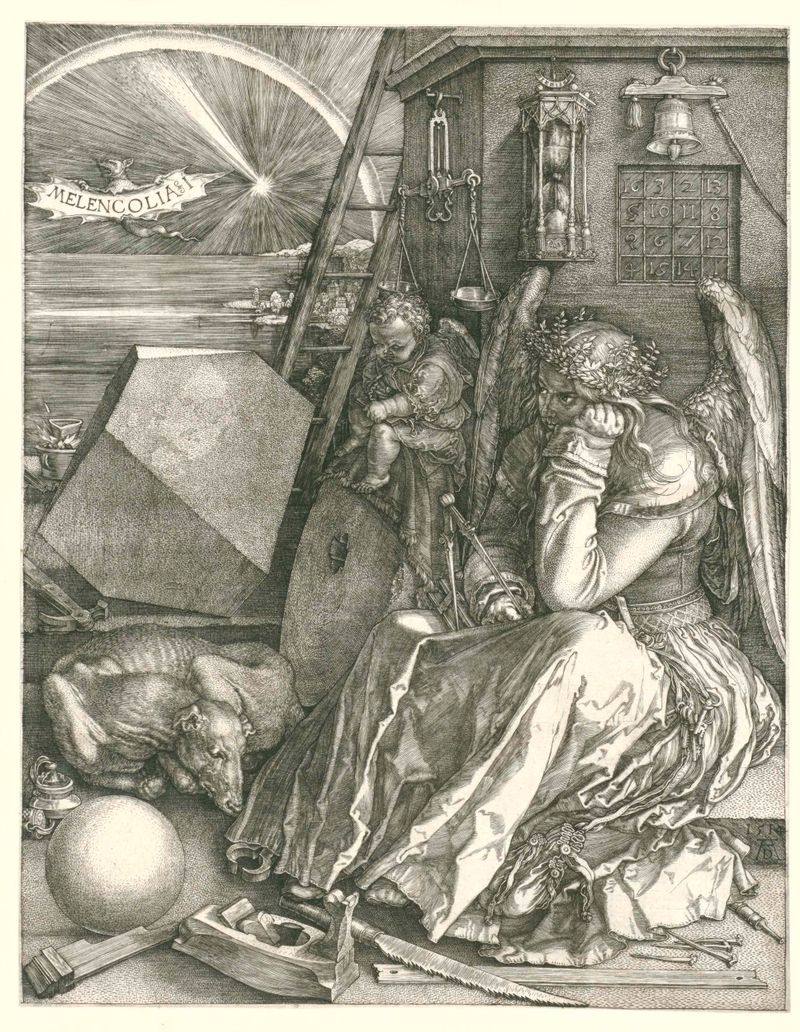
Melancholia
Albrecht Dürer
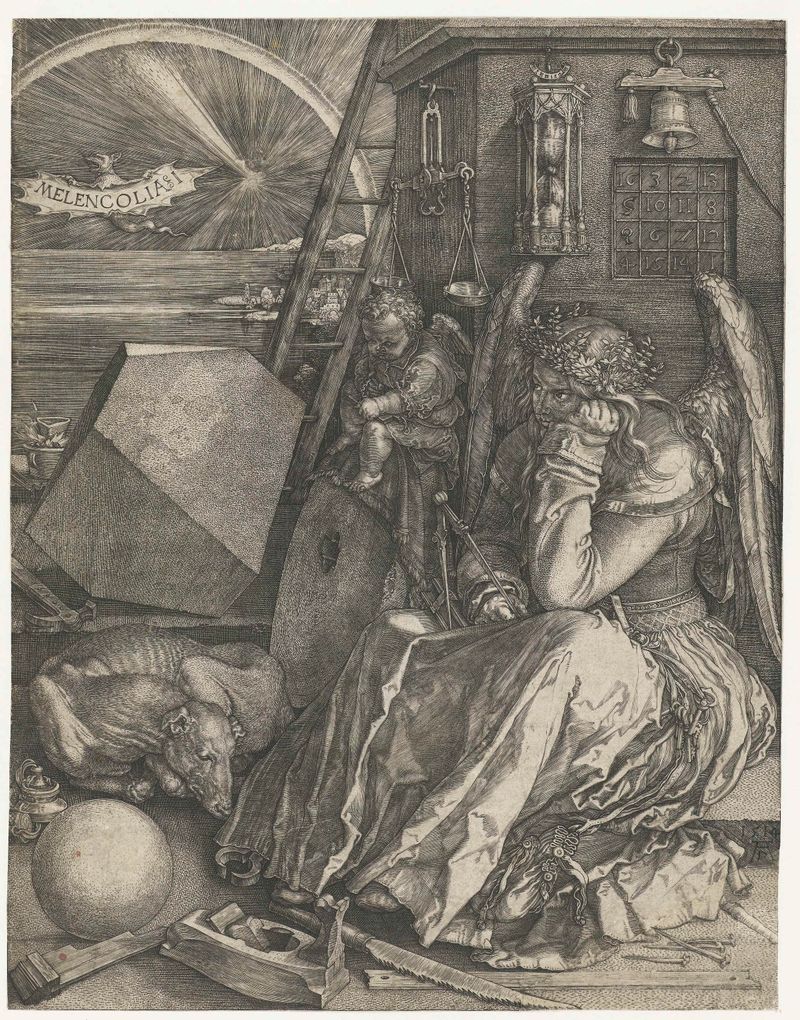
Melancholie
Albrecht Dürer
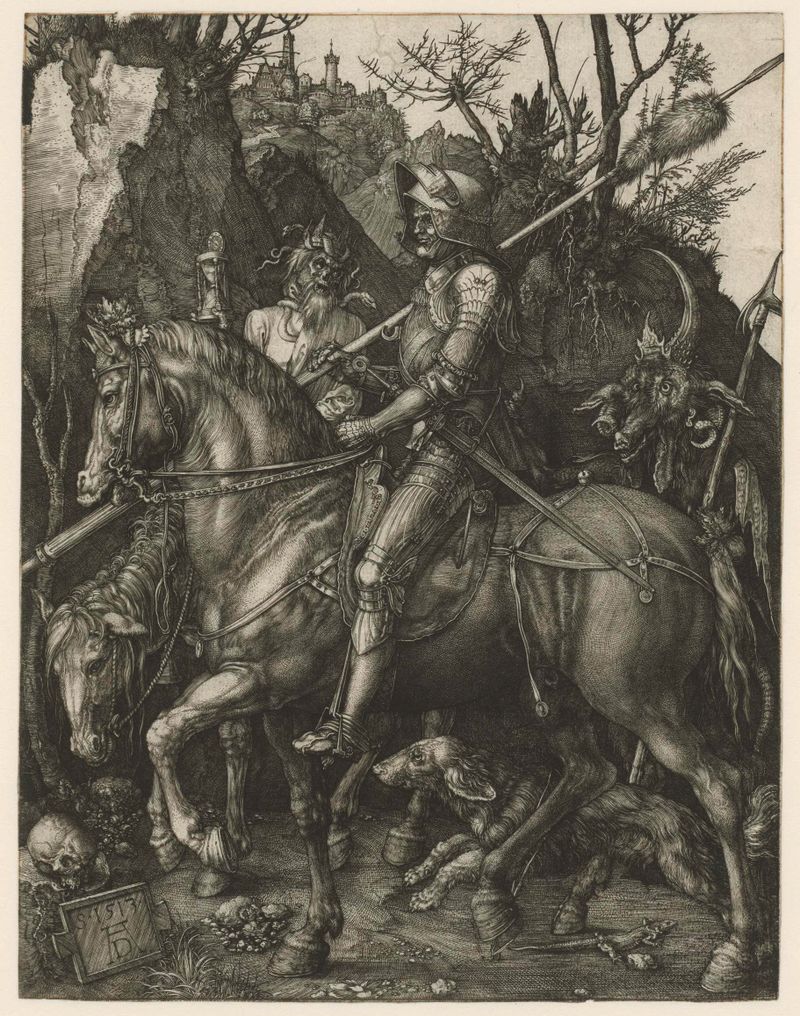
Knight, Death, and the Devil
Albrecht Dürer

Neushoorn
Albrecht Dürer

De vier ruiters van de apocalyps
Albrecht Dürer

De vier ruiters van de apocalyps
Albrecht Dürer
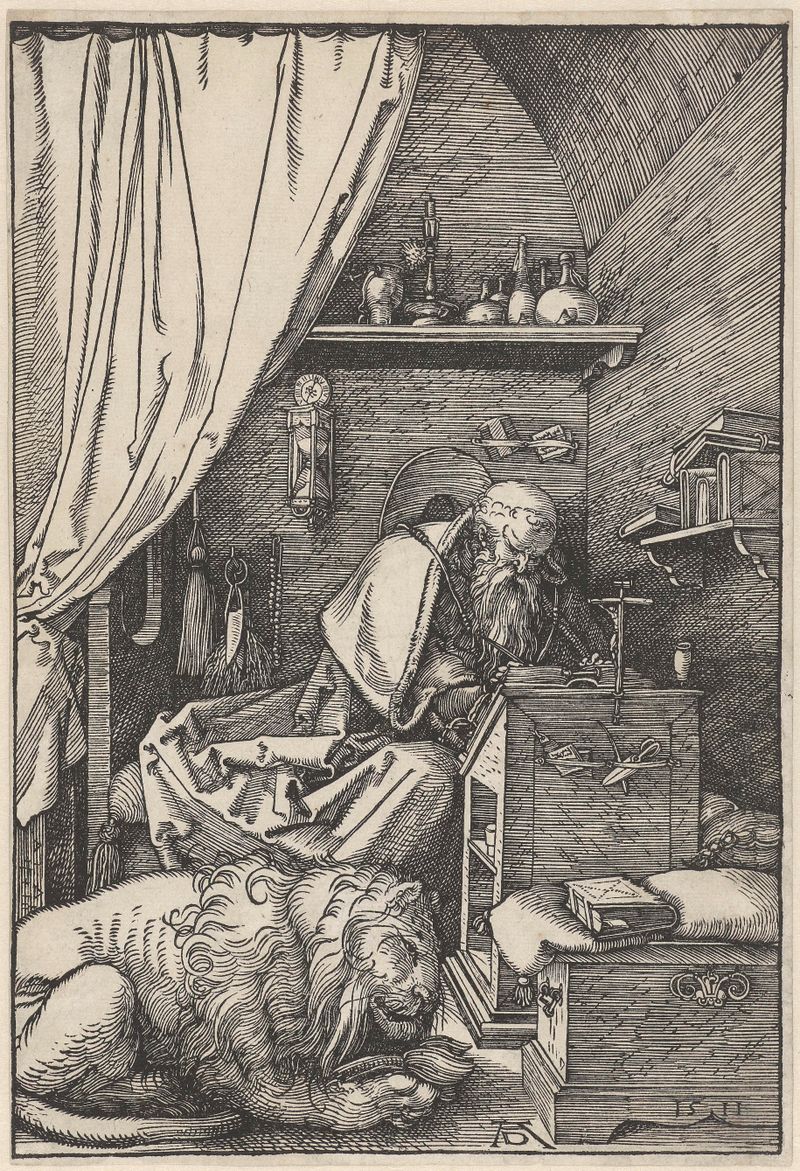
De Heilige Hiëronymus in zijn studeervertrek
Albrecht Dürer
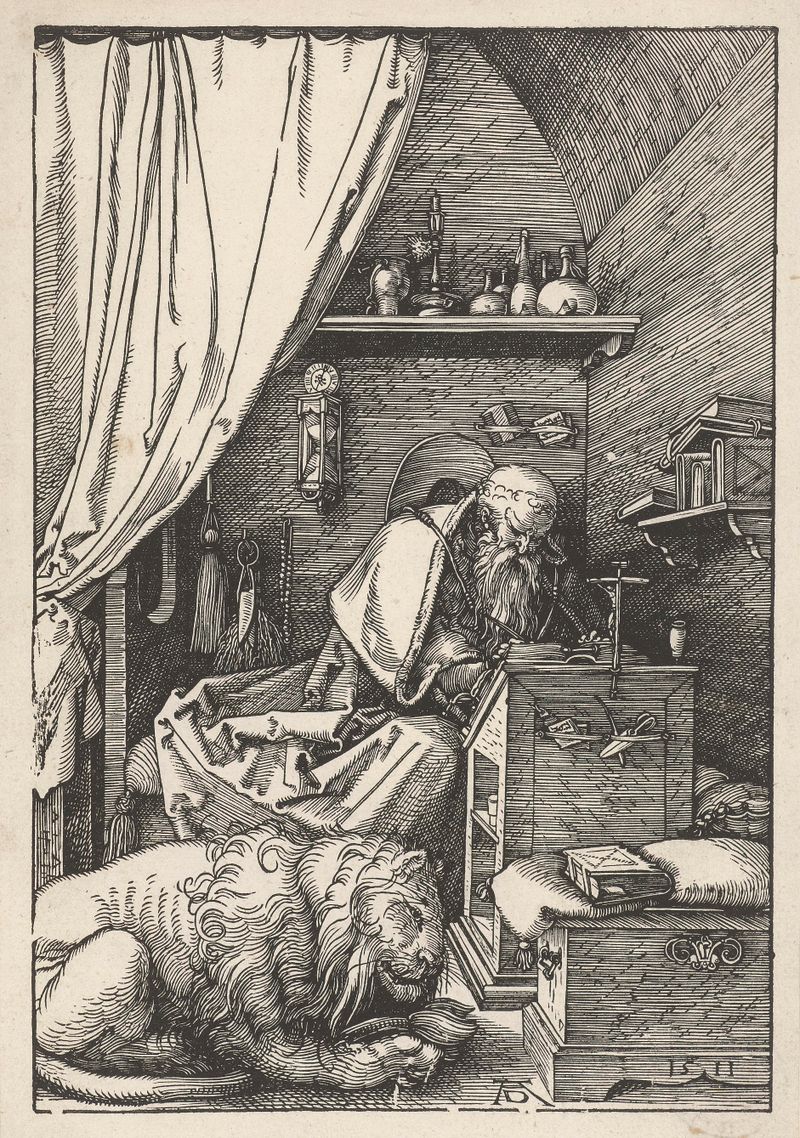
De Heilige Hiëronymus in zijn studeervertrek
Albrecht Dürer
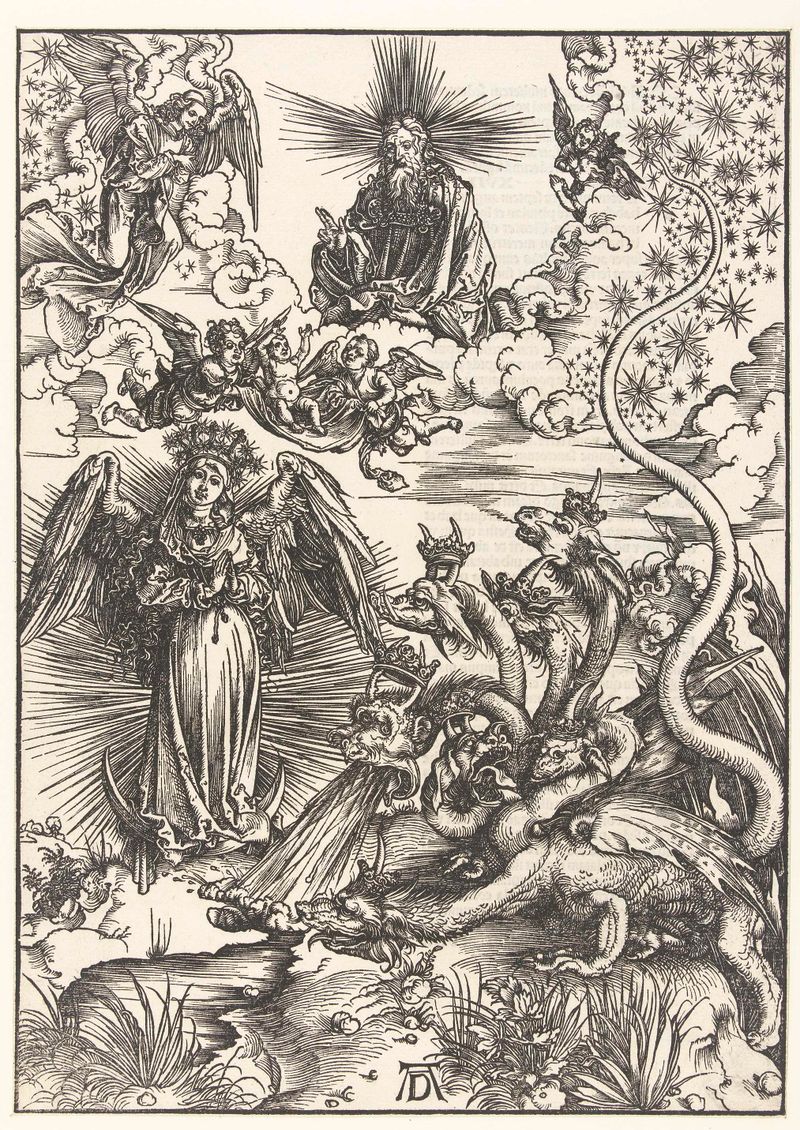
De apocalyptische vrouw en de zevenkoppige draak
Albrecht Dürer
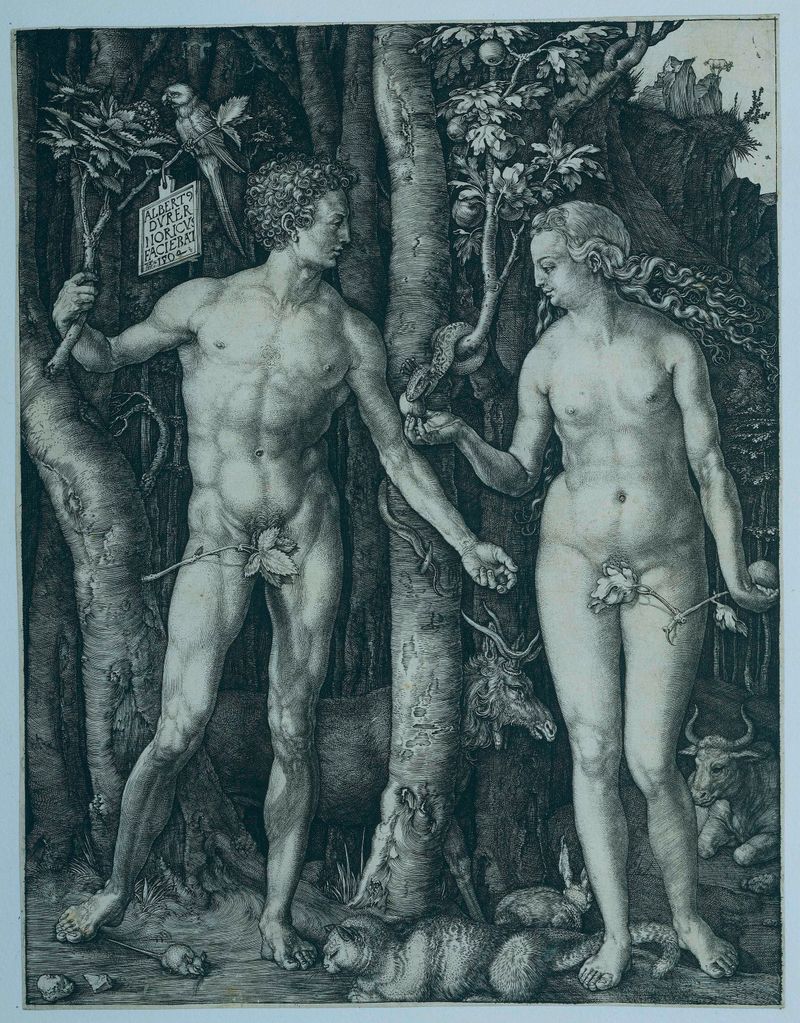
Adam en Eva
Albrecht Dürer
More Religious Art
Browse all →
The Return of the Prodigal Son
Rembrandt van Rijn

The Garden of Earthly Delights
El Bosco

Count Orgaz’ funeral
El Greco

The Hundred Guilder Print: the central piece with Christ preaching, the plate arched
Rembrandt van Rijn

The Descent from the Cross
Rogier van der Weyden

The return of the prodigal son
Rembrandt van Rijn