
Gevangenneming — History & Facts
This sentiment resonates deeply within the intricate folds of Gevangenneming, where a moment suspended in time whispers of nostalgia and transcendent beauty. Look closely at the center of the composition, where the figures of Christ and his captors converge in dramatic tension. Notice how the light bathes their faces in a soft glow, contrasting sharply with the harsh shadows that envelop the surroundings. The delicate intricacies of the figures’ attire, rendered in meticulous detail, draw the viewer in, while the dynamic interplay of dark and light amplifies the emotional gravity of the scene.
Each stroke of paint seems to articulate not just the physical forms but also the spiritual strife that permeates the air. Beyond the obvious moment of capture lies a poignant exploration of betrayal and sacrifice. The posture of Christ, serene yet resolute, embodies a profound acceptance of fate, while the figures surrounding him reflect a spectrum of emotions—from aggression to uncertainty. The tension is palpable, revealing a conflict not just of good versus evil but also of inner turmoil faced by the onlookers.
Dürer’s ability to capture these subtleties through drapery and expressions invites a deeper reflection on the fragility of humanity amidst chaos. Created in 1510, this work found its place in a pivotal period of Dürer’s life, marked by artistic maturation and a burgeoning reputation in a Europe on the brink of significant change. As the Renaissance deepened, so too did Dürer’s exploration of complex themes—artistic innovation intertwined with human experience. Gevangenneming stands not only as a testament to his masterful technique but also as a reflection of the tumultuous era that shaped his vision.
More Artworks by Albrecht Dürer
Browse all →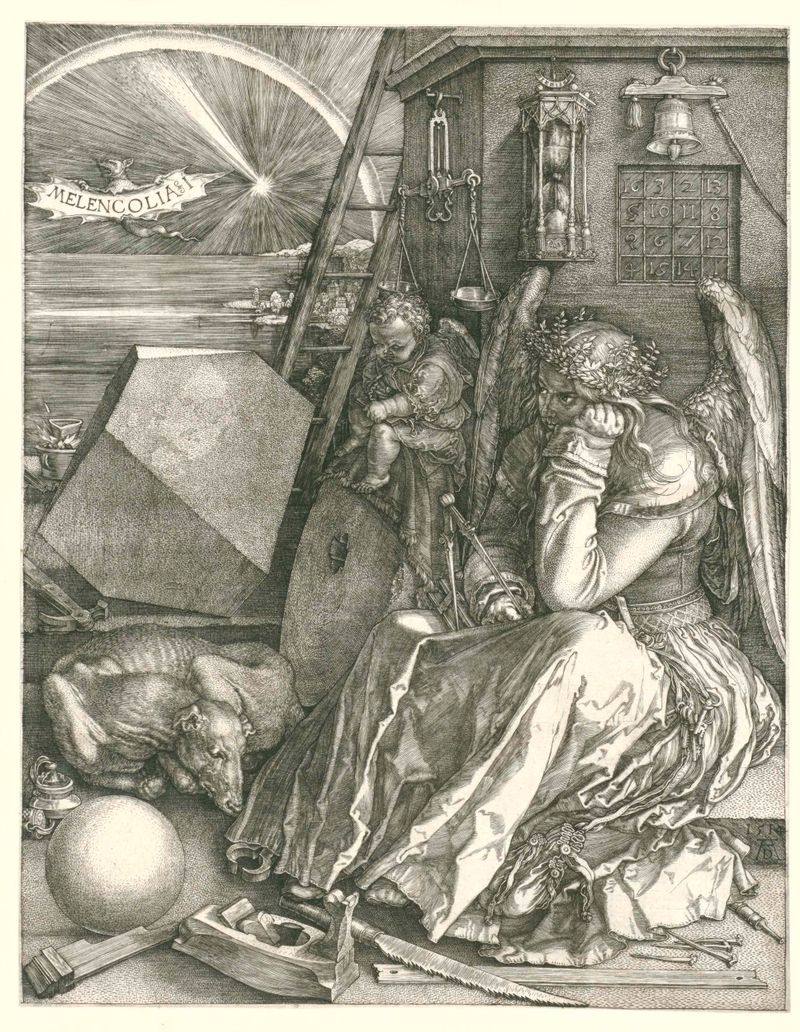
Melancholia
Albrecht Dürer
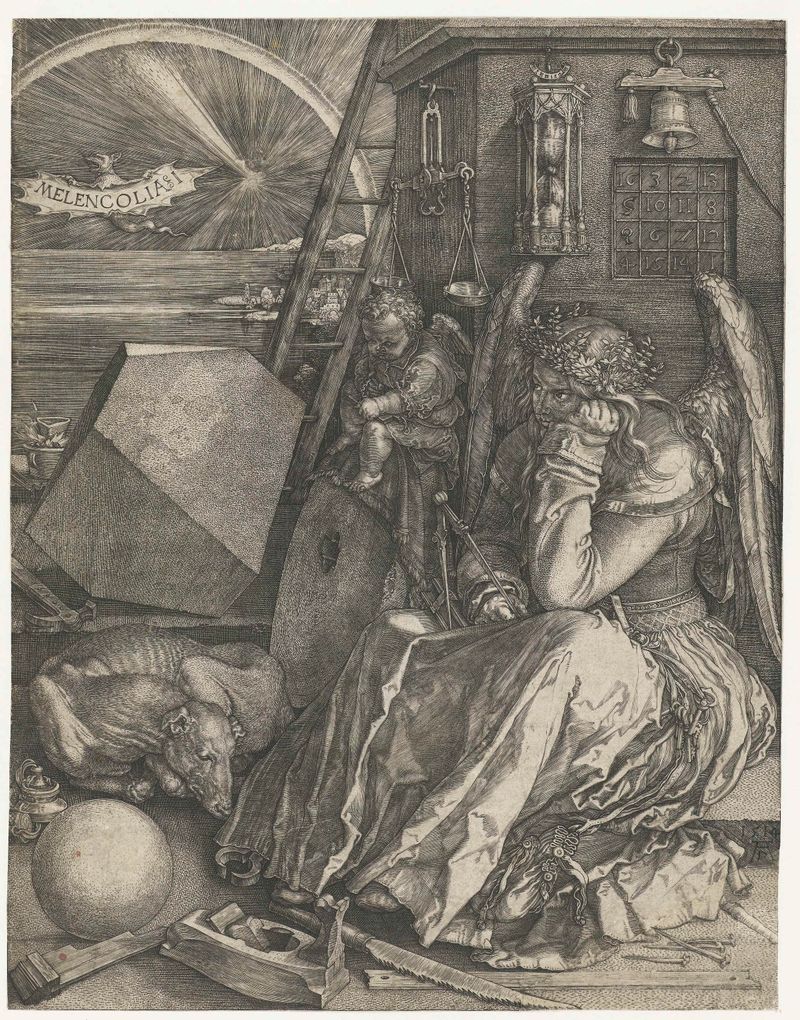
Melancholie
Albrecht Dürer
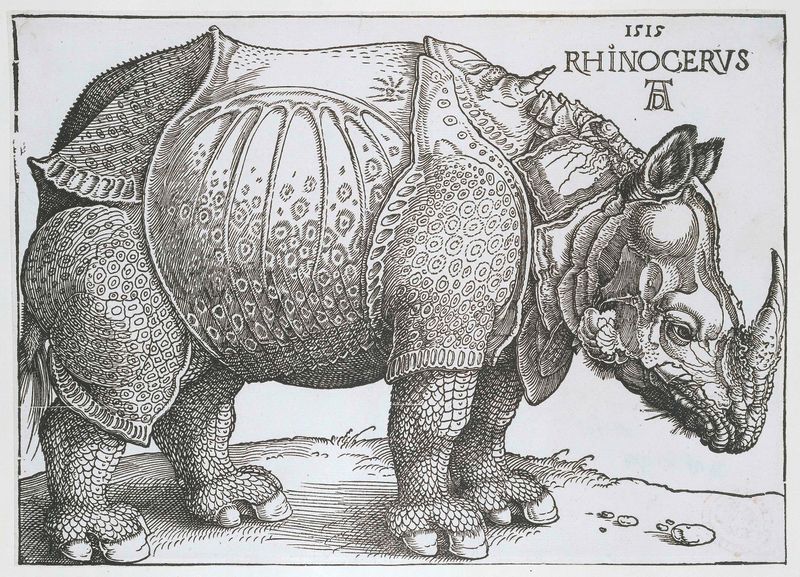
Neushoorn
Albrecht Dürer
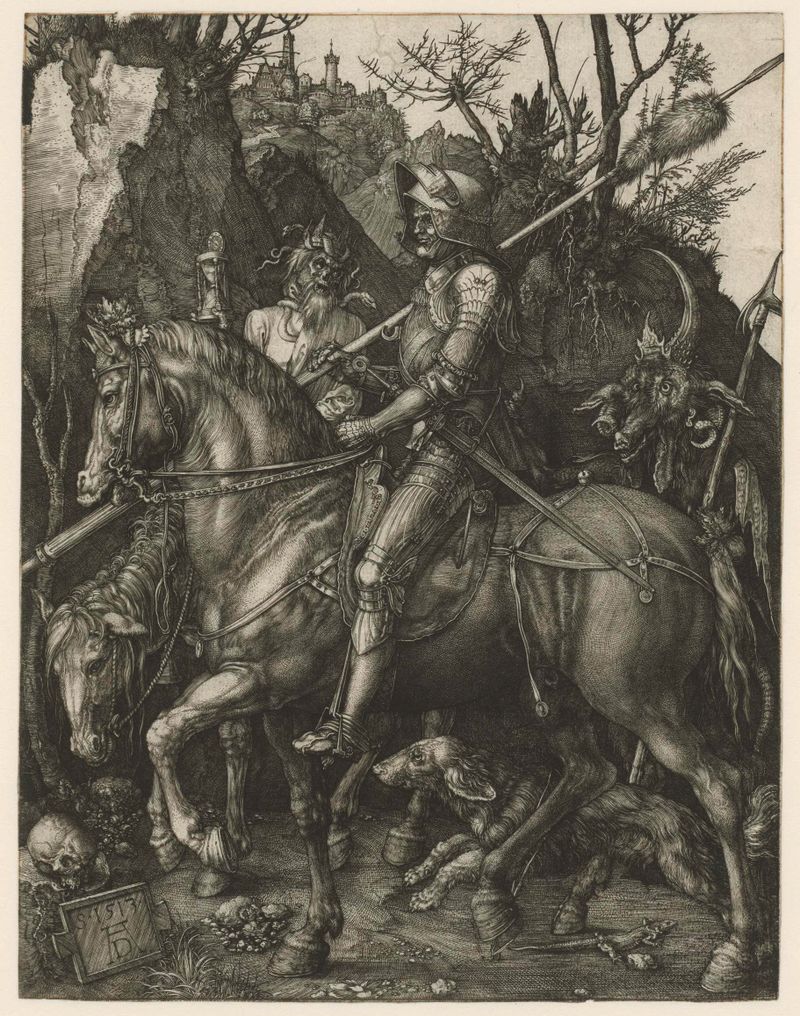
Knight, Death, and the Devil
Albrecht Dürer

De vier ruiters van de apocalyps
Albrecht Dürer

De vier ruiters van de apocalyps
Albrecht Dürer
De Heilige Hiëronymus in zijn studeervertrek
Albrecht Dürer
De Heilige Hiëronymus in zijn studeervertrek
Albrecht Dürer
De apocalyptische vrouw en de zevenkoppige draak
Albrecht Dürer
Adam en Eva
Albrecht Dürer
More Religious Art
Browse all →
The Return of the Prodigal Son
Rembrandt van Rijn

The Garden of Earthly Delights
El Bosco

Count Orgaz’ funeral
El Greco

The Hundred Guilder Print: the central piece with Christ preaching, the plate arched
Rembrandt van Rijn

The Descent from the Cross
Rogier van der Weyden

The return of the prodigal son
Rembrandt van Rijn