
Gevangenneming — History & Facts
Did the painter know this moment would outlive them? The fleeting truths contained within brushstrokes resonate through the ages, revealing layers of meaning that echo beyond their time. Look to the center of the composition, where a man, bound and restrained, captivates the viewer’s gaze. Dürer’s masterful use of contrast illuminates the figure against a darkened background, emphasizing the vulnerability of the subject. Rich earth tones meld into darker shadows, while the subtle use of light captures the weariness in his expression, inviting empathy and contemplation.
The meticulously detailed rendering of the man’s features speaks to the artist’s commitment to realism, enhancing the emotional power of the scene. Notice the tension in his posture, a mix of despair and quiet dignity. The ropes binding him symbolize the weight of oppression, juxtaposed against the delicate rendering of flesh that highlights his humanity. Each element—the folds of his clothing, the way light cascades off his skin—coalesces to evoke a poignant sense of truth, as if the artwork itself is a silent witness to the struggle of existence.
This complexity invites the viewer to ponder the broader implications of captivity, resistance, and the enduring spirit of humanity. Created in 1509, this piece emerged during a period of profound change in Europe, where the Renaissance was blooming alongside deep religious and social upheaval. Dürer, based in Nuremberg, found himself at the center of this transformative movement, pushing the boundaries of art through innovative techniques and a dedication to emotional depth. This work reflects not only his individual mastery but also the zeitgeist of an era grappling with questions of faith, power, and the human condition.
More Artworks by Albrecht Dürer
Browse all →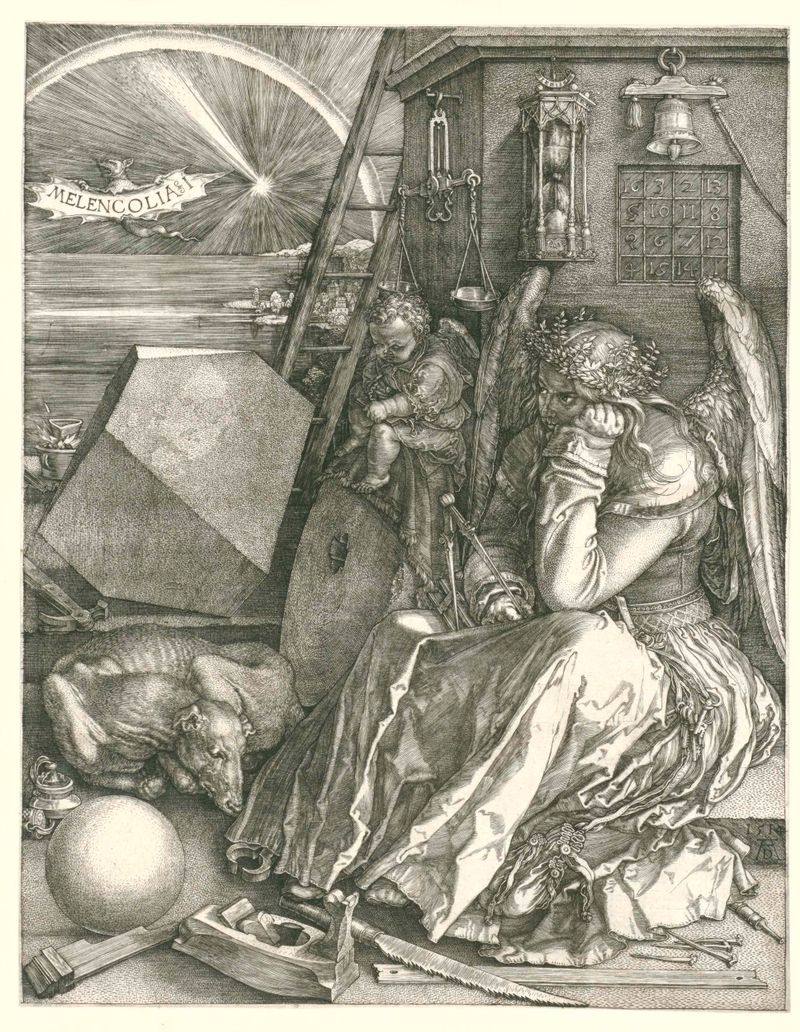
Melancholia
Albrecht Dürer
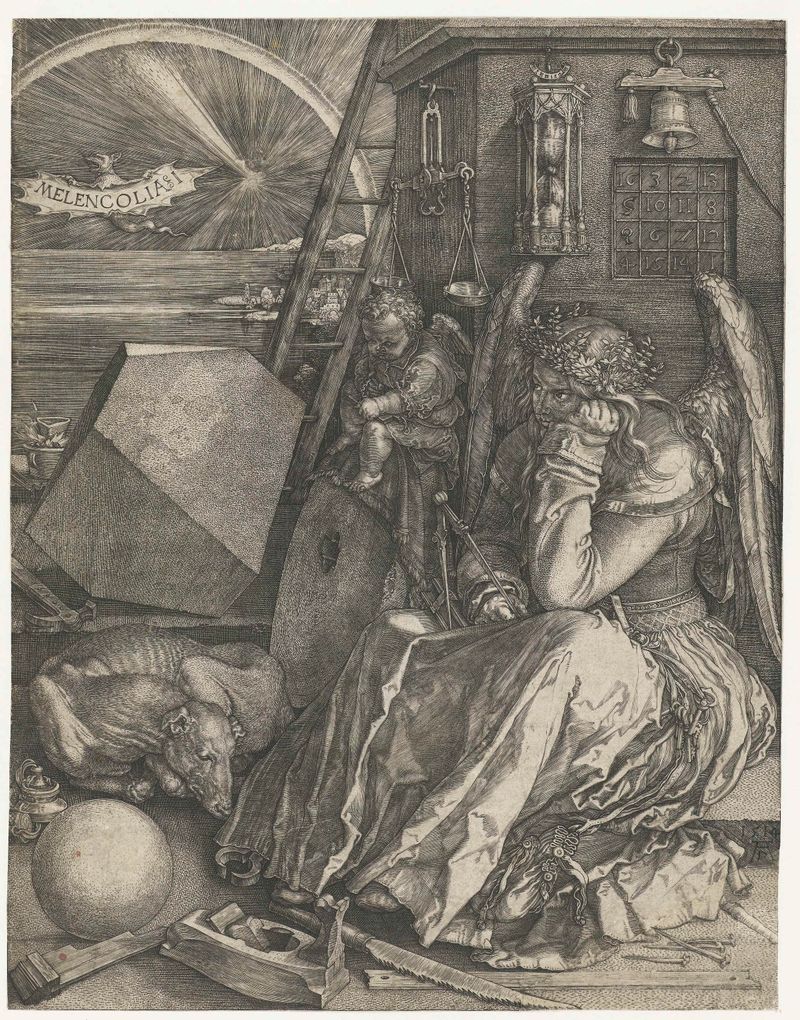
Melancholie
Albrecht Dürer
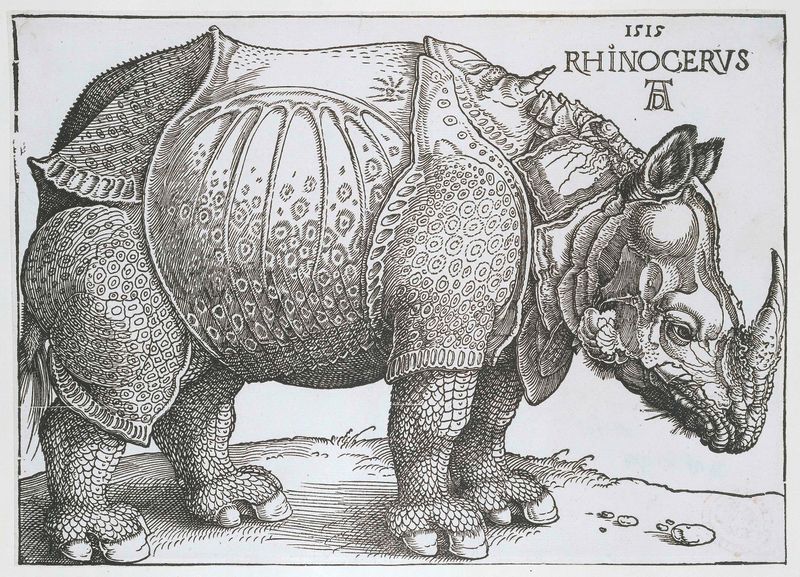
Neushoorn
Albrecht Dürer
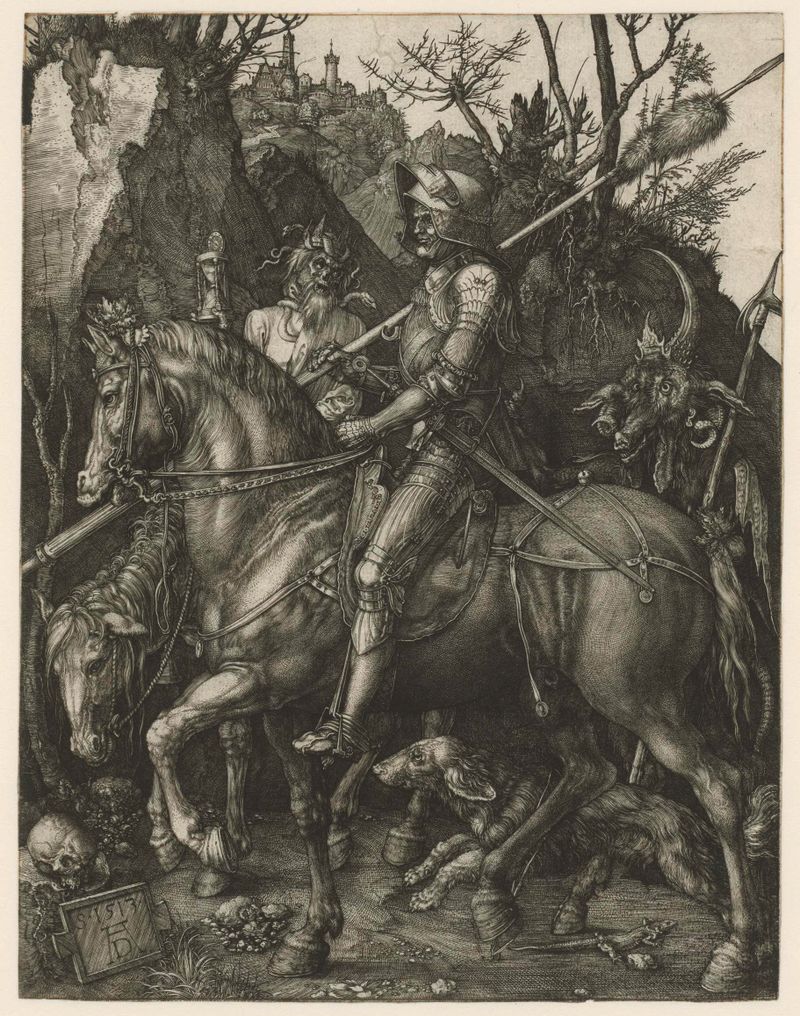
Knight, Death, and the Devil
Albrecht Dürer

De vier ruiters van de apocalyps
Albrecht Dürer

De vier ruiters van de apocalyps
Albrecht Dürer
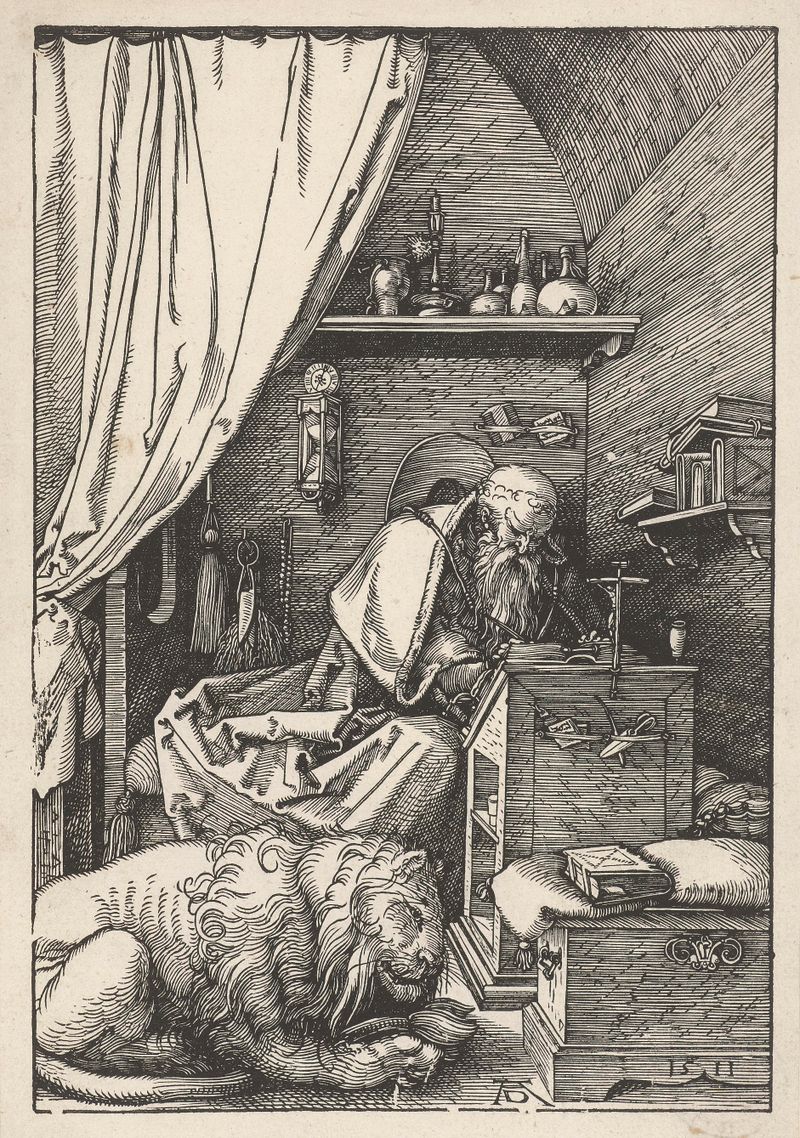
De Heilige Hiëronymus in zijn studeervertrek
Albrecht Dürer
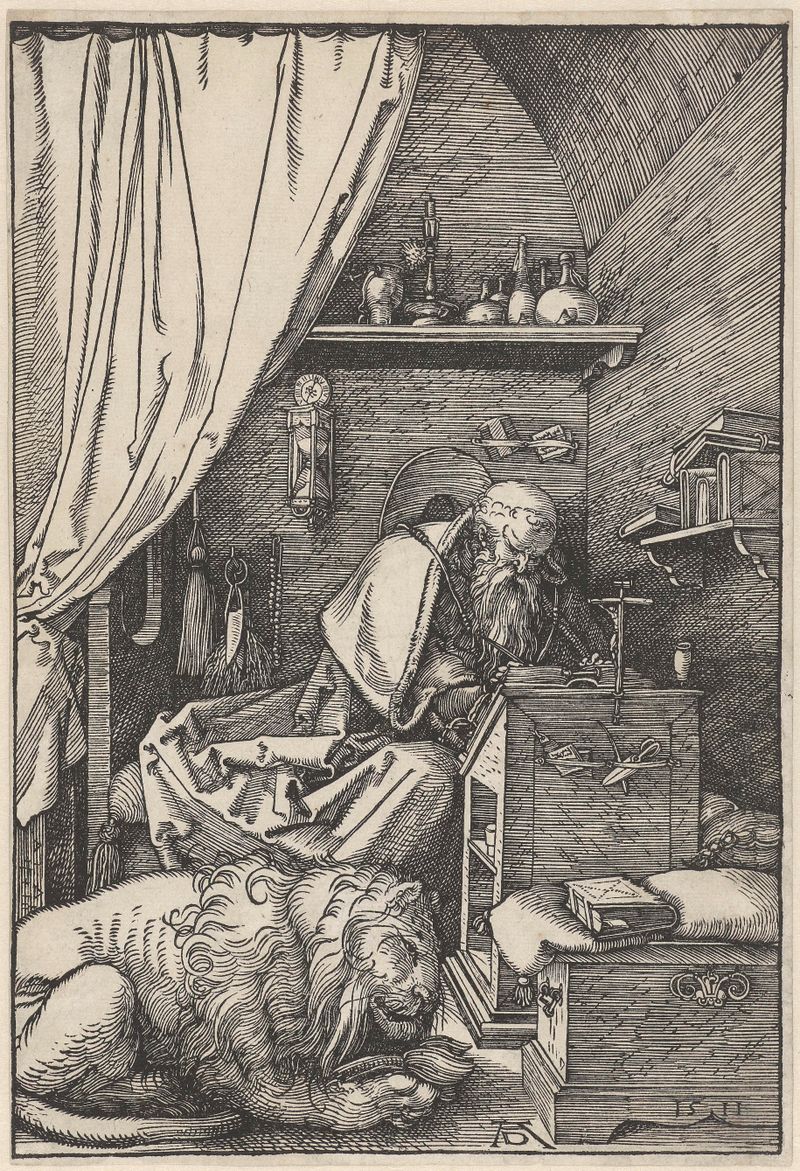
De Heilige Hiëronymus in zijn studeervertrek
Albrecht Dürer
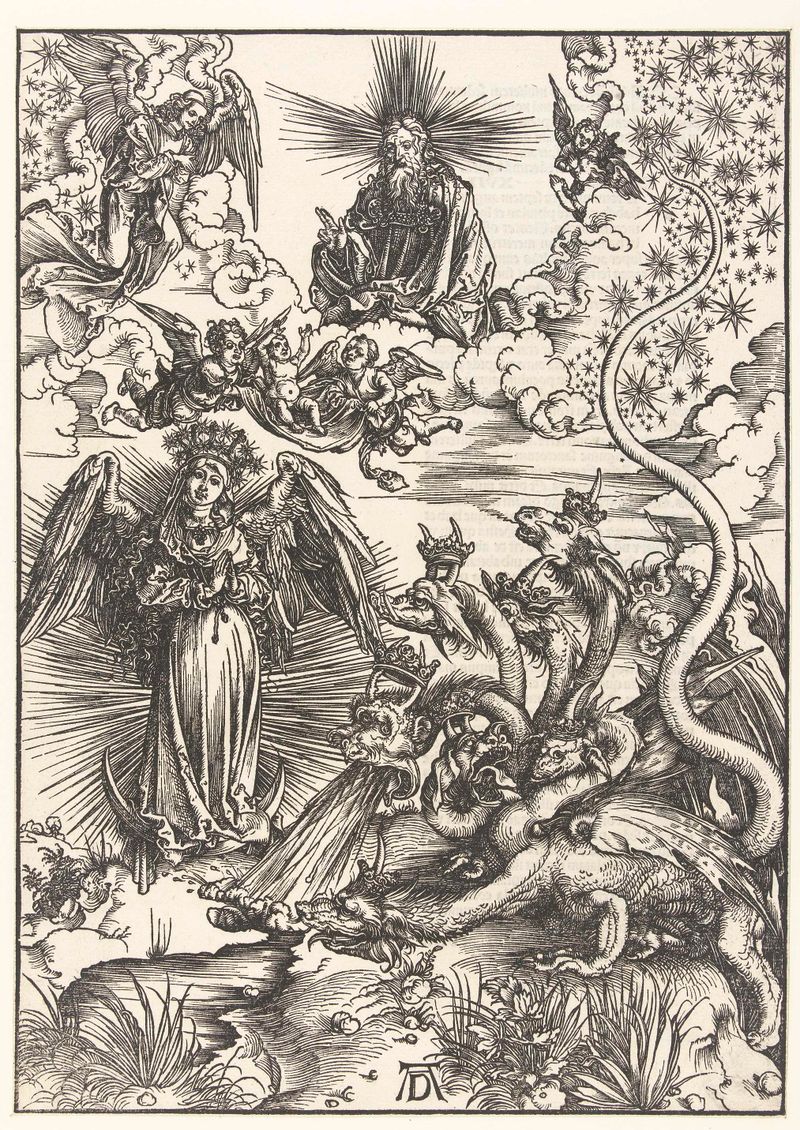
De apocalyptische vrouw en de zevenkoppige draak
Albrecht Dürer
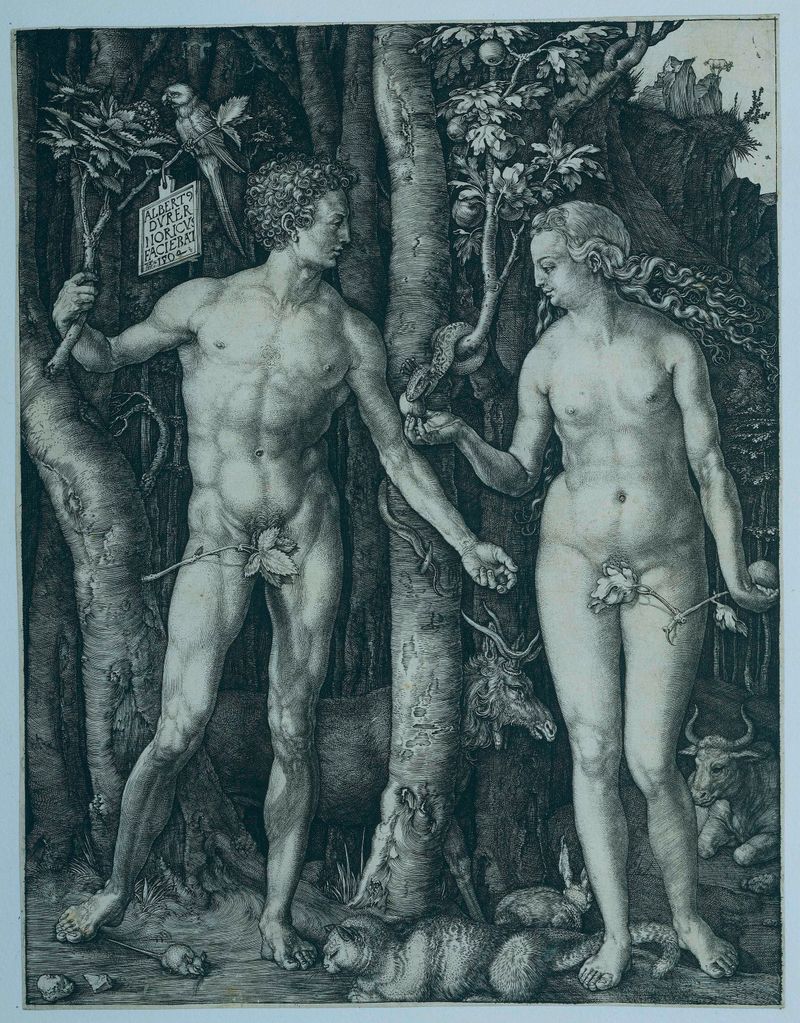
Adam en Eva
Albrecht Dürer
More Historical Art
Browse all →
The Night Watch Militia Company of District II under the Command of Captain Frans Banninck Cocq
Rembrandt van Rijn

Lincoln Memorial
Henry Bacon

The Third of May 1808
Francisco de Goya

Isaac and Rebecca, Known as ‘The Jewish Bride’
Rembrandt van Rijn

The Charge of the Mamelukes (1814)
Francisco de Goya
De vier ruiters van de apocalyps
Albrecht Dürer