Gevel van een hoekhuis met open dakkapel — History & Facts
In the interplay of light and shadow, a world emerges, suspended between the tangible and the ephemeral. Look to the left at the open dakkapel, where sunlight spills into the modest interior, illuminating delicate textures of age-worn wood and the simplicity of everyday life. The warmth of the yellow and ochre tones contrasts sharply with the cool shadows that cradle the adjacent wall, suggesting intimacy within the dwelling. The artist’s brushstrokes reveal an extraordinary command of light, inviting the viewer to linger in this moment of quiet domesticity. Beyond the surface, the painting resonates with themes of transience and stability.
The shadows cast by the architecture hint at the passage of time, where the past lingers in the memory of the space while the lively colors of the façade speak to life’s vibrancy. The viewer can’t help but perceive a subtle tension: the fleeting nature of existence against the steadfastness of brick and mortar. Each detail, from the slant of light to the texture of the surface, encodes a story of both sorrow and joy, evoking a meditative reflection on home. Adriaen van Ostade created Gevel van een hoekhuis met open dakkapel during a time when the Dutch Golden Age was flourishing, around the mid-17th century.
Working in Haarlem, he witnessed an art world rich in genre painting, where everyday scenes were celebrated for their charm and realism. As the era progressed, Ostade's work reflected a deepening understanding of light and shadow, characteristics that defined his unique style amid the artistic outpouring of his contemporaries.
More Artworks by Adriaen van Ostade
Browse all →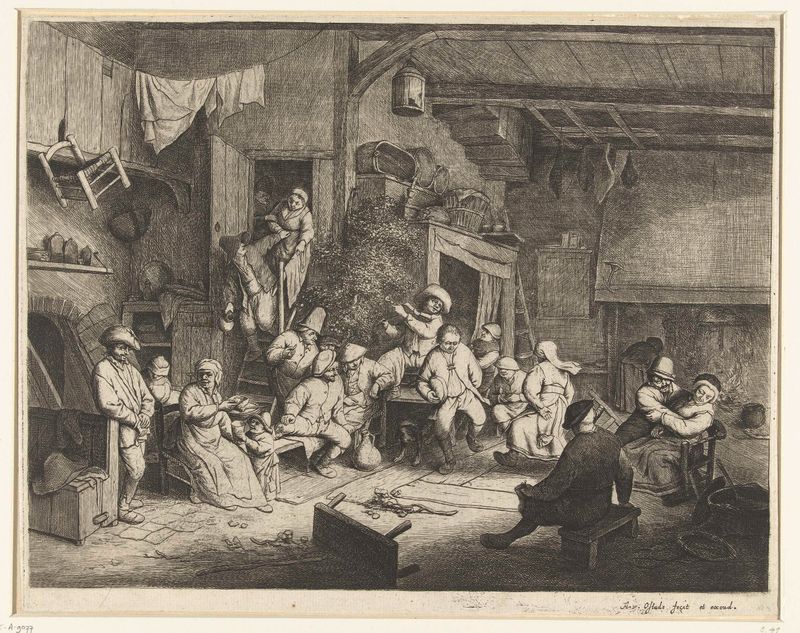
Dans in de herberg
Adriaen van Ostade
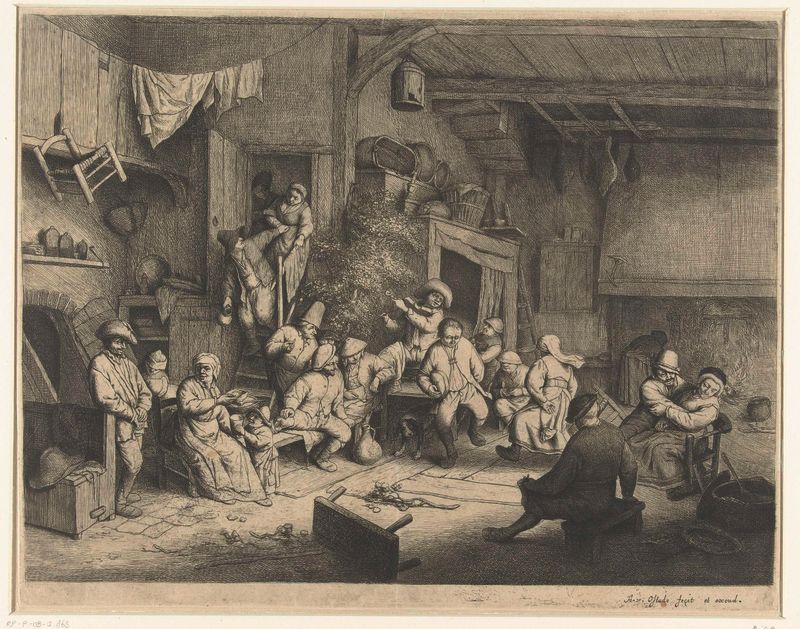
Dance at the Inn
Adriaen van Ostade

Travellers Halted At A Country Inn
Adriaen van Ostade
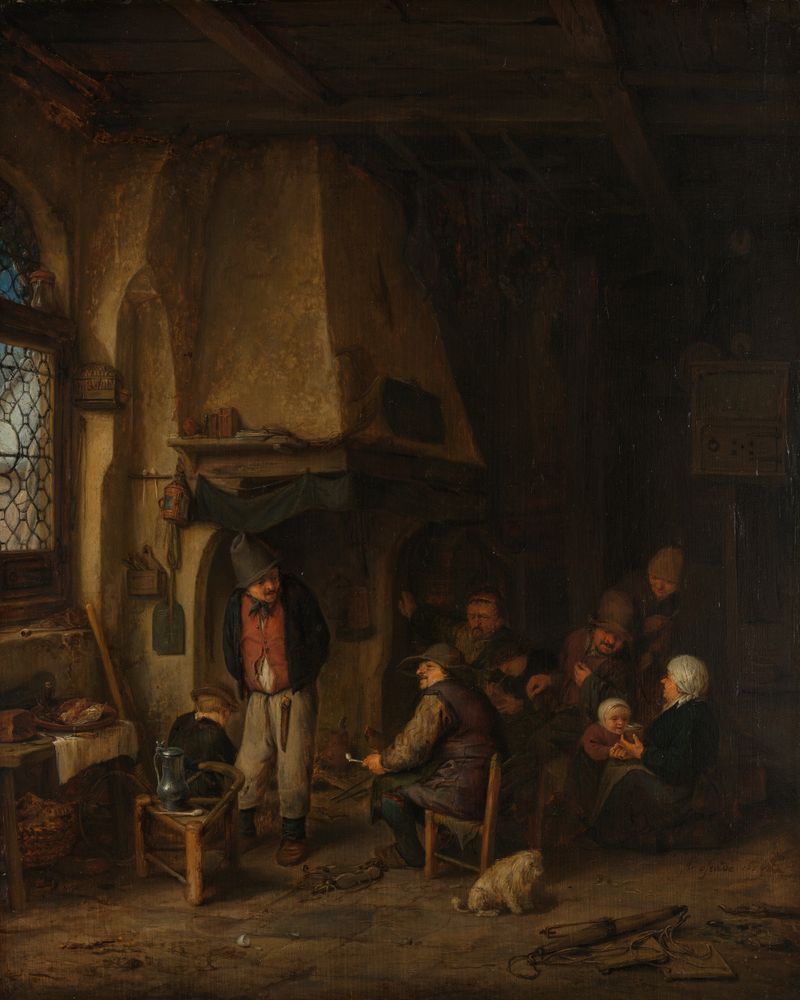
‘The Skaters’: Peasants in an Interior
Adriaen van Ostade

Dans in de herberg
Adriaen van Ostade

Merrymakers in an Inn
Adriaen van Ostade
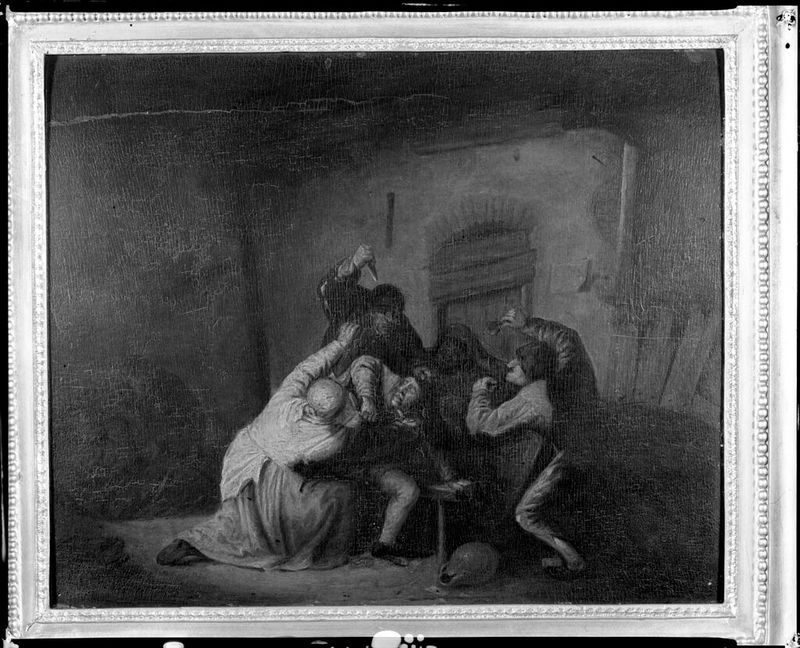
Peasants Brawling in a Tavern
Adriaen van Ostade
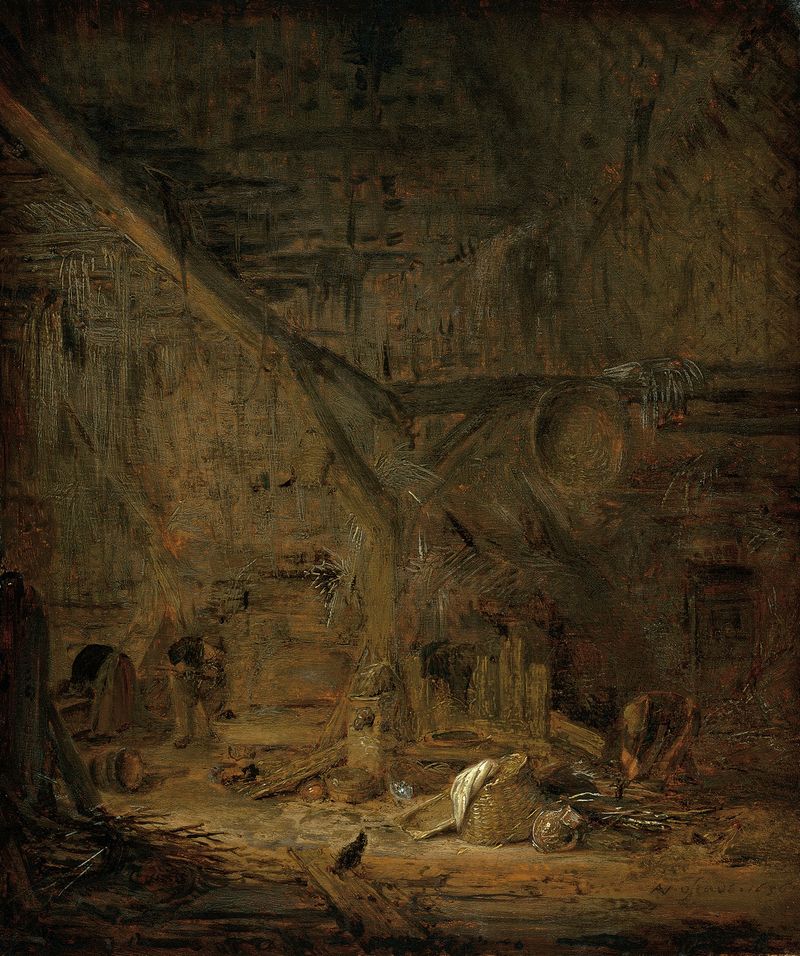
Interior of a Barn
Adriaen van Ostade

Man with a Tankard at a Window
Adriaen van Ostade
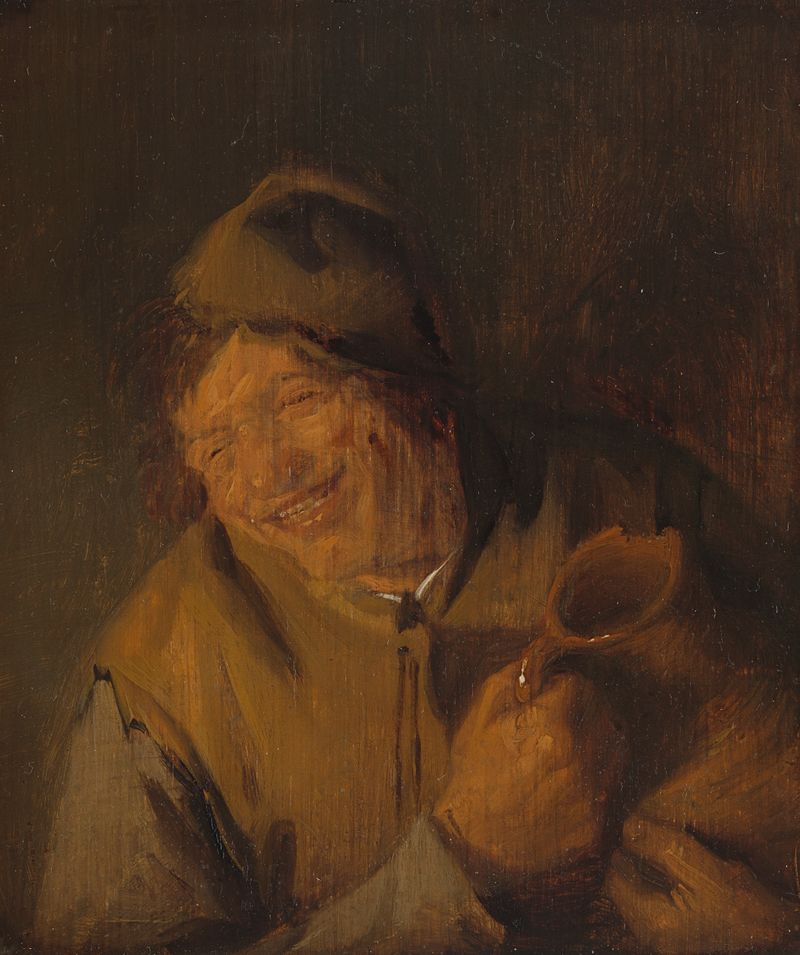
The Merry Peasant
Adriaen van Ostade