Gezicht in tuin — History & Facts
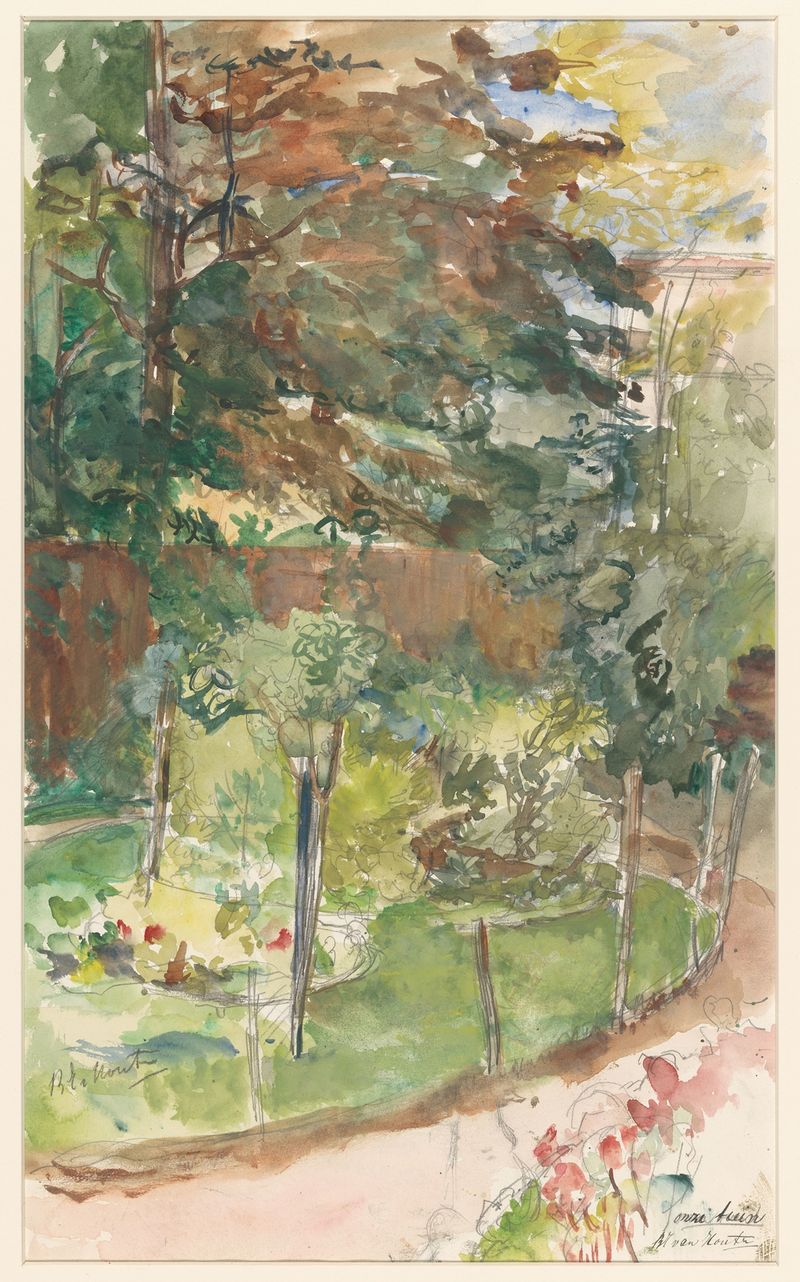
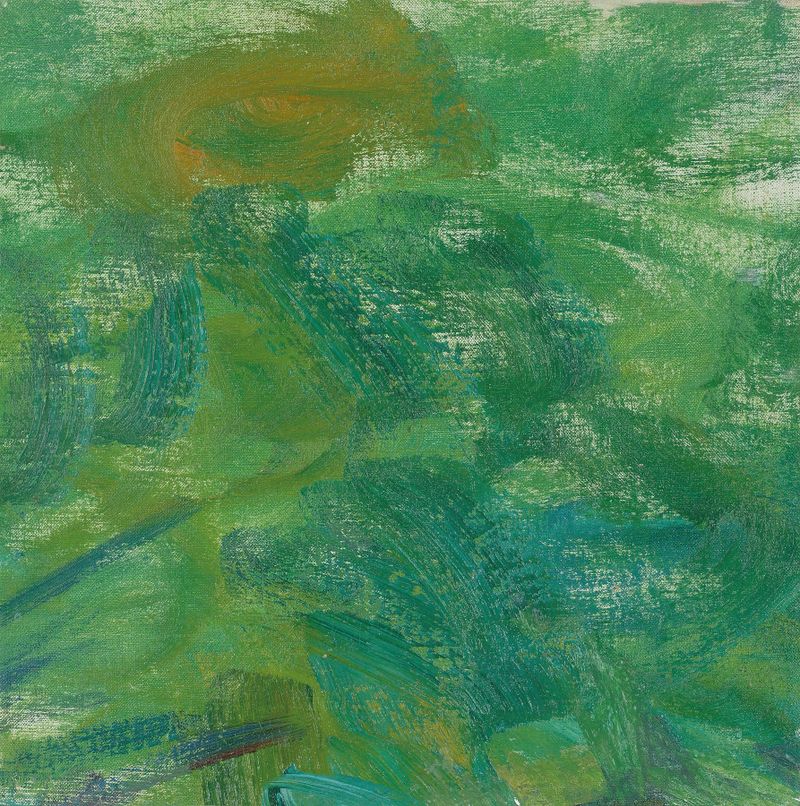
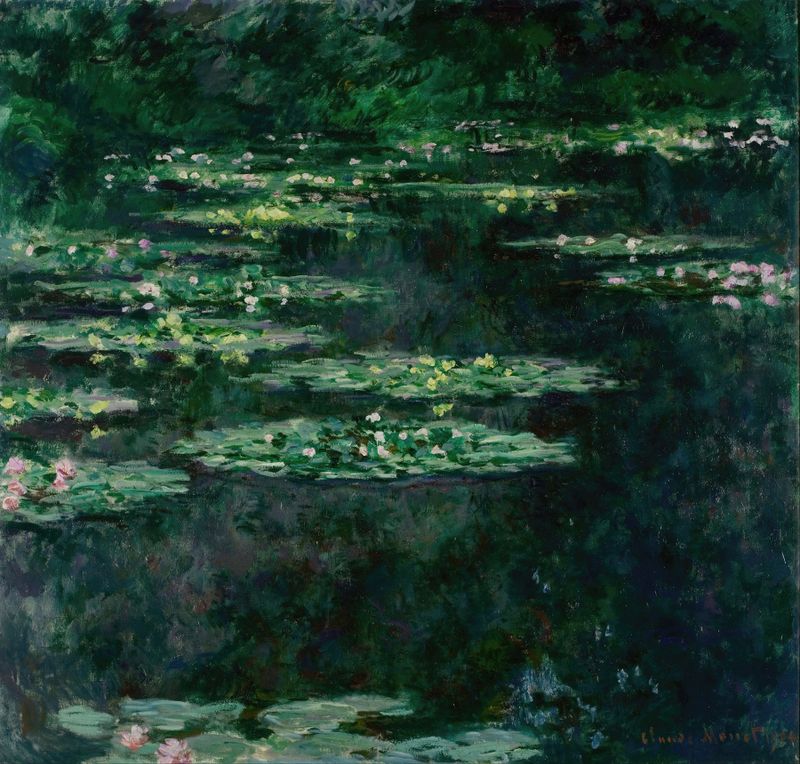
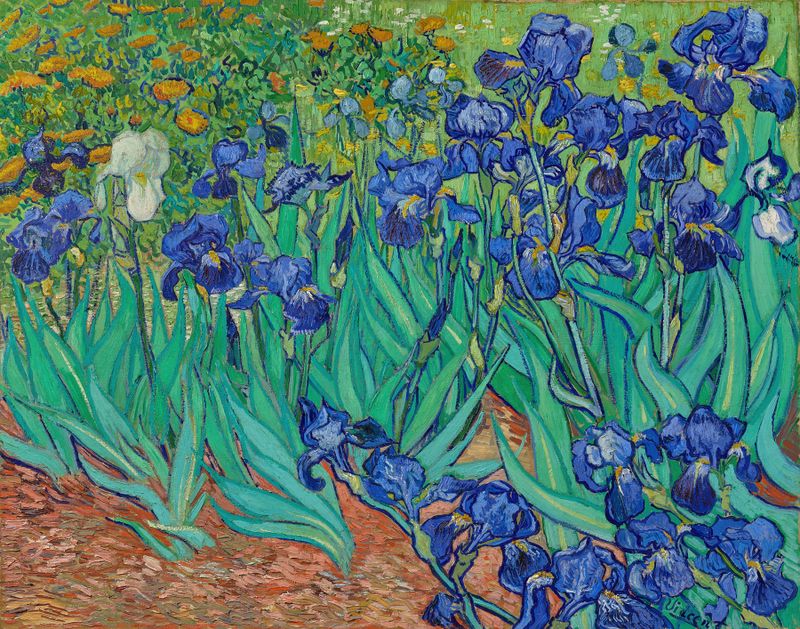
Is this a mirror — or a memory? The essence of loss lingers in the delicate brushstrokes, coaxing the viewer to explore the passage of time through a vibrant yet haunting garden scene. Look to the left at the lush, verdant foliage that envelops the scene, a testament to life flourishing amid absence. Notice how the dappled sunlight filters gently through the leaves, creating a soft interplay of light and shadow that invites you into the garden's embrace. The palette is a harmonious blend of greens and soft pastels, evoking a sense of nostalgia and warmth while simultaneously hinting at the impermanence of beauty. As you delve deeper, contrasting elements emerge— the vibrant blooms stand resolutely against the encroaching shadows, symbolizing fleeting joy amidst the inevitable decay of time.
Each flower seems to whisper stories of laughter and love, yet the subtle absence of human presence evokes a poignant stillness, leaving an echo of what once was. The composition feels intimate, as if the garden holds the secrets of lost moments, urging a reflection on one's own experiences of longing and remembrance. In the mid-20th century, Gezicht in tuin was crafted by Barbara Elisabeth van Houten, a period marked by personal and societal upheavals. Living in the Netherlands during and after World War II, she navigated a tumultuous era in art that sought meaning through the lens of memory and loss.
This work reflects both her introspective journey and the broader quest for beauty amidst the backdrop of historical tumult.