
Gezicht op de Lagune te Venetië — History & Facts
In the stillness of Franz Alt's Gezicht op de Lagune te Venetië, the tranquil landscape speaks volumes about the fragility of existence and the passage of time. Look to the left at the delicate play of light reflected on the water’s surface, where gentle hues of blue and green blend seamlessly. The distant architecture, steeped in history, rises from the lagoon like ghosts of the past, embodying both beauty and decay. Notice how the golden tones of the setting sun cast long shadows, emphasizing the contrast between the vibrancy of life and the inevitability of mortality. The composition evokes a sense of longing, as the serene waters mirror not only the sky but the weight of unspoken thoughts.
There is a haunting juxtaposition between the permanence of the structures and their ephemeral reflections—reminders of what endures and what fades. Hidden within the gentle waves are echoes of stories untold, urging viewers to contemplate their own transience amid this picturesque yet melancholic vista. Franz Alt painted this scene during a time of artistic transition, while he was deeply influenced by the Romantic ideals of the late 19th century. Despite the idyllic representation of Venice, he grappled with themes of impermanence, reflective of a world increasingly aware of its own vulnerabilities.
His work during this period reflects a conscientious exploration of nature, light, and the haunting beauty of mortality captured in the fleeting moments of life.
More Artworks by Franz Alt
Browse all →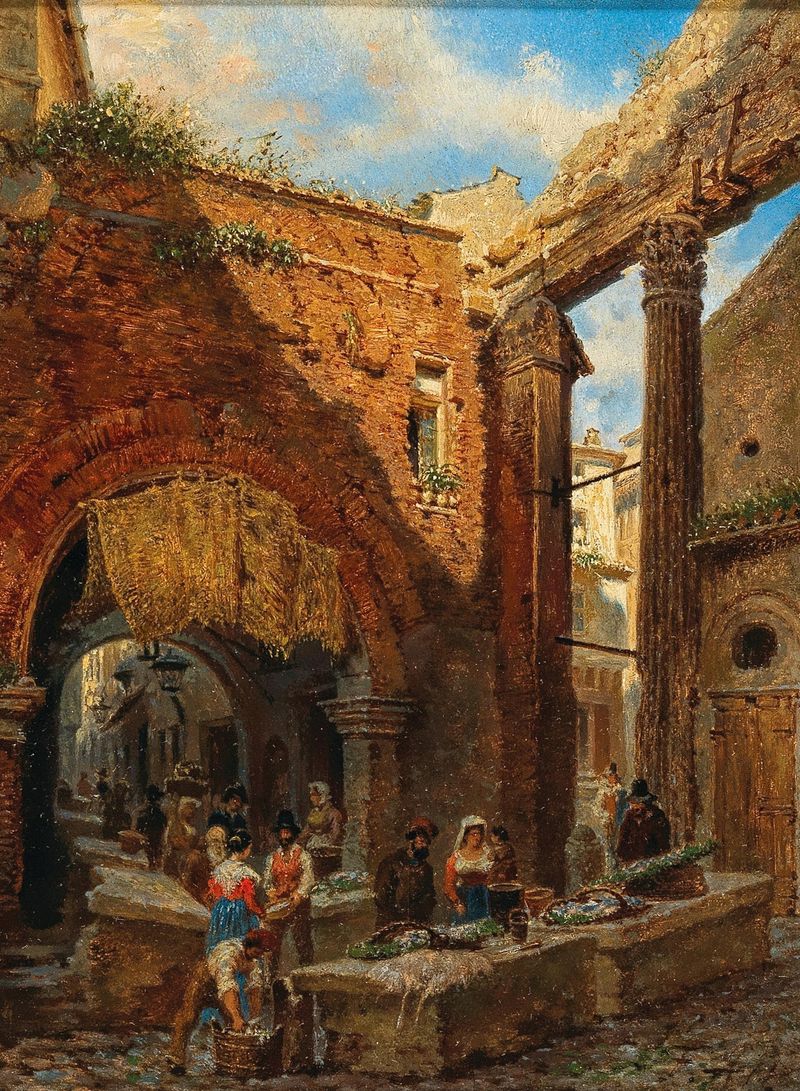
Rom Portico di Ottavia mit dem alten Fischmarkt
Franz Alt
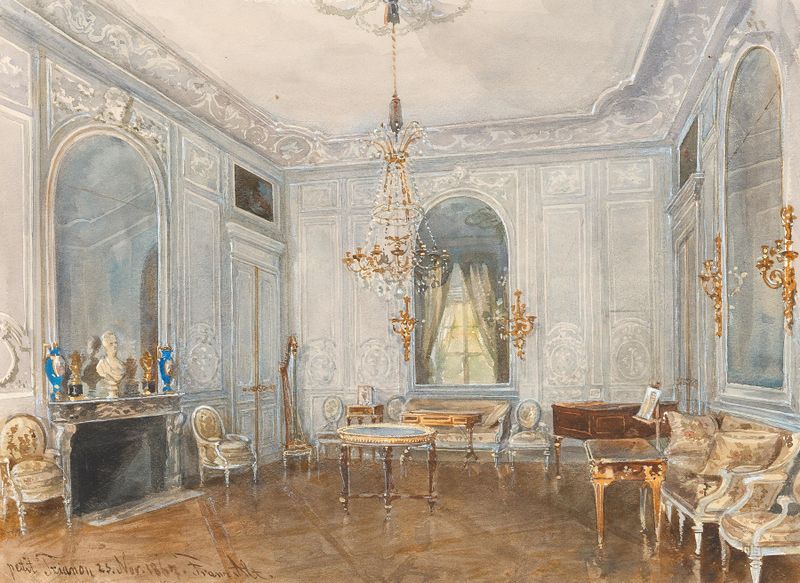
The dining room in the Petit Trianon, Versailles
Franz Alt

Blick in den Mailänder Dom
Franz Alt

Galerie d’Apollon in the Louvre, Paris
Franz Alt
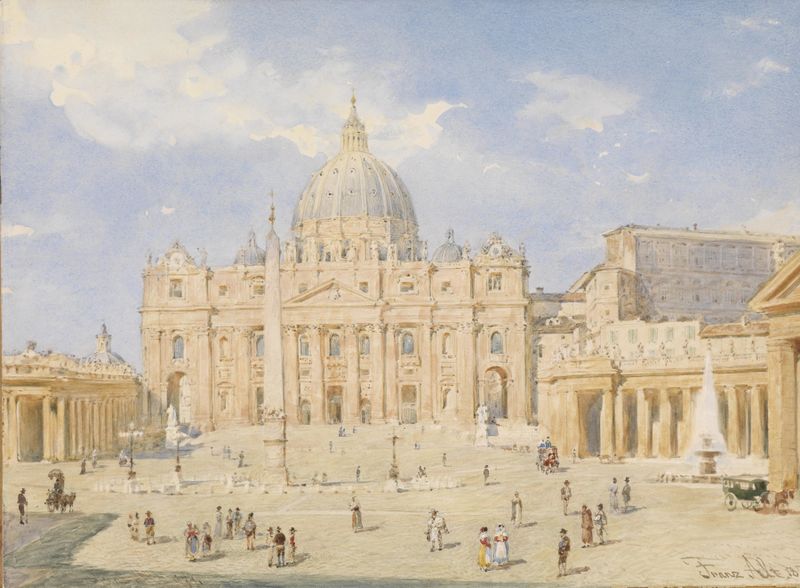
Petersplatz Rom
Franz Alt

Rome, a View of the Portico di Ottavia with the Old Fish Market
Franz Alt
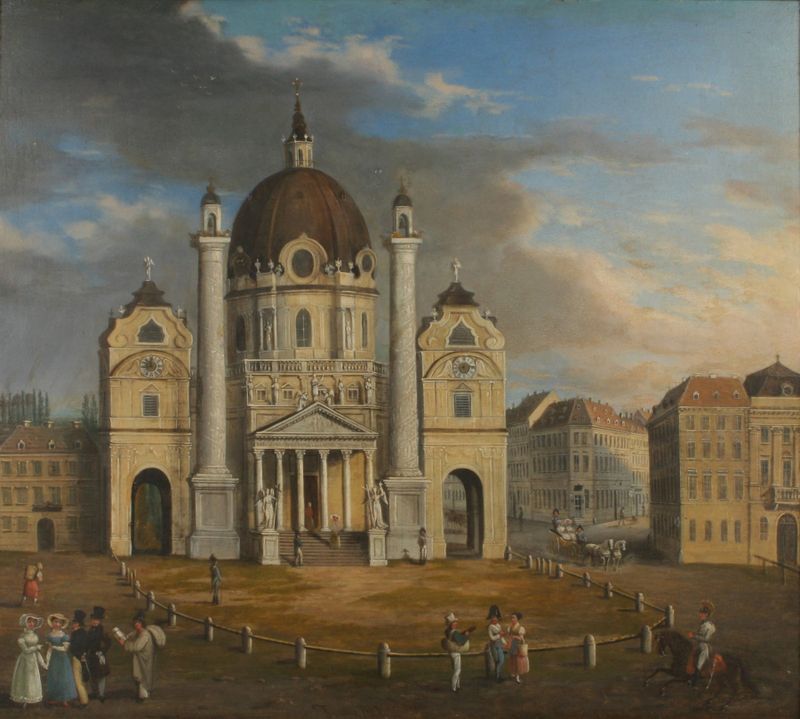
Blick auf die Karlskirche
Franz Alt

Dresden Stiege zur Brühlschen Terrasse
Franz Alt
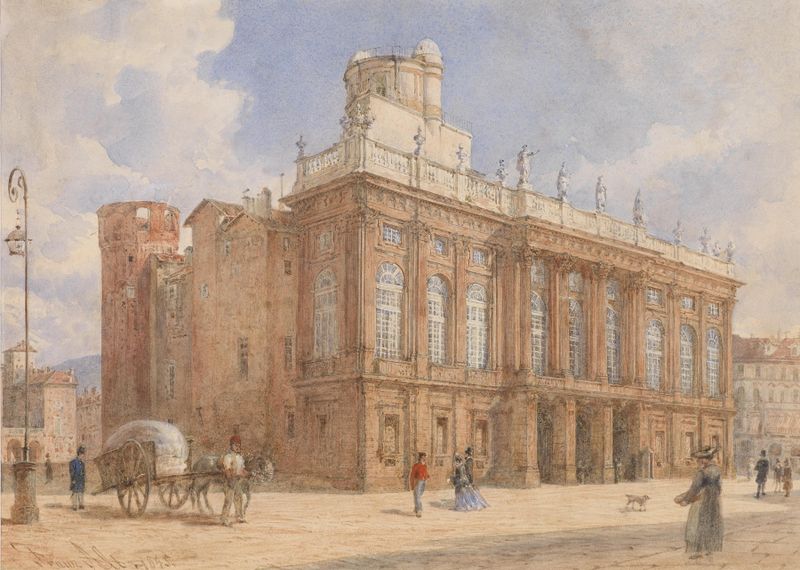
Castello Reale in Turin
Franz Alt
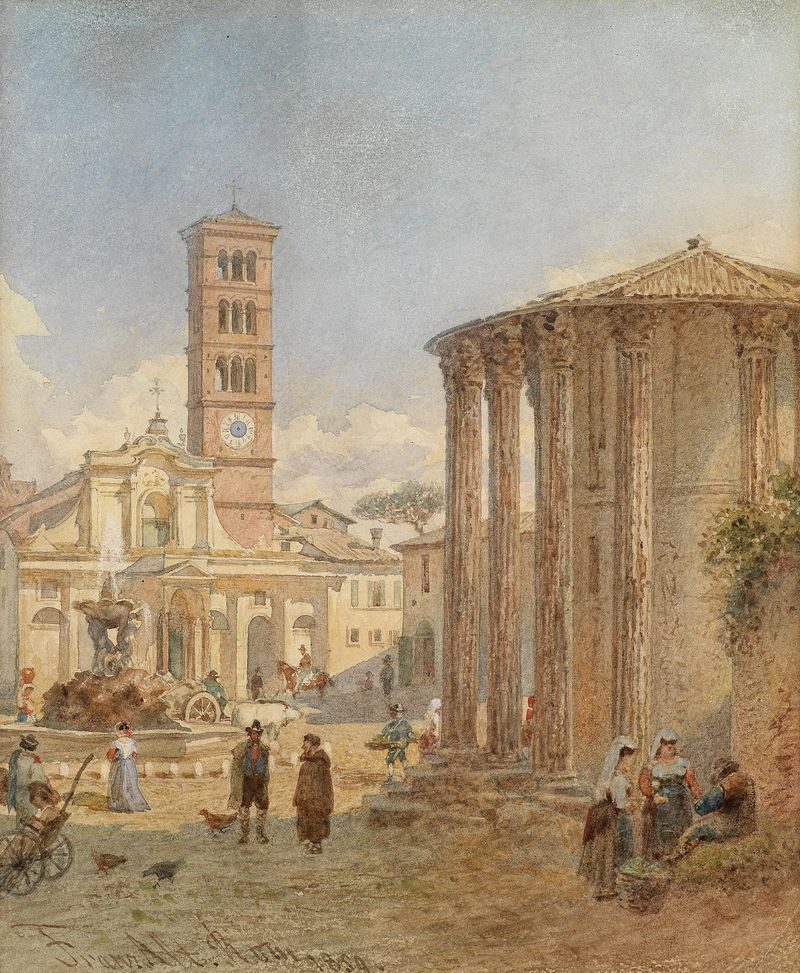
Rom Forum Boarium
Franz Alt





