The dining room in the Petit Trianon, Versailles — History & Facts
Could beauty survive in a century of chaos? This question resonates deeply within the tranquil confines of a dining room captured in the heart of Versailles, where opulence meets the stillness of memory, and every object whispers tales of a bygone era. Look to the left at the lavish table set with delicate china, its patterns blending harmoniously with the soft, natural light filtering through the windows. Notice how the golden hues of the room contrast with the muted greens of the surrounding garden, inviting a sense of serenity. The meticulous brushwork reveals the textures of fabric and wood, drawing the viewer into the intimate atmosphere and suggesting a moment frozen in time, where elegance reigns supreme. Yet, in the elegance lies a subtle tension—a reminder of the shifting tides outside these walls.
The room, though rich with decor, carries an undertone of isolation, as if the joy once experienced here has faded into nostalgia. The reflections on the glass surfaces hint at the dichotomy of light and shadow, representing both the vivacity of courtly life and the impending storm that would soon engulf France. Each detail beckons contemplation of what remains amidst the disarray of history. In 1867, Franz Alt created this painting during a period marked by nostalgia for the grandeur of the French monarchy, even as the country faced profound social upheaval.
Situated in a moment when the world was grappling with modernity, he found solace in capturing the stillness of this room within the Petit Trianon, a retreat of Marie Antoinette. His work reflects the longing for beauty and harmony against the backdrop of an increasingly chaotic reality.
More Artworks by Franz Alt
Browse all →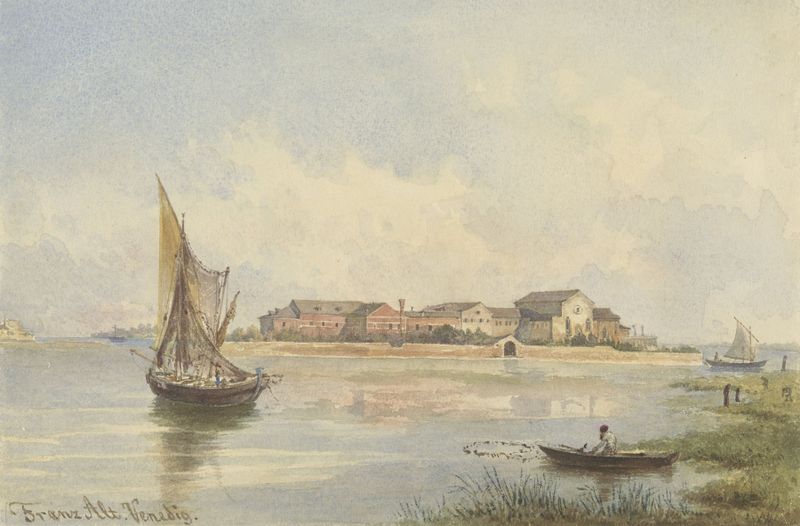
Gezicht op de Lagune te Venetië
Franz Alt
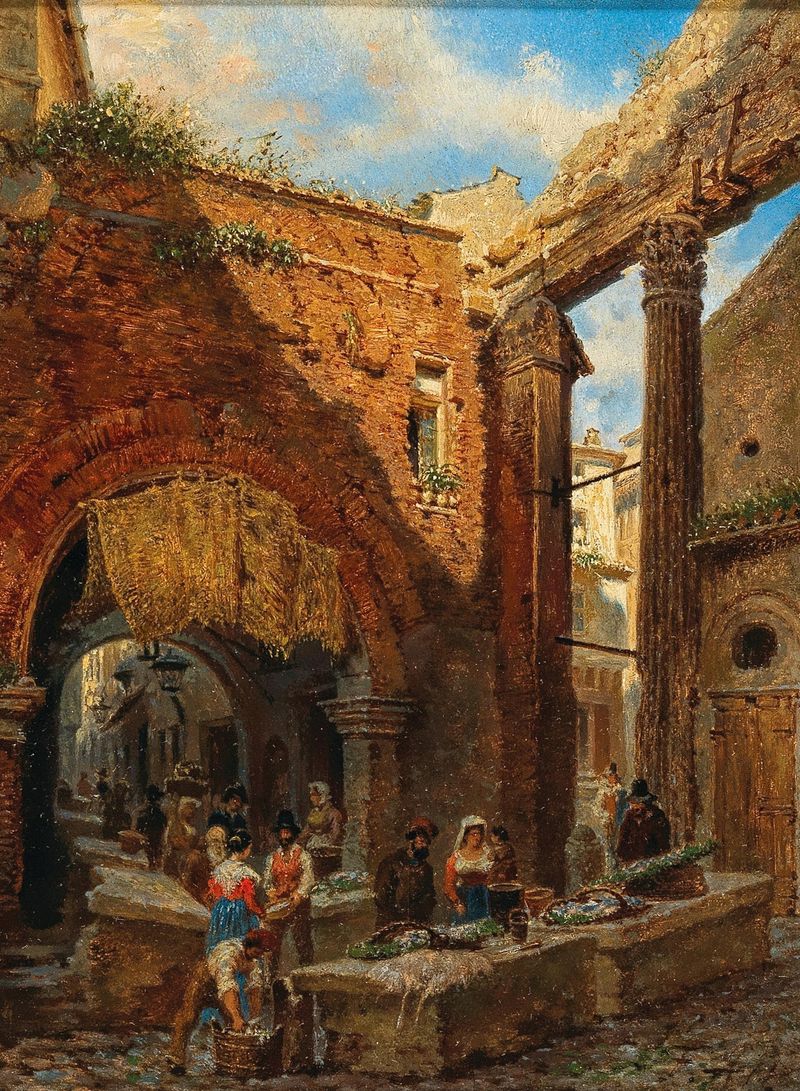
Rom Portico di Ottavia mit dem alten Fischmarkt
Franz Alt

Blick in den Mailänder Dom
Franz Alt

Galerie d’Apollon in the Louvre, Paris
Franz Alt
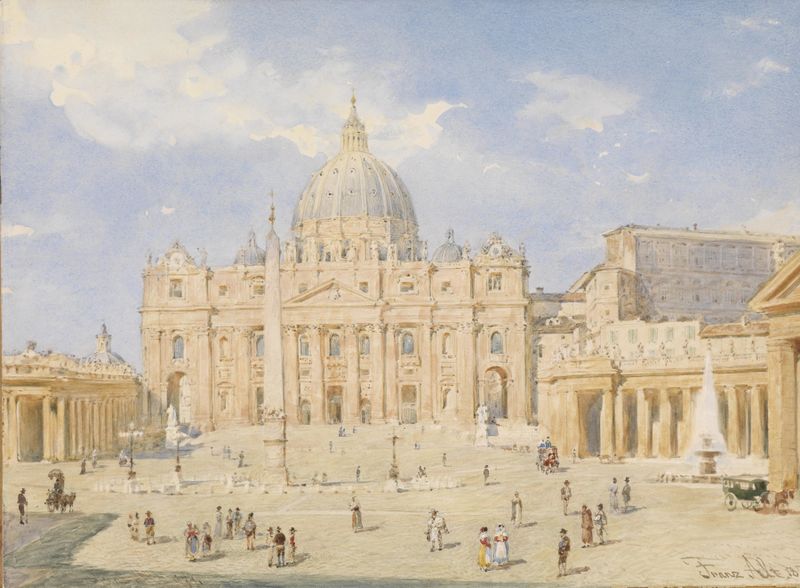
Petersplatz Rom
Franz Alt

Rome, a View of the Portico di Ottavia with the Old Fish Market
Franz Alt
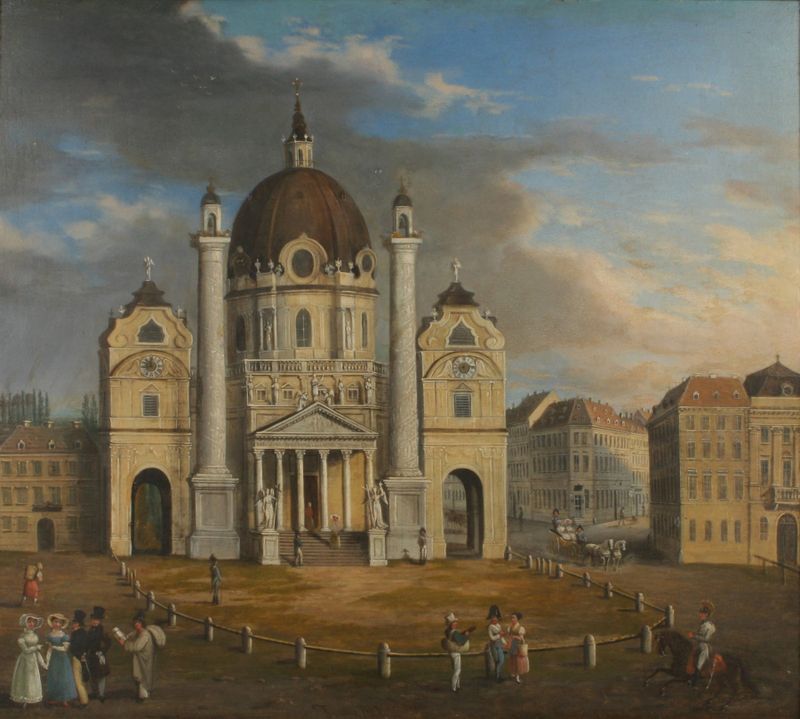
Blick auf die Karlskirche
Franz Alt

Dresden Stiege zur Brühlschen Terrasse
Franz Alt
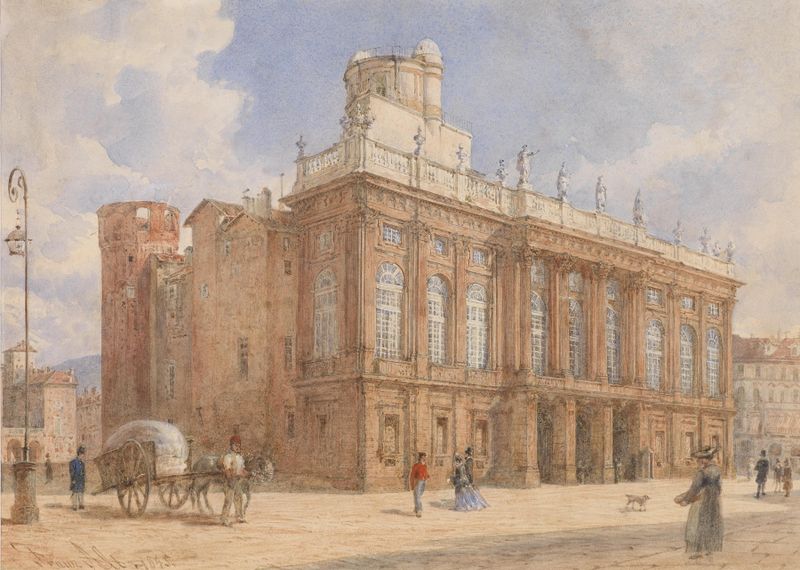
Castello Reale in Turin
Franz Alt
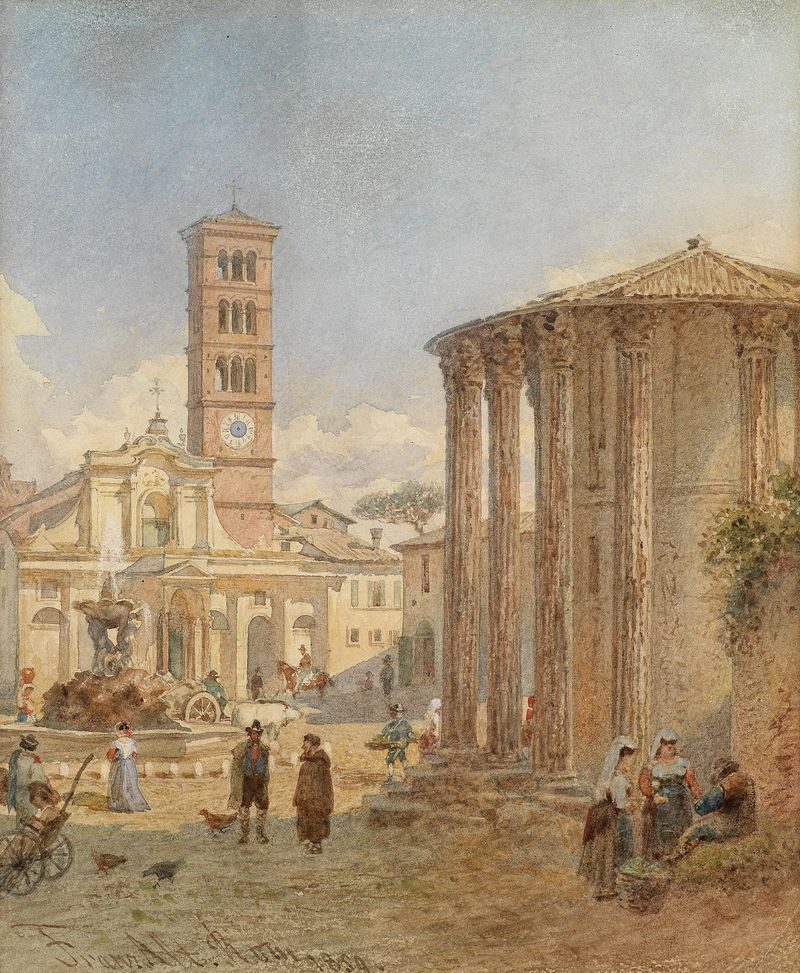
Rom Forum Boarium
Franz Alt