Dresden Stiege zur Brühlschen Terrasse — History & Facts
In the stillness of an empty staircase, echoes of absence linger in the air, whispering tales of longing and solitude. The void becomes a canvas where emotions intertwine with architecture, inviting reflections on what remains unsaid. Focus on the left side of the painting, where soft, muted colors wash over the stairs, creating an intimate embrace of light and shadow. Notice how the gentle gradient of hues draws the eye upward, guiding your gaze along the elegant banister that curves invitingly.
The subtle interplay between the warm tones of the stone and the cooler shades of the surrounding air evokes a sense of nostalgia, turning the staircase into a pathway of memories. Underlying the tranquil surface lies a narrative of emptiness. The absence of figures amplifies the solitude, suggesting a place once vibrant with life, now silent and contemplative. This stillness invites viewers to confront their own emotions, as the staircase becomes a metaphor for journeys taken and paths not traveled.
Each step holds the weight of unwritten stories, resonating with the viewer's personal experiences of longing and introspection. Franz Alt painted this work in 1906, during a period marked by a shift in artistic focus towards the exploration of light and space. Living in Dresden, he was influenced by the burgeoning modernism that sought to depict the emotional weight of everyday scenes. Aware of the world around him, Alt captured not only the physical beauty of the staircase but also the profound silence that envelops it, echoing the sentiments of a changing era in the art world.
More Artworks by Franz Alt
Browse all →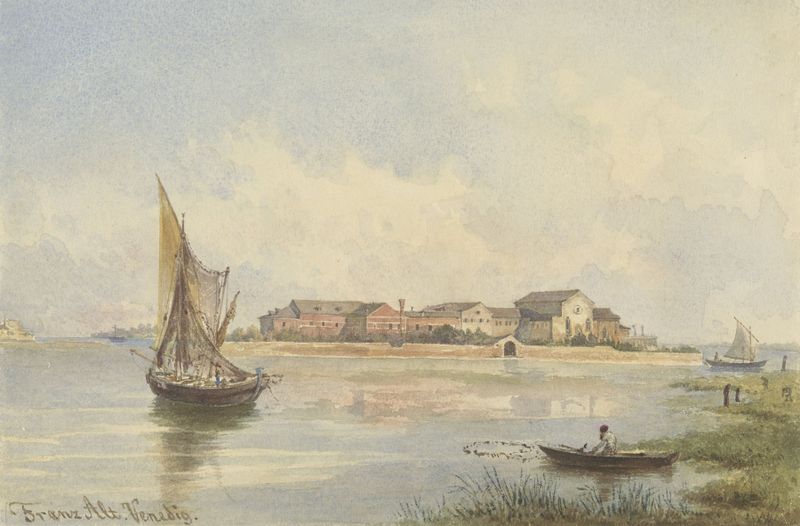
Gezicht op de Lagune te Venetië
Franz Alt
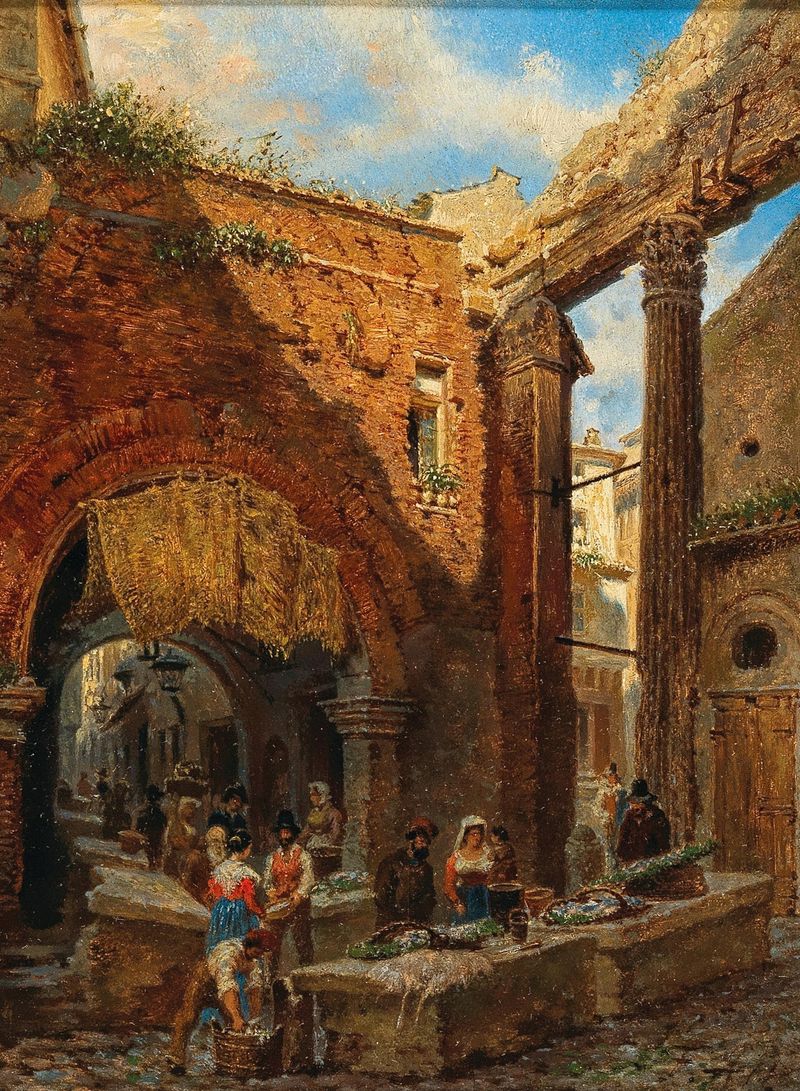
Rom Portico di Ottavia mit dem alten Fischmarkt
Franz Alt
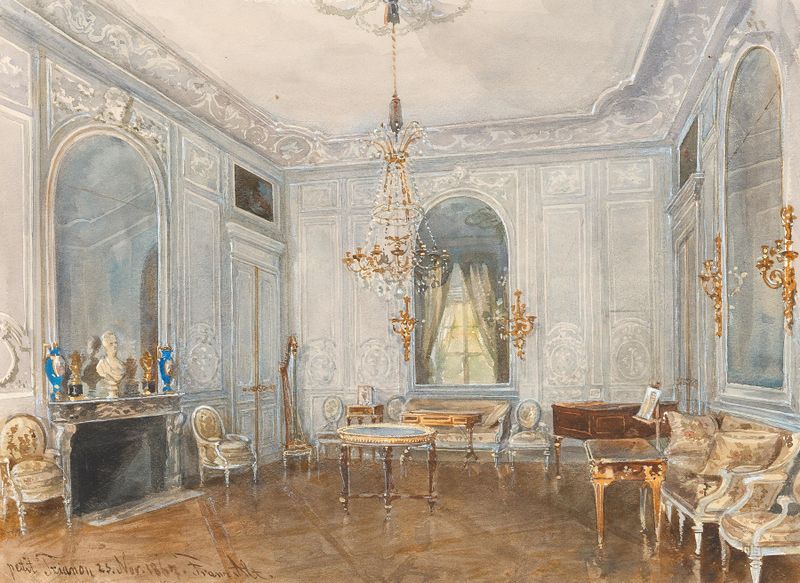
The dining room in the Petit Trianon, Versailles
Franz Alt

Blick in den Mailänder Dom
Franz Alt

Galerie d’Apollon in the Louvre, Paris
Franz Alt
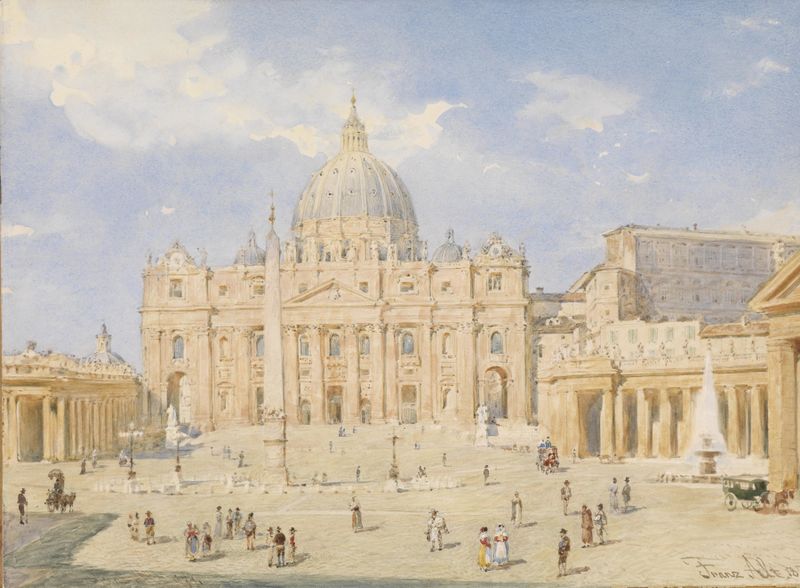
Petersplatz Rom
Franz Alt

Rome, a View of the Portico di Ottavia with the Old Fish Market
Franz Alt
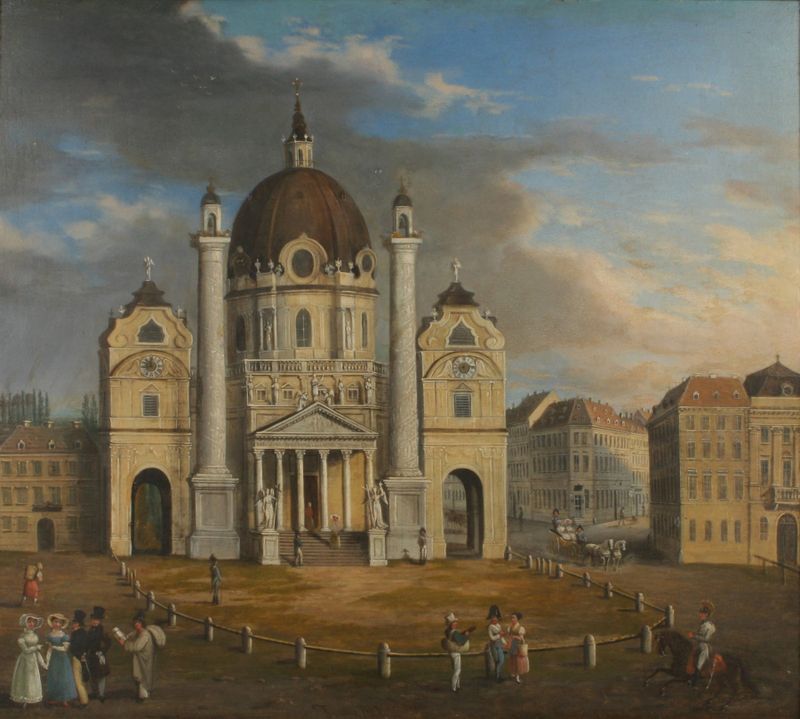
Blick auf die Karlskirche
Franz Alt
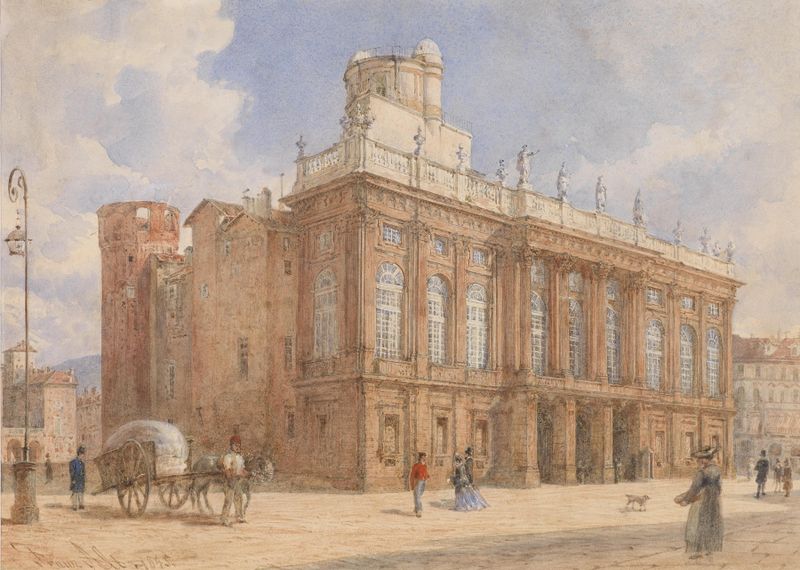
Castello Reale in Turin
Franz Alt
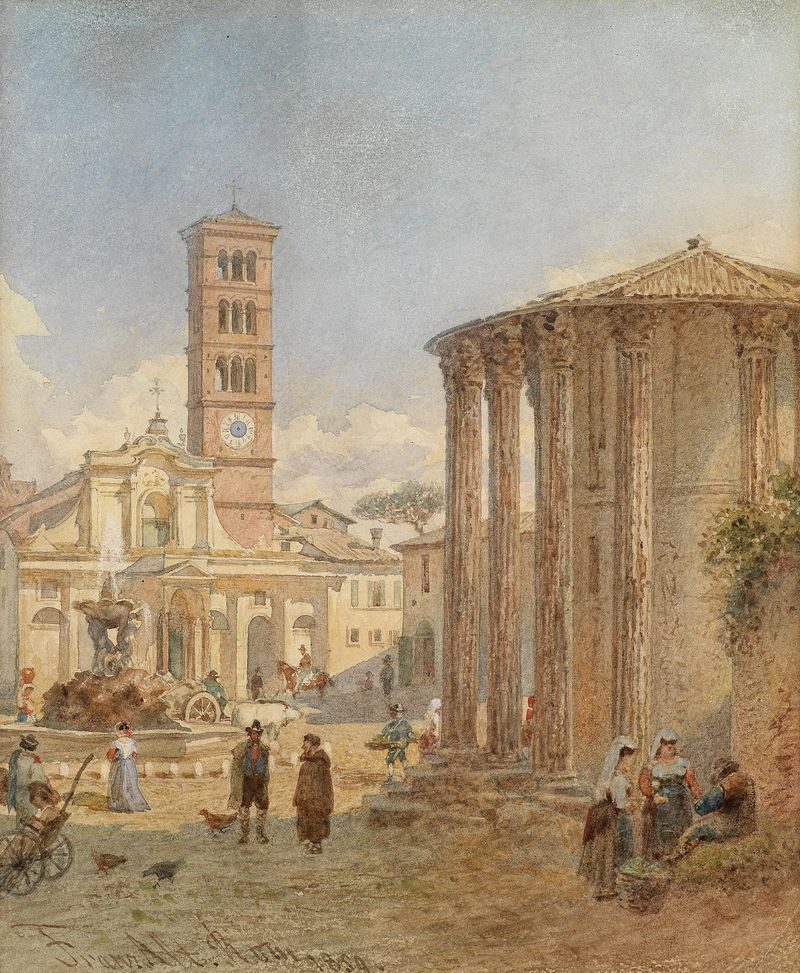
Rom Forum Boarium
Franz Alt