
Gezicht op de Overtoom — History & Facts
In the quiet moments of our lives, when transformation is whispered in the stillness, we seek a glimpse of beauty that transcends time. Look to the center of Gezicht op de Overtoom, where the calm waters of the canal reflect the soft hues of a fading day. Notice the delicate brushstrokes that define the trees, their leaves fluttering like whispers against the sky. The gentle light bathes the scene, creating a warm embrace that draws the eye to the elegant architecture framing the waterway.
The deliberate placement of figures along the bank imbues the painting with life, each gesture hinting at stories untold. Within this tranquil moment lies a profound sense of transition. The interplay between light and shadow evokes the fleeting nature of time, while the figures, engaged in their daily rhythms, embody a world in flux, forever caught between the mundane and the ephemeral. The muted palette speaks to the quiet dignity of everyday life, reminding us that transformation often occurs in the most ordinary settings, inviting contemplation of our own journeys. In the early 1650s, Reinier Nooms painted Gezicht op de Overtoom amidst the flourishing artistic climate of the Dutch Golden Age.
Living in Amsterdam, he was surrounded by innovation and change, both in art and society. This period saw the rise of landscape painting, and Nooms’ intricate attention to detail captured not only the physical beauty of the urban environment but also the quiet shift in the human experience, a reflection of a world redefining itself.
More Artworks by Reinier Nooms
Browse all →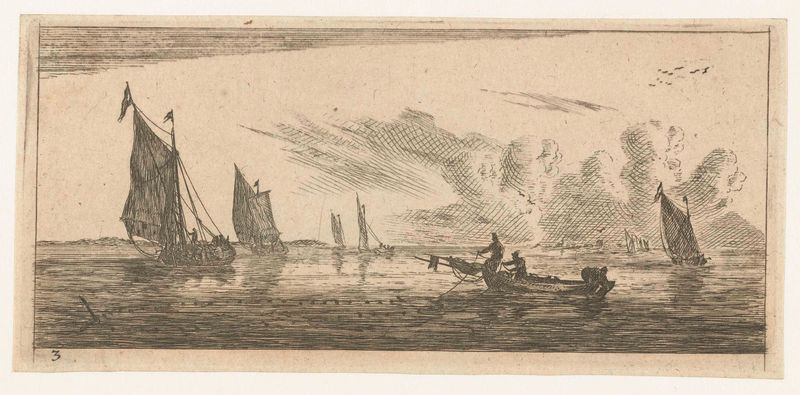
Zeegezicht met verschillende zeilschepen
Reinier Nooms
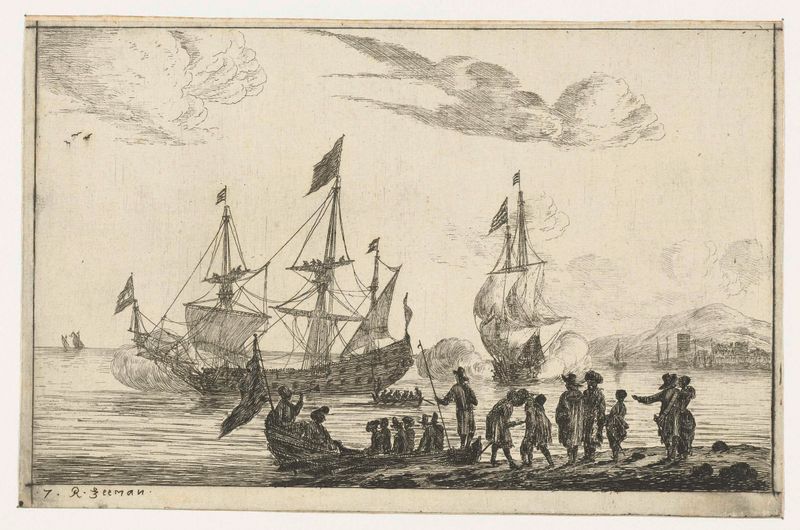
Havenscène met een spiegelsloep
Reinier Nooms
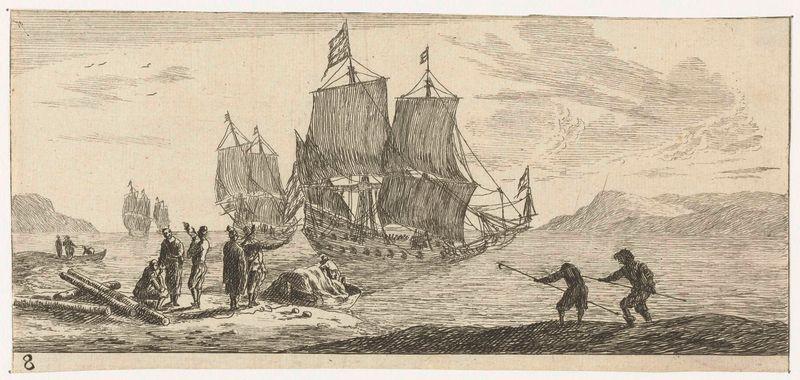
Vier grote zeilschepen in een baai
Reinier Nooms
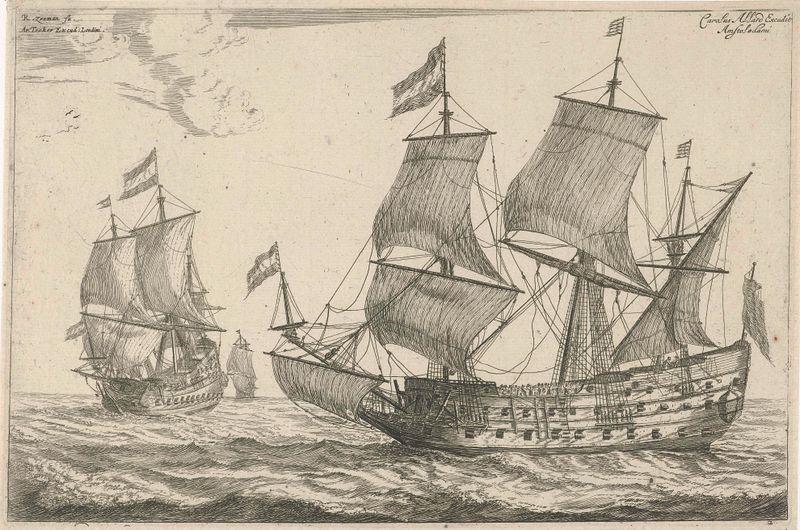
Twee grote oorlogsschepen
Reinier Nooms
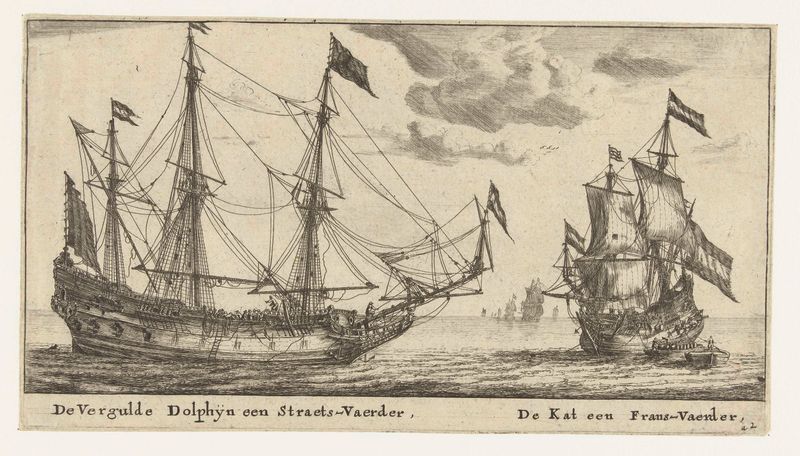
De schepen De Vergulde Dolfijn en De Kat
Reinier Nooms
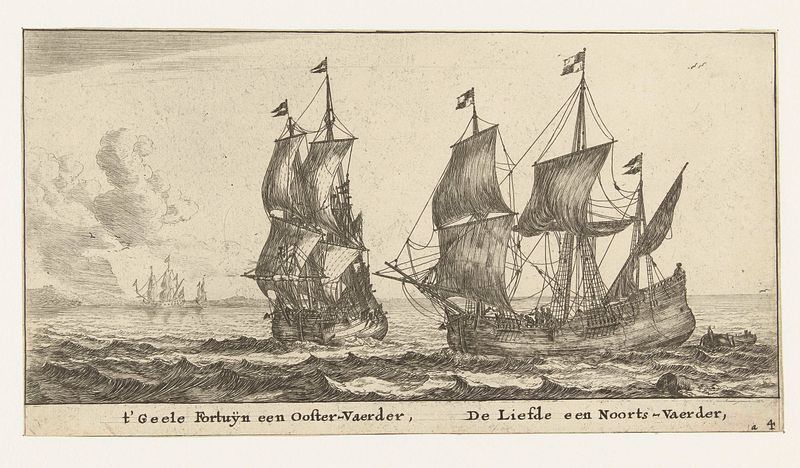
De schepen 't Gele Fortuin en De Liefde
Reinier Nooms
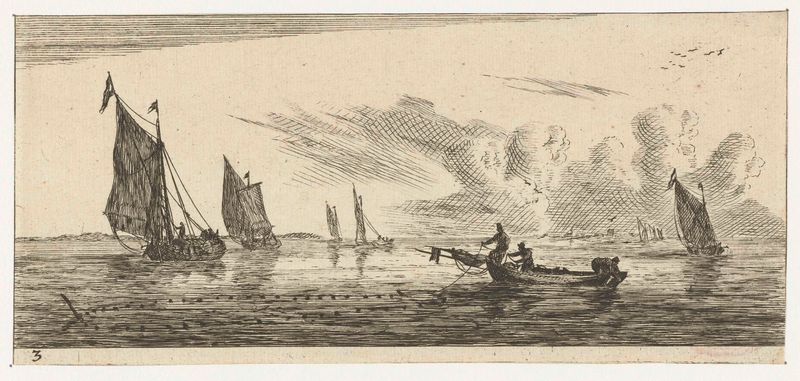
Zeegezicht met verschillende zeilschepen
Reinier Nooms
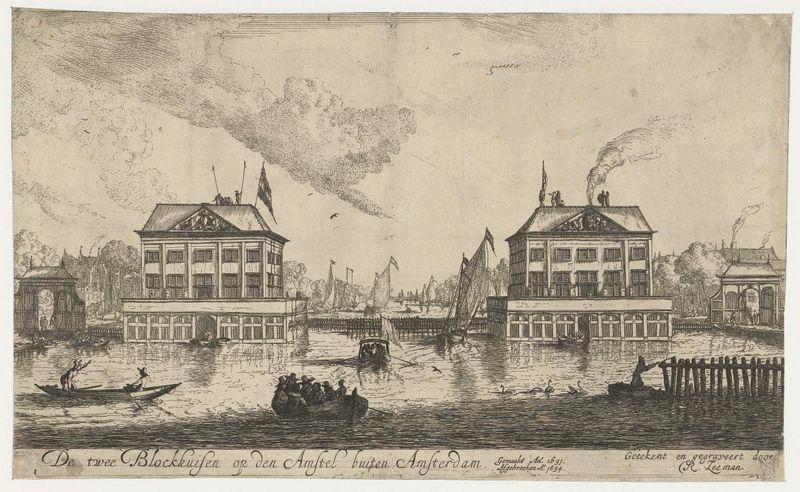
Gezicht op de twee Blokhuizen in de Amstel
Reinier Nooms
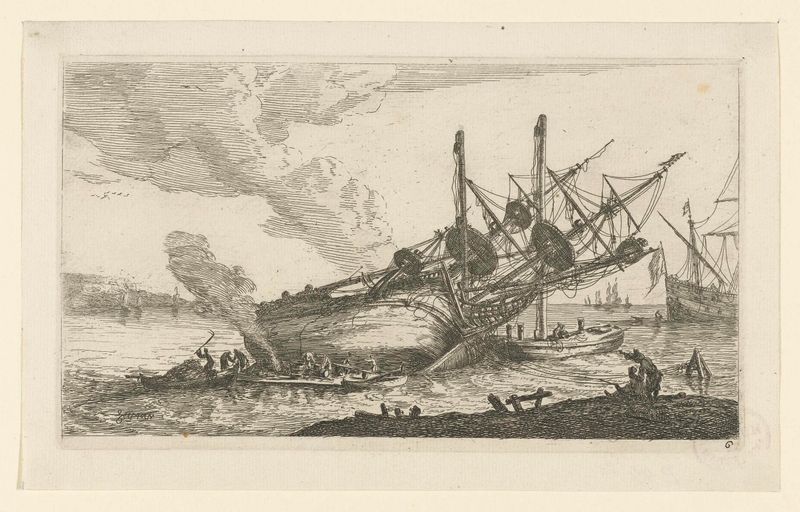
Reparaties aan de romp van een schip
Reinier Nooms
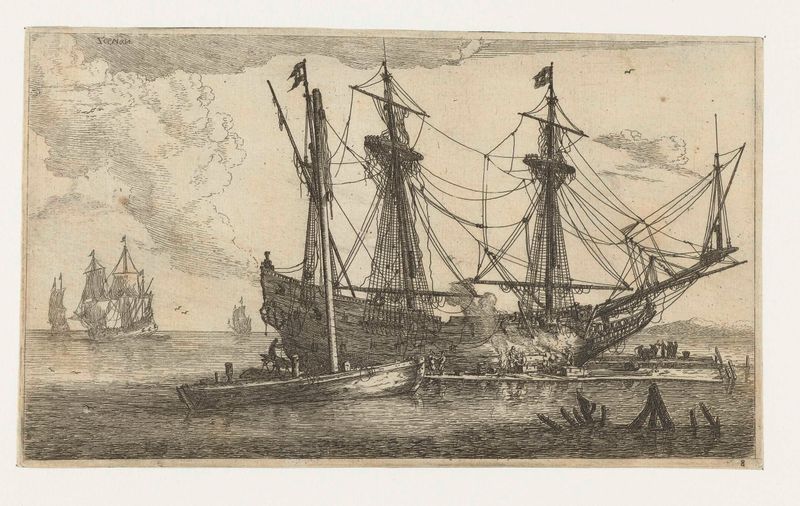
Reparaties aan de romp van een schip
Reinier Nooms





