Gezicht op de rede van Antwerpen — History & Analysis
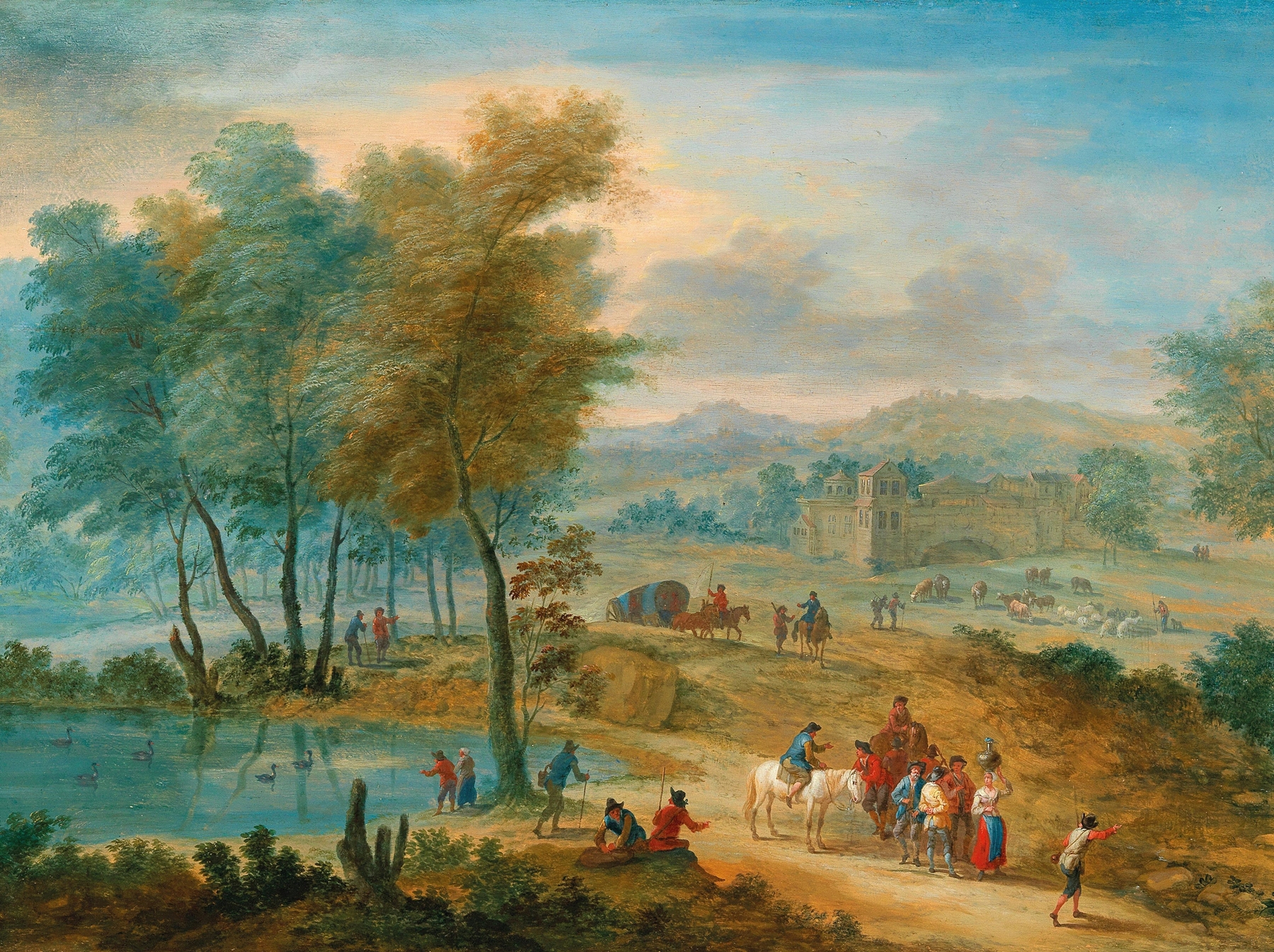
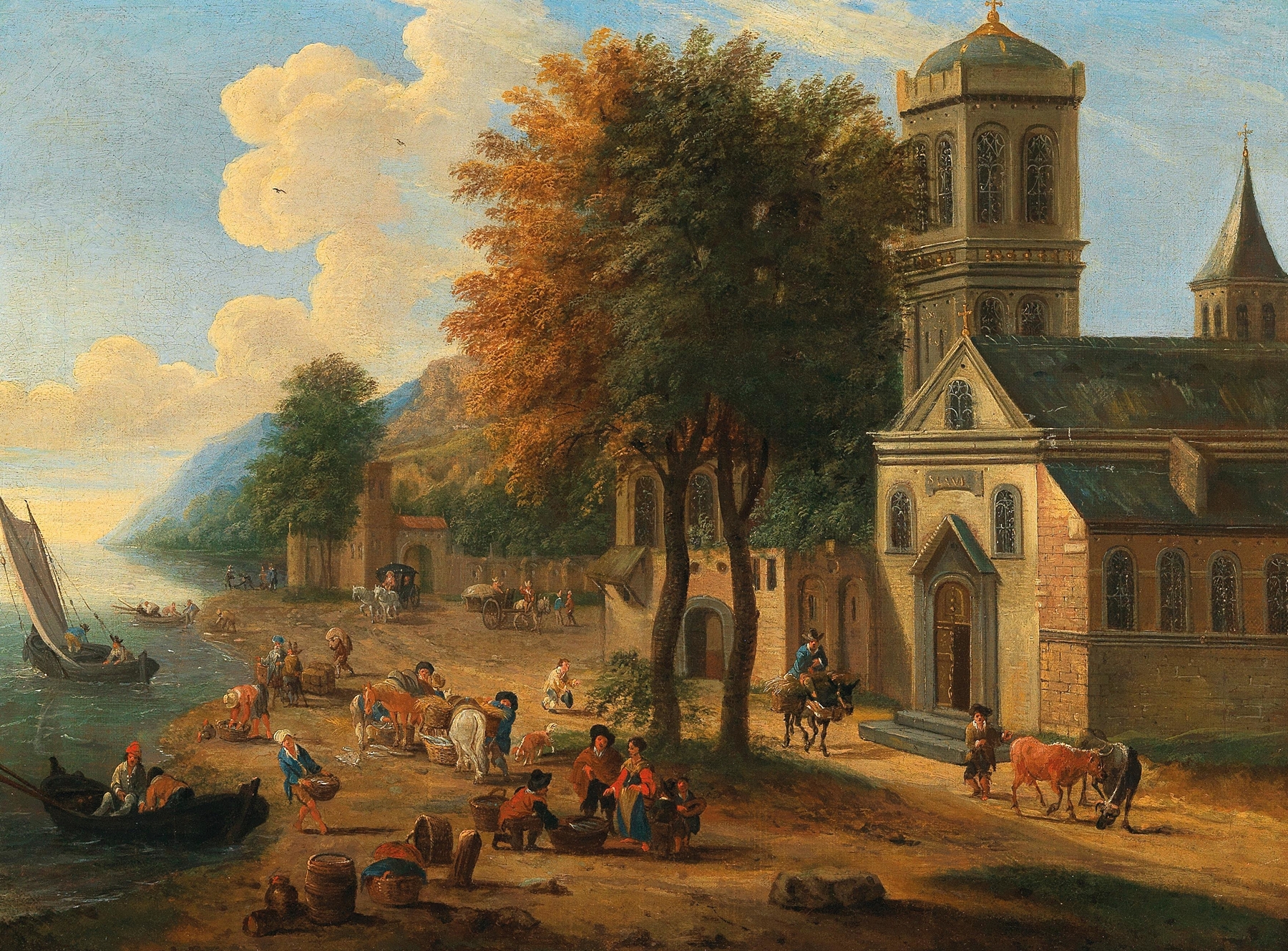
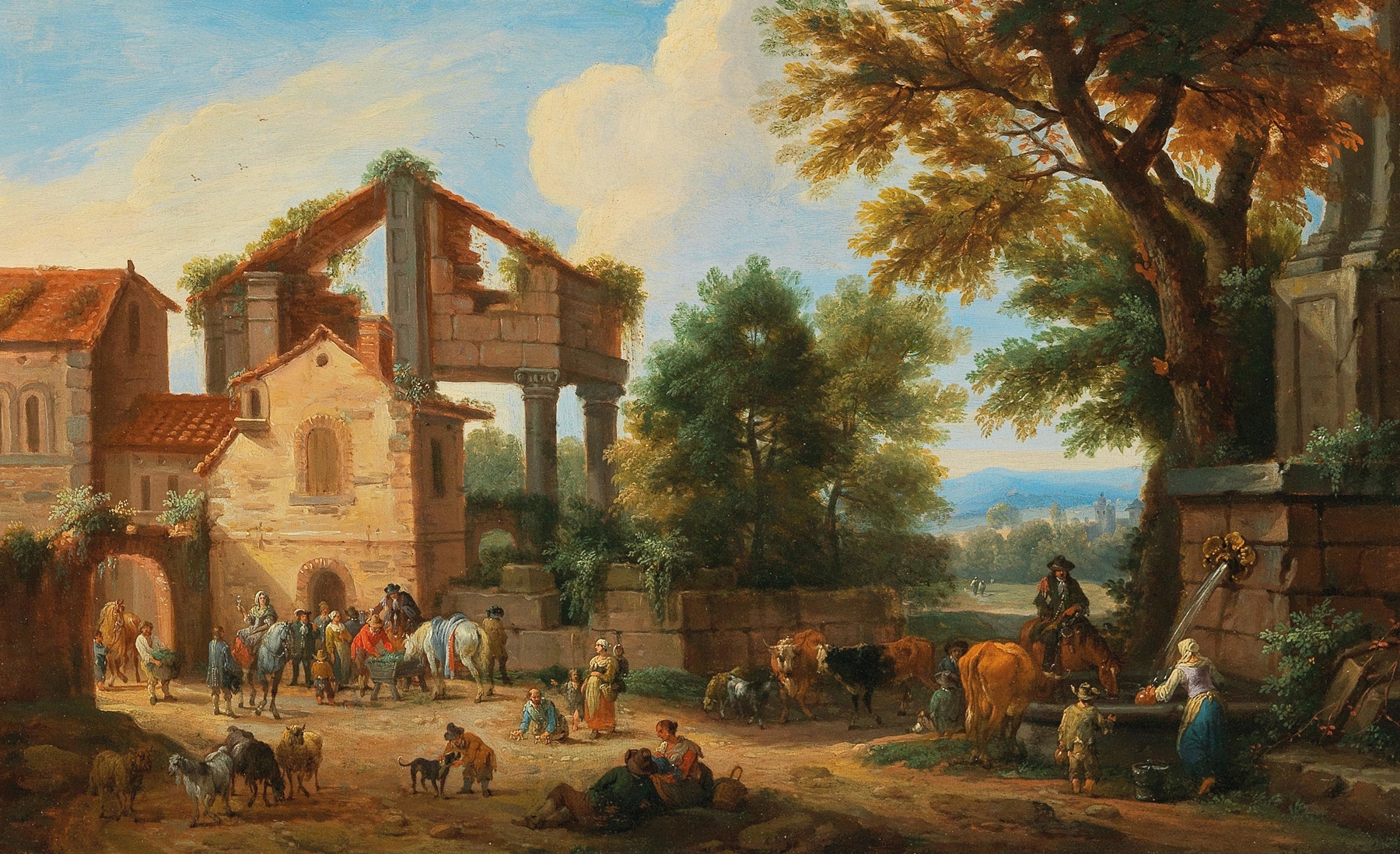
When did color learn to lie? In a world where hues dance and deceive, Gezicht op de rede van Antwerpen celebrates a vision of ecstasy that transports viewers beyond mere representation. Look to the foreground, where the bustling activity of the port unfolds under a brilliant sky. The soft blues and whites of the clouds contrast sharply with the earthy tones of the ships and docks below, creating a vibrant tapestry that invites the eye to explore every detail.
Notice how the artist captures the gentle ripples of water, reflecting the light with an almost magical shimmer, drawing our gaze deeper into the scene. Each vessel is rendered with precision, suggesting the importance of trade and connection in this lively harbor. Beneath the surface, the painting suggests a duality of existence—the joy of commerce juxtaposed with the uncertainty of the seas. The ships symbolize ambition and adventure, yet their precarious positioning hints at the dangers that lurk just beyond the visible horizon.
Schoevaerdts’ choice of color adds layers of emotion: the sunny palette evokes hope, while the shadowy corners speak to the unknown, stirring an emotional tension that lingers as we contemplate the intertwined fates of those who ventured forth. Created between 1682 and 1702, during a time of commercial expansion in Antwerp, the artist encapsulates the spirit of an era defined by exploration and trade. Schoevaerdts meticulously crafted this work as the city was becoming a prominent economic hub in Europe, reflecting both personal ambition and the larger narrative of a world on the brink of transformation. In this vibrant tableau, he captured not just a physical location, but the very heartbeat of human endeavor.