
Gezicht op een dorp met een huifkar — History & Facts
What if beauty was never meant to be finished? In Gezicht op een dorp met een huifkar, the artist captures a tranquil moment that invites contemplation and dreams of an idyllic past. Look to the left at the gentle curve of the road, where a huifkar, or covered wagon, ambles slowly through the village. The warm hues of ochre and soft greens breathe life into the landscape, with the light filtering softly through the overhanging branches. Notice how the distant houses seem to melt into the sky, blurring the boundaries between earth and heaven, while a sense of quiet harmony envelops the scene.
Each brushstroke suggests a meticulous attention to detail, making the viewer linger on the texture of the clouds and the play of light on the water. The painting embodies a serene nostalgia, hinting at a life intertwined with nature and community. The placement of figures in the foreground contrasts with the vastness of the village, evoking feelings of both connection and isolation. The huifkar, bearing its cargo, symbolizes the journey of life — a dreamlike passage through time that resonates with the viewer's longing for simpler days.
Each element, from the grazing animals to the distant church steeple, holds a fragment of the story, whispering of shared experiences and untold histories. Created during the late Golden Age of Dutch painting, this work emerged between 1605 and 1673, a period when artists were increasingly exploring landscapes and rural life. Van Uden, flourishing amidst a backdrop of socio-economic change and artistic innovation, reflected the evolving relationship between humanity and nature. In this painting, he not only chronicled daily life but also evoked the timeless beauty of the world around him, capturing an enduring dream of pastoral existence.
More Artworks by Lucas van Uden
Browse all →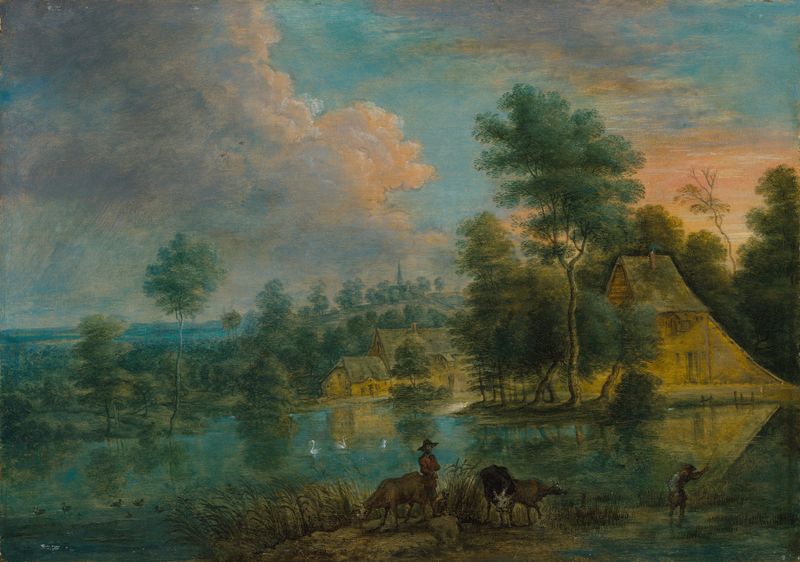
A river landscape with travellers
Lucas van Uden
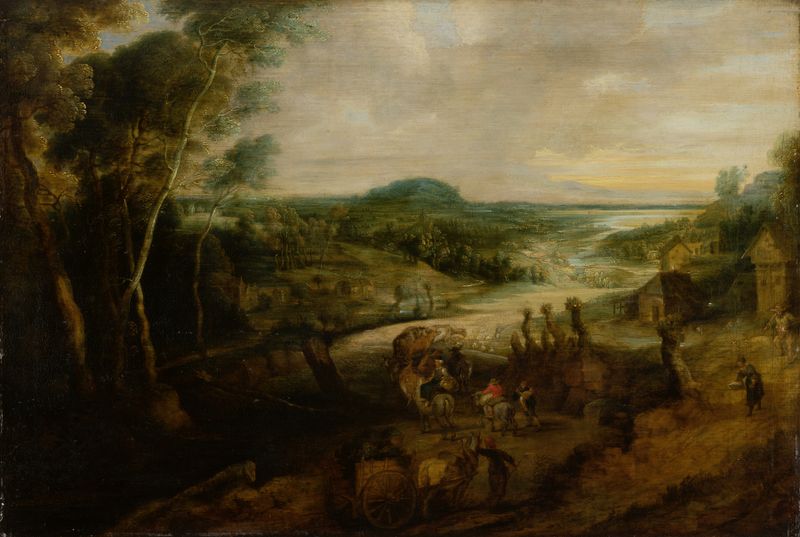
River Landscape with Peasants on the Way to Market
Lucas van Uden
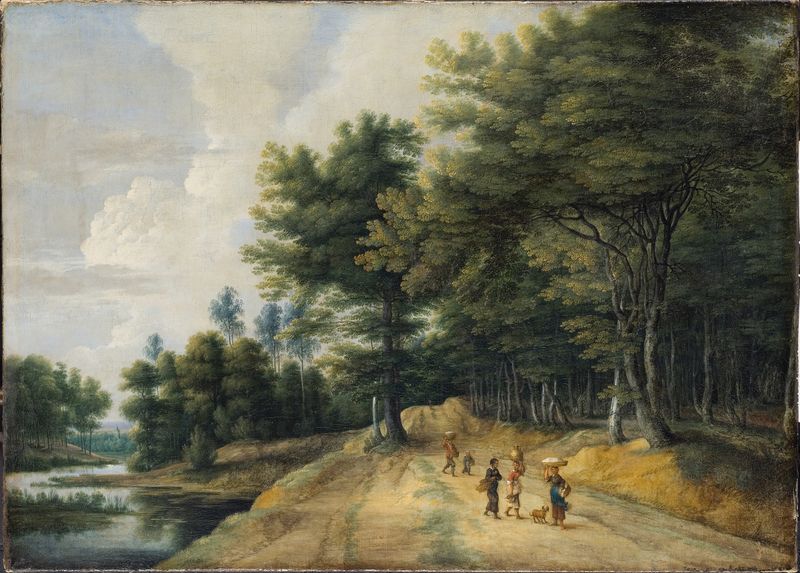
Landscape with a Road through a Wood of Beeches
Lucas van Uden
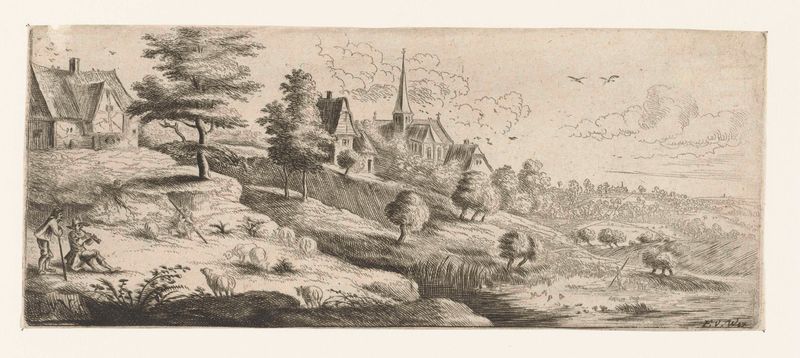
Landschap met een dorp en een schalmei spelende man
Lucas van Uden
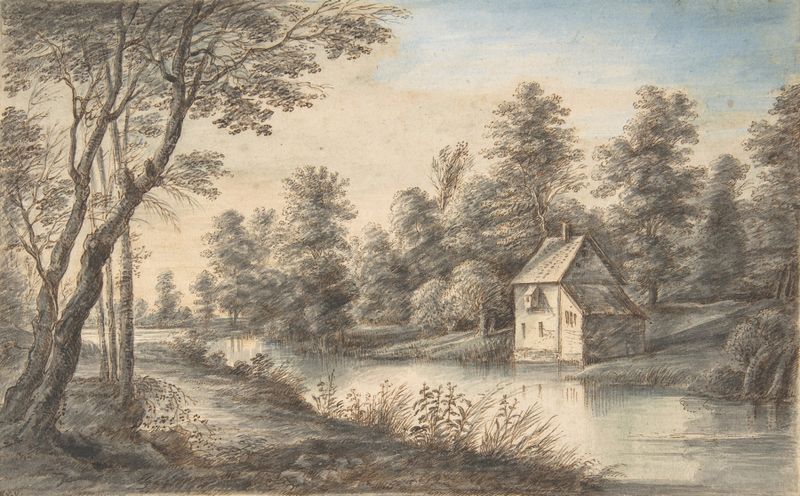
Wooded Landscape with a House beside a River
Lucas van Uden
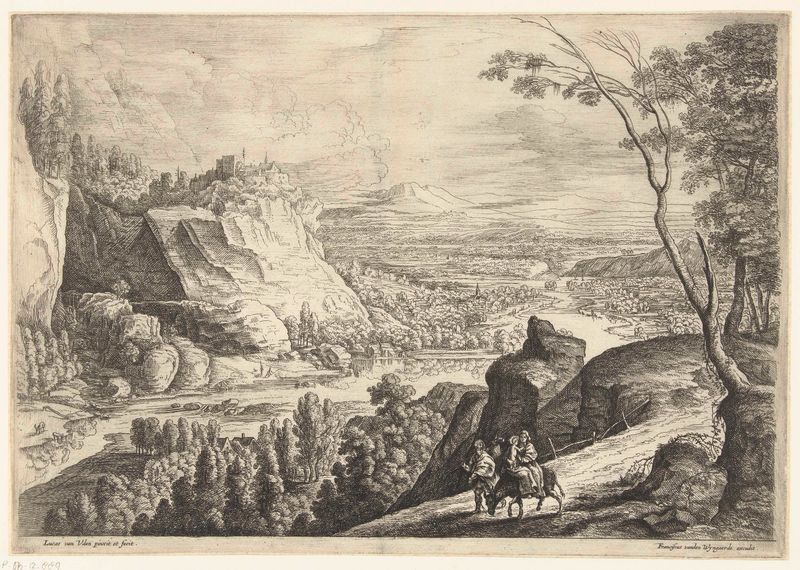
Landschap met de vlucht naar Egypte
Lucas van Uden
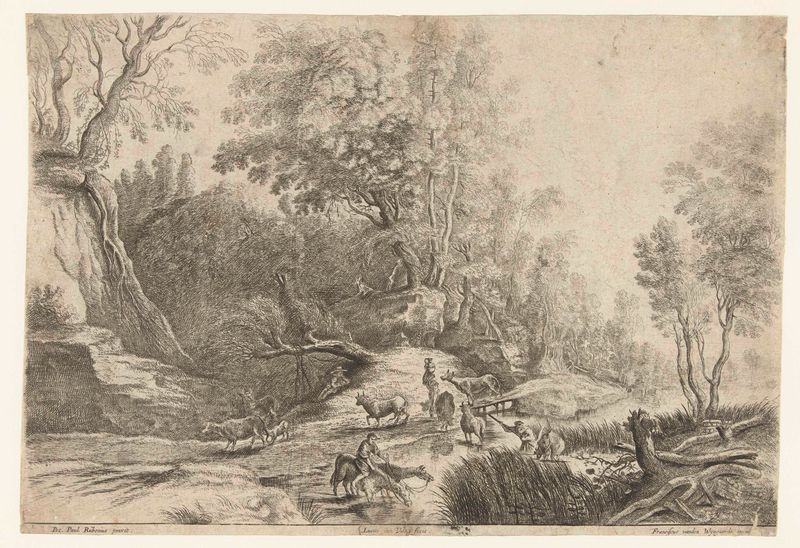
Paarden en koeien bij een drinkplaats
Lucas van Uden
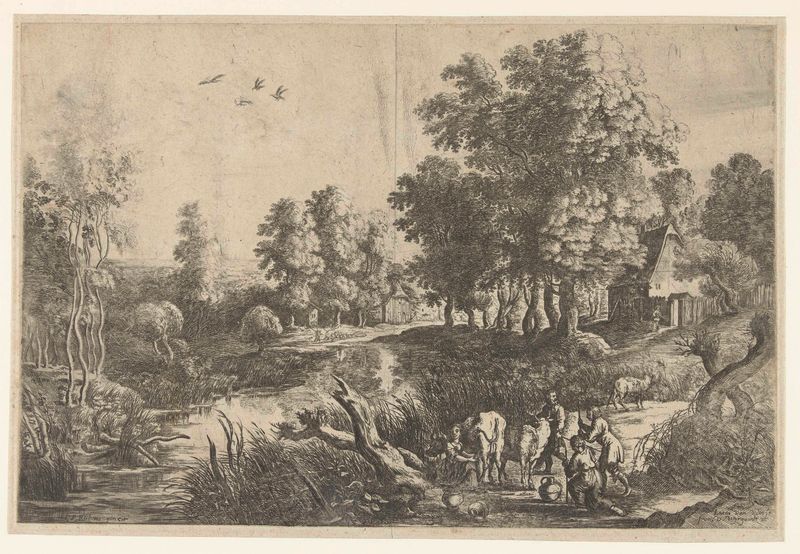
Boeren met vee bij een beek
Lucas van Uden
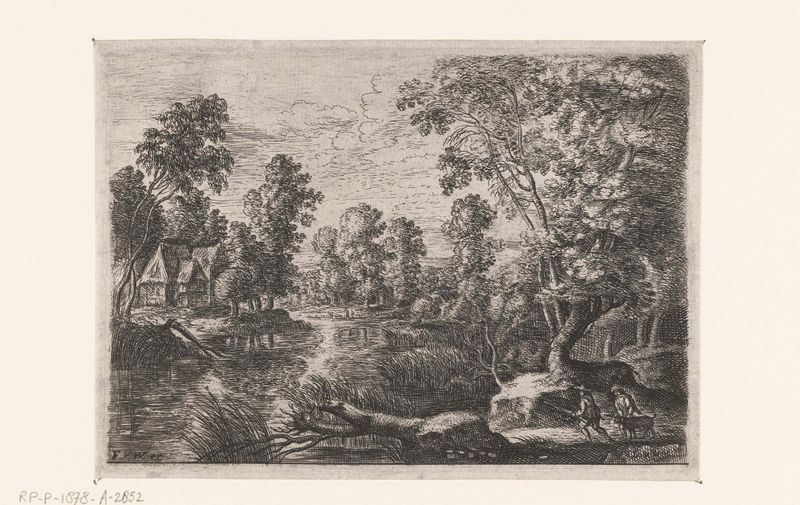
Landschap met een beek en een jager
Lucas van Uden
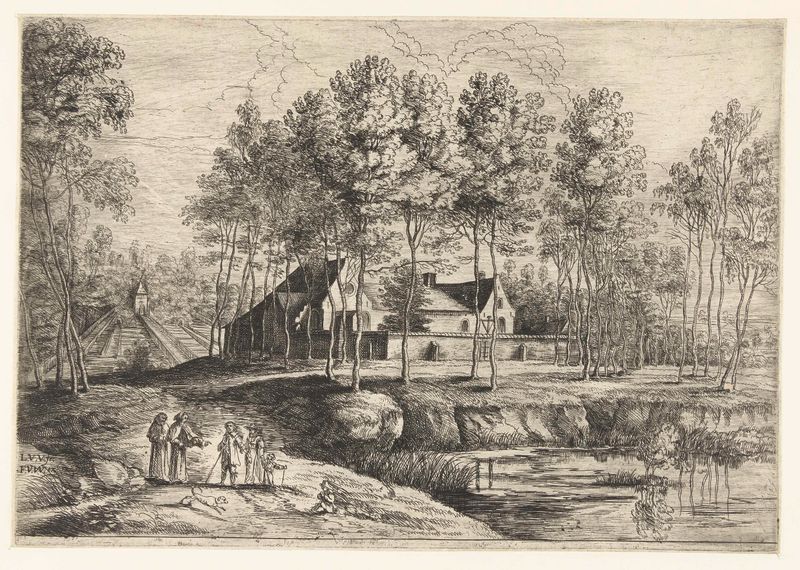
Gezicht op het kapucijnenklooster te Tervuren
Lucas van Uden





