
Gezicht op het voorgebergte Pausilype met oude paleis van koningin Jeanne en platteland van Sannazar vanaf het balkon van de herberg — History & Facts
In the delicate strokes of a brush, permanence collides with fleeting moments, whispering the faith we place in art to capture our essence. Look to the left of the canvas where the vibrant landscape unfolds, revealing the ancient royal palace of Queen Jeanne nestled against the backdrop of the lapping waves and verdant hills. The palette—rich ochres and verdant greens—invites the viewer to breathe in the air of a bygone era, while the interplay of light and shadow wraps the scene in a soft embrace. Notice how the horizon blurs into a dreamlike haze, suggesting the timelessness that art can evoke. The emotional tension lies in the paradox of memory and decay.
The palace, a symbol of human ambition, stands resilient yet quietly eroding under the weight of history. In contrast, the bucolic countryside teems with life, representing the enduring spirit of nature, juxtaposing grandeur against simplicity. This harmony hints at a deeper faith in continuity, suggesting that while structures may falter, the beauty of existence persists. In 1778, as Ducros painted this work, he was establishing his reputation in Rome, where he explored the themes of landscape and architecture.
The late 18th century was a time of burgeoning Romantic thought, where artists sought to evoke emotion and sublime experiences through their works. Against this backdrop, Ducros utilized his burgeoning skills to capture not just a scene, but a resonance of spirit, reflecting the collective memory of a world in constant flux.
More Artworks by Abraham-Louis-Rodolphe Ducros
Browse all →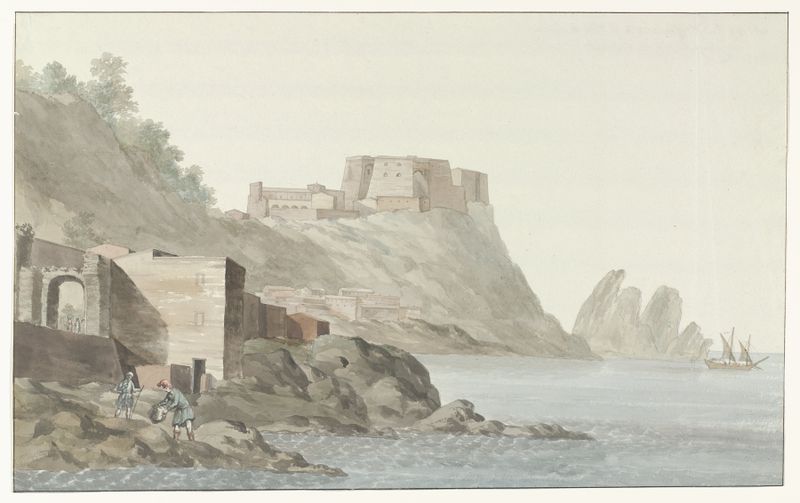
Rots en stad Scilla in de regio Calabrië aan de oostkust
Abraham-Louis-Rodolphe Ducros
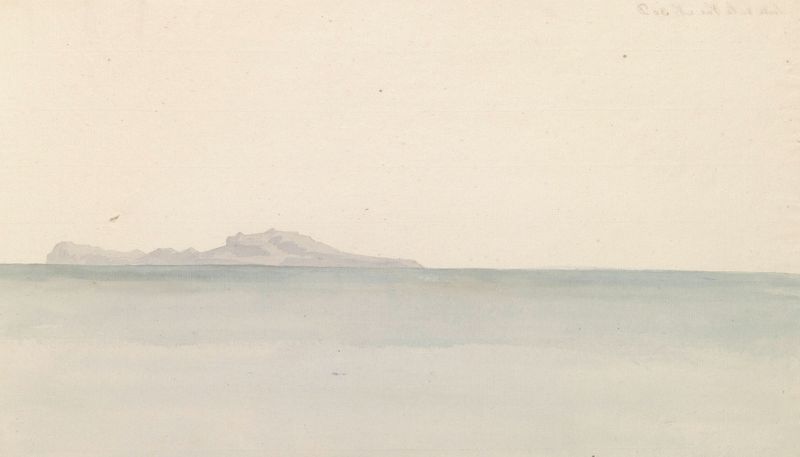
Gezicht op Golf van Napels vanaf kade bij kerk Santa Maria del Carmine
Abraham-Louis-Rodolphe Ducros
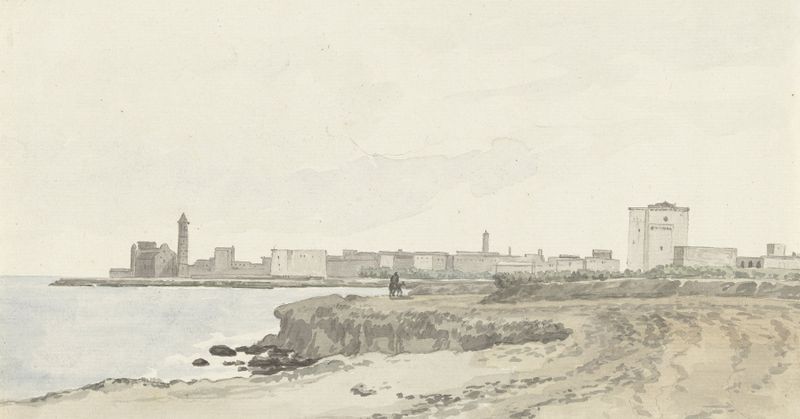
Gezicht op Trani gelegen aan de kust
Abraham-Louis-Rodolphe Ducros
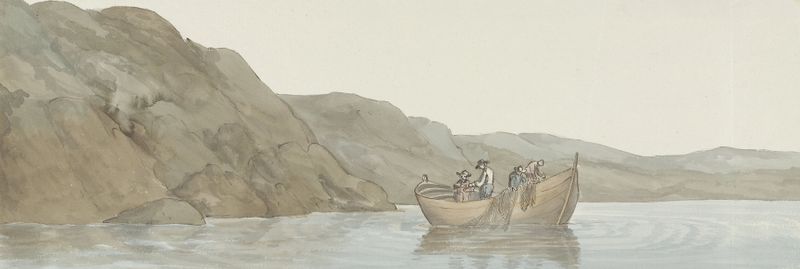
Gezicht op Kaap Paceco in Calabrië nabij de stad Scilla
Abraham-Louis-Rodolphe Ducros
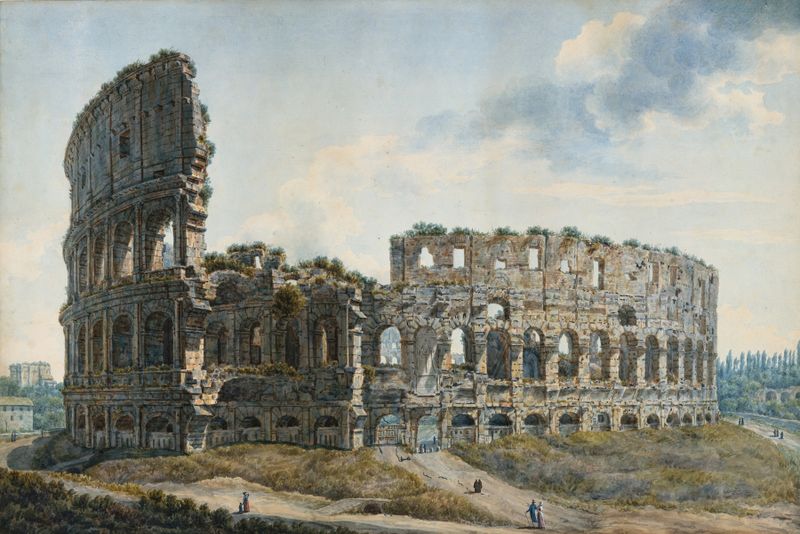
The Colosseum, Rome.
Abraham-Louis-Rodolphe Ducros
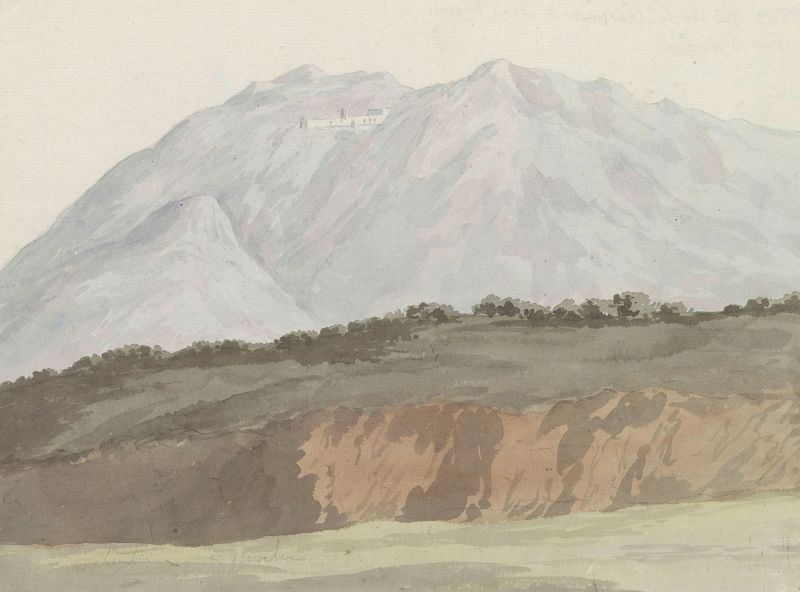
Gezicht op kartuizerklooster van Monte Vergine hoog gelegen boven Avellino
Abraham-Louis-Rodolphe Ducros
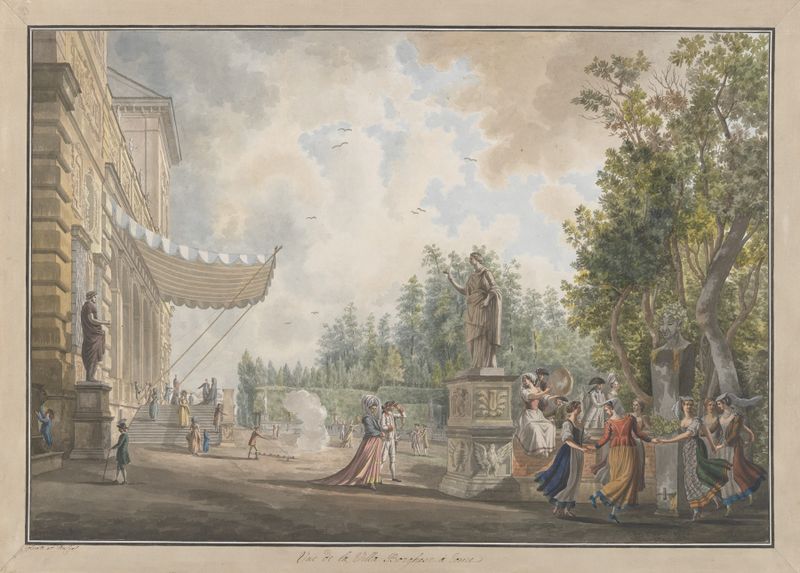
Villa Borghese
Abraham-Louis-Rodolphe Ducros
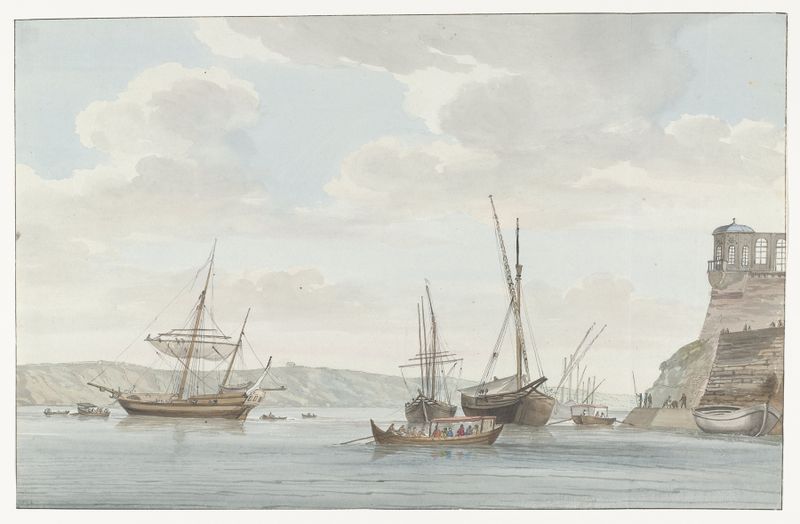
Tuinhuis van de Jardin du Grand Maître uittorend boven de haven met galei schepen op Malta
Abraham-Louis-Rodolphe Ducros
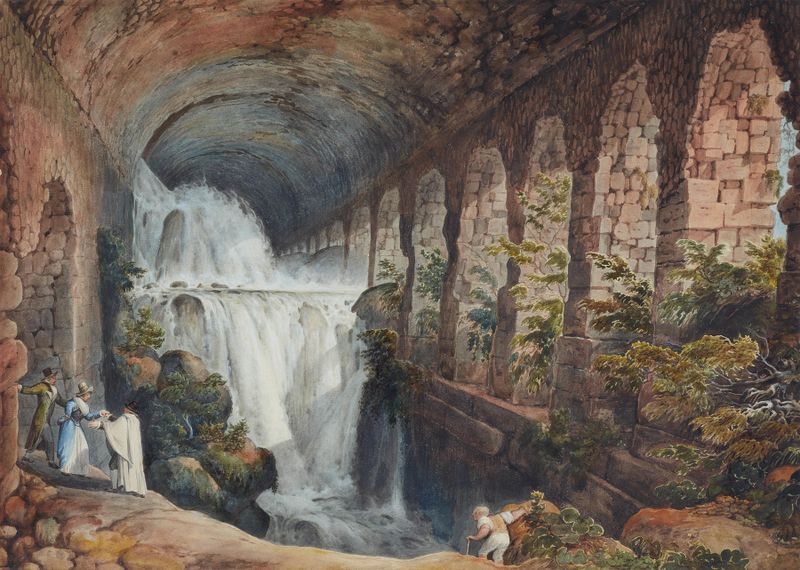
Aquädukt unter der Villa des Maecenas in Tivoli
Abraham-Louis-Rodolphe Ducros
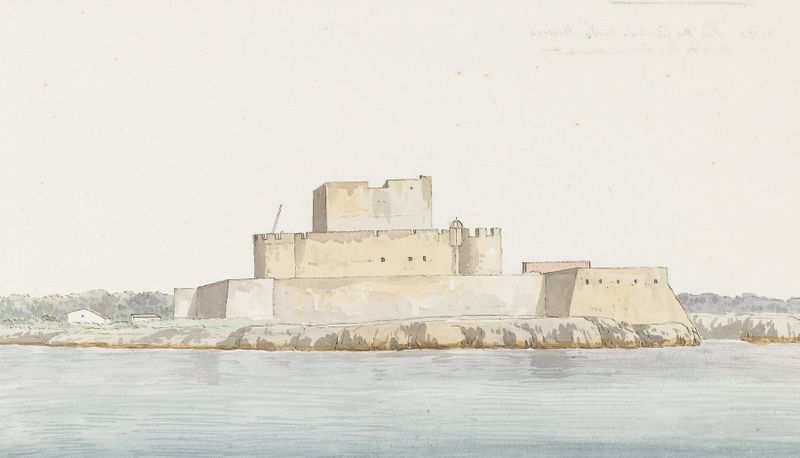
Gezicht op kasteel van San Mauro la Bruca vanaf zee bij aankomst
Abraham-Louis-Rodolphe Ducros





