
Gezicht op molen de Liefhebber — History & Facts
What secret hides in the quiet of the canvas? In Gezicht op molen de Liefhebber, the stillness of the scene invites contemplation and reflection, urging the viewer to pause and listen to the whispers of nature. Focus on the right side of the painting, where a slender windmill rises against a backdrop of azure skies. The windmill's weathered wooden structure contrasts beautifully with the soft hues of the clouds and the vibrant green of the grass below. Notice how the light dances across the surface of the water, creating a shimmering reflection that mimics the windmill's silhouette, merging the realities of sky and earth in a delicate harmony.
The artist's brushstrokes reveal both the tranquility of rural life and the dynamic movement of nature surrounding the scene. Beneath the surface lies a deeper exploration of solitude and connection. The windmill stands as a solitary sentinel, embodying the quiet perseverance of rural existence, while the calm waters act as a mirror, reflecting not just the windmill but also the viewer's introspection. The interplay between light and shadow suggests a moment suspended in time, invoking feelings of nostalgia and a longing for simplicity amidst the chaos of modernity. Hendrik Hulk created this evocative landscape in the year 1900, a time marked by the transition from traditional agricultural practices to industrialization in the Netherlands.
Living in a world rapidly changing, the artist sought to capture the essence of his homeland's beauty before it was irrevocably altered. His work is a testament to the enduring charm of rural life, serving as both a celebration and a poignant reminder of a fleeting era.
More Artworks by Hendrik Hulk
Browse all →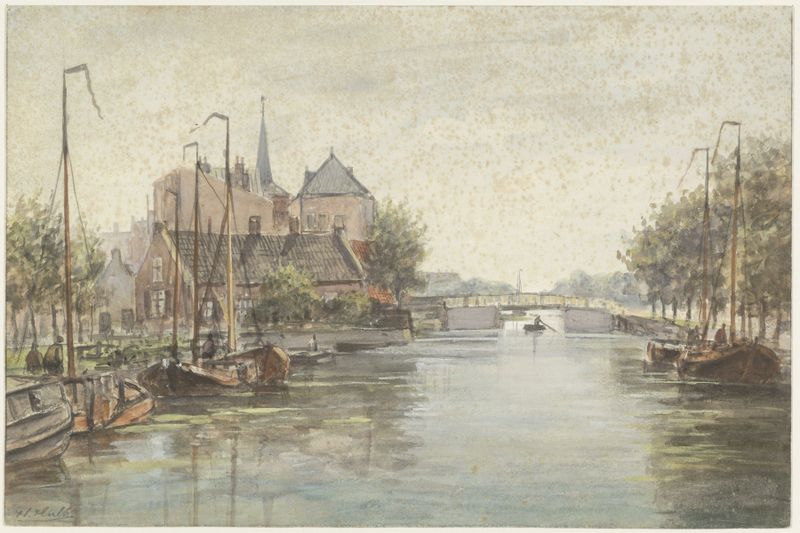
Leidschevaart bij de Raaks ziende naar het zuiden met de Prins Hendrikbrug
Hendrik Hulk
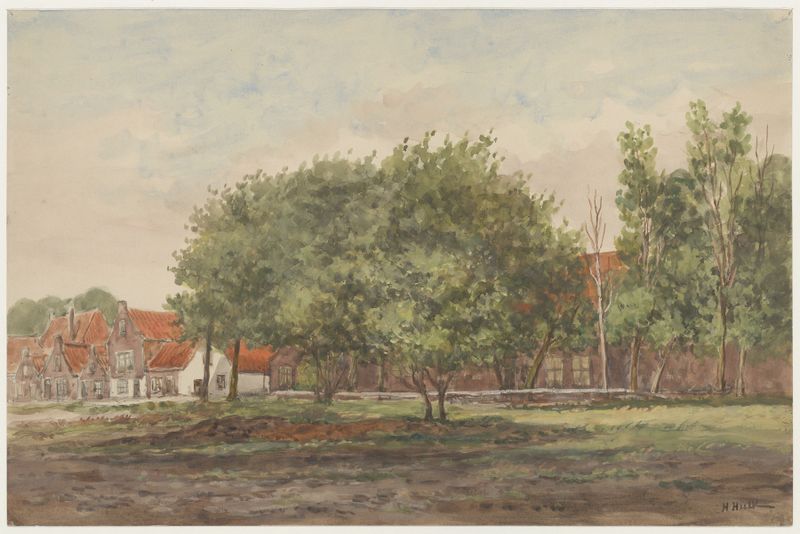
Jacobstraat en Gedempte Voldersgracht, met terrein der gesloopte gasfabriek
Hendrik Hulk
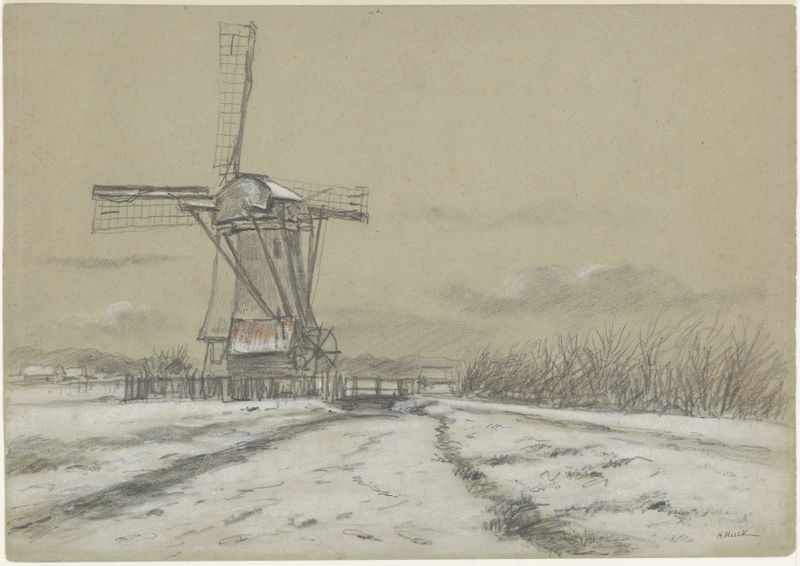
Molen in de Veenpolder bij de Leidsevaart
Hendrik Hulk
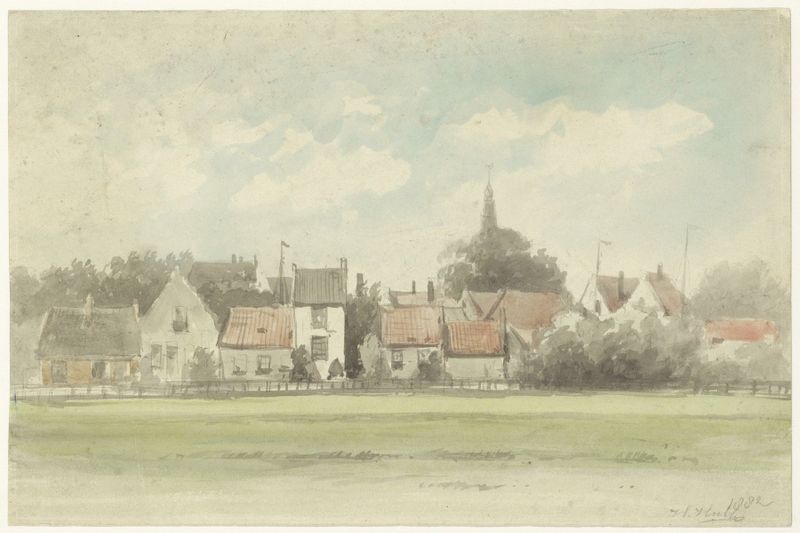
Rozenprieel, van de Zuidzijde
Hendrik Hulk
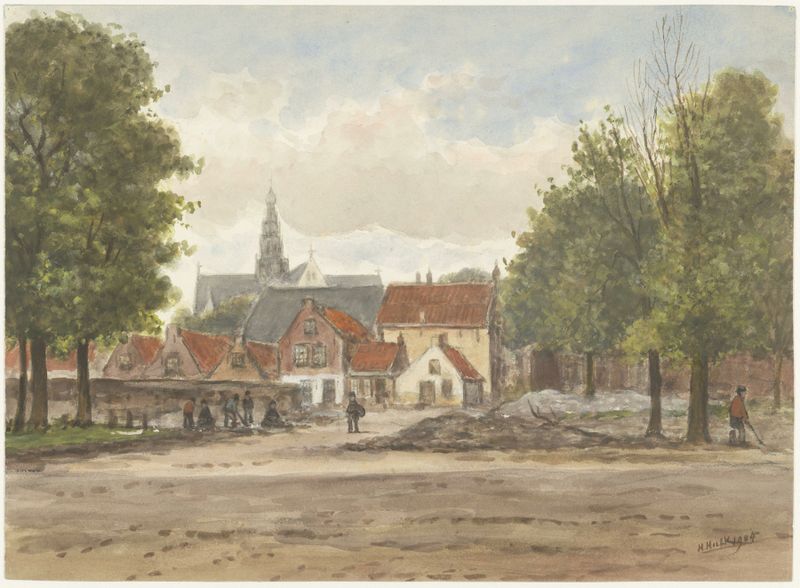
Jacobstraat bij de Zuiderstraat, met terrein der gesloopte gasfabriek
Hendrik Hulk
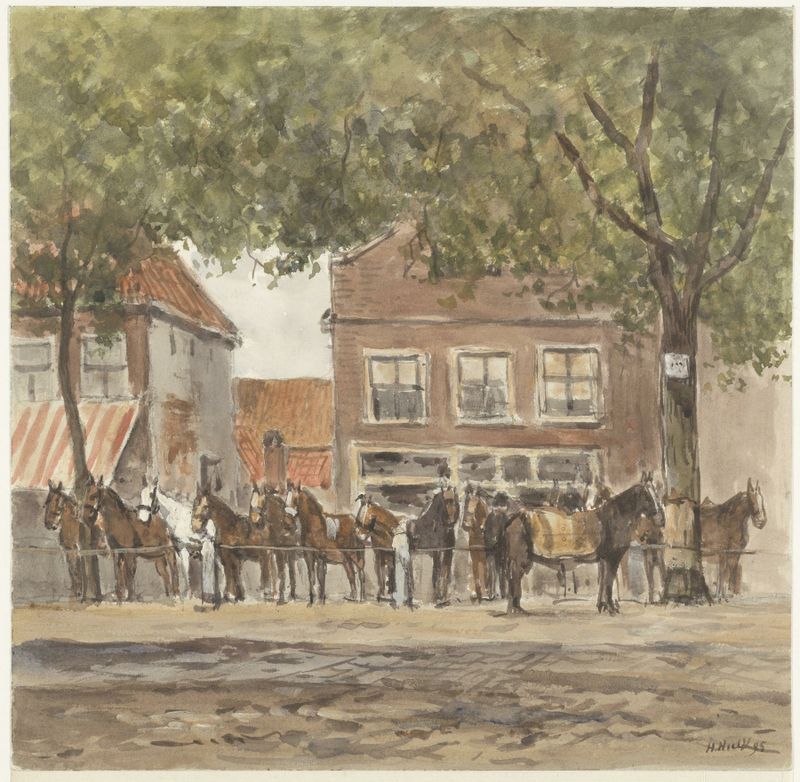
Paardenmarkt op het Plein
Hendrik Hulk





