
Gezicht op Paternò — History & Facts
In Gezicht op Paternò, an awakening unfolds through the vibrant interplay of color and light, waiting for our gaze to explore its depths. Look to the left at the rich, verdant hills that cradle the quaint town of Paternò, their lush greens contrasting sharply with the earthy tones of the foreground. Notice how the sunlight bathes the scene, highlighting the soft contours of the buildings, casting delicate shadows that dance across the surface. The sky, a delicate wash of azure and white, draws the eye upward, inviting us to experience the serene beauty of this Sicilian landscape. As your eyes wander, consider the harmony between nature and human presence.
The small figures by the river evoke a sense of scale, emphasizing the town’s modest size against the vastness of the mountains. This juxtaposition speaks to the relationship between civilization and the untamed world, suggesting both fragility and resilience. The artist captures a moment of tranquility, yet we sense an undercurrent of life—an awakening that stirs within the stillness. In 1778, Ducros painted Gezicht op Paternò during a time of personal and artistic exploration, as he was immersed in the landscapes of Italy.
This period marked a shift in the representation of nature in art, moving towards a more emotive and experiential portrayal, as artists began to embrace the romanticism of the natural world. Ducros’s work reflects this transition, embodying not only his own journey but also the broader movements shaping the artistic landscape of his time.
More Artworks by Abraham-Louis-Rodolphe Ducros
Browse all →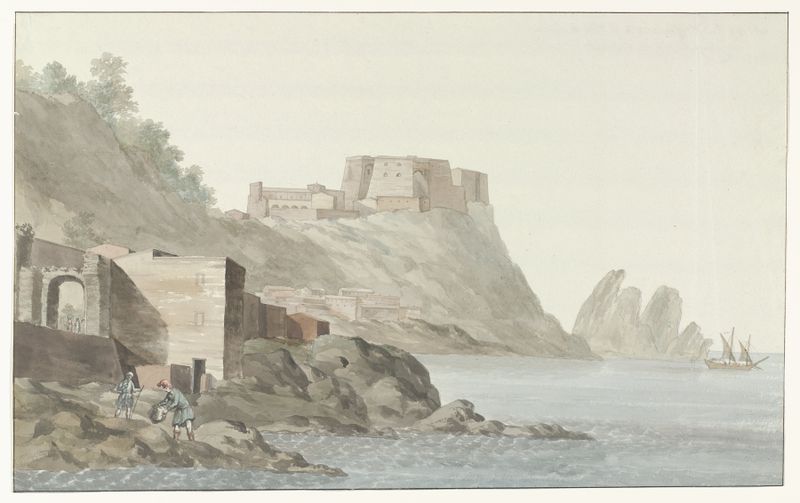
Rots en stad Scilla in de regio Calabrië aan de oostkust
Abraham-Louis-Rodolphe Ducros
Gezicht op Golf van Napels vanaf kade bij kerk Santa Maria del Carmine
Abraham-Louis-Rodolphe Ducros
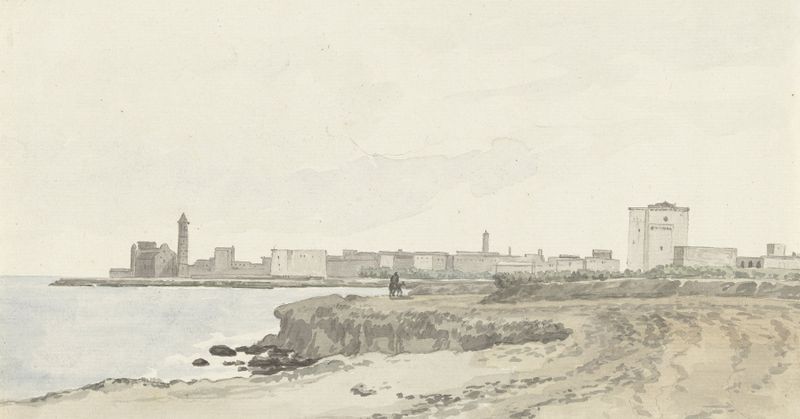
Gezicht op Trani gelegen aan de kust
Abraham-Louis-Rodolphe Ducros
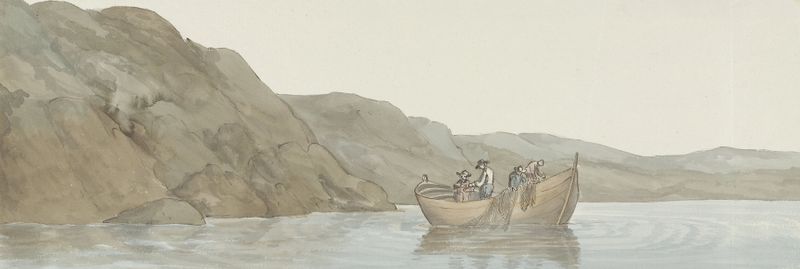
Gezicht op Kaap Paceco in Calabrië nabij de stad Scilla
Abraham-Louis-Rodolphe Ducros
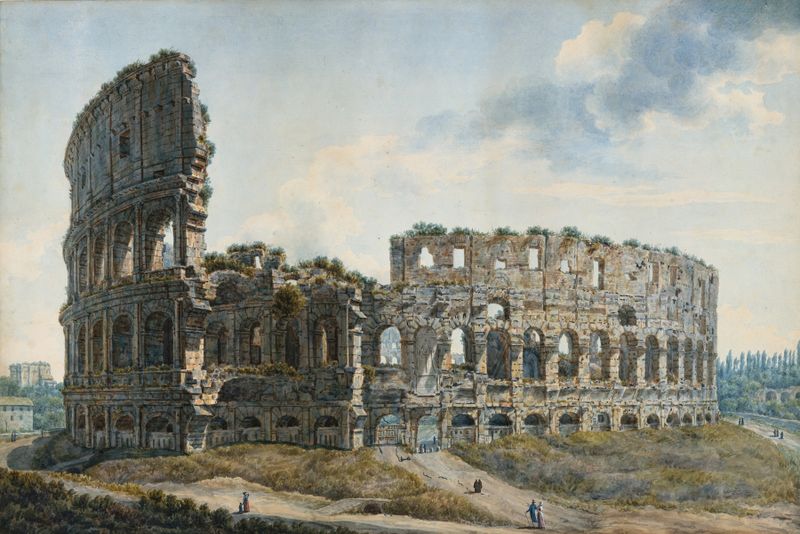
The Colosseum, Rome.
Abraham-Louis-Rodolphe Ducros
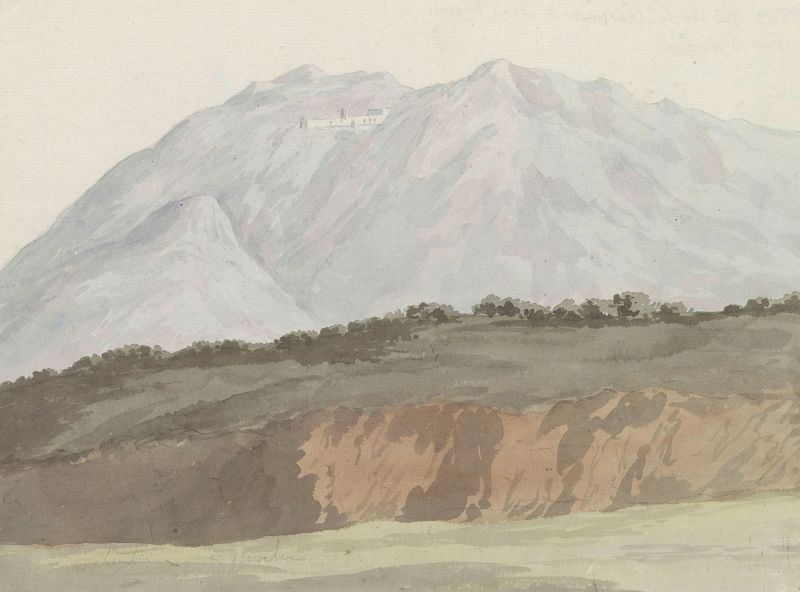
Gezicht op kartuizerklooster van Monte Vergine hoog gelegen boven Avellino
Abraham-Louis-Rodolphe Ducros
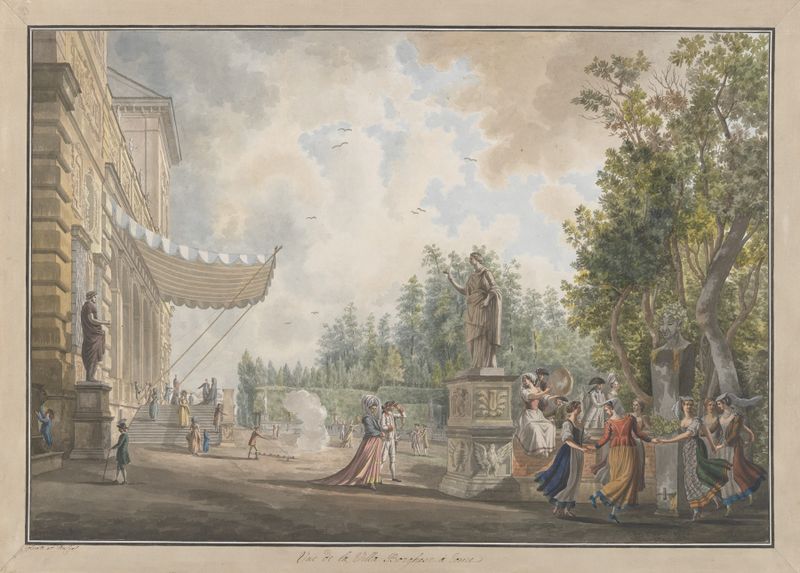
Villa Borghese
Abraham-Louis-Rodolphe Ducros
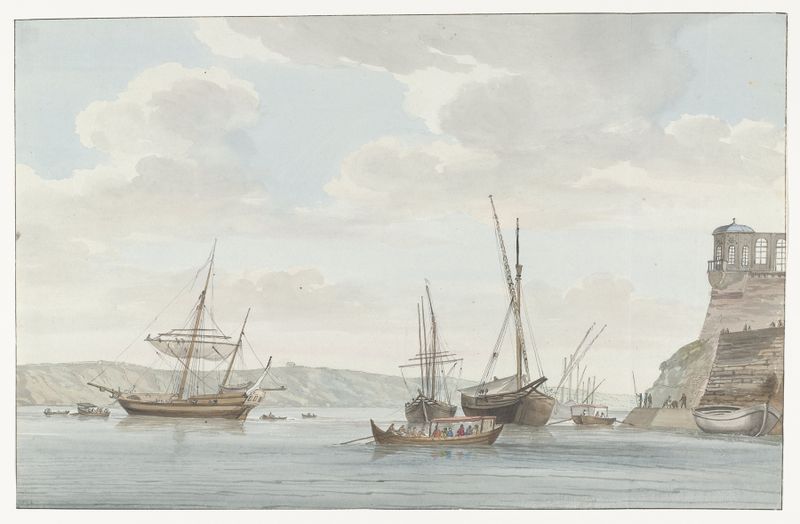
Tuinhuis van de Jardin du Grand Maître uittorend boven de haven met galei schepen op Malta
Abraham-Louis-Rodolphe Ducros
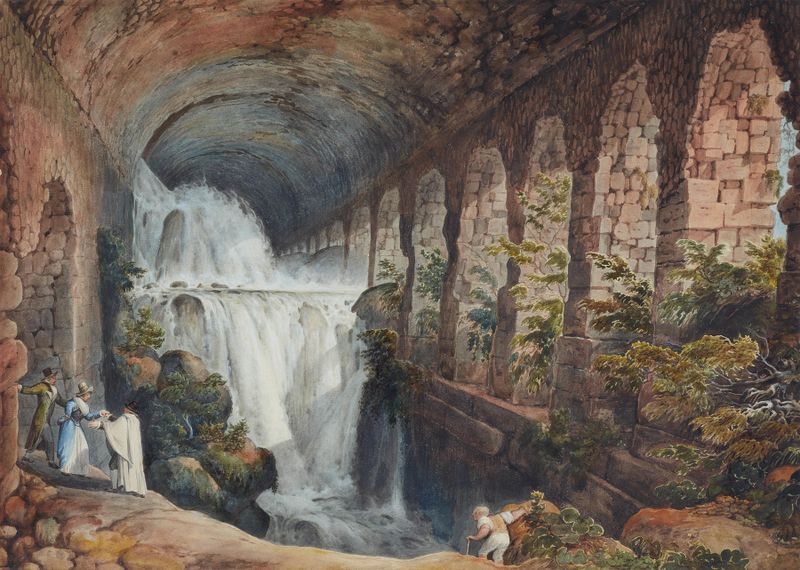
Aquädukt unter der Villa des Maecenas in Tivoli
Abraham-Louis-Rodolphe Ducros
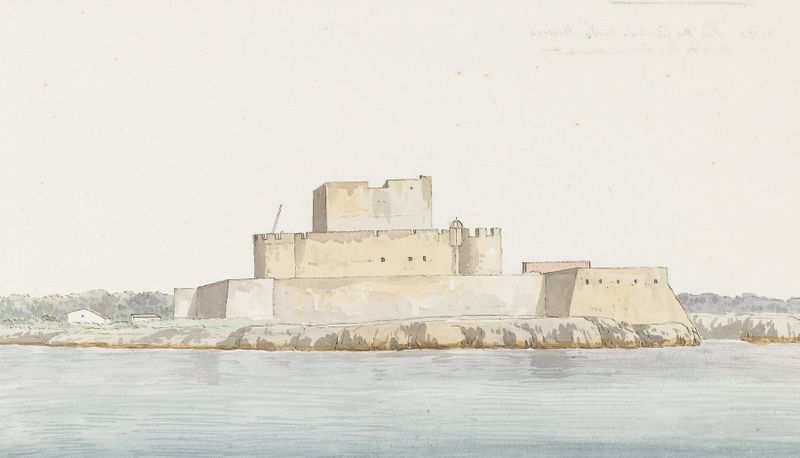
Gezicht op kasteel van San Mauro la Bruca vanaf zee bij aankomst
Abraham-Louis-Rodolphe Ducros





