
Gezicht op Sankt Goar, Sankt Goarshausen en de Rijn — History & Facts
When did color learn to lie? In the delicate interplay of hues, a tension simmers beneath the surface, whispering the unspoken fears of what remains unseen. The vibrant greens of the hills and the inviting blues of the Rhine cloak a deeper truth, one that stirs unease in the heart of the viewer. Look closely at the river, where the shimmering light dances upon its surface, beckoning yet ominously reflecting the darkened skies above. To the left, the crumbling walls of ancient buildings emerge, textured and rich, while the ghostly silhouettes of the distant hills loom, casting elongated shadows over the landscape.
Each brushstroke reveals not only the beauty of the scene but also hints at the fragility of existence, where light and dark converge in a precarious balance. The juxtaposition of vibrant color against the somber elements elicits a sense of impending change. The idyllic representation belies the tumultuous history of the region, where nature and humankind have clashed. One can feel the pulse of the past in the subtle decay of structures and the relentless flow of the river, suggesting that despite the picturesque facade, underlying fears of uncertainty and loss pervade the air. Created in 1889, this work emerges from a period when artists were grappling with modernity and its implications.
The late 19th century saw a shift toward impressionism, and while the creator remains unknown, their adept use of color hints at a deep engagement with contemporary movements. This was a time of reflection for many artists, as they began to explore the emotional resonance of landscapes, revealing layers of feeling beneath the tranquil beauty – a mirror of their own anxieties and the world around them.
More Artworks by Unknown Artist
Browse all →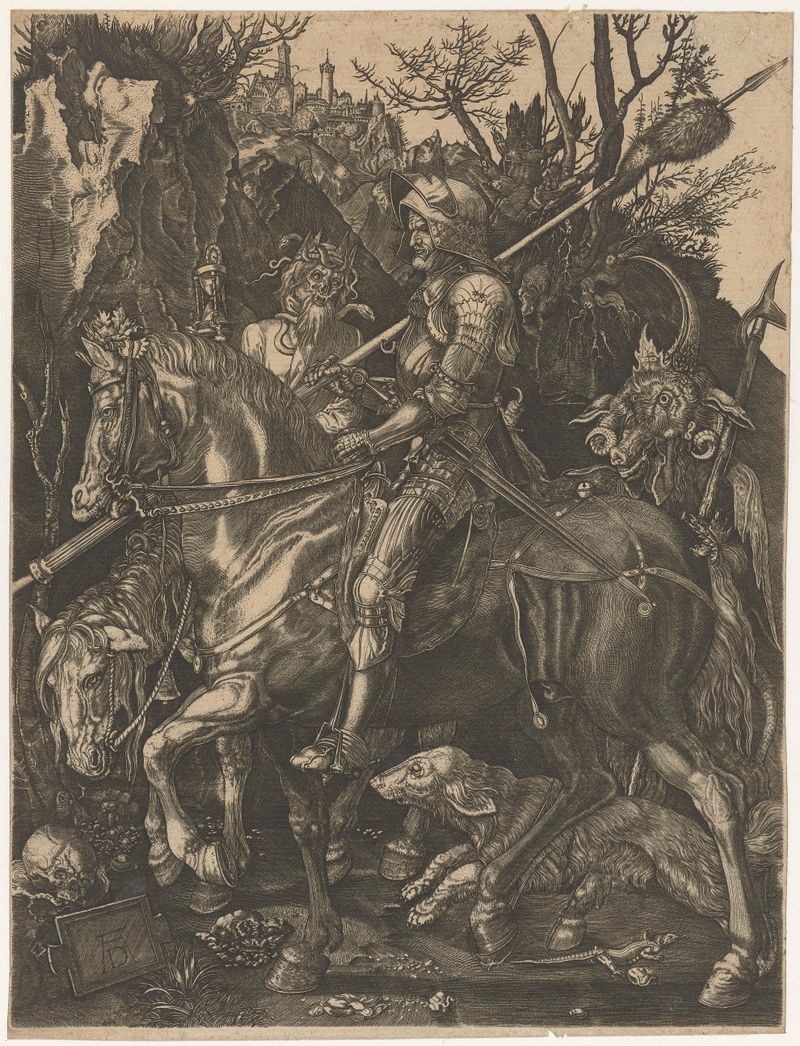
Ridder, Dood en Duivel
Unknown Artist
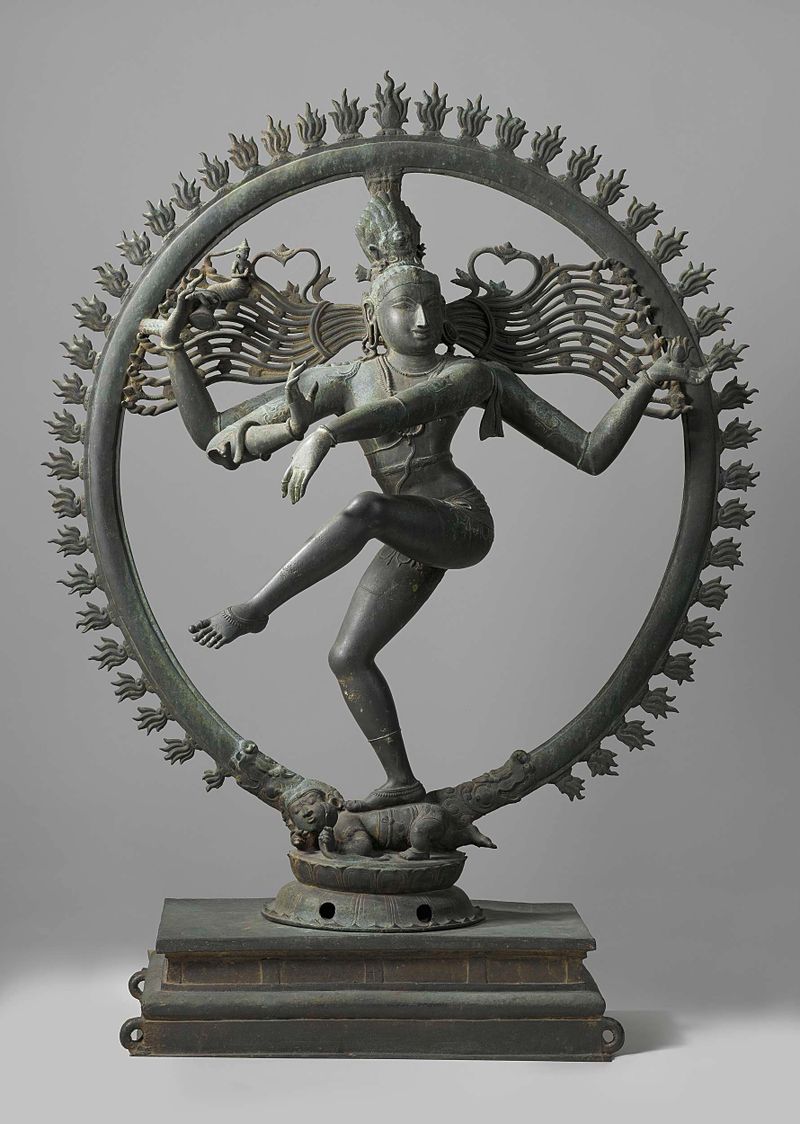
Shiva Nataraja
Unknown Artist
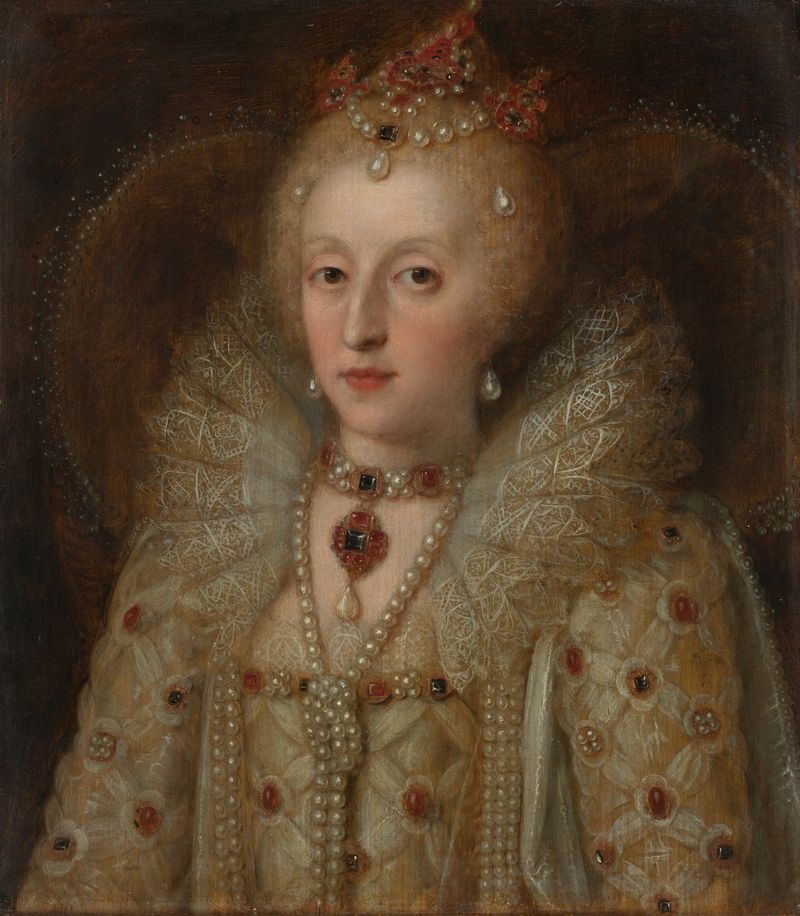
Portrait of Elizabeth I, Queen of England
Unknown Artist
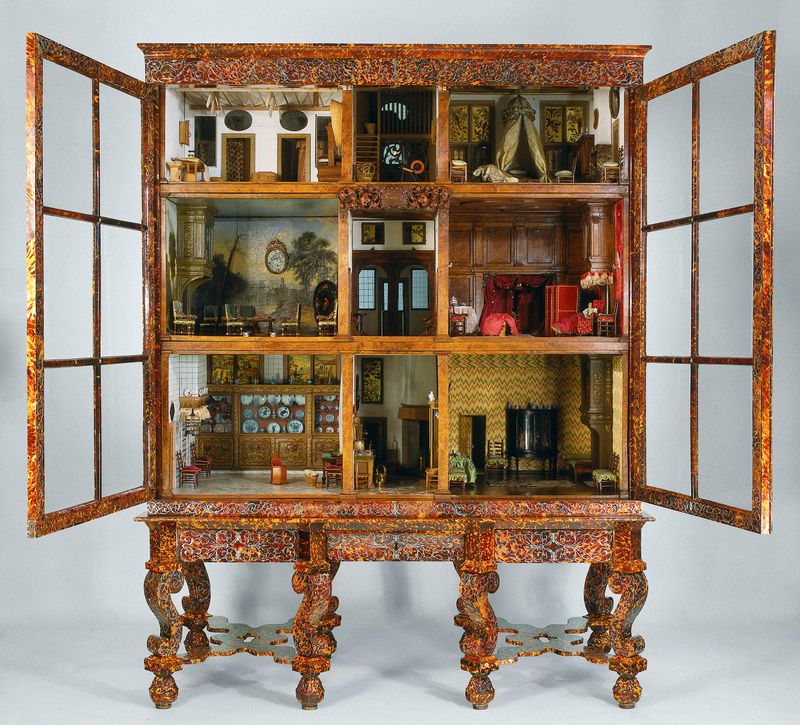
Dolls’ house of Petronella Oortman
Unknown Artist
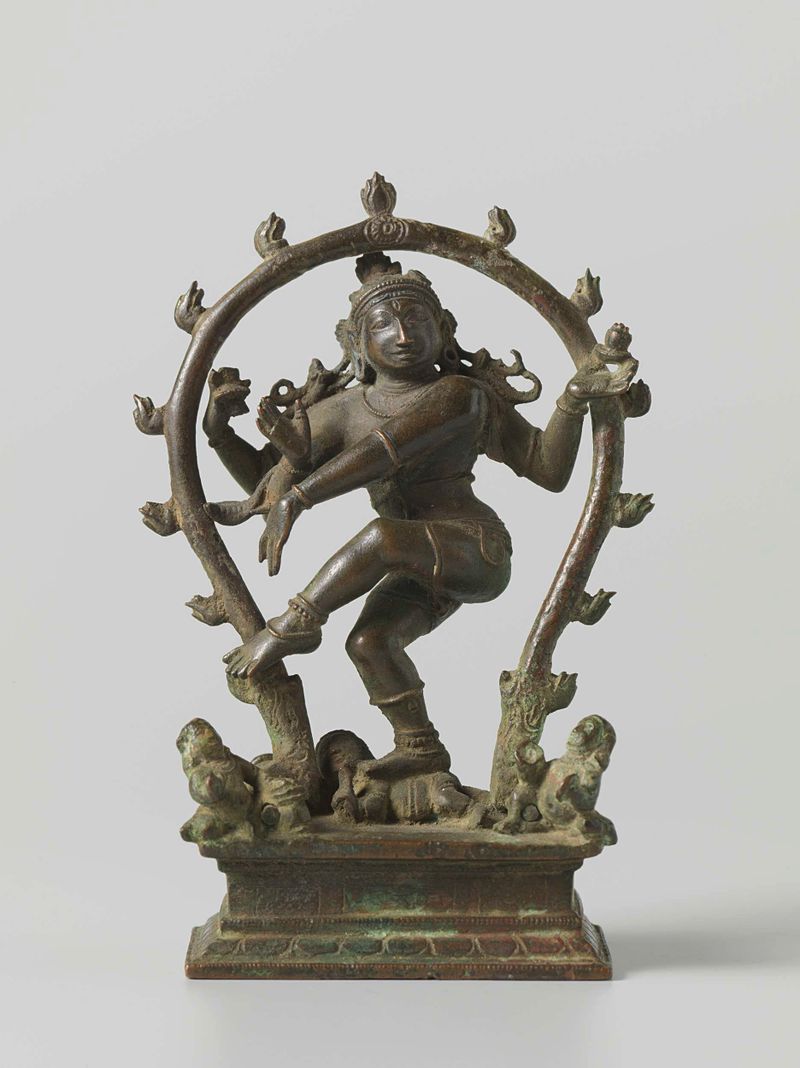
Shiva Nataraja
Unknown Artist

The Tale of Genji
Unknown Artist

The Tale of Genji
Unknown Artist

Cong
Unknown Artist
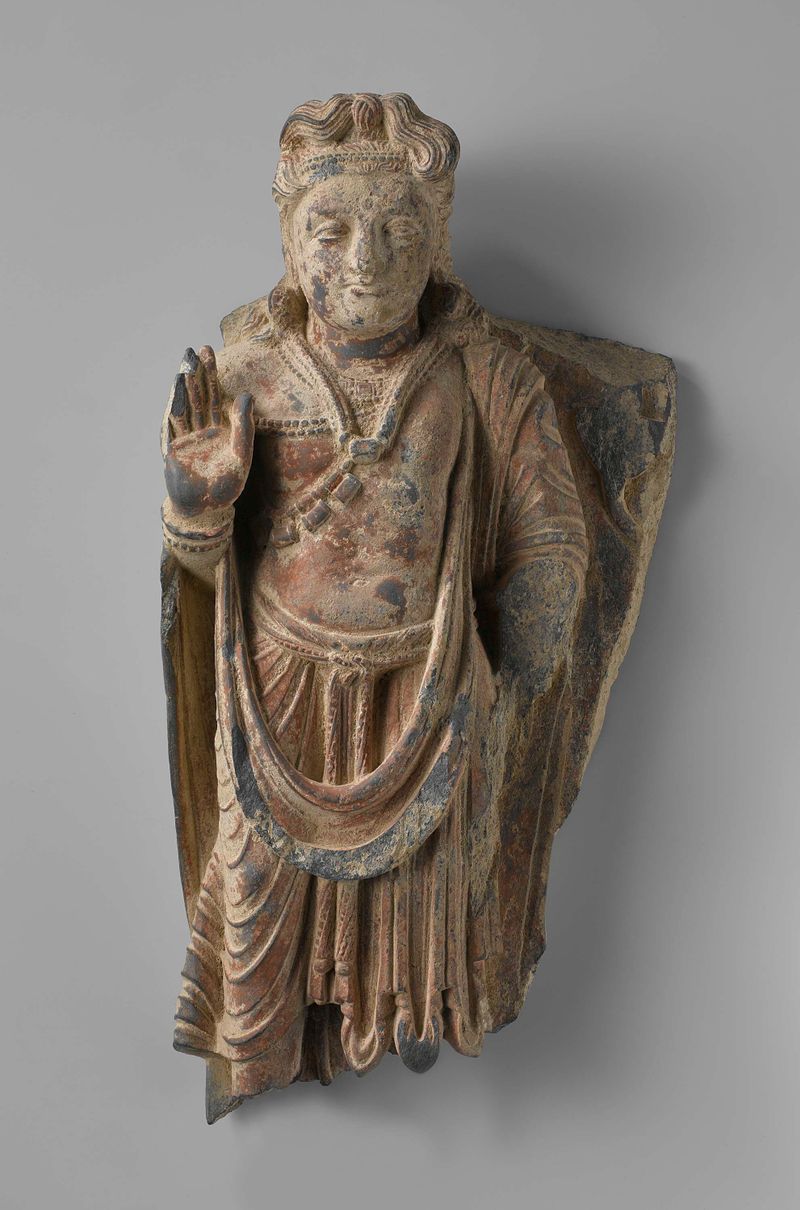
The bodhisattva Maitreya
Unknown Artist

Teabowl with a 'hare's fur' glaze
Unknown Artist





