
Girl from Hallingdal — History & Facts
What first catches the eye in Girl from Hallingdal is the quiet confidence in the sitter’s gaze, framed by the deep, earthy tones of her traditional dress. The artist, Adolph Tidemand, chooses a close, intimate view: the young woman’s red headscarf and green jacket set her apart from the muted background, drawing us into her world. The careful rendering of fabric and ornament is more than decorative—it signals identity, pride, and a rootedness in place.
The play of light across her cheek and brow brings warmth and life, suggesting a moment of stillness as she meets the painter’s attention with her own. Painted in 1843, this work belongs to a period when Norwegian artists like Tidemand turned to rural life for inspiration, seeking to capture the character and customs of their homeland. Portraits such as this, often made during travels through the countryside, were both artistic studies and documents of a changing society, as Norway’s national identity was being shaped and celebrated. The painting’s presence today in a digital collection speaks to the enduring fascination with these glimpses of the past—reminders that every costume, every glance, once belonged to a living story.
Let your eyes linger on the details: each brushstroke is a thread in the tapestry of a vanished world.
More Artworks by Adolph Tidemand

Bridal Procession on the Hardangerfjord
Adolph Tidemand
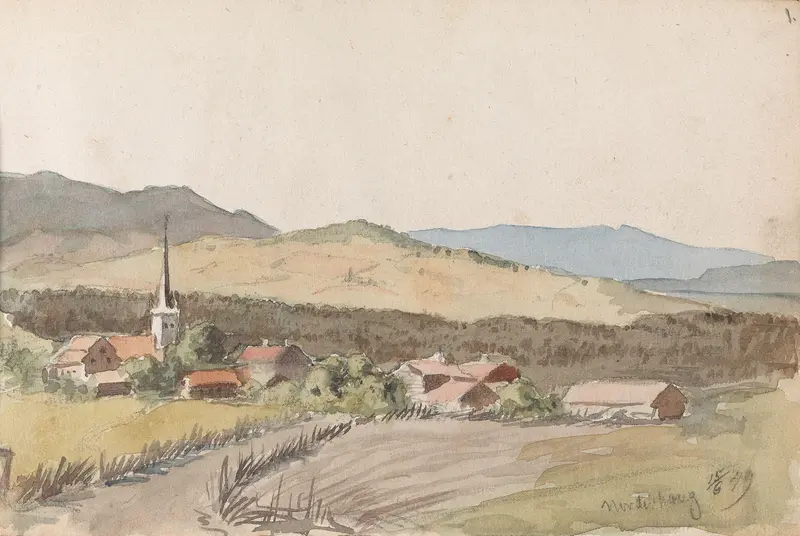
Fra Haugsbygd
Adolph Tidemand
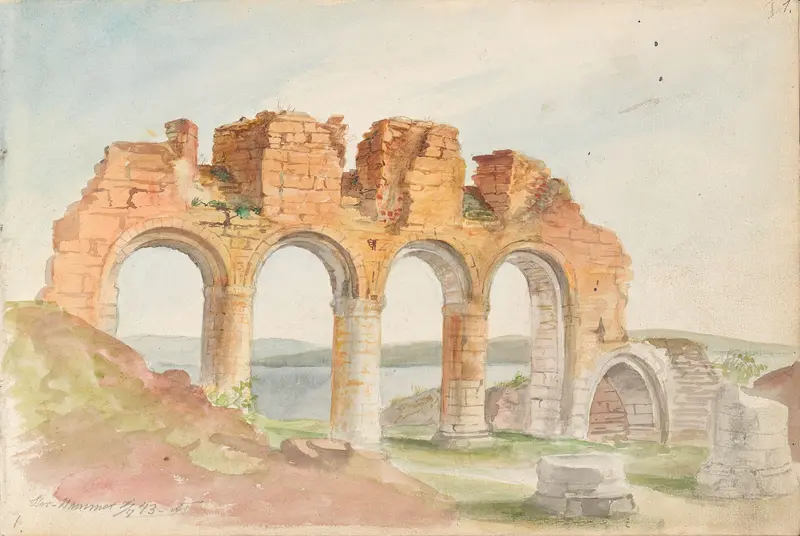
Domkirkeruinen, Hamar
Adolph Tidemand
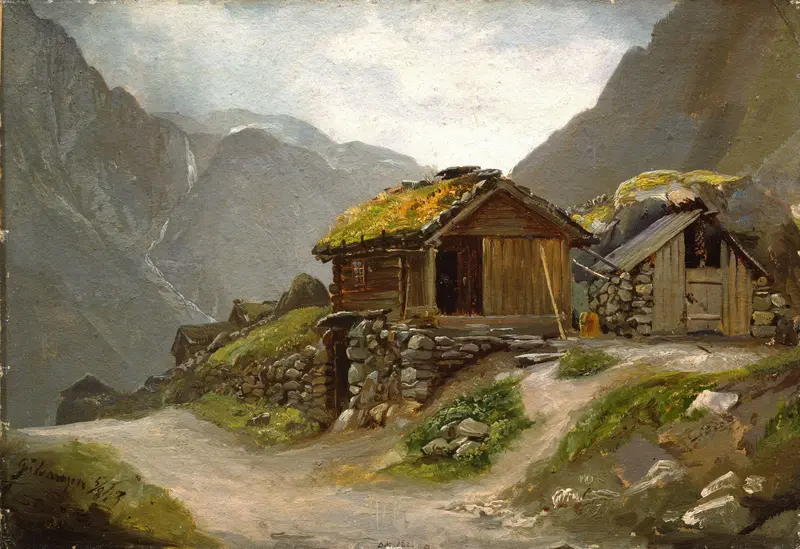
View from Gudvangen
Adolph Tidemand
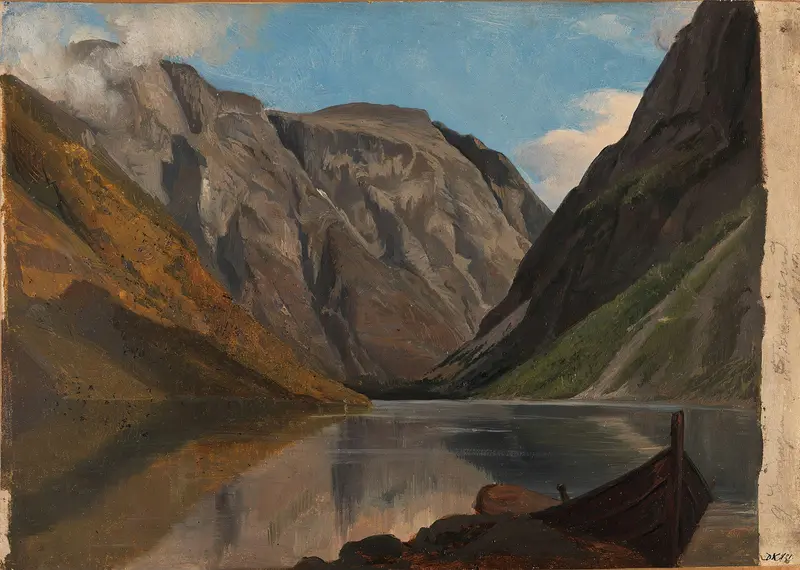
View of Gudvangen
Adolph Tidemand
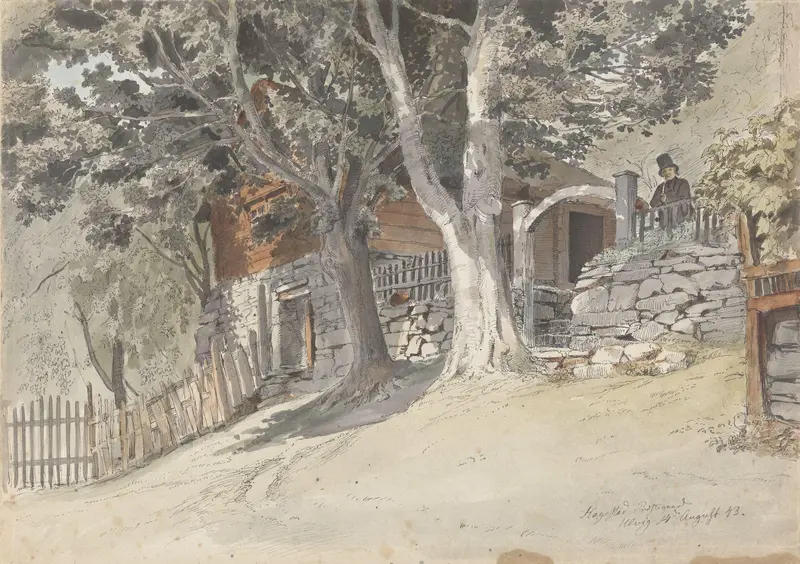
Hagestad prestegård, Ulvik i Hardanger
Adolph Tidemand
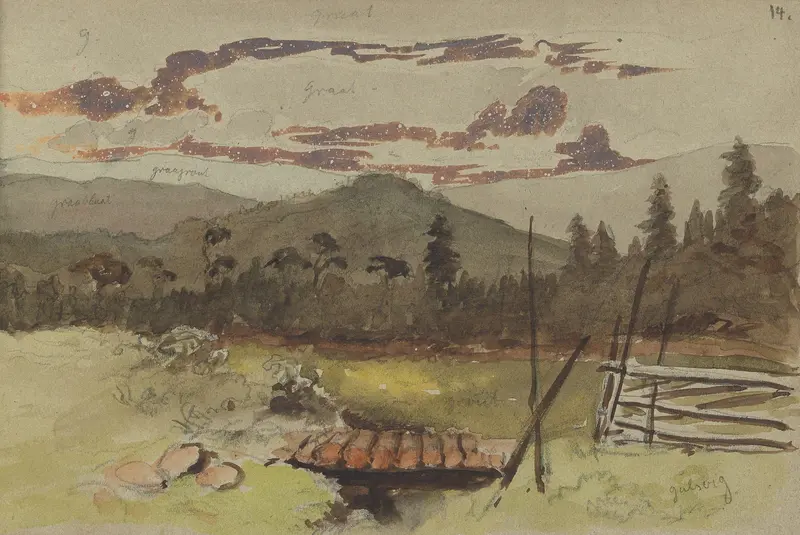
Fra Gulsvik
Adolph Tidemand
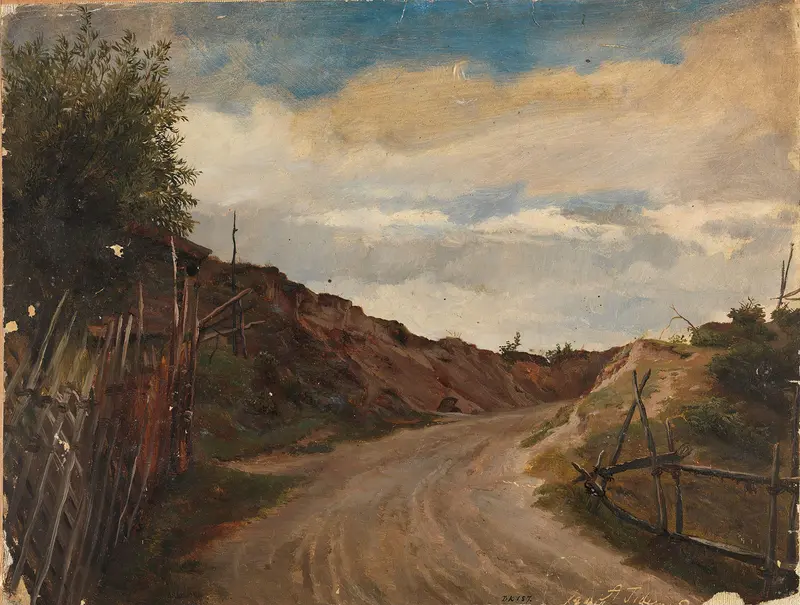
Country Road
Adolph Tidemand
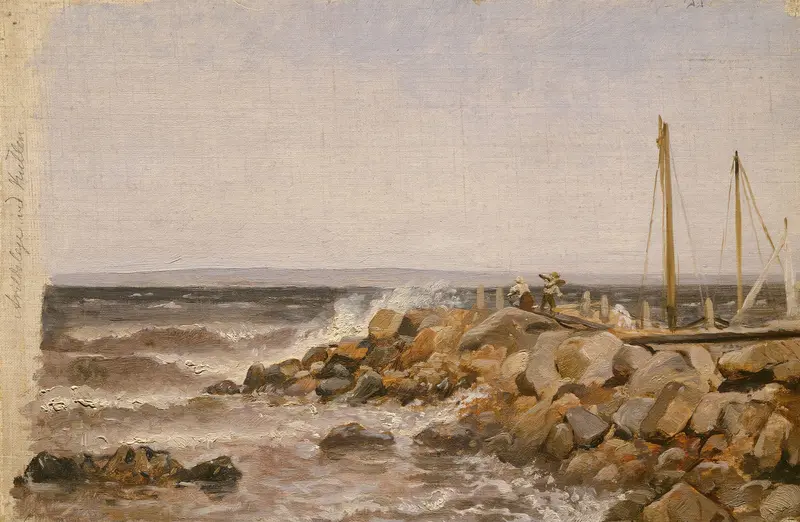
From Kullen in Sweden
Adolph Tidemand
Untitled
Adolph Tidemand





