Glaçons, Effet Blanc — History & Facts
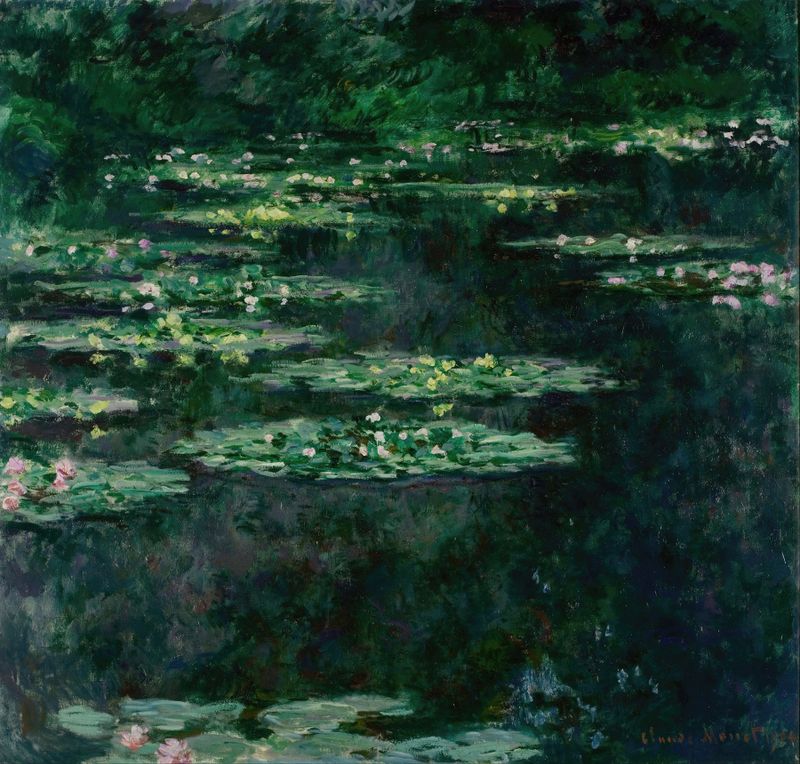
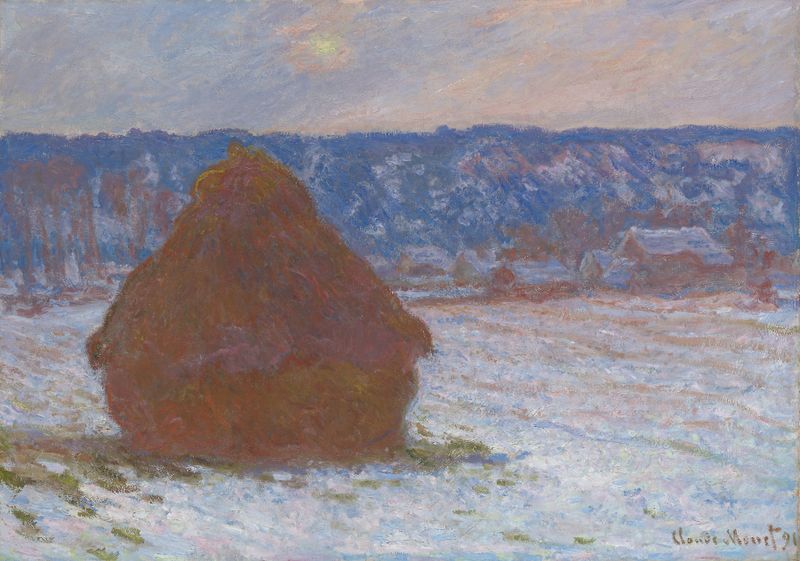
In Glaçons, Effet Blanc, the purity of ice and light converges, creating a moment that feels both divine and ephemeral. The painting captures the transitory nature of winter, where the world is shrouded in a delicate veil of snow and frost, inviting contemplation and reflection. Look to the center, where the crystalline formations emerge, each shape meticulously crafted yet exuding a sense of spontaneity. The gentle interplay of bright whites and silvery blues creates a tapestry of texture that draws the eye in, while soft shadows hint at the unseen depths beneath the surface.
The application of color is masterful; layered strokes mimic the glimmering surfaces of the ice, suggesting movement and life even in the stillness of winter. Beneath the surface, the contrasting elements of warmth and chill reveal a deeper emotional resonance. The shimmering ice reflects not only light but also a sense of fragility, evoking the fleeting nature of beauty and existence. There is a juxtaposition between the icy stillness and the vibrancy of the colors, suggesting that even in the coldest moments, a divine light can breathe life into the silent landscape. In 1893, Monet was deeply engaged with the exploration of light and color, living in Giverny, France.
This period marked a significant evolution in his work, as he sought to capture the essence of a scene rather than its exact likeness. The Impressionist movement was flourishing, and Monet, a leading figure, was experimenting with new techniques that would further blur the line between reality and perception, ultimately redefining the art of his time.