
Glasbachthal — History & Facts
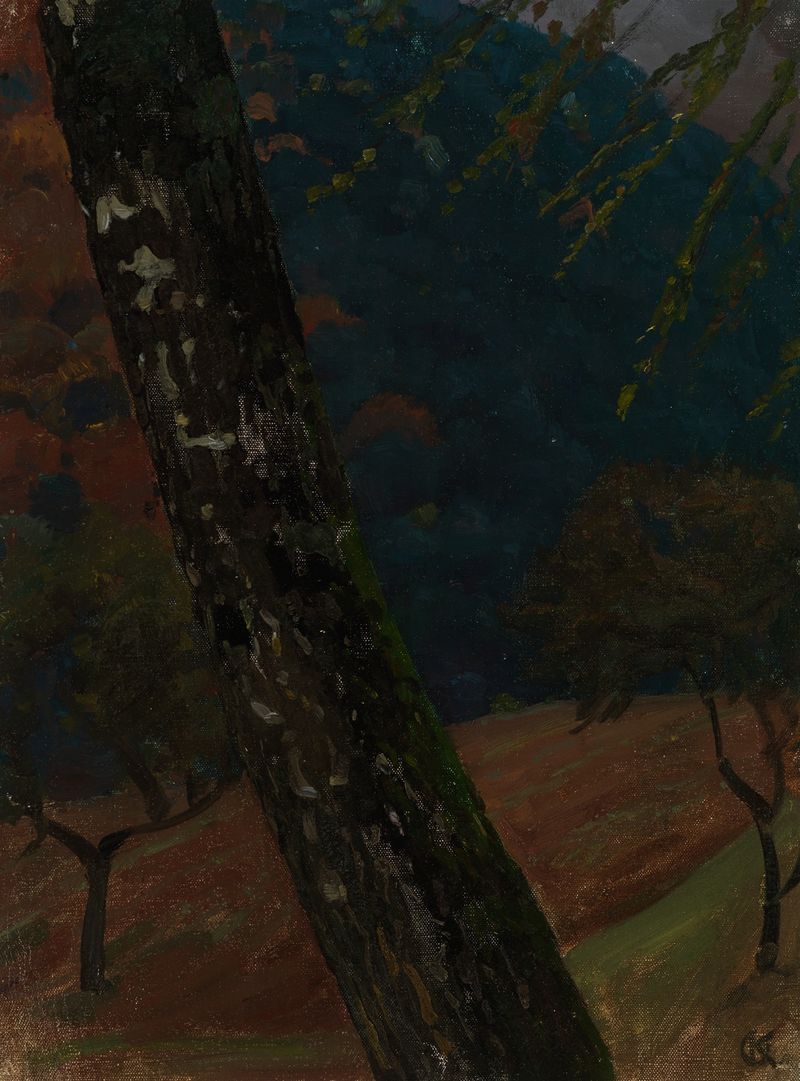
Did the painter know this moment would outlive them? Glasbachthal, captured by Gustav Kampmann in 1898, invites us to linger in a world that breathes nostalgia and the weight of time. This artwork transcends mere representation, beckoning viewers to reflect upon the ephemeral nature of existence and the memories we cherish. Focus on the tranquil valley depicted in the painting, where delicate brushstrokes create undulating hills that cradle a calm stream. Notice how the gentle play of light filters through the leafy branches, casting soft shadows that dance over the landscape.
The palette, rich in greens and warm earth tones, evokes a sense of peacefulness, while the subtle inclusion of distant mountains hints at the grandeur of nature beyond this serene moment. Within this idyllic scene lies an emotional tension; the juxtaposition of stillness and the passage of time resonates deeply. The glimpse of a winding path suggests journeys taken and those yet to come, intertwining with the fleeting nature of memory itself. Every detail, from the distant figure meandering along the path to the floral highlights, emerges as a whisper of nostalgia, encouraging the viewer to reflect on personal journeys and lost moments. In the late 19th century, when Glasbachthal was painted, Kampmann was immersed in a world transitioning from romantic idealism to a more realist approach.
Residing in Germany, he was influenced by the burgeoning movement of plein air painting, which sought to capture the essence of nature in an unfiltered light. This period was marked by a growing appreciation for the beauty of everyday life, a sentiment that resonates within the canvas’ serene embrace.
More Artworks by Gustav Kampmann
Browse all →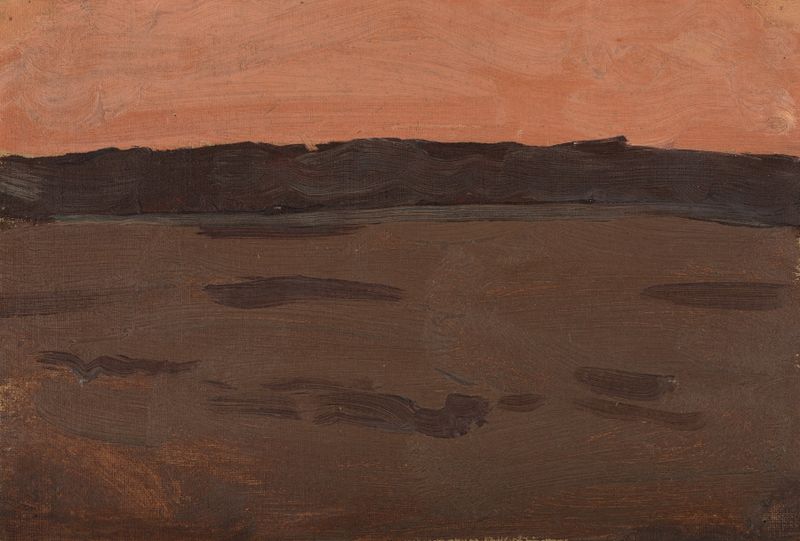
Abendstimmung
Gustav Kampmann

Eisenbahn am Abend
Gustav Kampmann

Nach Sonnenuntergang im Winter
Gustav Kampmann

Blick von der Hornisgrinde
Gustav Kampmann

Hügelige Landschaft mit Baumreihe
Gustav Kampmann
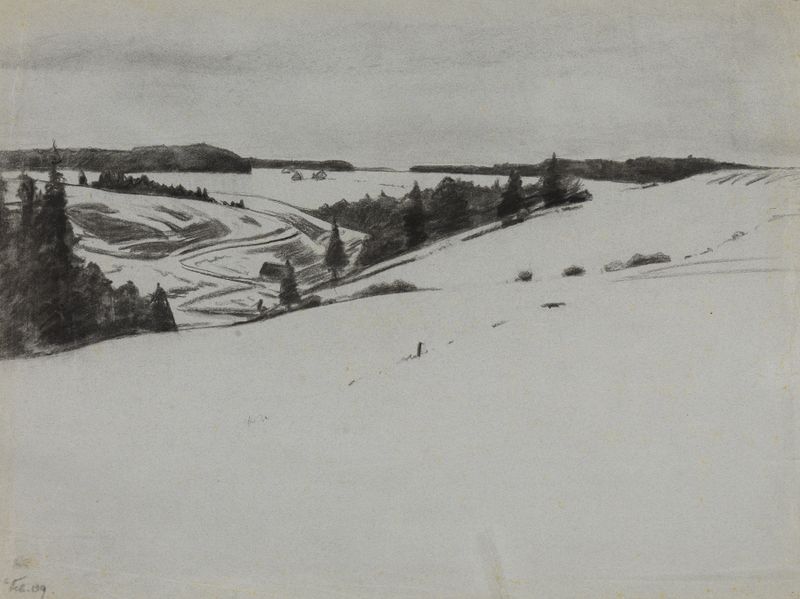
Schneelandschaft bei Königsfeld
Gustav Kampmann
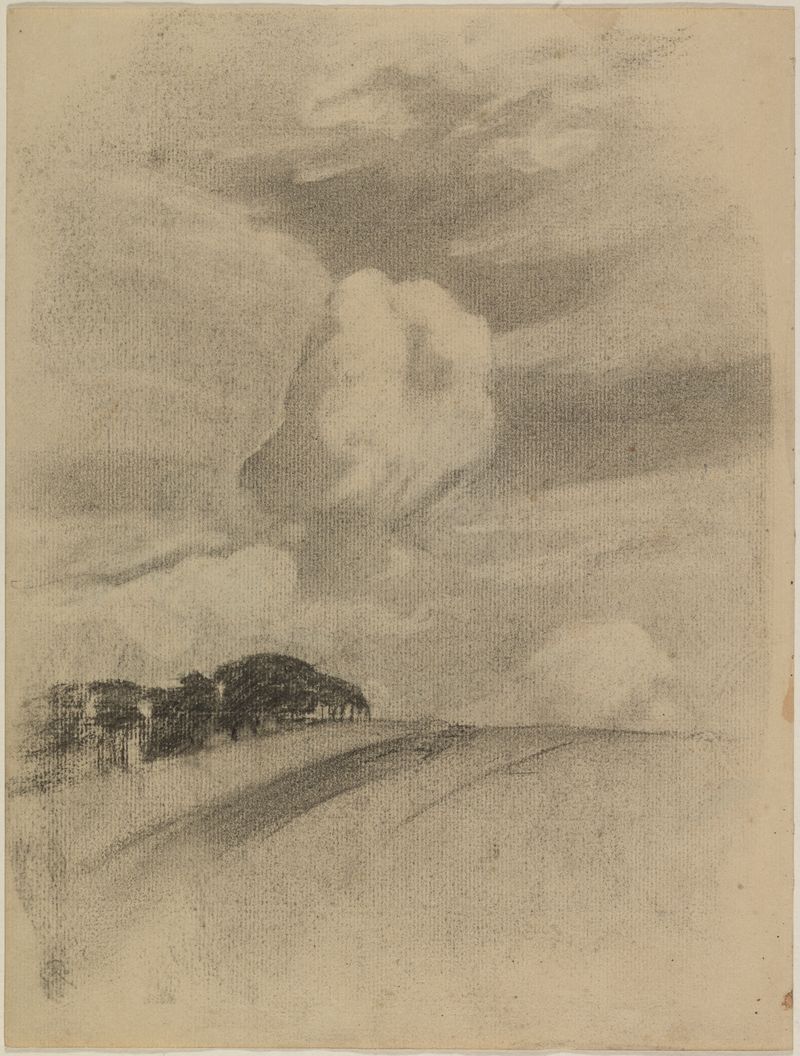
Landschaftsstudie
Gustav Kampmann
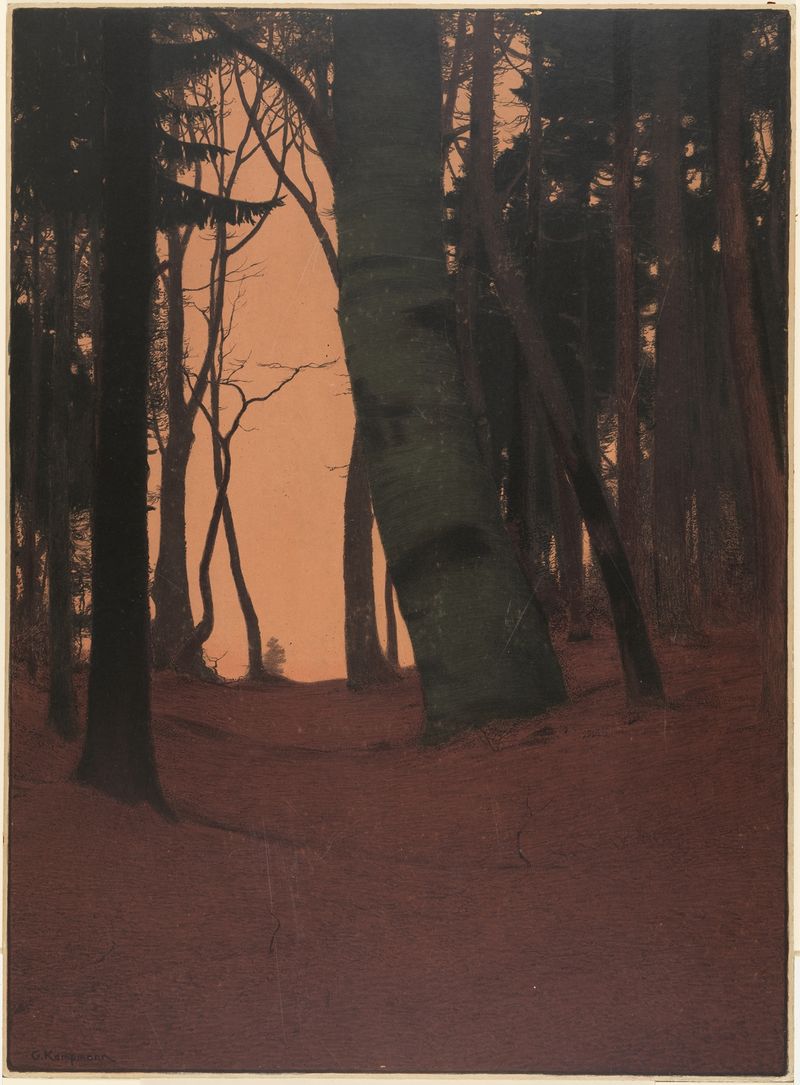
Abend im Wald
Gustav Kampmann

Drei alte Weiden bei Langenpreising
Gustav Kampmann
Baumstamm bei Obersteinbach
Gustav Kampmann





