
Glebe Farm–Isle of Man — History & Facts
Could beauty survive in a century of chaos? As the weight of industrialization bore down on society, this painting invokes a serene nostalgia, reminding us of simpler times. Begin your exploration to the left, where the gentle curves of the landscape unfurl beneath a soft, dappled light. Notice how the palette of muted greens and warm earth tones intertwine, creating an inviting atmosphere that pulls the viewer into a tranquil embrace. The delicate brushwork captures the essence of a peaceful day at Glebe Farm, with the hills rolling softly in the background and the farmhouse nestled comfortably among the trees.
Every stroke seems to breathe life into the scene, inviting contemplation. In its stillness, this work speaks to the tension between nature and encroaching modernity. The idyllic farm, with its historical roots, serves as a poignant reminder of the simple beauty that is at risk of being lost. The subtle contrast between the vibrant greenery and the distant, shadowed hills evokes a sense of longing for a time when life was more connected to the earth, highlighting the emotional weight carried within the serene facade. Julian Alden Weir painted Glebe Farm–Isle of Man in 1889 during a period of significant personal and artistic growth.
Living in Connecticut, he was influenced by the Impressionist movement, which was beginning to gain momentum in America. This painting symbolizes his desire to capture the fleeting beauty of nature, even as the world around him rapidly changed due to industrial advances.
More Artworks by Julian Alden Weir
Browse all →
My Back Yard no. 1
Julian Alden Weir
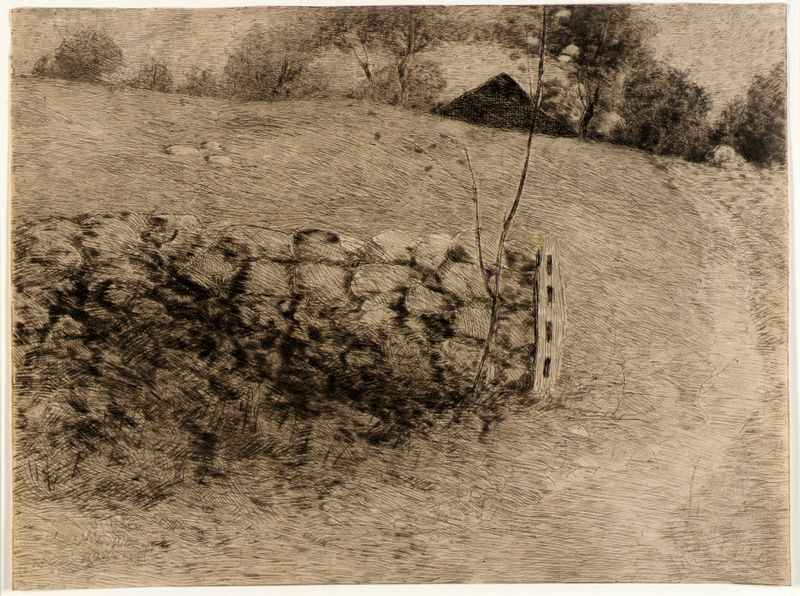
The Barn Lot
Julian Alden Weir

The Webb Farm
Julian Alden Weir
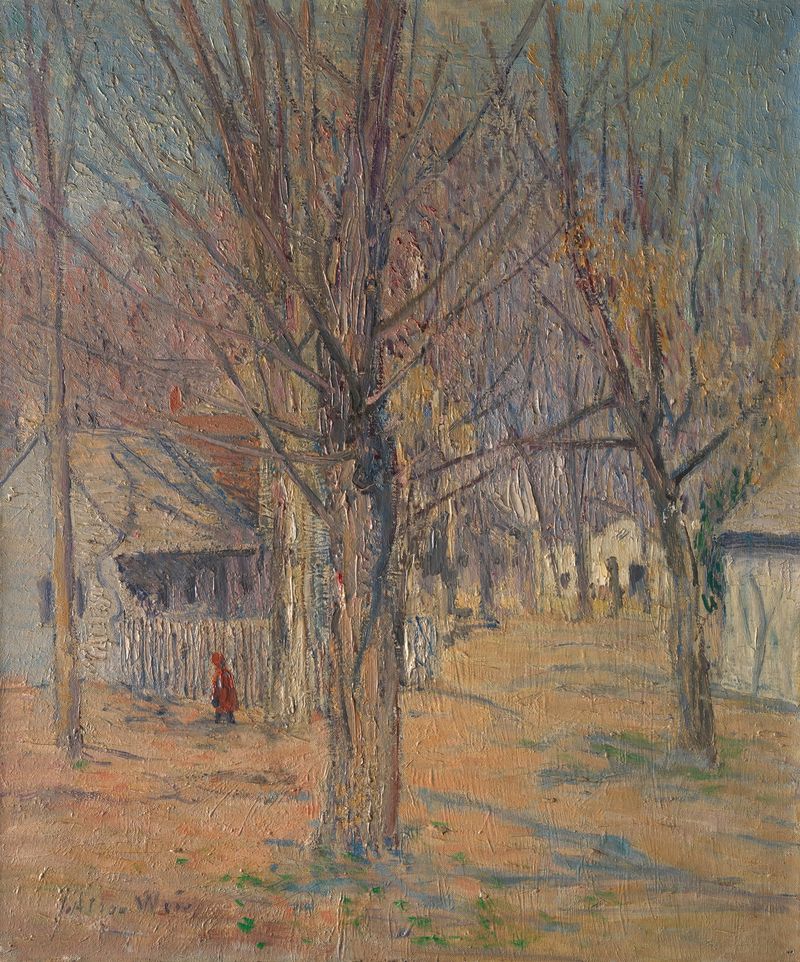
Connecticut Village (Going to School)
Julian Alden Weir

The Stone Bridge
Julian Alden Weir

The Webb Farm 2
Julian Alden Weir
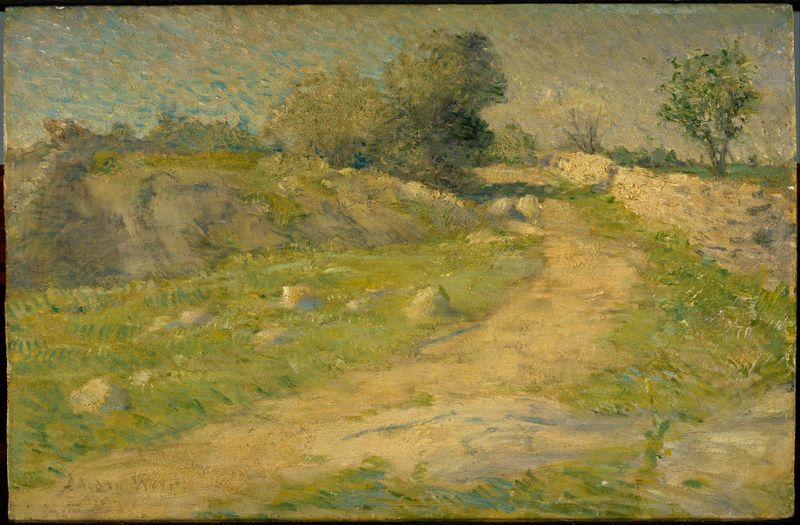
The Lane
Julian Alden Weir
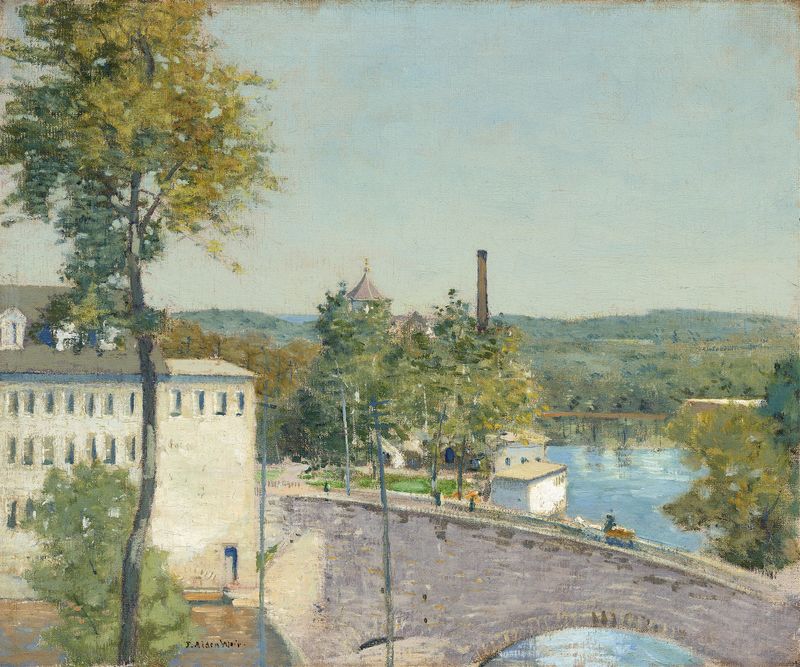
U.S. Thread Company Mills,Willimantic,Connecticut
Julian Alden Weir

Neighboring Farm
Julian Alden Weir

Coon Alley
Julian Alden Weir





