
Gletscherplateau — History & Facts
What if silence could speak through light? In Edward Theodore Compton's Gletscherplateau, the interplay of light and shadow conveys a profound sense of transformation as nature stands still, waiting for the next breath of life. Look to the left of the canvas, where the jagged peaks rise majestically against a cerulean sky. Notice how the sunlight gently caresses the glacier, illuminating its crystalline structure with a radiant glow. The artist employs a palette of cool whites and deep blues, contrasting the warmth of the sun's rays that filter through the icy expanse.
This technique invites the viewer to appreciate both the tranquility and the power inherent in the glacial landscape, evoking a sense of awe and reverence. Delve deeper into the composition and you’ll uncover the emotional tensions that lie beneath the surface. The stillness of the glacier contrasts with the vibrant hues of the sky, suggesting a surreal moment captured in time—a reminder of nature’s ability to change yet remain steadfast. The delicate brushwork hints at the impermanence of such beauty, an invitation to consider the inevitable march of time and transformation within the natural world. In 1906, Compton painted Gletscherplateau during a period when the Alpine region was gaining prominence among artists and explorers.
Living in Germany, he was deeply influenced by the Romantic ideals of nature’s grandeur and fragility. This work reflects a time when the appreciation for landscapes was intertwined with a growing awareness of environmental change, marking a pivotal moment in the history of art and nature.
More Artworks by Edward Theodore Compton
Browse all →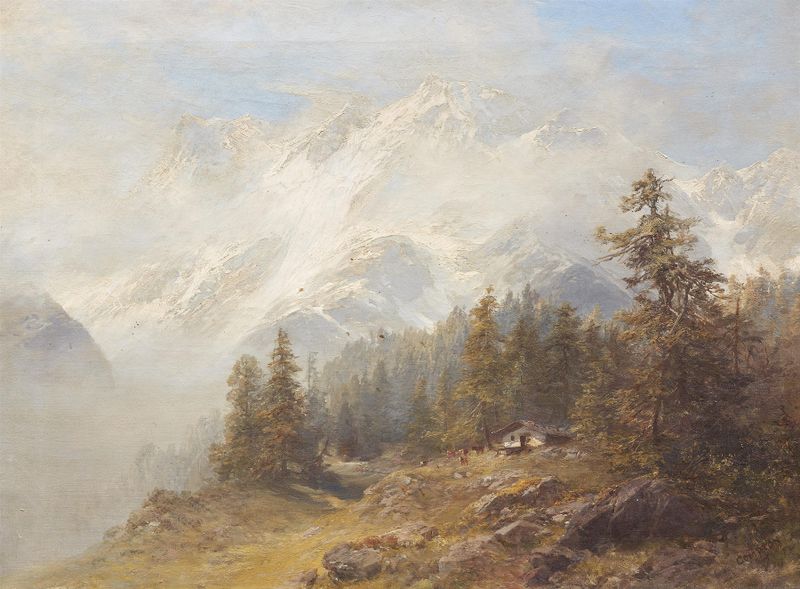
Alpenlandschaft vor schneebedecktem Massiv
Edward Theodore Compton
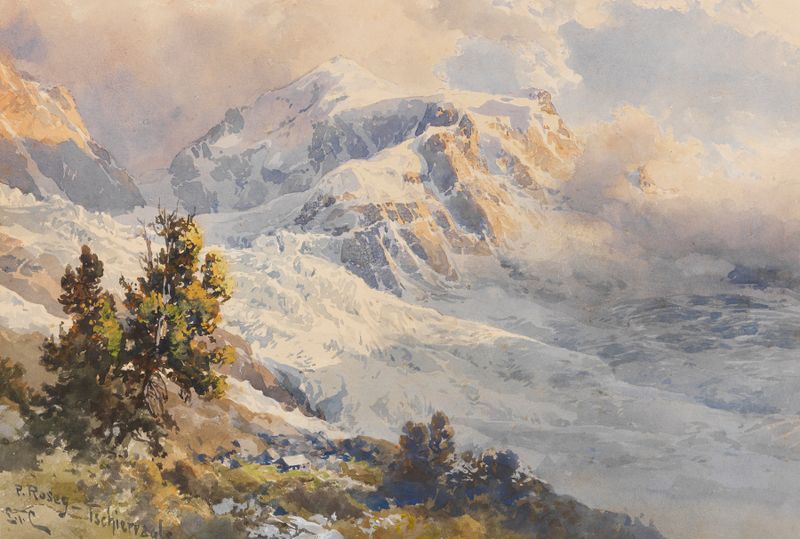
Piz Roseg – Tschiervagletscher
Edward Theodore Compton
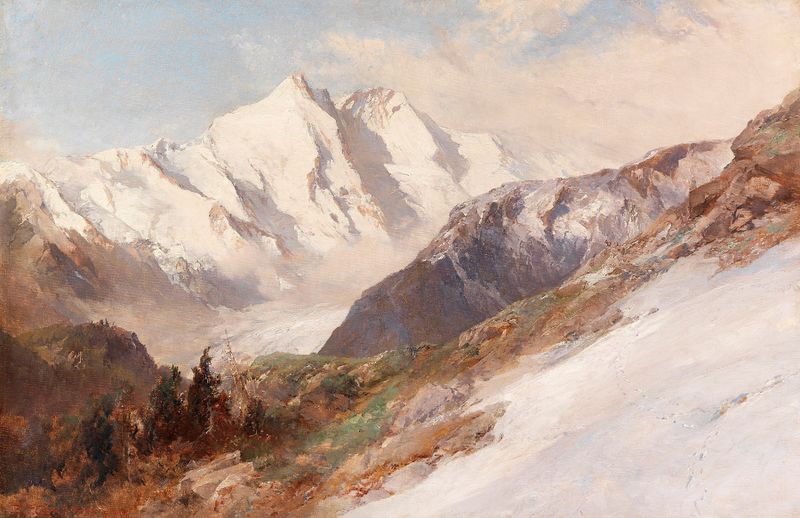
Blick auf die Nordseite des Großglockners
Edward Theodore Compton
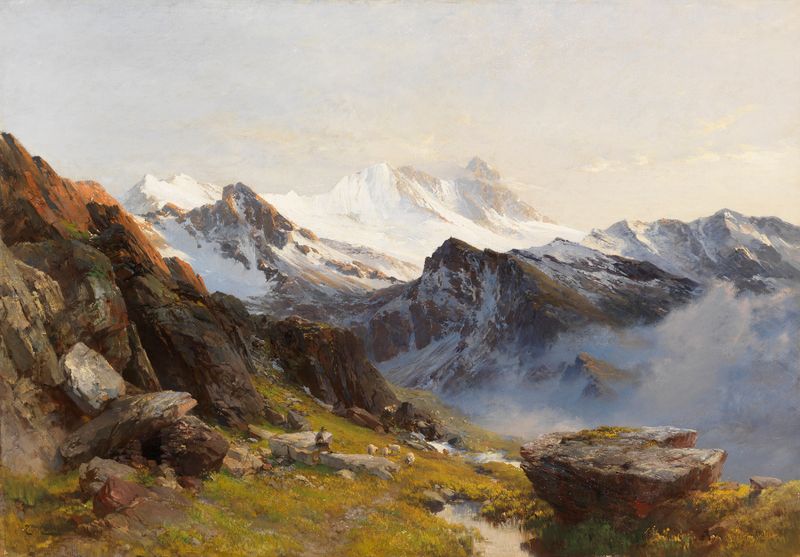
Großglockner von der Prager Hütte aus, früh
Edward Theodore Compton
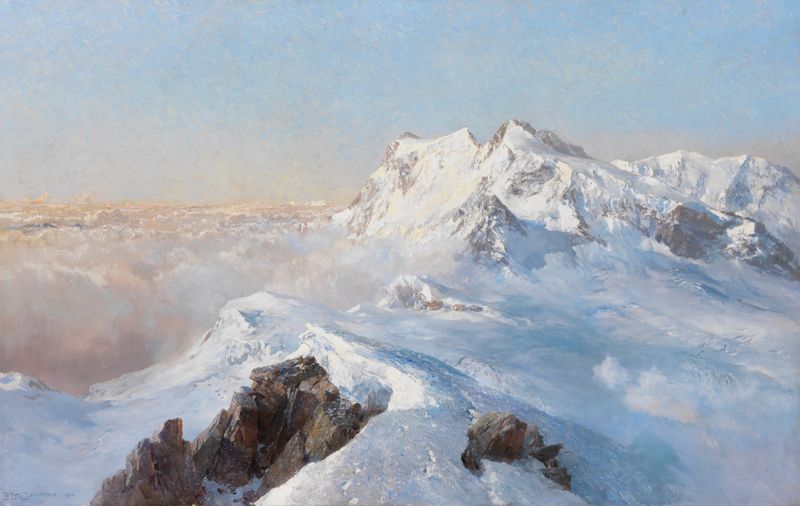
Über dem Nebelmeer (Monte Rosa vom Rimpfischhorn)
Edward Theodore Compton
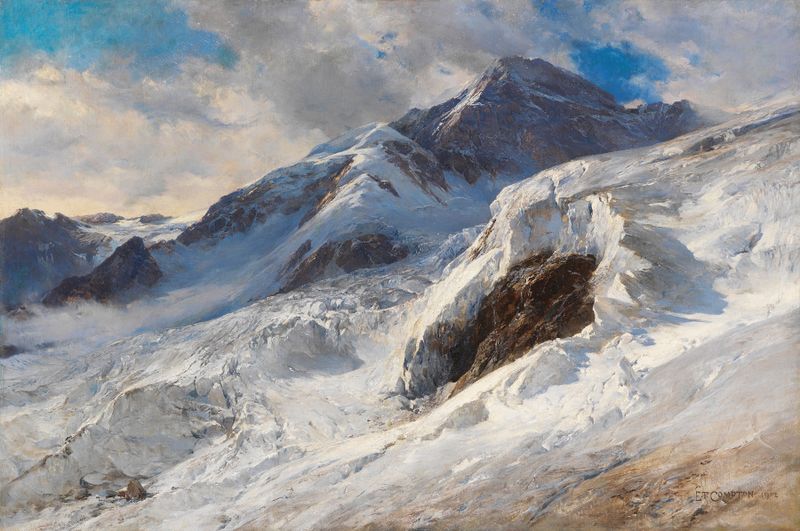
Lyskamm (Monte-Rosa)
Edward Theodore Compton
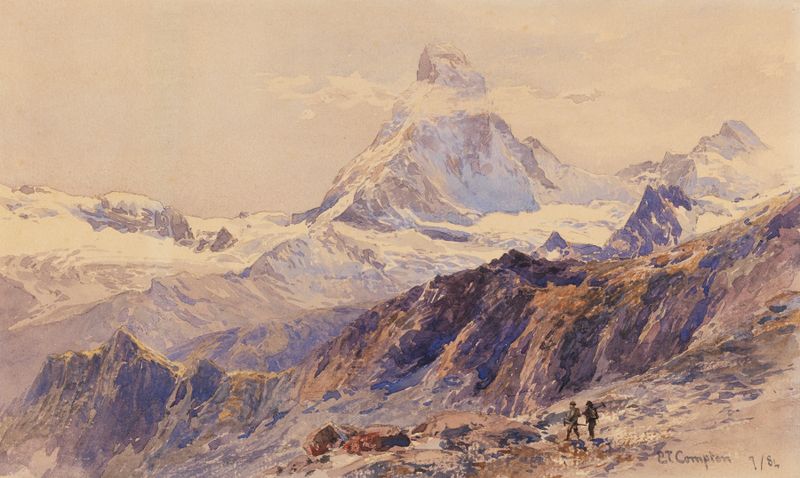
Das Matterhorn von der Triftkumme
Edward Theodore Compton
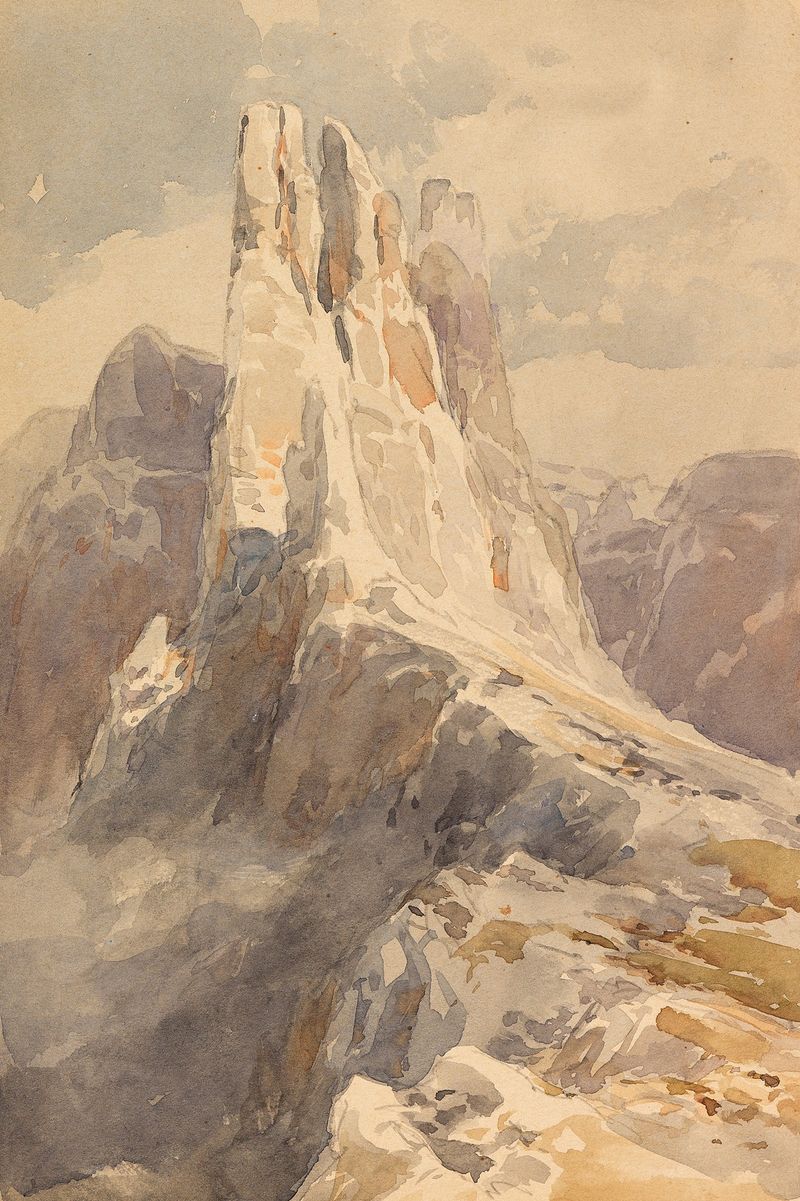
Blick auf die Vajolet-Türme in den Dolomiten
Edward Theodore Compton
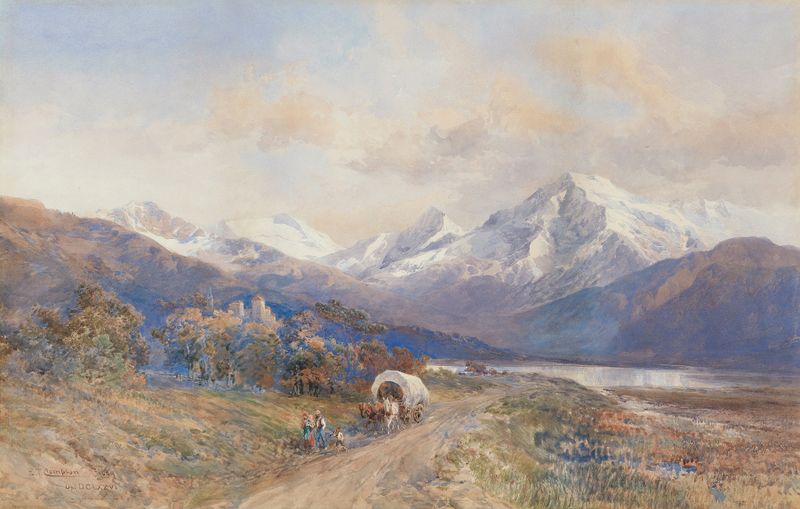
Blick auf den Ortler von St. Valentin
Edward Theodore Compton
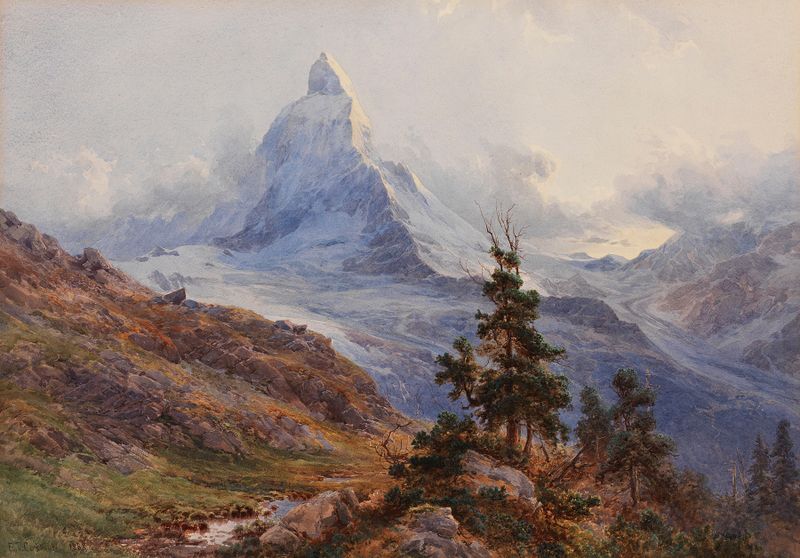
View of the Matterhorn
Edward Theodore Compton





