
Going to the Christening — History & Facts
What draws the eye first in Going to the Christening is not the gentle shimmer of water or the sweep of the northern sky, but the quiet, almost breath-held anticipation that seems to ripple through the boat’s passengers. Sunlight glances off bonnets and shawls, picking out the pale face of a young girl clutching a bouquet, her gaze meeting the viewer’s with a mix of shyness and ceremony. Every gesture in this scene is weighted with purpose: the careful cradling of the infant, the sturdy grip of the oarsman, the pipe held in easy camaraderie.
The composition leads us from the sturdy prow, past the cluster of figures, to the distant horizon—suggesting both journey and ritual, the everyday made luminous. Painted in 1880 by Albert Edelfelt, this work belongs to a moment when artists across northern Europe were turning their attention to the rhythms and rites of rural life. Such paintings often served to affirm shared customs and local identity at a time of rapid change, their scenes commissioned by collectors eager to preserve a vanishing world or to celebrate the dignity of ordinary people. The source places this painting in a Swedish collection, and its date situates it firmly within the artist’s early maturity, when natural light and social observation were his twin preoccupations.
History has kept few traces of this particular canvas’s journey, but its calm surface invites us to linger, to imagine the hush before the church bells and the quiet pride of a family afloat between tradition and tomorrow.
More Artworks by Albert Edelfelt

The Day of Rest
Albert Edelfelt
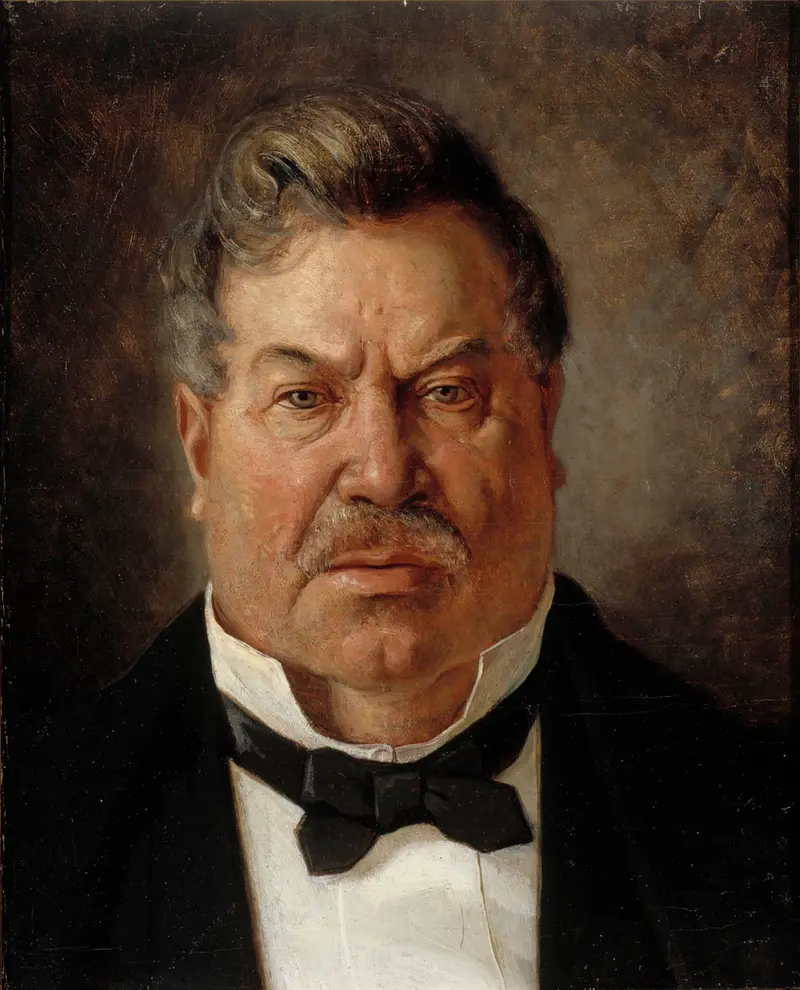
Portrait of August Streng
Albert Edelfelt
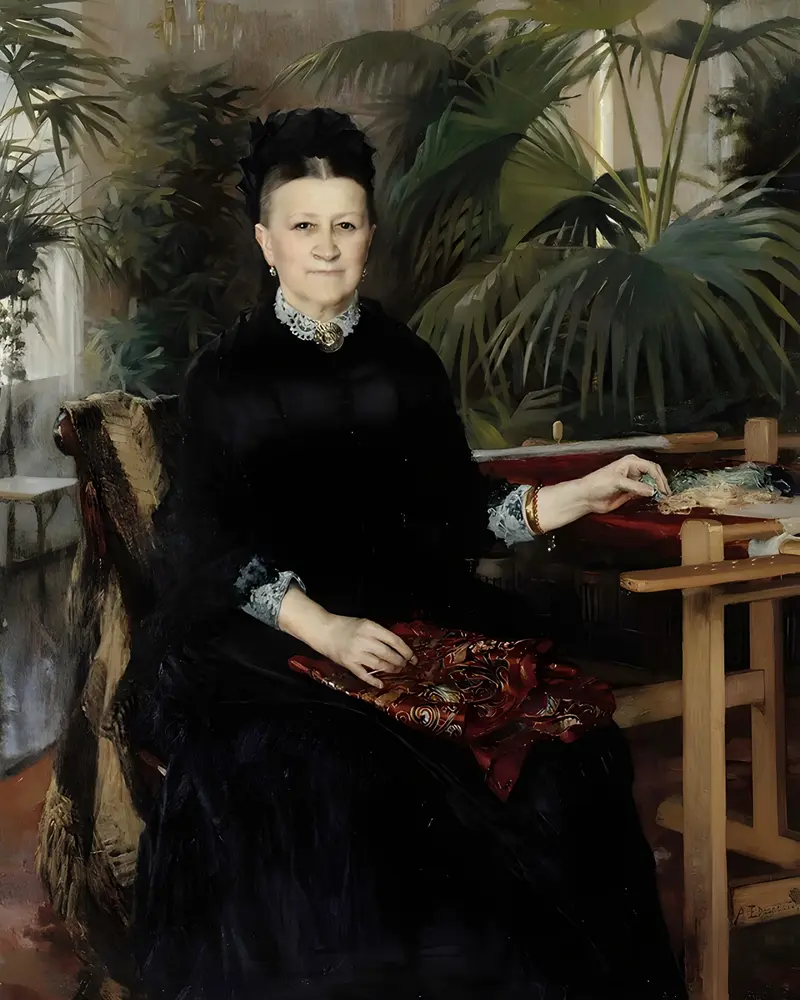
Portrait Of Mrs. Anna Sinebrychoff
Albert Edelfelt

The Poet, Larin Paraske
Albert Edelfelt

Parisian lady in a Peignoir
Albert Edelfelt
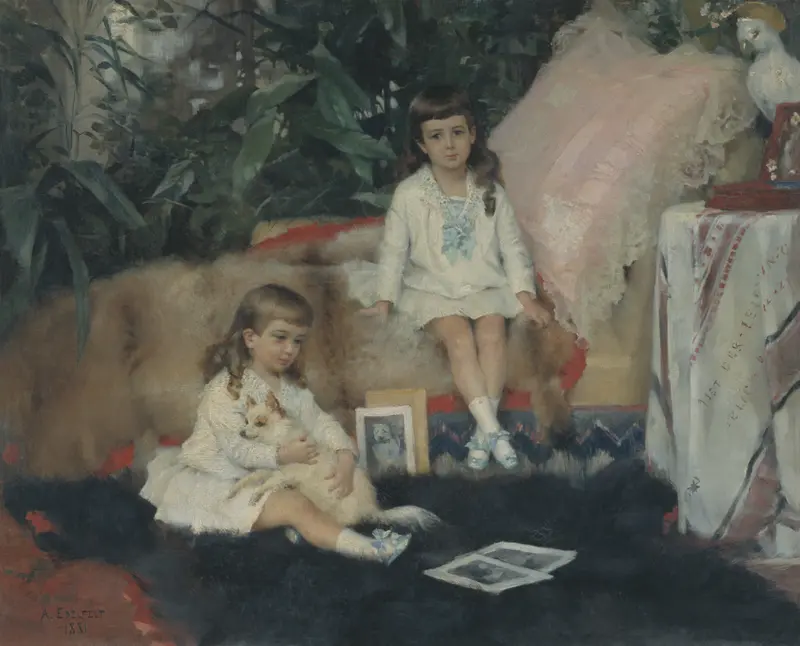
The Grand Dukes Boris and Kirill Vladimirovich as Children
Albert Edelfelt
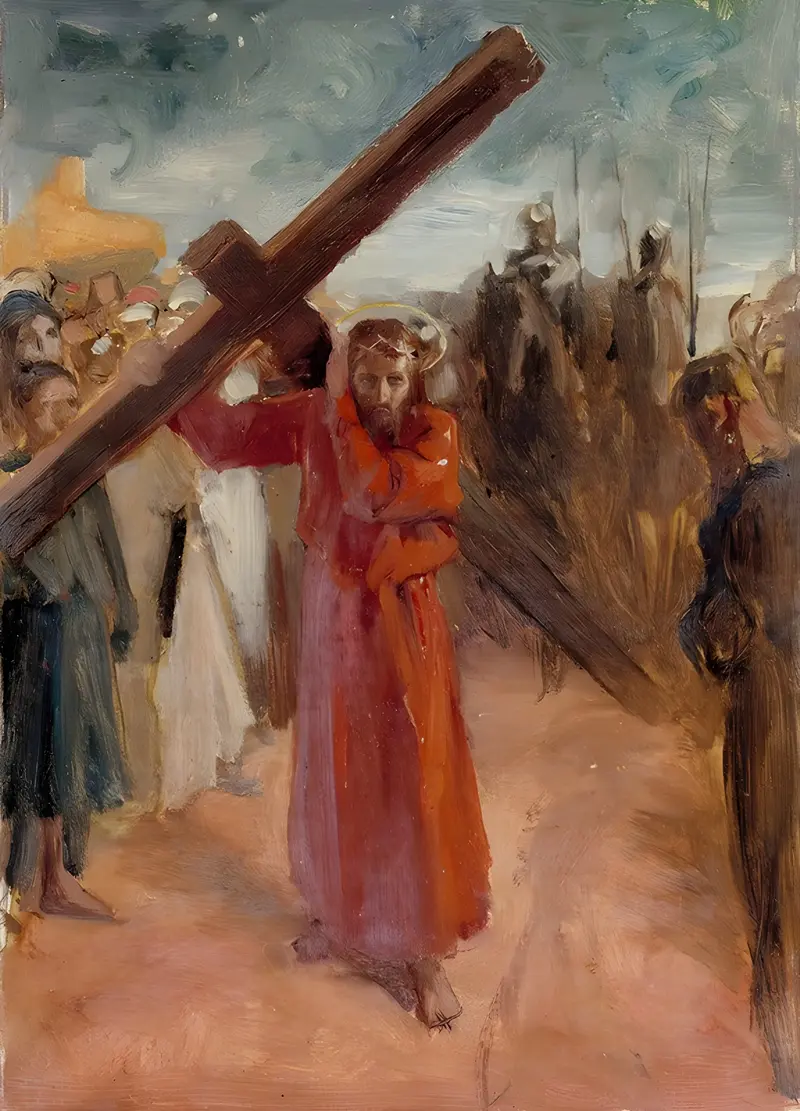
Christ Bears The Cross
Albert Edelfelt
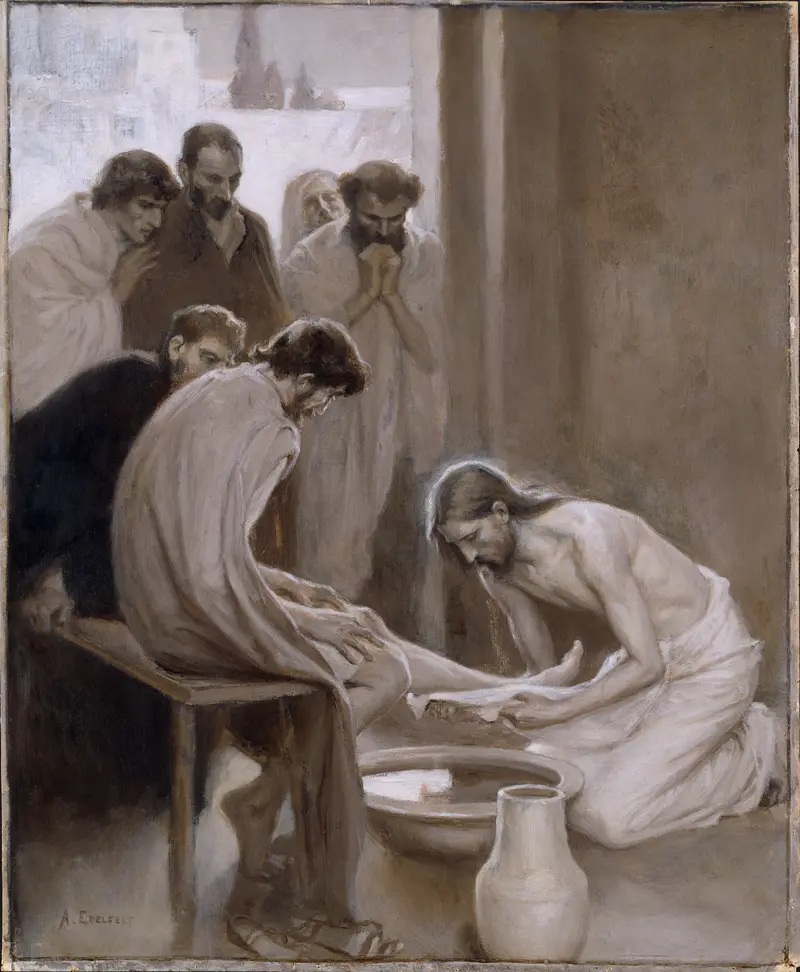
Jesus Washing the Feet of his Disciples
Albert Edelfelt

Larin Paraske with Kantele
Albert Edelfelt
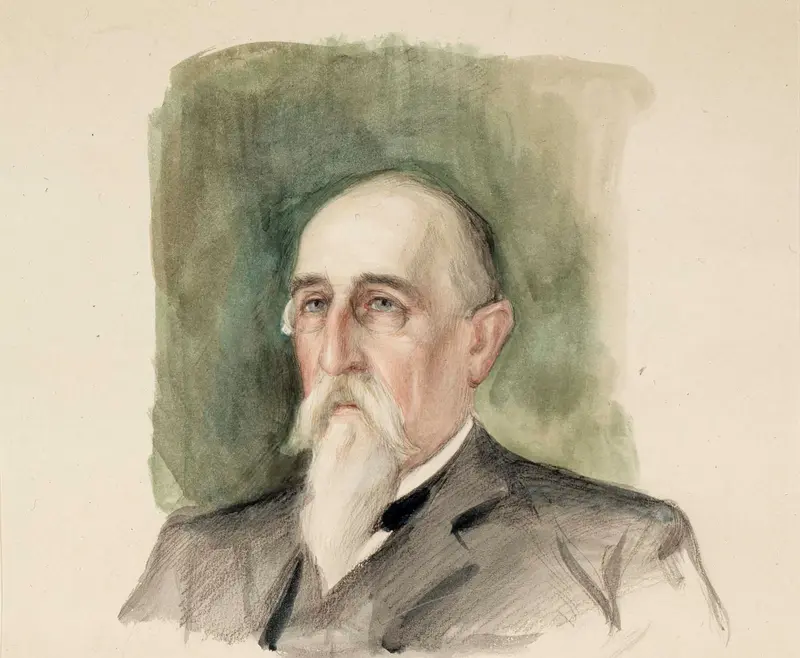
Leo Mechelin, Portrait Study
Albert Edelfelt
More Genre Scene Art

Banquet of the Officers of the St George Civic Guard
Frans Hals

Rembrandt and Saskia in the Scene of the Prodigal Son
Rembrandt van Rijn

Bal du moulin de la Galette
Pierre-Auguste Renoir

Quadrille at the Moulin Rouge
Henri de Toulouse-Lautrec

A Burial at Ornans
Gustave Courbet

When Will You Marry?
Paul Gauguin