
Golding Constable’s House, East Bergholt- the Artist’s birthplace — History & Facts
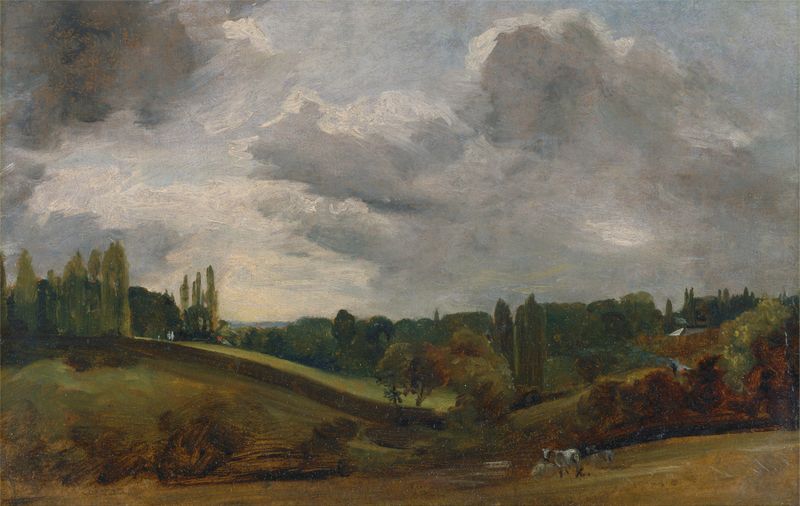
Could beauty survive in a century of chaos? In a world filled with tumult and uncertainty, the quiet grace found in nature's embrace offers a rare solace. Look to the left, where the gentle outline of Golding Constable’s House emerges, nestled among lush greenery. The soft brushstrokes of verdant greens and earthy browns create a harmonious blend that draws the eye upward, revealing a tranquil sky—its soft blues intermingled with wisps of white clouds. This delicate interplay of light and shadow imbues the scene with a serene atmosphere, evoking a sense of timelessness and nostalgia. Beneath the surface, the composition whispers deeper stories.
The house stands proudly yet unobtrusively, representing not only Constable’s roots but also an unwavering connection to the natural world that surrounds it. The careful portrayal of the trees, bending gently as if in conversation with the wind, suggests a harmony between the built and natural environments. This tension between man-made structure and wild landscapes invites reflection on the relationship between civilization and nature, emphasizing the importance of preserving beauty amidst chaos. In a time when the artist was navigating the fluctuating tides of the Romantic movement in the early 19th century, Constable painted this piece as a manifestation of his deep attachment to his birthplace in East Bergholt.
It was a period marked by rapid industrialization and societal change, yet his work remained steadfast in its celebration of rural life, capturing the essence of a fleeting beauty that he cherished deeply.
More Artworks by John Constable
Browse all →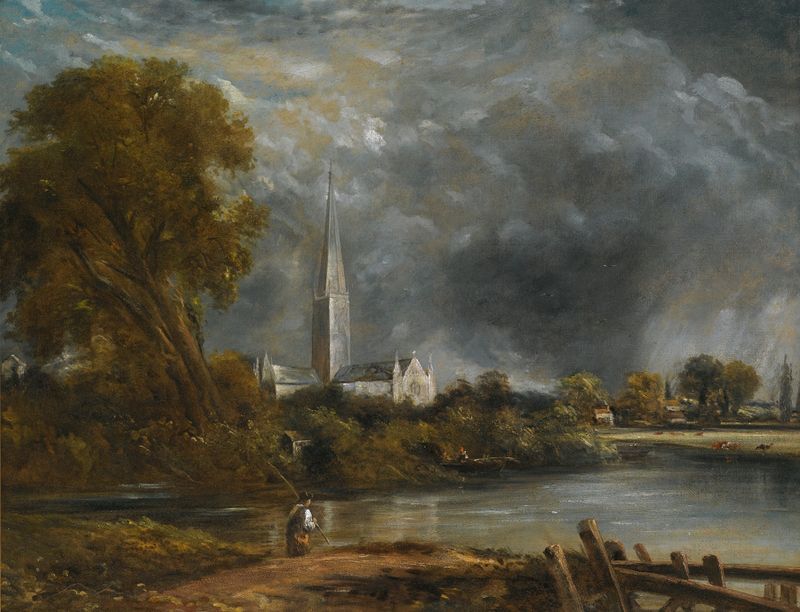
Salisbury Cathedral From The Meadows
John Constable
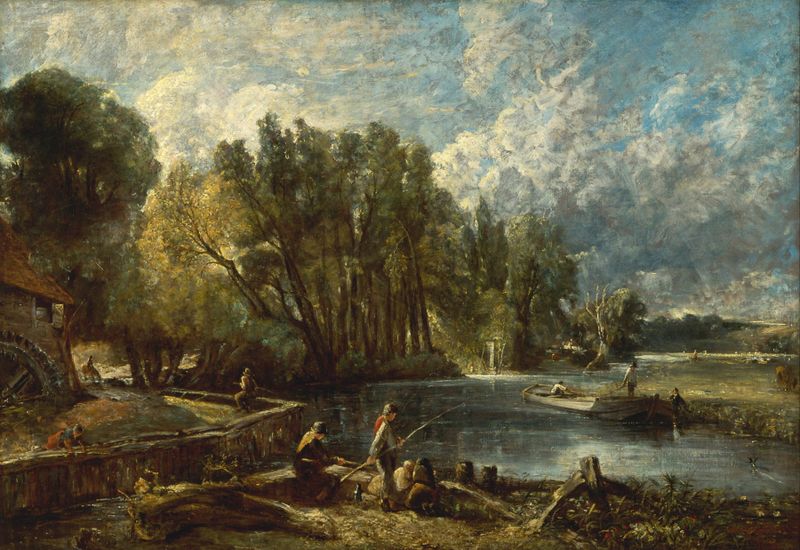
Stratford Mill
John Constable
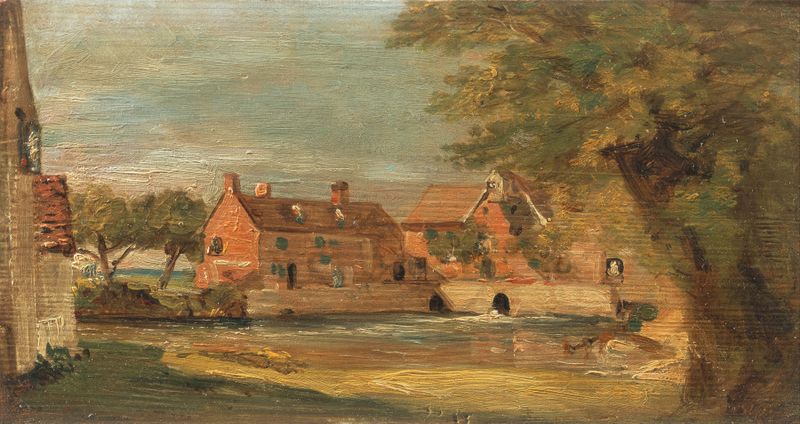
Flatford Mill
John Constable
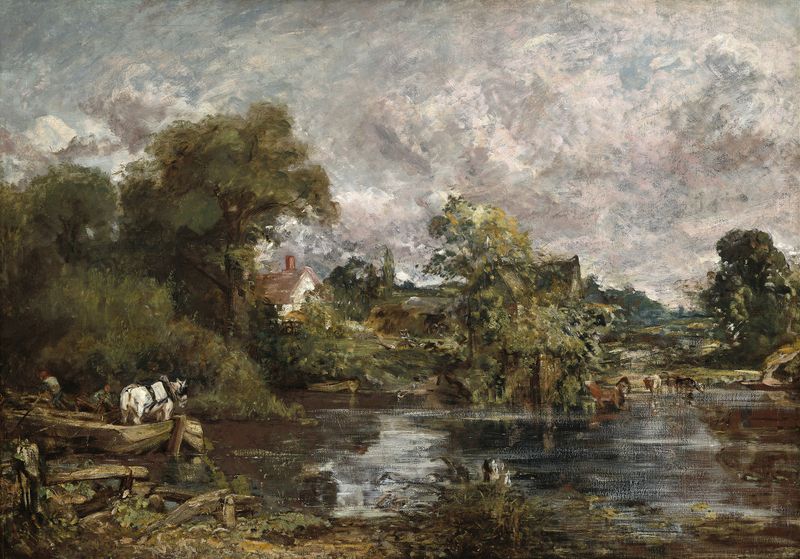
The White Horse
John Constable
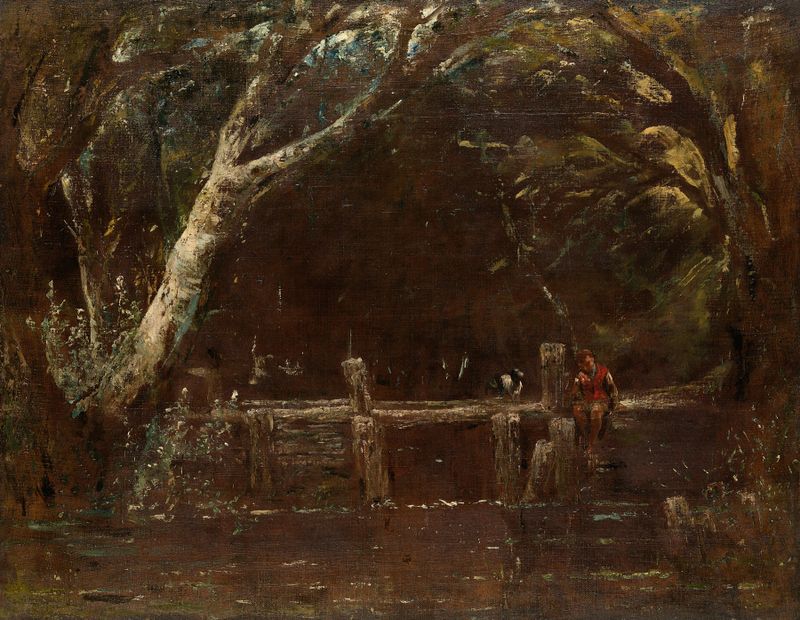
Landscape (The Lock)
John Constable
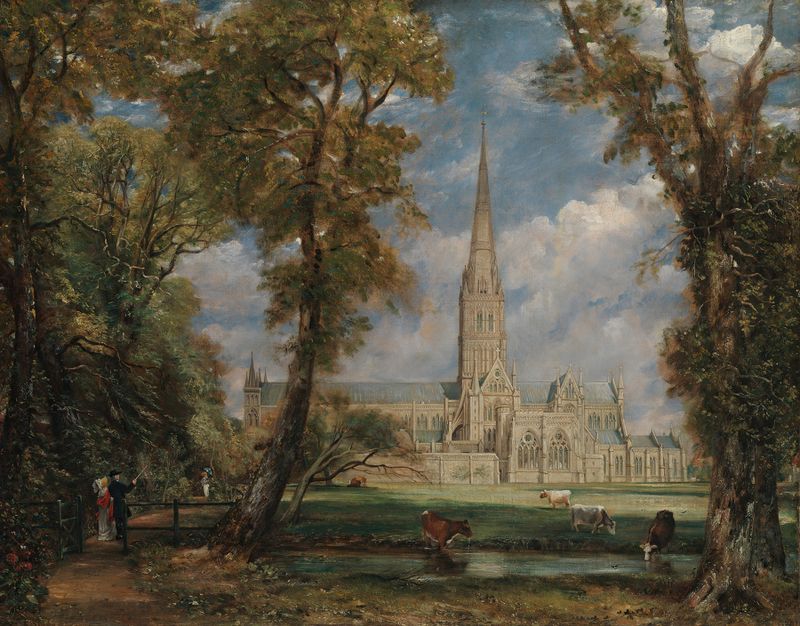
Salisbury Cathedral from the Bishop’s Grounds
John Constable
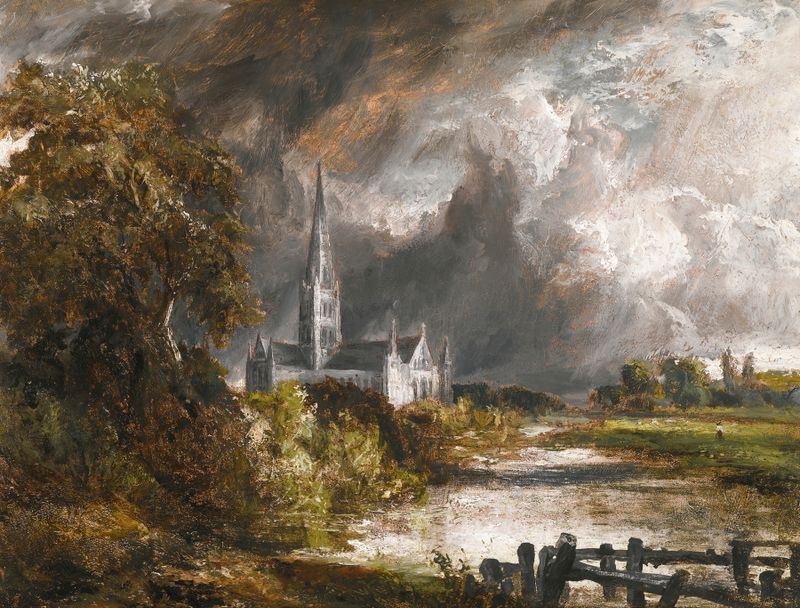
Salisbury Cathedral From The Meadows
John Constable
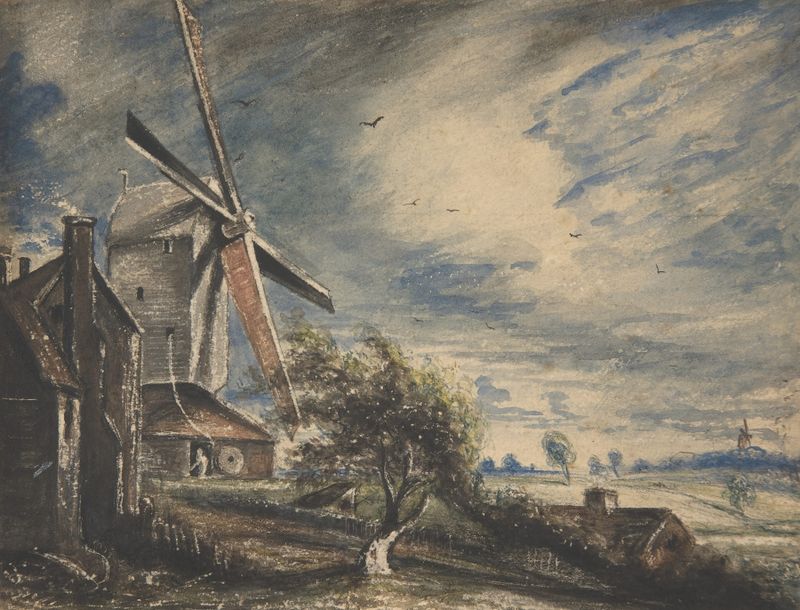
A Mill Near Colchester
John Constable
East Bergholt
John Constable

Flatford Mill
John Constable





